
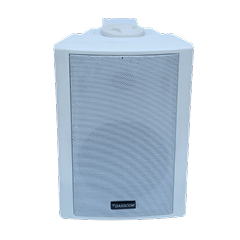
 Indoor Speakers
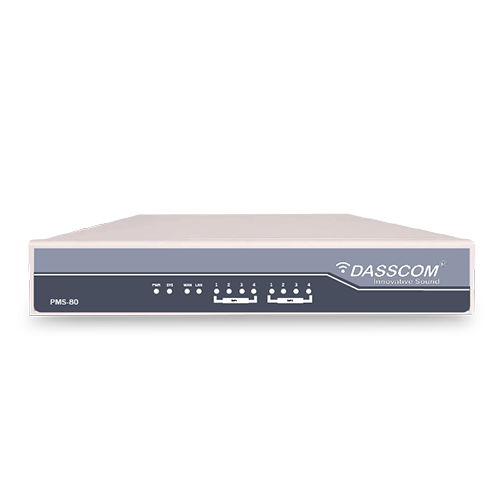 Paging Controller
 Outdoor Speakers
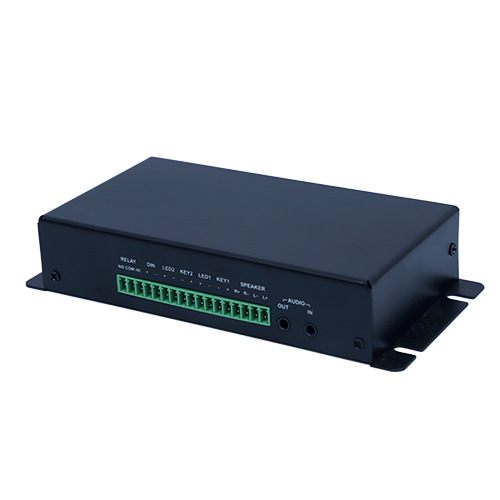 IP Amplifier & Gateway
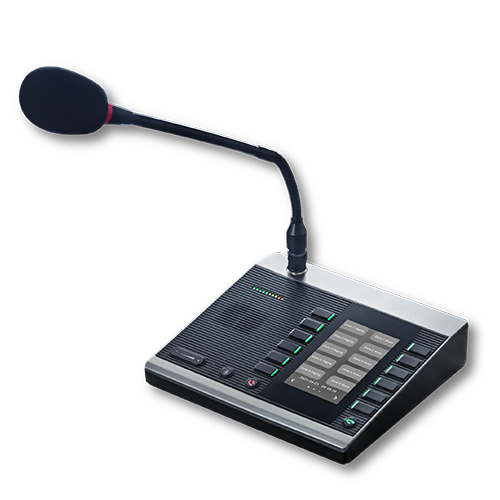 Paging Microphones
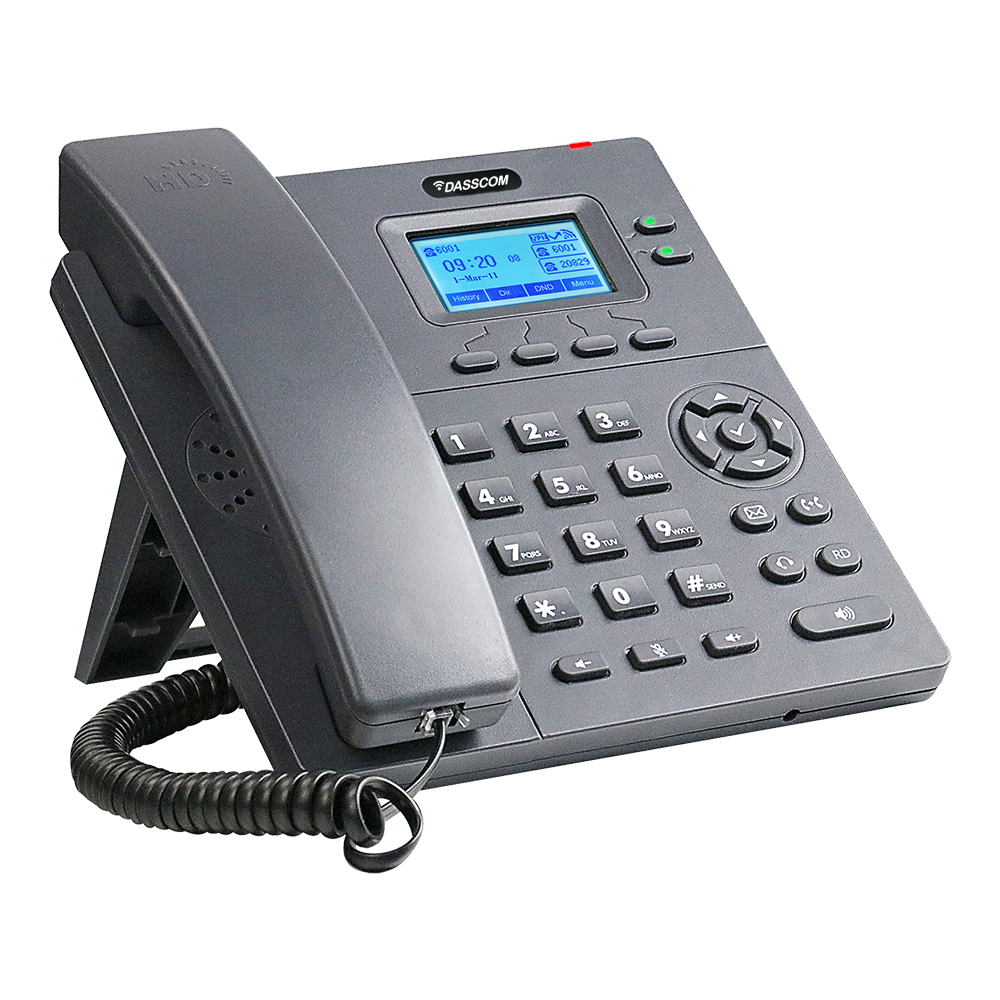 Basic IP Phones
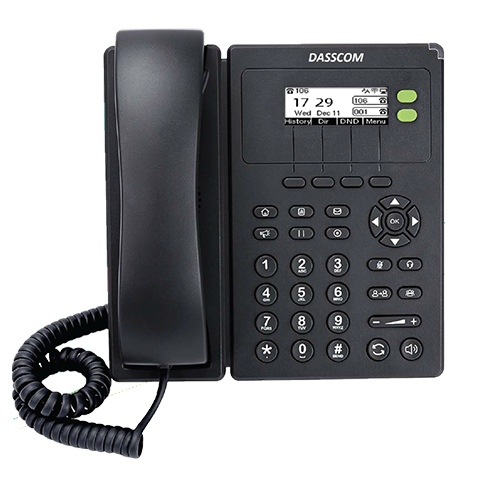 Wifi Phones
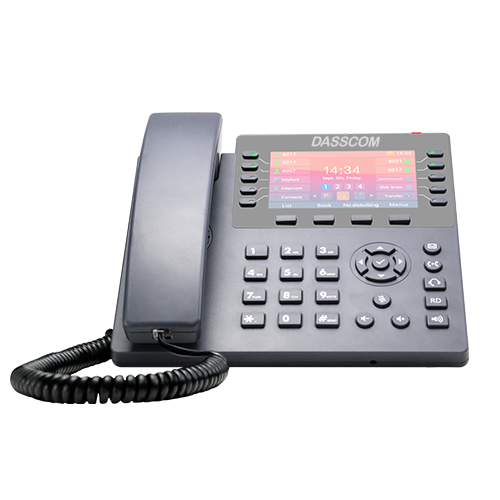 Executive IP Phones
 Video Phones
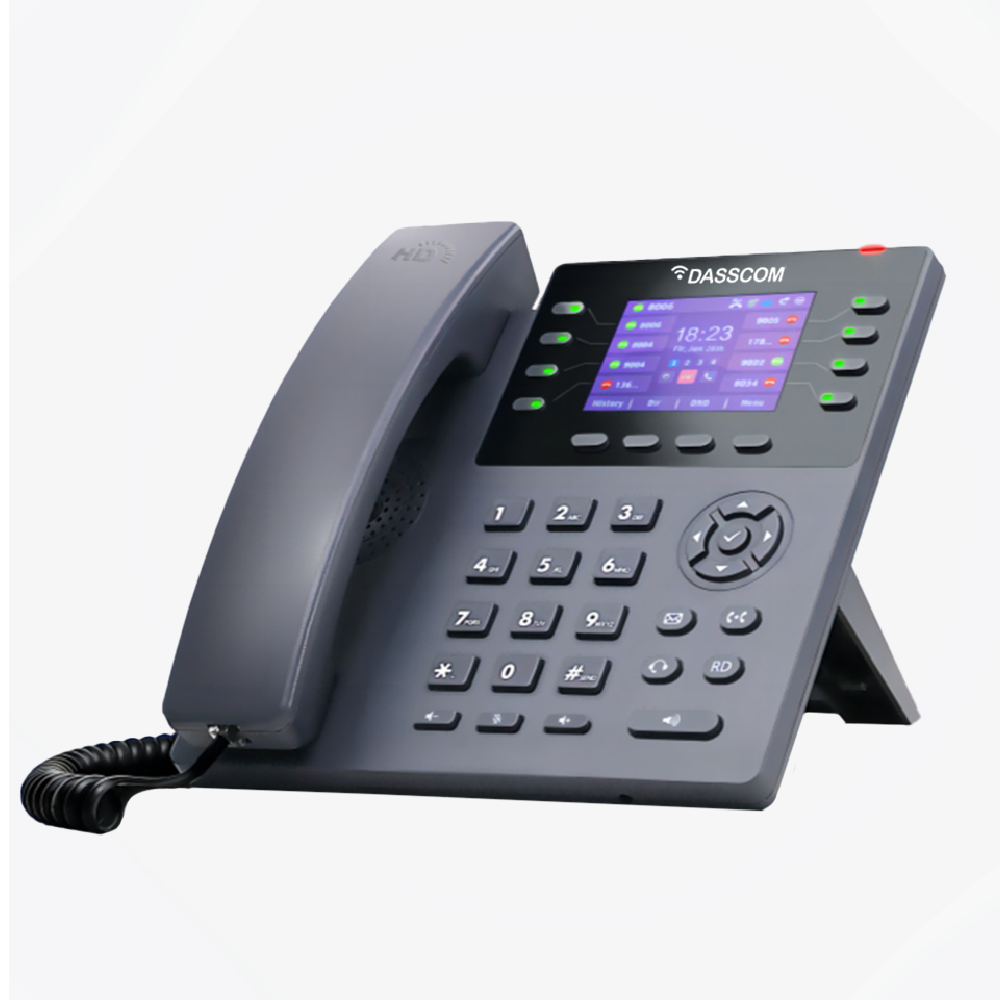
 Duc-series
 FXS/FXO Gateways
 E1/T1 Gateway

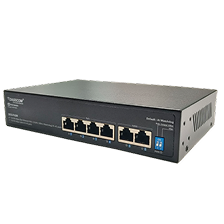 Unmanaged Switches
 Managed Switches
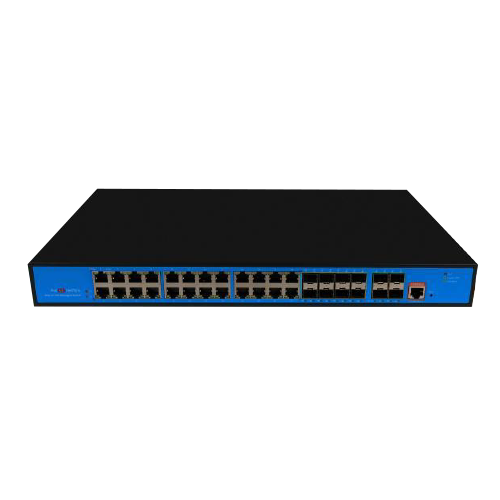 Industrial Switches
 Access Points
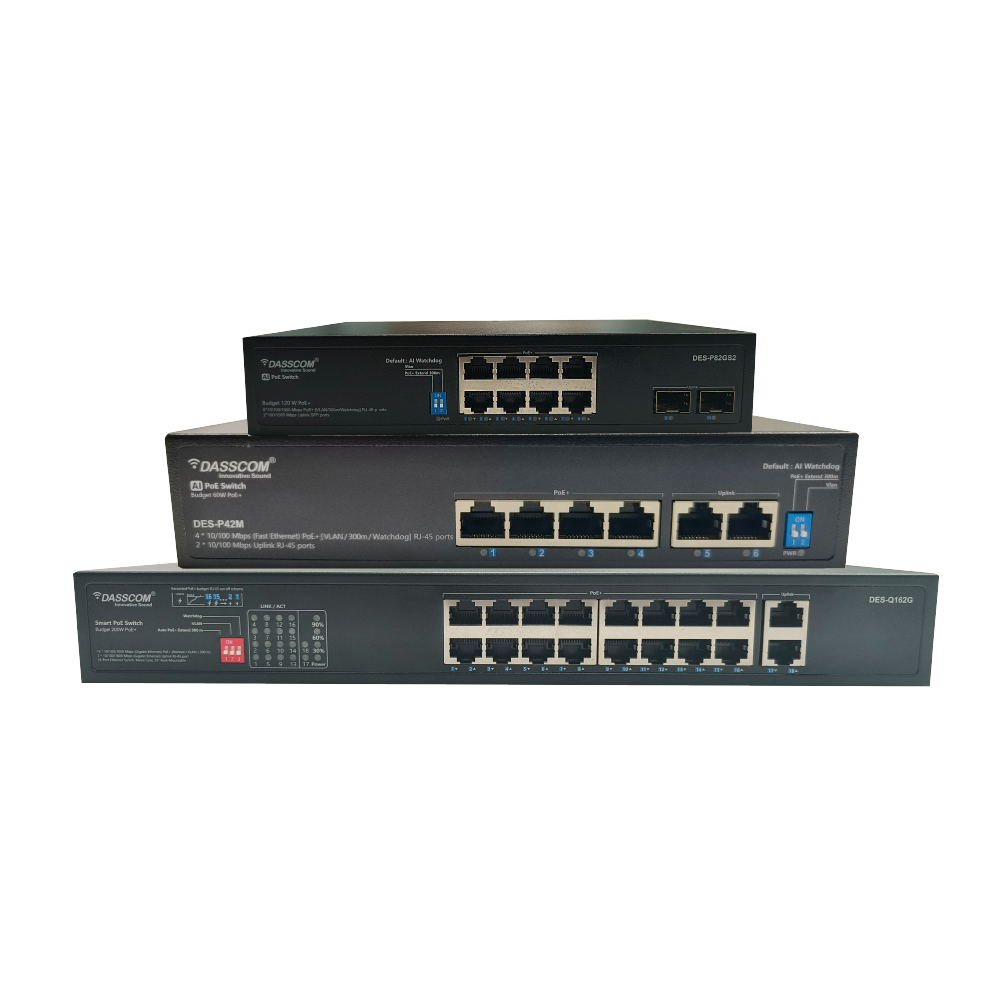
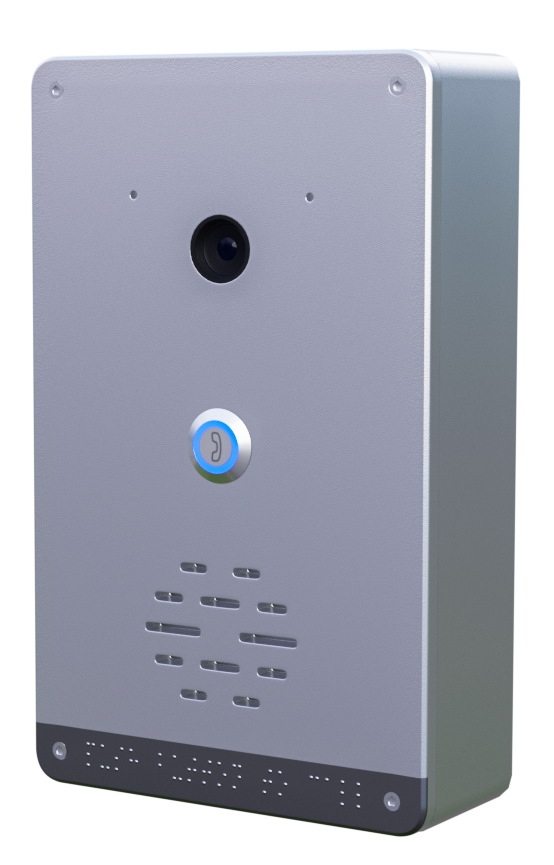 Safety Intercoms
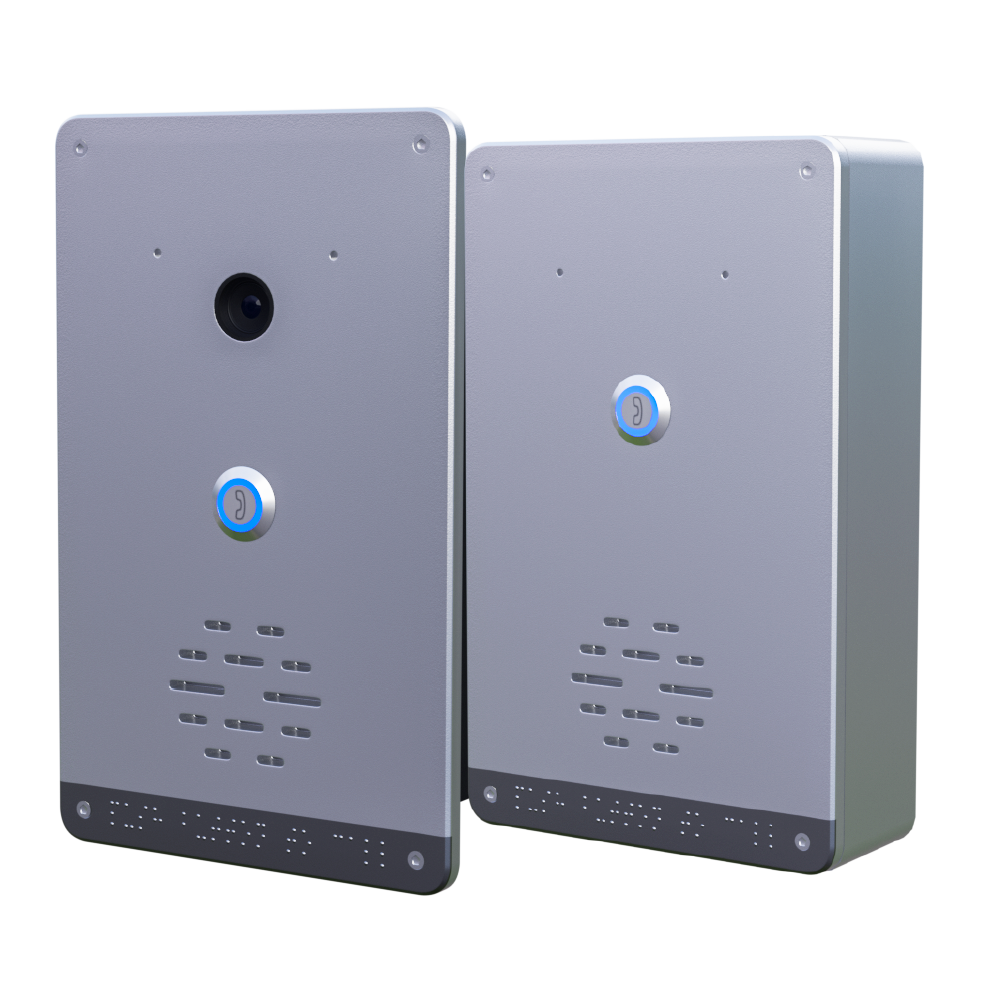
 Veda Series
 Divine Series
 Tatva Series
 VoIP Office
 Call Center Solutions
 Network Communications
 Public Safety
 Video & Security System
 Highway Communication
 Intercom System
 IP Paging Solutions

 Healthcare
 Hospitality
 School & Universities
 IT Office
 SMEs and SMBs
 Industries


 Public Address System
 VOIP Phones
 VOIP PBX
 VOIP Gateways
 Networking Solutions
 Call Center Headsets
 Emergency Intercom Stations


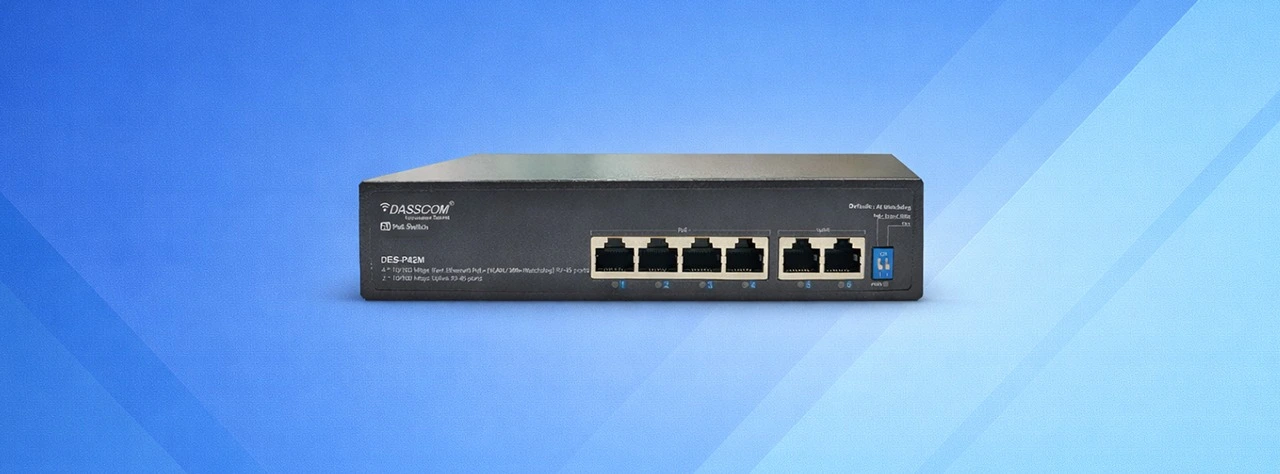
In connected environments, even compact networks demand reliability, speed, and intelligent traffic control. Whether powering a surveillance setup, a smart office, or an industrial control network, the right switch ensures smooth data flow and dependable performance. That’s where 4-port network switch models are proving to be an excellent choice—offering enterprise-grade capabilities in a compact footprint.
A common misconception is that small switches equal limited functionality. Modern designs prove otherwise. With capabilities like VLANs, PoE+, fiber uplinks, and routing support, a 4 port switch can now perform like larger core switches—just without the complexity, space requirements, or cost.
This article explores how next-generation switches—like the Dasscom DES-22S2MG-IND —are transforming office, industrial, and security deployments, while also helping professionals understand what features matter when evaluating 4 port network switch price, reliability, and performance.
Why 4-Port Switches Still Matter
While large-scale networks often rely on 24-port or 48-port switches, many deployments require only a compact yet capable solution. A 4 port internet switch has become essential for:
- Small and medium surveillance installations
- Work-from-home and hybrid work setups
- Smart buildings and automation systems
- Classroom and lab network deployments
- Industrial machines and SCADA communication
- VoIP phone networks and access points
Despite the small physical footprint, performance expectations remain high. Today’s networks must support:
- Power delivery through PoE+
- Gigabit or higher data speeds
- Low-latency traffic for VoIP and video
- Security and network segmentation via VLAN
- Fiber uplink capability for long-distance backbone
A basic unmanaged network switch may support plug-and-play scenarios, but organizations demanding control, security, and reliability increasingly look toward manageable network switch models.
Managed vs. Unmanaged: Why the Difference Matters
Not all switches are built alike. Before selecting hardware, it’s important to understand the differences.
| Feature | Unmanaged Network Switch | Managed Network Switch |
| Configuration Required | None | Yes |
| VLAN Support | ❌ No | ✔ Yes |
| PoE Management | Limited/None | Full control |
| Network Security Rules | ❌ Not supported | ✔ Supported |
| Advanced Routing | ❌ No | ✔ Yes |
| Monitoring & Diagnostics | Basic LEDs | Real-time analytics |
| Best For | Homes & basic office use | Enterprises, factories, CCTV, VoIP |
A manageable network switch ensures the network remains secure, optimized, and scalable—especially when handling VoIP traffic, IP cameras, or automation systems.
Highlight Product: Dasscom DES-22S2MG-IND
To demonstrate how small switches deliver industrial-grade capability, let’s look at the Dasscom model: DES-22S2MG-IND. This Managed Industrial 4-Port PoE+ Switch is engineered for harsh and demanding environments where uptime, safety, and high bandwidth are critical.
Key Technical Features:
- 4× 10/100/1000M PoE+ ports
- 2× 100M SFP fiber ports for long-distance uplink
- Static, default routing & VLAN support
- Port aggregation for redundancy & speed optimization
- Spanning Tree Protocol (STP) for loop prevention
- Industrial ring network capability for fault-tolerant topologies
With PoE+, the switch powers:
- IP cameras
- Wireless access points
- Industrial sensors
- IP phones
without requiring separate electrical wiring.
How PoE+ Improves Real-World Deployments
A switch PoE 4 port design offers flexibility and simplicity:
- No power adapters required for devices
- Faster and cleaner installation
- Centralized power control
- Reduced failure points
This is especially important for surveillance systems and VoIP deployments—where uptime is critical and cabling flexibility enables expansion.
Understanding 4 Port Network Switch Price Factors
When evaluating a 4-port network switch price, consider more than just cost. Pricing varies based on:
| Specification | Impact on Price |
| PoE or PoE+ Support | High |
| Industrial-grade build | High |
| Fiber SFP ports | Medium |
| Layer-2 or Layer-3 management | Medium to High |
| Security features (ACL, VLAN, STP) | Medium |
| Working temperature and rugged enclosure | High |
Entry-level 4 port network switch price ranges fall lower when unmanaged, but managed industrial models—like DES-22S2MG-IND—offer a far better return on investment for long-term deployments.
Who Should Choose a Managed 4-Port Switch?
Organizations that need:
- Network segmentation
- Outdoor or industrial installation
- Integrated PoE+ power
- Redundancy and failover
- Fiber uplinks
- Secure, encrypted traffic
should select a manageable network switch rather than an unmanaged one.
Ideal Use Cases for Dasscom DES-22S2MG-IND
| Industry | Use Case |
| Manufacturing | Machine controllers + PLC communication |
| Retail | CCTV + POS + Wi-Fi access point |
| Smart City | Outdoor surveillance nodes |
| Office | VoIP phones + AP + workstations |
| Education | Classroom networks + projectors |
| Hospitality | Cameras + VoIP + kiosk displays |
Conclusion
A 4-port network switch may be compact, but with advanced features such as PoE+, VLAN, routing, and industrial-grade redundancy, it can unlock high-performance networking for small and medium deployments.