
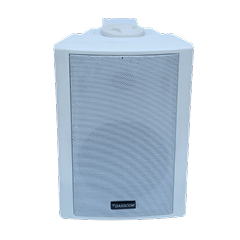
 Indoor Speakers
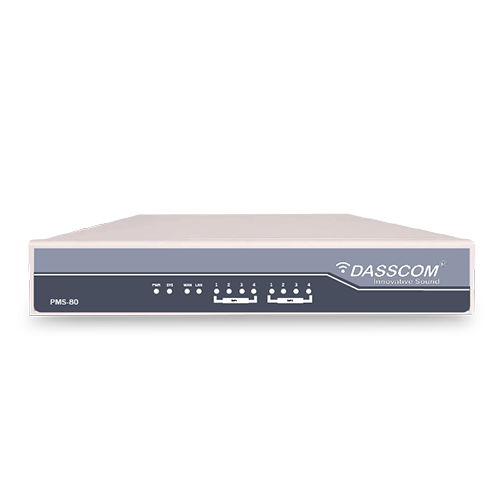 Paging Controller
 Outdoor Speakers
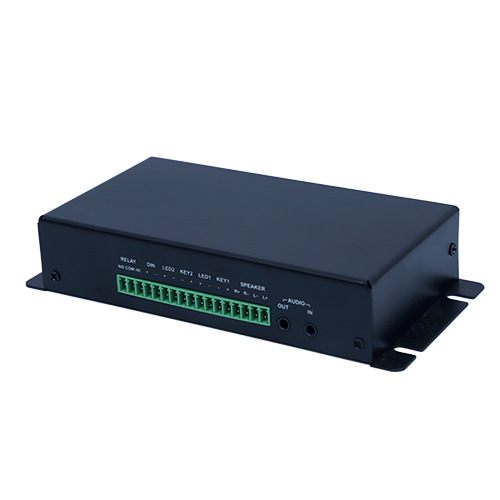 IP Amplifier & Gateway
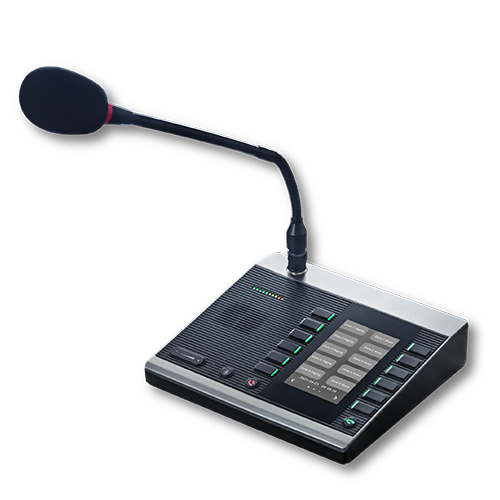 Paging Microphones
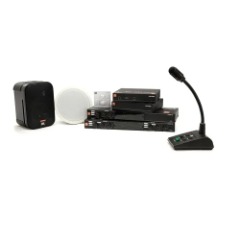
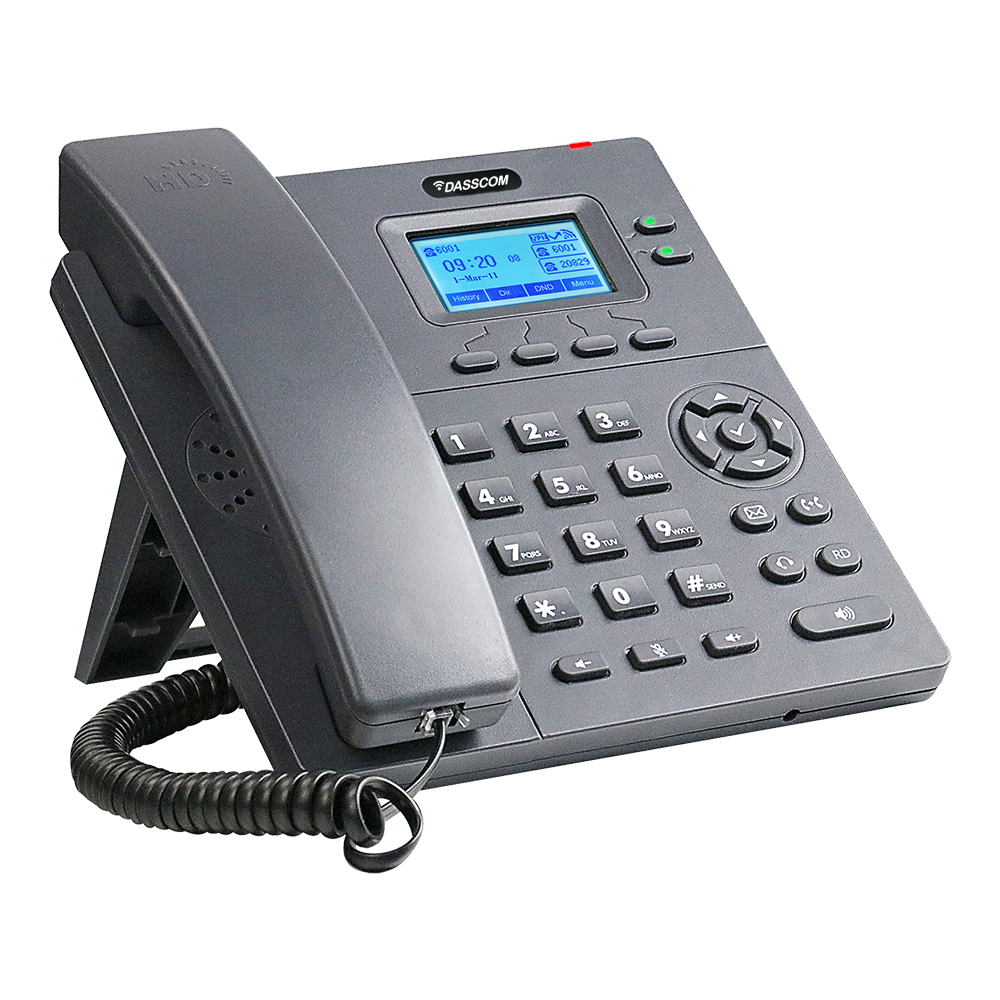 Basic IP Phones
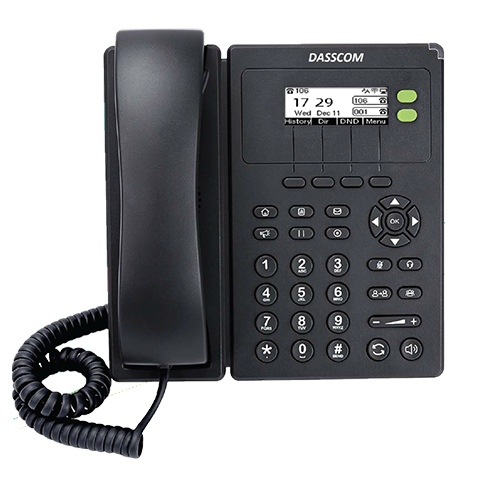 Wifi Phones
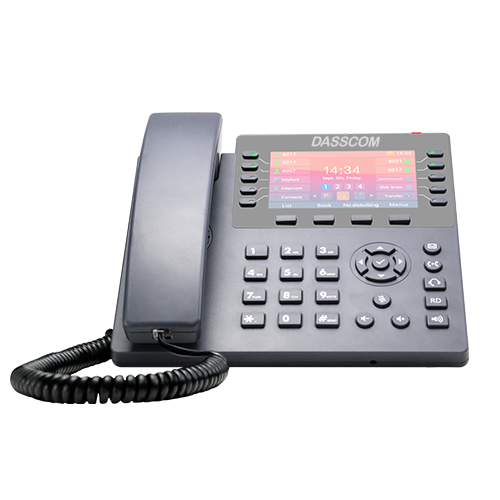 Executive IP Phones
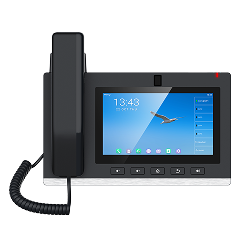 Video Phones
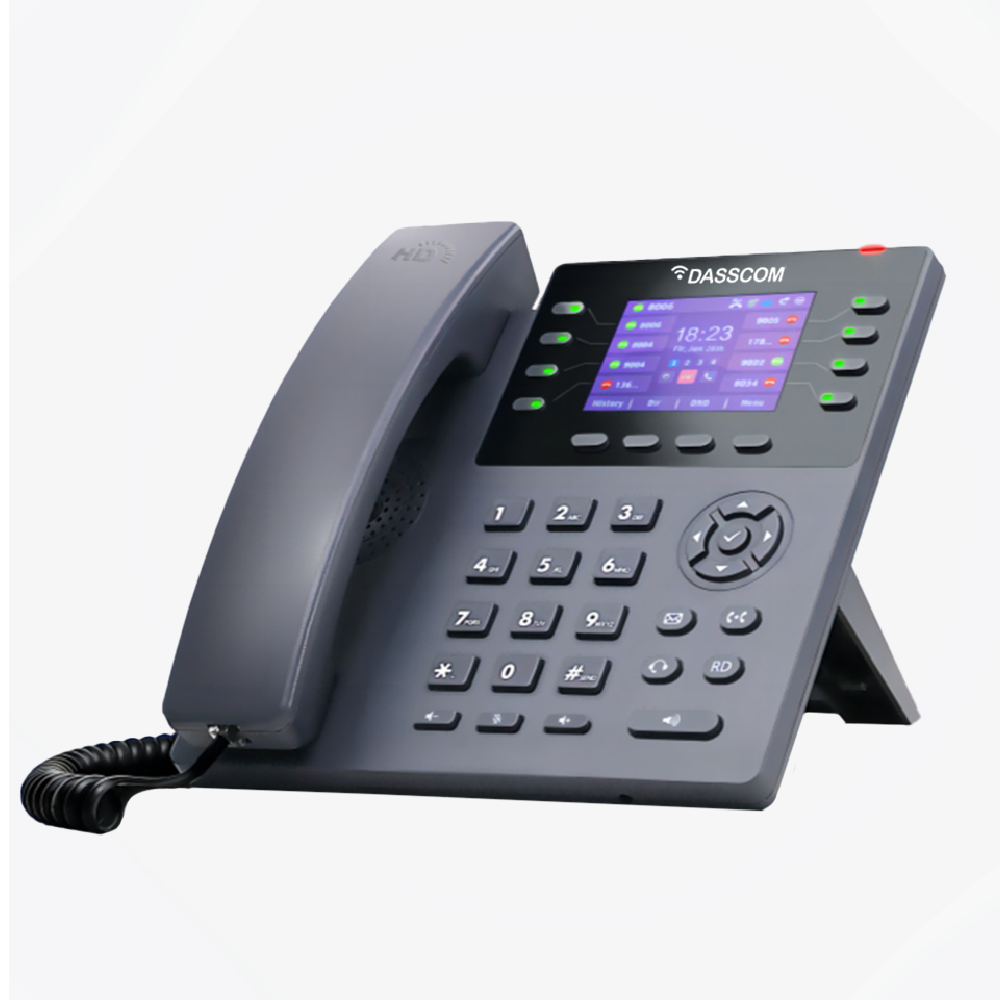
 Duc-series
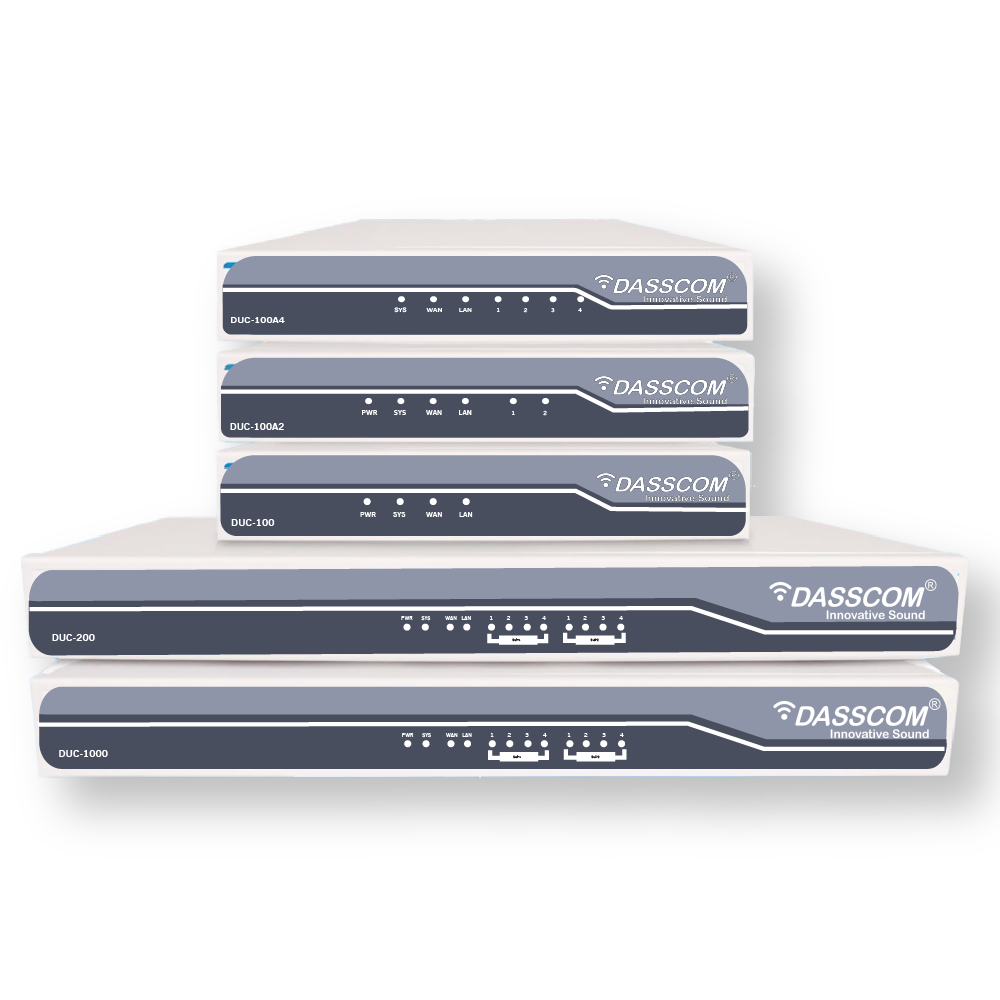
 FXS/FXO Gateways
 E1/T1 Gateway

 Unmanaged Switches
 Managed Switches
 Industrial Switches
 Access Points
 Safety Intercoms
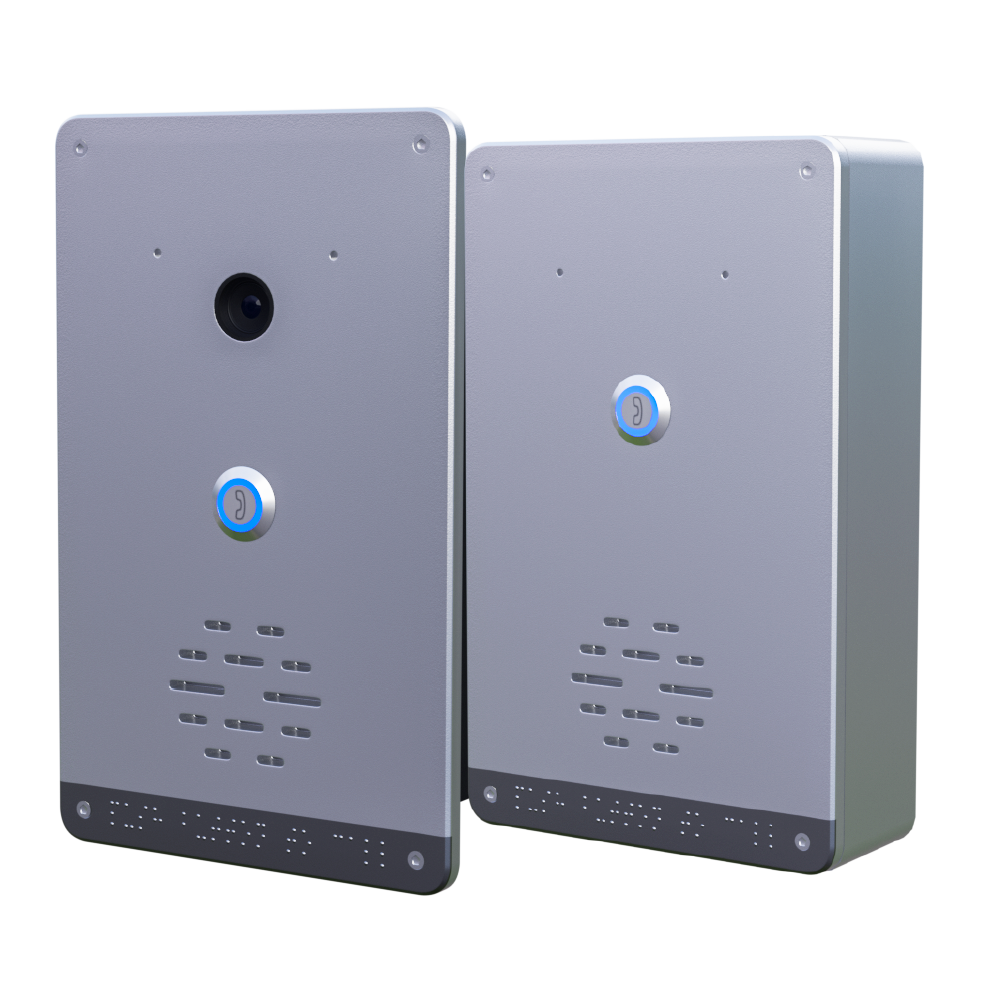
 Veda Series
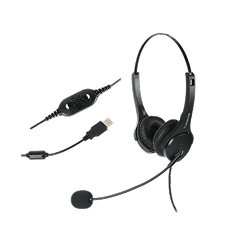 Divine Series
 Tatva Series
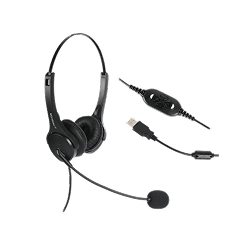
 VoIP Office
 Call Center Solutions
 Network Communications
 Public Safety
 Video & Security System
 Highway Communication
 Intercom System
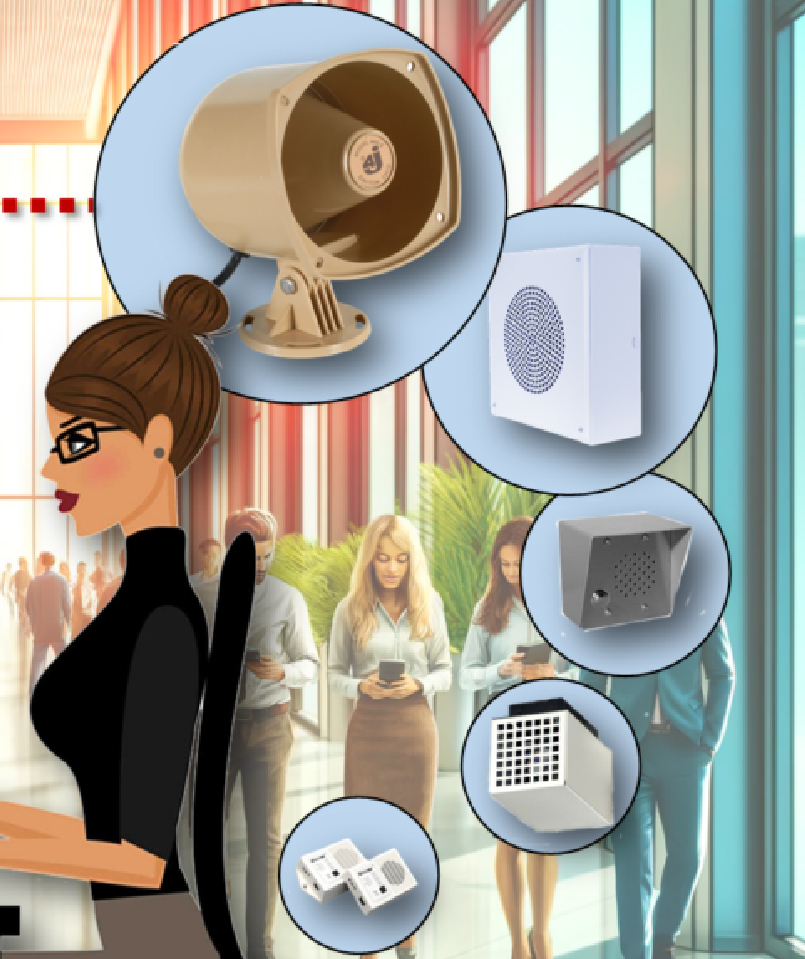 IP Paging Solutions

 Healthcare
 Hospitality
 School & Universities
 IT Office
 SMEs and SMBs
 Industries



 Public Address System
 VOIP Phones
 VOIP PBX
 VOIP Gateways
 Networking Solutions
 Call Center Headsets
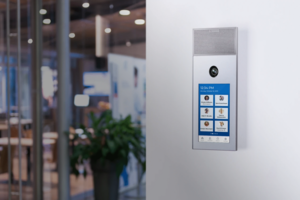 Emergency Intercom Stations


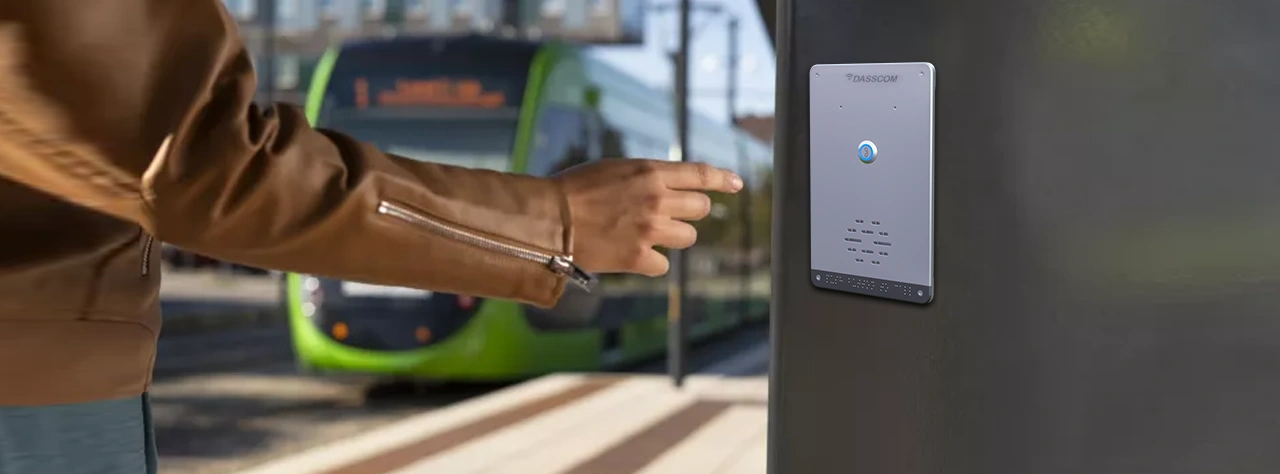
An effective intercom system has become a core component of modern communication infrastructure—whether in offices, commercial buildings, residential complexes, factories, hospitals, or public facilities. As organizations shift towards smart, secure, and connected environments, intercoms play a critical role in daily coordination, security management, emergency response, and workflow efficiency.
Today’s intercoms have evolved significantly. From simple audio communication panels, they have transformed into advanced IP-based platforms that support video intercom, wireless intercom, mobile connectivity, and VoIP integration. This evolution has made intercom solutions more reliable, scalable, and easier to deploy across large or distributed spaces.
In this guide, we explore the major use cases, benefits, and business applications of modern intercom technology—particularly for enterprises looking to deploy an office intercom system or a commercial intercom system that meets operational, security, and communication needs.
What Is an Intercom System and How Does It Work?
An intercom system is a communication platform that allows two-way voice—or voice and video—interaction between designated points. It typically consists of call panels, indoor stations, speakers, microphones, and a communication controller (analog or IP-based).
Modern intercoms include:
- Audio intercoms
- Video intercom systems
- Wireless intercom system solutions
- VoIP-enabled intercoms
- Commercial-grade intercoms for large buildings
These systems integrate into access control, CCTV, announcement systems, and workplace communication workflows, offering a centralized solution for both security and communication.
1. Office Intercom System: Enhancing Workplace Communication
An office intercom system improves real-time communication within teams, departments, and floors. It supports voice calling, paging announcements, emergency alerts, and secure entry management.
Where office intercoms are used:
- Reception-to-desk communication
- Entry verification and visitor screening
- Meeting room coordination
- Internal announcements
- Emergency communication
Benefits for offices:
- Faster collaboration
- Streamlined visitor management
- Improved safety
- Hands-free communication
- Seamless integration with VoIP and PBX
For modern workplaces adopting hybrid models, IP-based and wireless intercom solutions make deployment easier without heavy cabling.
2. Commercial Intercom System: Scalable for Large Facilities
A commercial intercom system is critical for facilities like malls, hospitals, warehouses, corporate campuses, hotels, and large industrial buildings. These environments require structured communication to maintain both operations and security.
Key use cases:
- Multi-zone announcements
- Staff coordination
- Access control integration
- Loading area communication
- Emergency and evacuation alerts
Commercial benefits:
- Supports large layouts
- Highly scalable architecture
- Consistent communication across departments
- Remote monitoring through IP networks
- Seamless integration with PA systems
Because commercial spaces deal with high foot traffic and sensitive operations, choosing wired or wireless intercom system models depends on infrastructure layout.
3. Wireless Intercom Systems: Flexible & Fast Deployment
A wireless intercom system is ideal for spaces where cabling is difficult or costly—such as heritage buildings, outdoor facilities, warehouses, schools, or large open areas.
Benefits of wireless intercom solutions:
- Quick installation
- No structural modifications needed
- Supports mobility
- Cost-effective for multi-building layouts
- Ideal for temporary or movable setups
The rise of Wi-Fi and IP-based communication has made wireless intercom options highly reliable, with low latency and secure encrypted channels.
4. Video Intercom Systems: Reinforcing Identity Verification
A video intercom adds face-to-face verification before granting entry or responding to an alert. This significantly enhances security for residential and commercial buildings.
Where video intercom is used:
- Building entrances
- Visitor lobbies
- Security checkpoints
- Hospitals and restricted areas
- Parking zones
Key advantages:
- Live video monitoring
- Accurate visitor verification
- Enhanced access control
- Reduced security risk
- Recording options for compliance
For businesses, integrating a video intercom with access control and CCTV creates a unified security environment.
5. VoIP Intercom Systems: Modern, Scalable & Network-Ready
A voip intercom connects directly to the organization’s IP network. This allows it to communicate with IP phones, softphones, mobile devices, and PBX systems without separate wiring.
VoIP intercom benefits:
- Centralized administration
- SIP-based calling
- Remote monitoring
- Easy scalability
- Integration with VoIP phone systems
VoIP-based intercoms also enhance intercom system for business environments by supporting cloud-based communication and multi-location connectivity.
Use Cases Across Different Industries
Modern intercom systems serve a wide range of use cases across various business sectors. Below are real-world examples:
Healthcare
- Nurse call points
- Emergency panic stations
- Restricted area access
- Bed-to-station communication
Education
- Classroom announcements
- Gate entry verification
- Playground surveillance communication
- Two-way emergency alerts
Retail & Malls
- Staff coordination
- Emergency alerts
- Store-to-storage communication
- Parking area interaction
Industrial Facilities
- Warehouse coordination
- Factory floor communication
- Operator-to-control-room contact
- Safety alerts and SOS points
Residential & Hospitality
- Apartment entry intercom
- Visitor verification
- Room-to-reception communication
- Security desk coordination
Top Benefits of Deploying an Intercom System for Business
A modern intercom system for business offers advantages that improve both security and operational efficiency.
- 1. Enhanced Workplace Security: Intercoms enable controlled entry, surveillance pairing, and real-time verification, reducing unauthorized access.
- Faster Internal Communication: Teams communicate instantly without relying on phones for every interaction.
- Better Emergency Response: During fire alarms, evacuation calls, or accidents, intercom points allow immediate communication with control rooms.
- Increased Productivity: Quicker decision-making and smoother coordination improve workflow efficiency.
- Scalability & Network Integration: IP and voip intercom systems scale easily as businesses grow.
- Cost Efficiency: Wireless and VoIP-based options reduce installation and maintenance costs substantially.
- Enhanced Visitor & Access Management: Video and audio verification ensure safer and more organized entry handling.