
 Indoor Speakers
 Paging Controller
 Outdoor Speakers
 IP Amplifier & Gateway
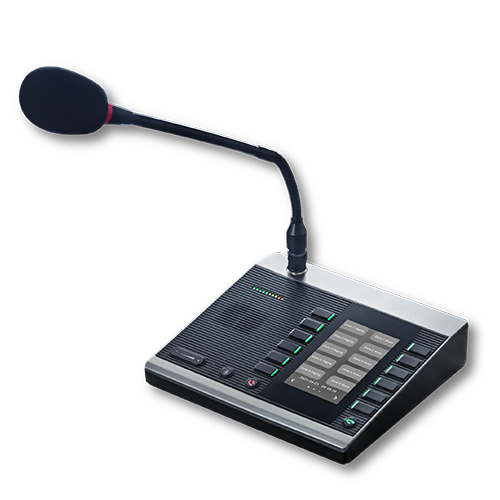 Paging Microphones
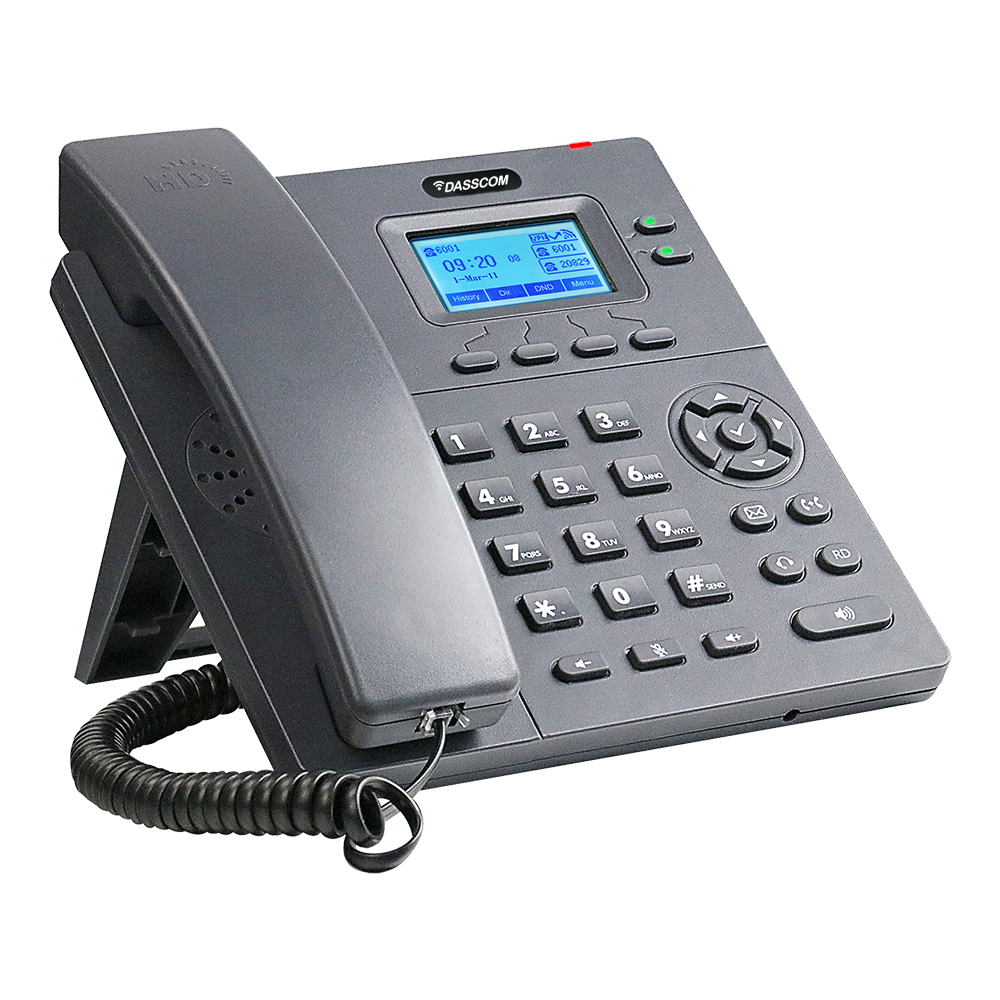 Basic IP Phones
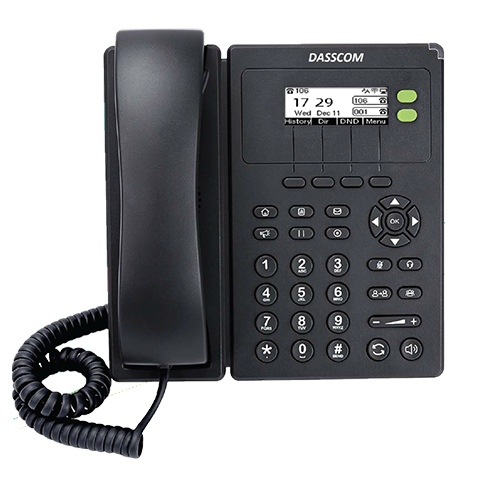 Wifi Phones
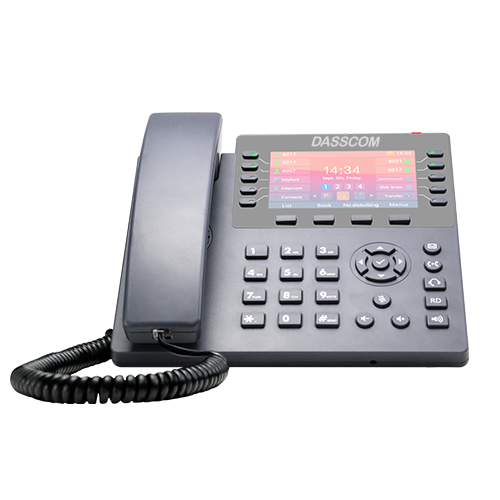 Executive IP Phones
 Video Phones
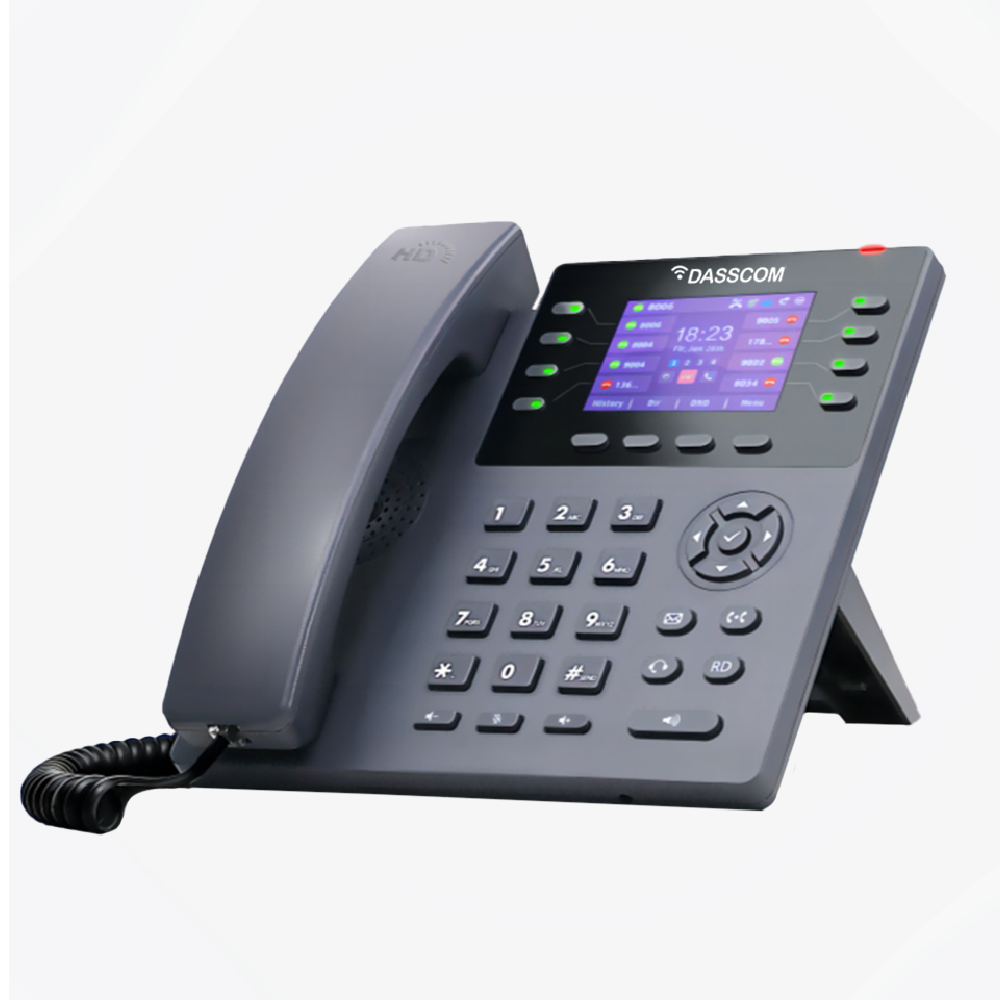
 Duc-series
 FXS/FXO Gateways
 E1/T1 Gateway

 Unmanaged Switches
 Managed Switches
 Industrial Switches
 Access Points
 Safety Intercoms
 Veda Series
 Divine Series
 Tatva Series
 VoIP Office
 Call Center Solutions
 Network Communications
 Public Safety
 Video & Security System
 Highway Communication
 Intercom System
 IP Paging Solutions

 Healthcare
 Hospitality
 School & Universities
 IT Office
 SMEs and SMBs
 Industries


 Public Address System
 VOIP Phones
 VOIP PBX
 VOIP Gateways
 Networking Solutions
 Call Center Headsets
 Emergency Intercom Stations


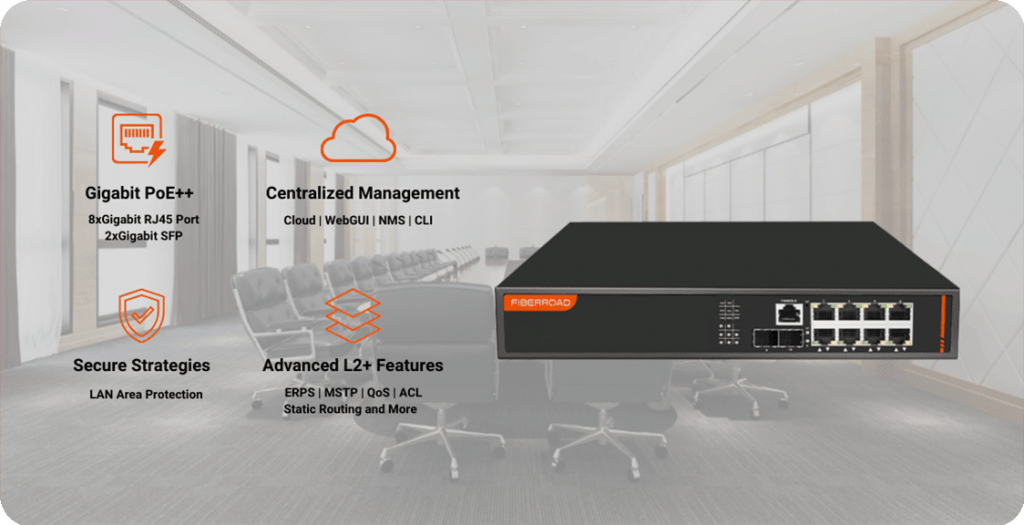
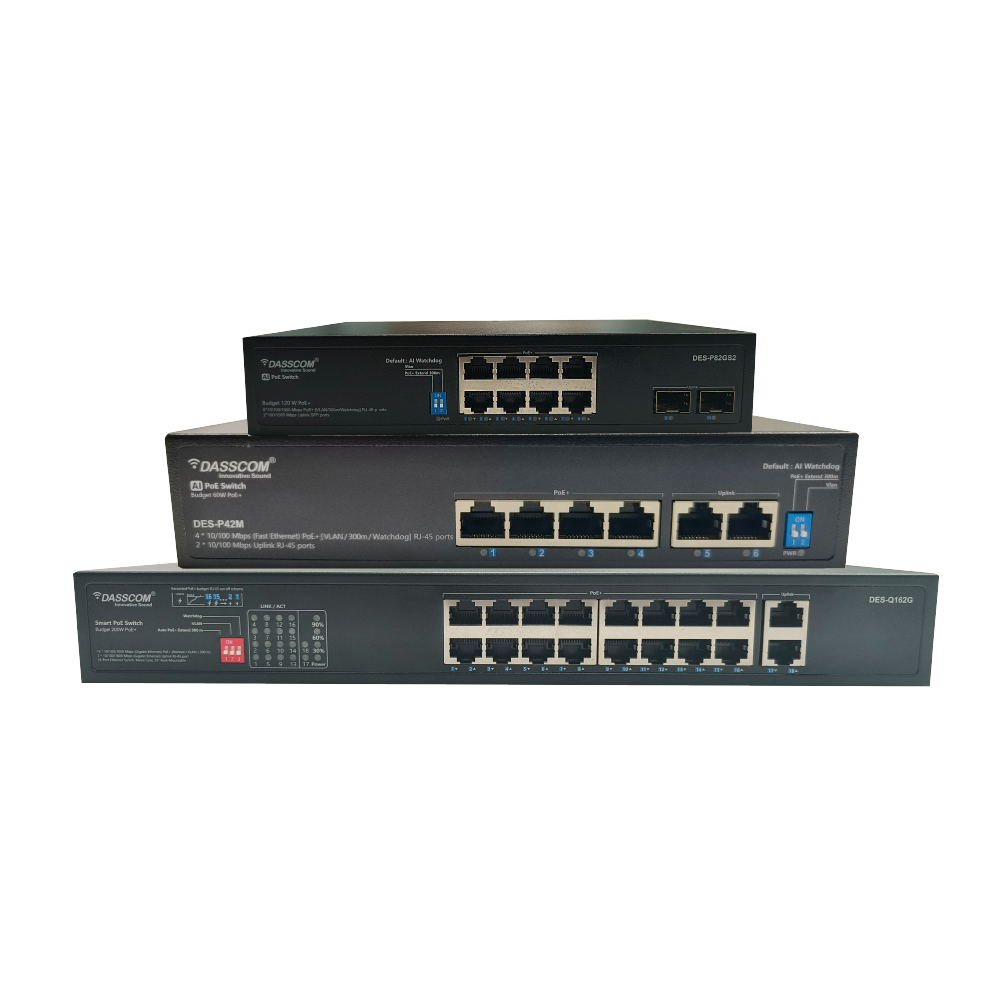
As businesses scale their digital operations, the network becomes the backbone of productivity, security, and growth. From IP phones and wireless access points to surveillance cameras and IoT devices, modern workplaces depend on reliable connectivity and power delivery. This is where a 24 port PoE switch becomes a strategic investment—especially when it’s a managed one.
In this blog, we’ll explore why upgrading to a 24 port managed switch is essential for performance-driven networks, how it compares to basic switching options, and why it’s increasingly preferred across enterprise and industrial environments.
Understanding the Role of an Ethernet Switch
An ethernet switch connects multiple devices within a local area network (LAN) and ensures data is delivered efficiently between them. Unlike hubs that broadcast data to all devices, switches intelligently forward traffic only where it’s needed—improving speed, security, and reliability.
As networks grow in size and complexity, the type of ethernet switch you choose directly impacts performance and scalability.
What Is a 24-Port Managed PoE Switch?
A 24 port PoE switch combines two critical functions:
- Connectivity – 24 Ethernet ports for connecting multiple devices
- Power over Ethernet (PoE) – Supplies power and data through a single cable
When paired with advanced management features, it becomes a managed network switch that offers control, visibility, and optimization across the network.
A 24 port managed switch is ideal for environments with:
- High device density
- Centralized IT management
- Growing bandwidth and power demands
Why 24 Ports Is the Sweet Spot for Businesses
For many organizations, 24 ports strike the perfect balance between capacity and cost. It supports current needs while leaving room for expansion.
Common devices powered and connected via a 24 port PoE switch include:
- IP phones
- Wireless access points
- IP cameras
- Access control systems
- IoT sensors
This makes it a versatile choice for offices, campuses, retail chains, and smart infrastructure projects.
A managed network switch provides:
- VLANs for network segmentation
- QoS for traffic prioritization
- Network monitoring and diagnostics
- Security controls and access policies
A 24 port managed switch allows IT teams to fine-tune performance and prevent issues before they affect users—something an unmanaged network switch simply cannot do.
Power and Data: The Advantage of PoE
PoE simplifies installations by eliminating separate power cables. With a 24 port PoE switch, devices receive both power and data through one Ethernet cable.
Key advantages include:
- Reduced cabling and installation costs
- Centralized power management
- Easier deployment of remote devices
- Cleaner, more organized infrastructure
For enterprises deploying VoIP, Wi-Fi, or surveillance, PoE-enabled switching is no longer optional—it’s essential.
Performance Optimization with a Managed Network Switch
A managed network switch enables intelligent traffic handling that improves user experience and application performance.
Key capabilities include:
- QoS (Quality of Service): Prioritize voice and video traffic
- VLANs: Separate departments or applications securely
- Monitoring: Identify bottlenecks and failures quickly
- Redundancy: Improve uptime with failover mechanisms
These features ensure consistent performance across all connected devices.
When Industrial Environments Demand More
In manufacturing plants, utilities, and transport infrastructure, networks face harsh conditions. This is where an industrial ethernet switch or industrial network switch becomes critical.
Compared to standard office switches, these are designed for:
- Wide temperature ranges
- Resistance to dust, vibration, and electrical noise
- Long operational life
For such use cases, a managed industrial switch offers both durability and advanced control—ensuring stable operations in mission-critical environments.
Enterprise vs Industrial Switching: Choosing the Right Fit
Not all networks require ruggedized hardware. However, understanding the difference helps in long-term planning.
- Enterprise deployments: Offices, campuses, retail → 24 port managed switch
- Harsh environments: Factories, utilities → industrial ethernet switch
- Critical infrastructure: Smart cities, transport → managed industrial switch
In many smart infrastructure projects, enterprises combine a 24 port PoE switch at the access layer with an industrial network switch in field locations.
Security Benefits of a Managed 24-Port Switch
Security threats don’t only come from outside the network. Internal risks such as unauthorized access or misconfigured devices can be just as damaging.
A managed network switch enhances security through:
- Port-based access control
- VLAN isolation
- Traffic monitoring and alerts
- Policy enforcement
These capabilities are absent in an unmanaged network switch, making managed solutions the safer choice for business-critical environments.
Scalability for Growing Networks
Growth is inevitable—new employees, devices, and applications are added constantly. A 24 port managed switch supports this growth without requiring a complete network overhaul.
Benefits include:
- Easy addition of new devices
- Centralized configuration and updates
- Support for higher bandwidth uplinks
- Compatibility with future technologies
This scalability makes it a future-ready investment.
Cost Efficiency Over the Long Term
While an unmanaged network switch may seem cheaper initially, it often leads to higher costs over time due to:
- Lack of visibility
- Increased downtime
- Manual troubleshooting
- Limited scalability
A 24 port PoE switch with management capabilities reduces operational costs by simplifying maintenance and improving reliability.
Real-World Use Cases
- Corporate Offices: Power IP phones and access points while managing traffic efficiently across departments.
- Education Campuses: Deploy PoE-powered devices with centralized control using a 24 port managed switch.
- Surveillance Networks: Support multiple IP cameras with reliable power and secure segmentation.
- Industrial Facilities: Combine access-layer switches with an industrial ethernet switch for rugged field deployments.
Final Thoughts
A 24 port PoE switch is more than just a connectivity device—it’s a foundation for modern, scalable, and secure networks. When equipped with advanced management features, a 24 port managed switch empowers organizations to optimize performance, support growth, and maintain control.
Whether you’re building an enterprise network or planning deployments that require an industrial network switch or managed industrial switch, choosing the right switching solution today ensures reliability and efficiency tomorrow.
Investing in the right ethernet switch is not just an IT decision—it’s a business strategy.