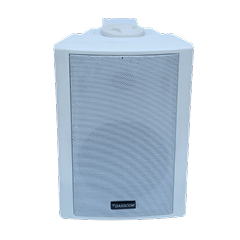
 Indoor Speakers
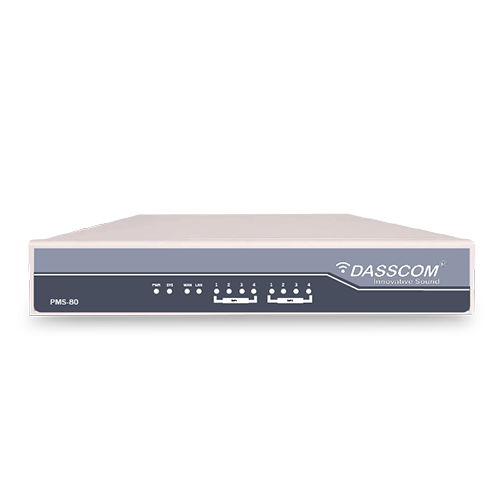 Paging Controller
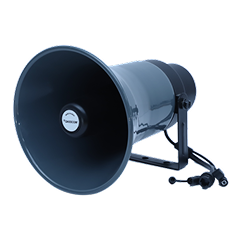 Outdoor Speakers
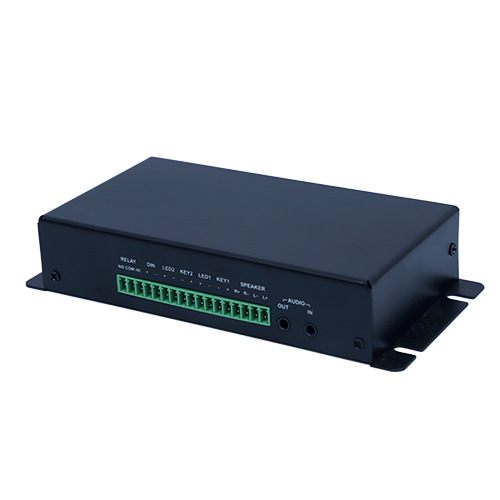 IP Amplifier & Gateway
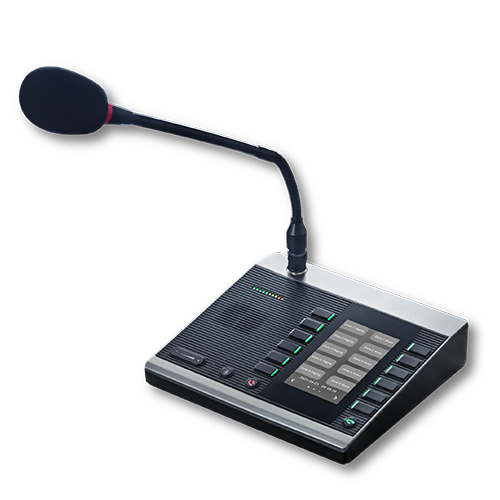 Paging Microphones
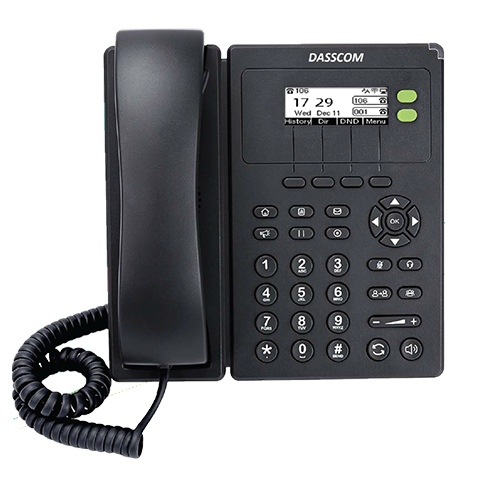
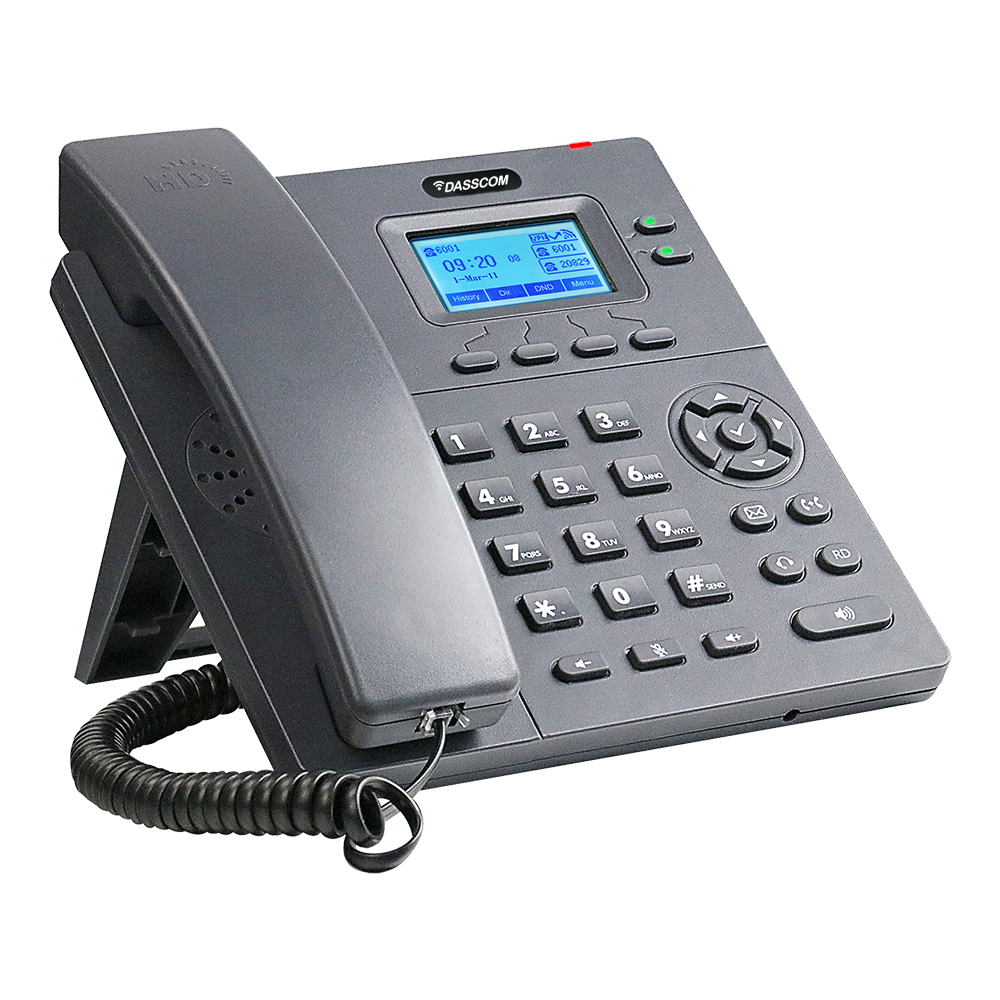 Basic IP Phones
 Wifi Phones
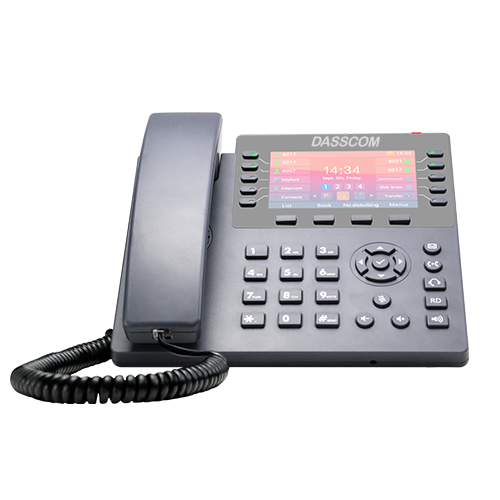 Executive IP Phones
 Video Phones
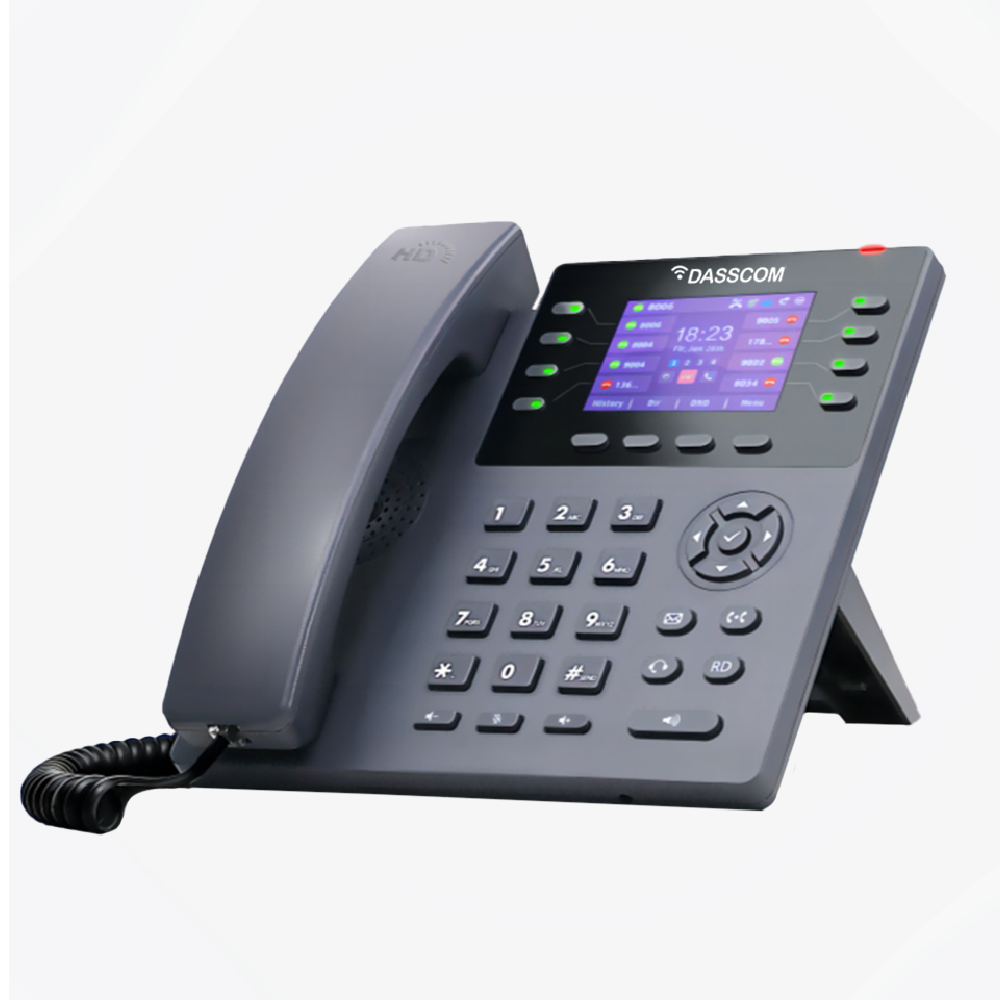
 Duc-series
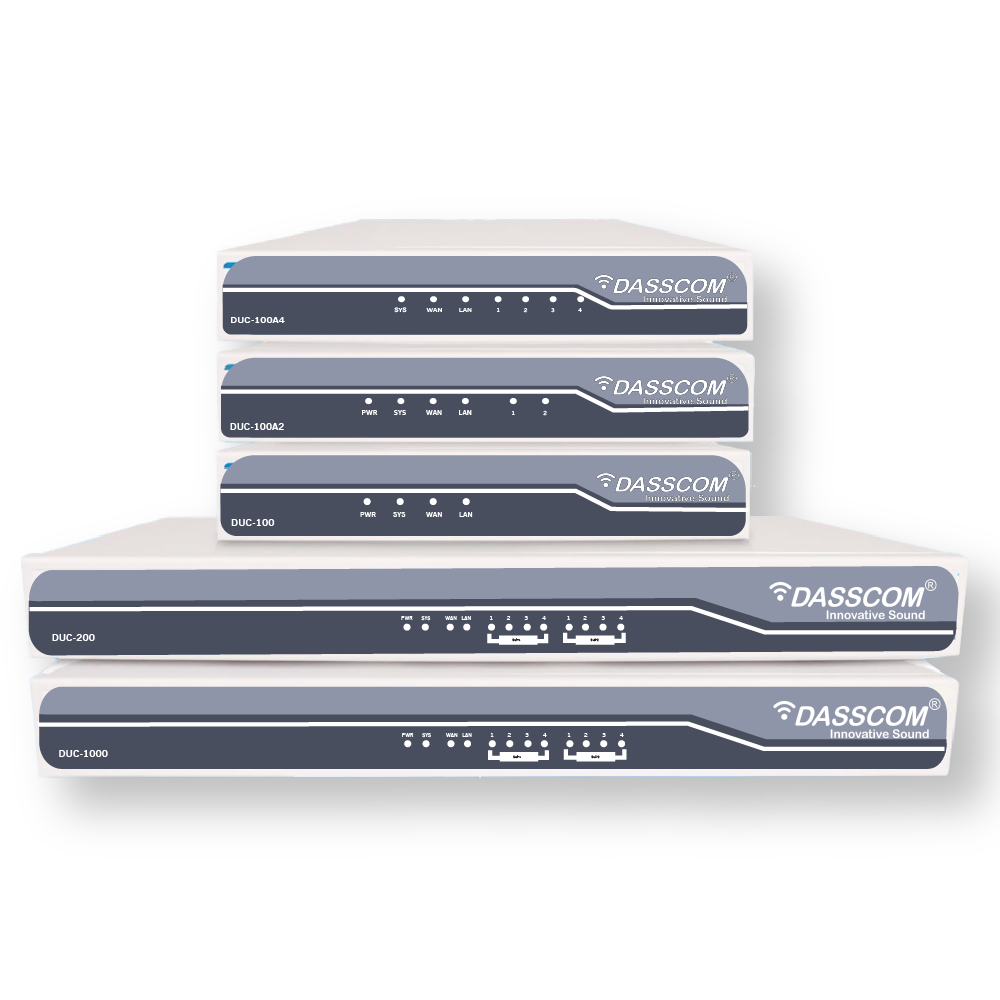
 E1/T1 Gateway

 Unmanaged Switches
 Managed Switches
 Industrial Switches
 Access Points
 Safety Intercoms
 Veda Series
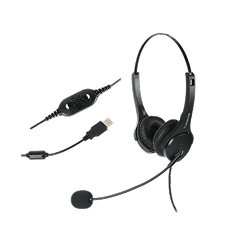 Divine Series
 Tatva Series
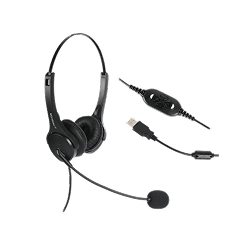
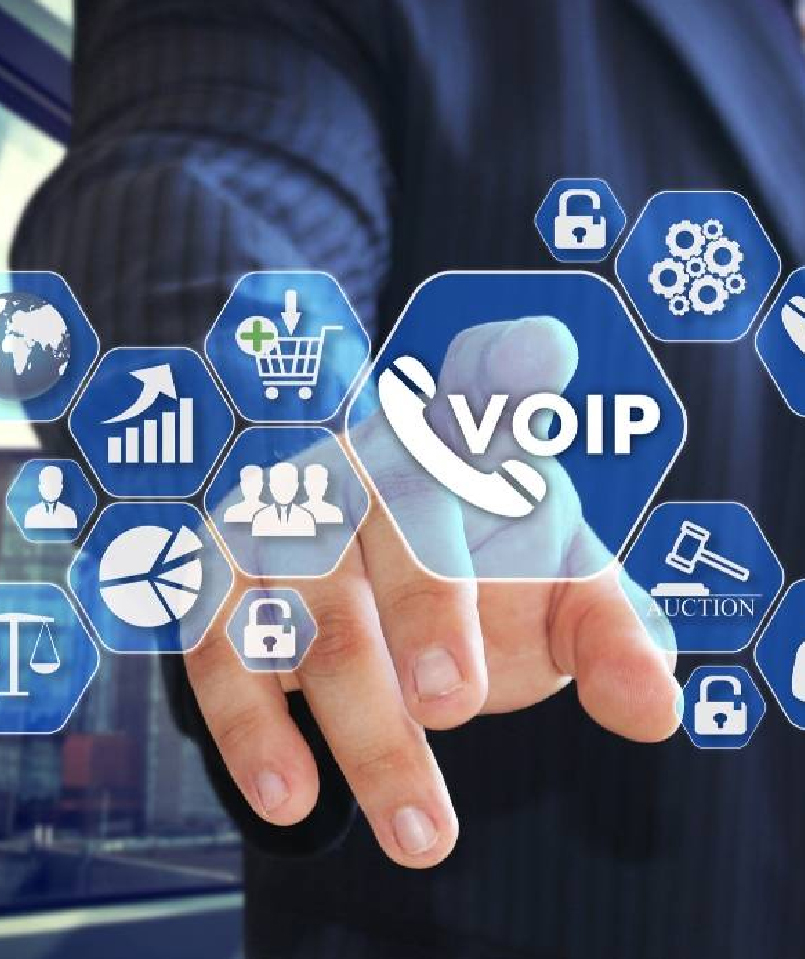 VoIP Office
 Call Center Solutions
 Network Communications
 Public Safety
 Video & Security System
 Highway Communication
 Intercom System
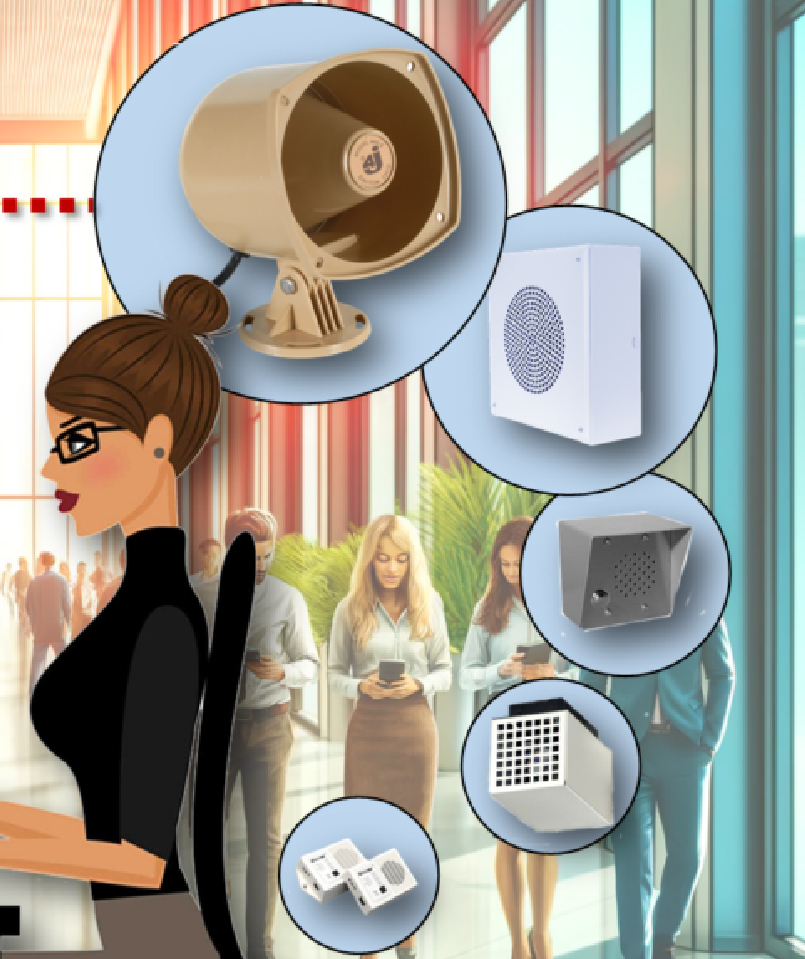 IP Paging Solutions

 Healthcare
 Hospitality
 School & Universities
 IT Office
 SMEs and SMBs
 Industries


 Public Address System
 VOIP Phones
 VOIP PBX
 VOIP Gateways
 Networking Solutions
 Call Center Headsets
 Emergency Intercom Stations


VoIP Gateways Explained: How They Work & Why They Matter
Many organizations still rely on legacy telephony lines, analog devices, or GSM connectivity. This is where a VoIP gateway plays a critical role by bridging the gap between traditional voice systems and modern IP networks. Learn more on how these VoIP Gateways work.
fffs
As businesses modernize their communication infrastructure, VoIP has become the foundation of cost-effective, scalable, and flexible voice communication. However, many organizations still rely on legacy telephony lines, analog devices, or GSM connectivity. This is where a VoIP gateway plays a critical role—bridging the gap between traditional voice systems and modern IP networks.
In this blog, we explain what VoIP gateways are, how they work, the different types available, and why choosing the best VoIP gateway is essential for reliable business communication.
What is a VoIP Gateway?
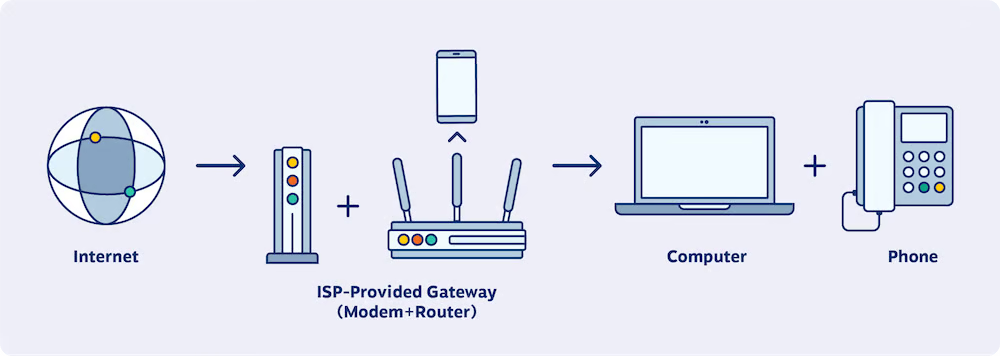
A VoIP gateway is a device that converts voice signals between traditional telephony networks (PSTN, analog, GSM) and IP-based VoIP systems. It allows businesses to connect legacy phones, PRI/FXO lines, or mobile networks to an IP PBX or cloud-based VoIP platform.
In simple terms, a VoIP gateway enables organizations to:
- Reuse existing telecom infrastructure
- Transition smoothly to IP-based calling
- Reduce communication costs
- Improve flexibility and scalability
How does a VoIP Gateway work?
A VoIP gateway acts as a translator between different communication technologies.
Step-by-Step Process
- 1. Voice Signal Capture: The gateway receives voice from analog, digital, or mobile networks
- 2. Signal Conversion: Voice is digitized and packetized into IP packets
- 3. Protocol Handling: SIP or other protocols manage call setup and routing
- 4. IP Transmission: Voice packets are transmitted over the IP network
- 5. Reverse Conversion: On the receiving end, packets are converted back into voice signals
A digital VoIP gateway ensures minimal latency, stable call quality, and reliable connectivity across hybrid environments.
Why VoIP Gateways matter for businesses
Many organizations cannot switch to VoIP overnight. A gateway enables gradual migration without service disruption.
Key business benefits include:
- Seamless integration with IP PBX systems
- Business continuity during network or ISP outages
- Cost optimization using least-cost routing
- Support for remote and multi-location operations
For enterprises, gateways are the backbone of hybrid communication strategies.
Dasscom Offerings
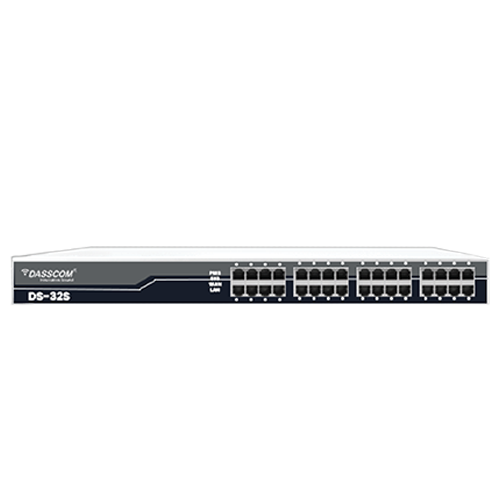
FXS/FXO Gateway
Dasscom’s FXS/FXO gateways bridge the gap between traditional analog systems and modern VoIP infrastructure.
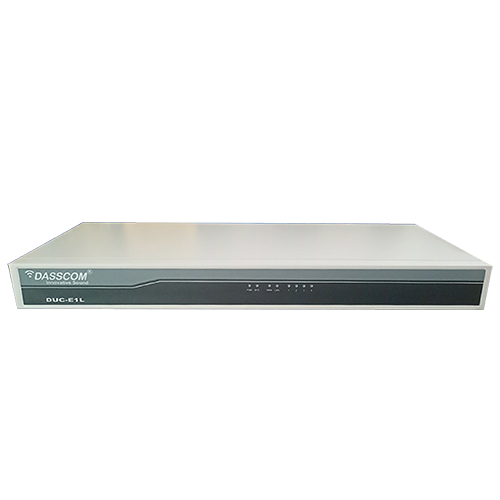
E1/T1 Gateway
Enterprise-grade PRI Gateway designed for seamless and high-quality transmission via E1/T1 ports
Types of VoIP Gateways explained
Digital VoIP Gateway
A digital VoIP gateway connects digital telecom lines such as PRI (E1/T1) with IP-based systems. It is widely used in enterprises with high call volumes.
Ideal for:
- Enterprises with PRI lines
- Call centers
- Large corporate offices
Digital gateways deliver high capacity, consistent quality, and centralized control.
FXO VoIP Gateway
An FXO VoIP gateway connects analog PSTN lines to VoIP systems. It is commonly used to retain existing landlines while adopting VoIP.
Key advantages:
- Uses existing analog lines
- Enables failover calling
- Reduces PSTN dependency
An FXO VoIP gateway is perfect for SMBs transitioning from analog telephony.
4G VoIP Gateway
A 4G VoIP gateway routes voice calls through cellular networks, making it ideal for locations with limited wired connectivity.
Best suited for:
- Remote offices
- Backup calling during ISP failures
- Mobile and temporary deployments
A 4G VoIP gateway ensures business continuity when fixed networks are unavailable.
8 Port VoIP Gateway
An 8 port VoIP gateway supports multiple simultaneous calls, making it suitable for growing businesses.
Use cases include:
- Small enterprises
- Branch offices
- Multi-extension setups
It balances capacity and affordability while offering reliable VoIP connectivity.
SIP VoIP Gateway
A SIP VoIP gateway uses SIP protocol to integrate seamlessly with IP PBX systems, softswitches, and cloud VoIP platforms.
Benefits include:
- Broad compatibility
- Flexible call routing
- Easy configuration
SIP-based gateways are essential for modern unified communication environments.
How to Choose the Best VoIP Gateway
Selecting the best VoIP gateway depends on your network, call volume, and connectivity requirements.
Key Considerations:
- Type of telecom lines (FXO, PRI, GSM)
- Number of concurrent calls
- Compatibility with IP PBX or cloud VoIP
- Redundancy and failover features
- Security and encryption support
A well-chosen gateway ensures long-term reliability and scalability.
VoIP Gateways and Cost Optimization
VoIP gateways help reduce communication expenses by allowing businesses to leverage their existing telecom lines while transitioning to IP-based calling. By enabling least-cost routing, they ensure calls are automatically directed through the most economical paths, significantly lowering local and international call charges. At the same time, VoIP gateways minimize the need for frequent hardware upgrades by extending the life of legacy infrastructure. Together, these benefits make VoIP gateways a strategic and cost-effective investment for organizations focused on optimizing communication budgets.
Security and Reliability
Modern gateways include:
- SIP authentication
- Firewall and access control
- Redundant routing options
- Real-time monitoring
These features ensure stable and secure voice communication.
Real-World Applications
- Enterprises: Hybrid VoIP + PSTN deployments
- Call Centers: High-volume digital VoIP gateway setups
- Remote Locations: 4G VoIP gateway connectivity
- SMBs: FXO and 8 port VoIP gateway deployments
Each use case highlights why gateways remain essential in modern networks.
Future of VoIP Gateways
As VoIP evolves, gateways are becoming smarter—supporting:
- Cloud integration
- Advanced analytics
- AI-driven routing
- Enhanced security protocols
The best VoIP gateway today is designed to adapt to tomorrow’s communication demands.
final Thoughts
A VoIP gateway is not just a connector—it’s a critical enabler of modern business communication. Whether you deploy a digital VoIP gateway, FXO VoIP gateway, 4G VoIP gateway, or an 8 port VoIP gateway, the right solution ensures flexibility, reliability, and cost efficiency.
Choosing the best VoIP gateway empowers businesses to modernize communication while protecting existing investments.
Frequently Asked Questions (FAQs)
What is a VoIP gateway used for?
A VoIP gateway connects traditional telecom networks with IP-based VoIP systems, enabling hybrid communication.
What is the difference between FXO and digital VoIP gateways?
An FXO VoIP gateway connects analog lines, while a digital VoIP gateway connects PRI/E1/T1 lines for higher capacity.
When should a business use a 4G VoIP gateway?
A 4G VoIP gateway is ideal for remote locations or as a backup during internet outages.
Is an 8 port VoIP gateway suitable for growing businesses?
Yes, an 8 port VoIP gateway supports multiple concurrent calls and is ideal for SMBs.
What makes a SIP VoIP gateway important?
A SIP VoIP gateway ensures compatibility with modern IP PBX and cloud VoIP platforms.
How do I choose the best VoIP gateway for my business?
Consider call volume, line type, redundancy needs, and system compatibility to select the best VoIP gateway.
Related Products
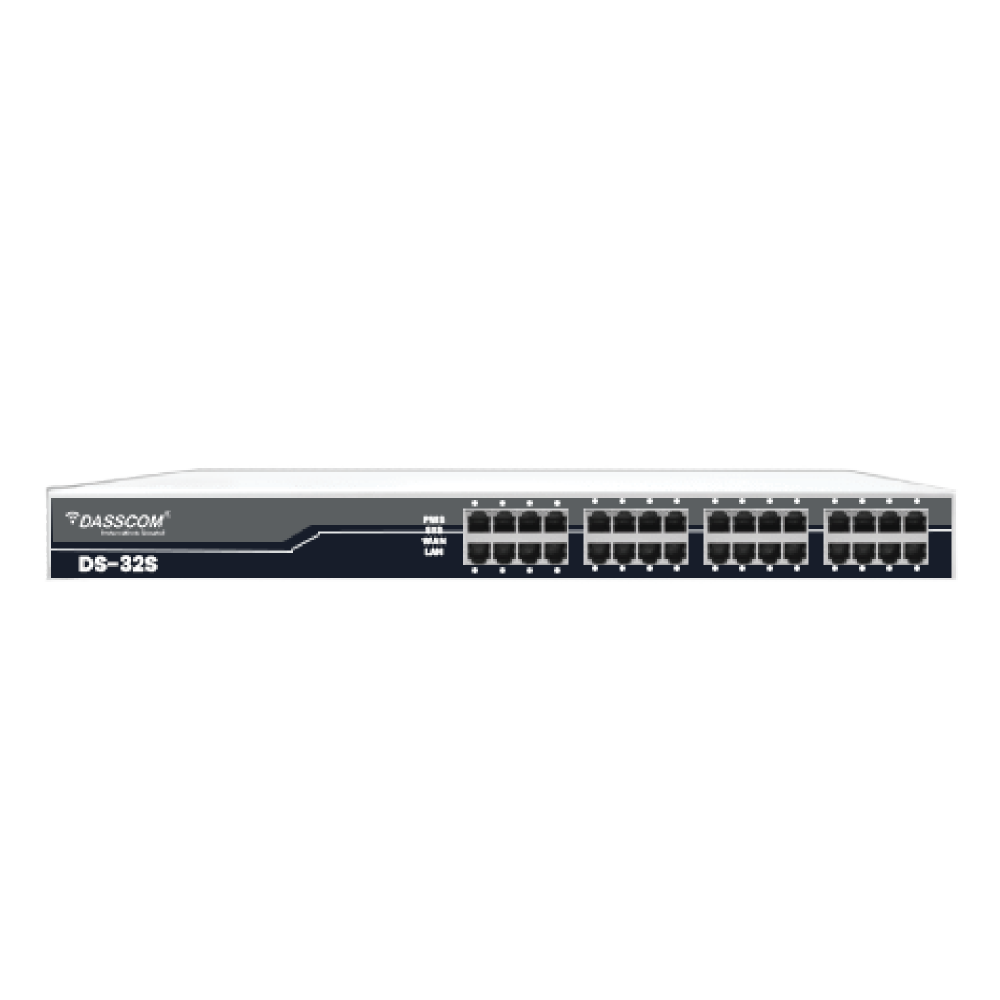
DS-32S
View Product
DUC-E1L
View ProductRelated Blogs
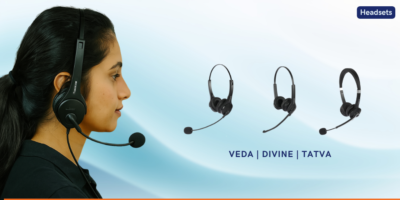
Best Noise Cancelling Headset for Call Centers: 2026 Buying Guide
Read More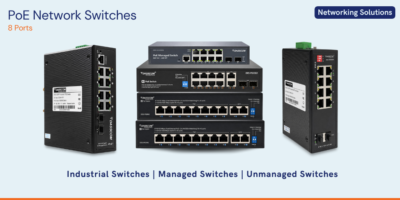
8 Port PoE Switch: Complete Guide for Small Networks & CCTV
Read More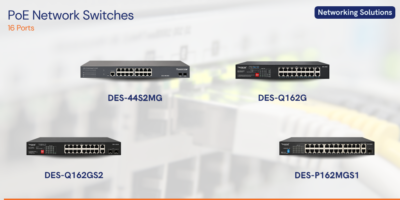
16 Port PoE Switch: How to Choose the Right Switch for CCTV & IP Cameras
Read More