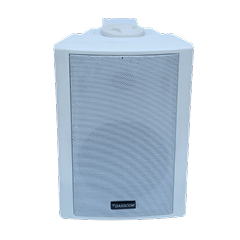
 Indoor Speakers
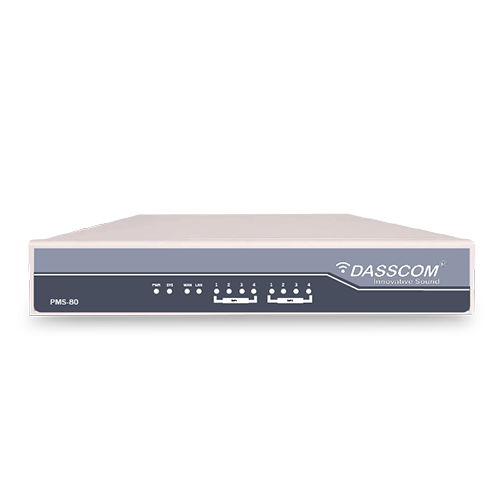 Paging Controller
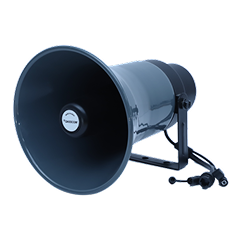 Outdoor Speakers
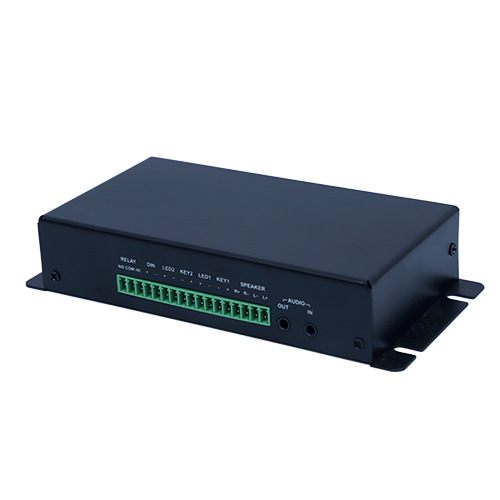 IP Amplifier & Gateway
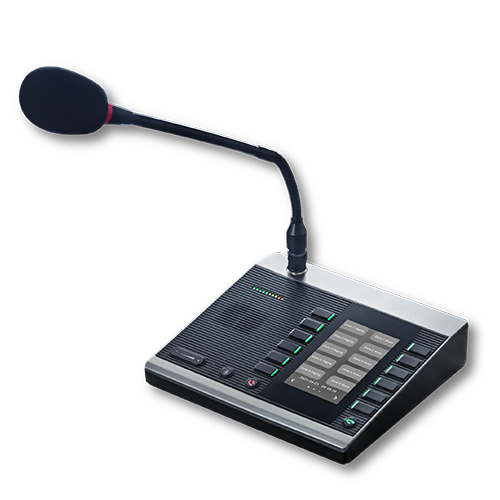 Paging Microphones
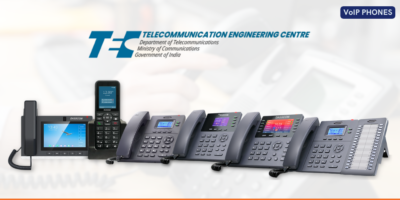
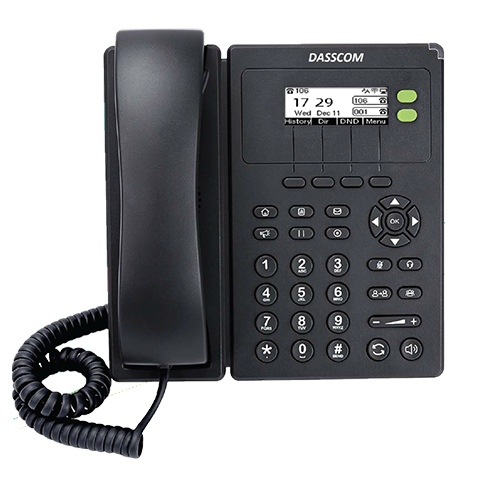
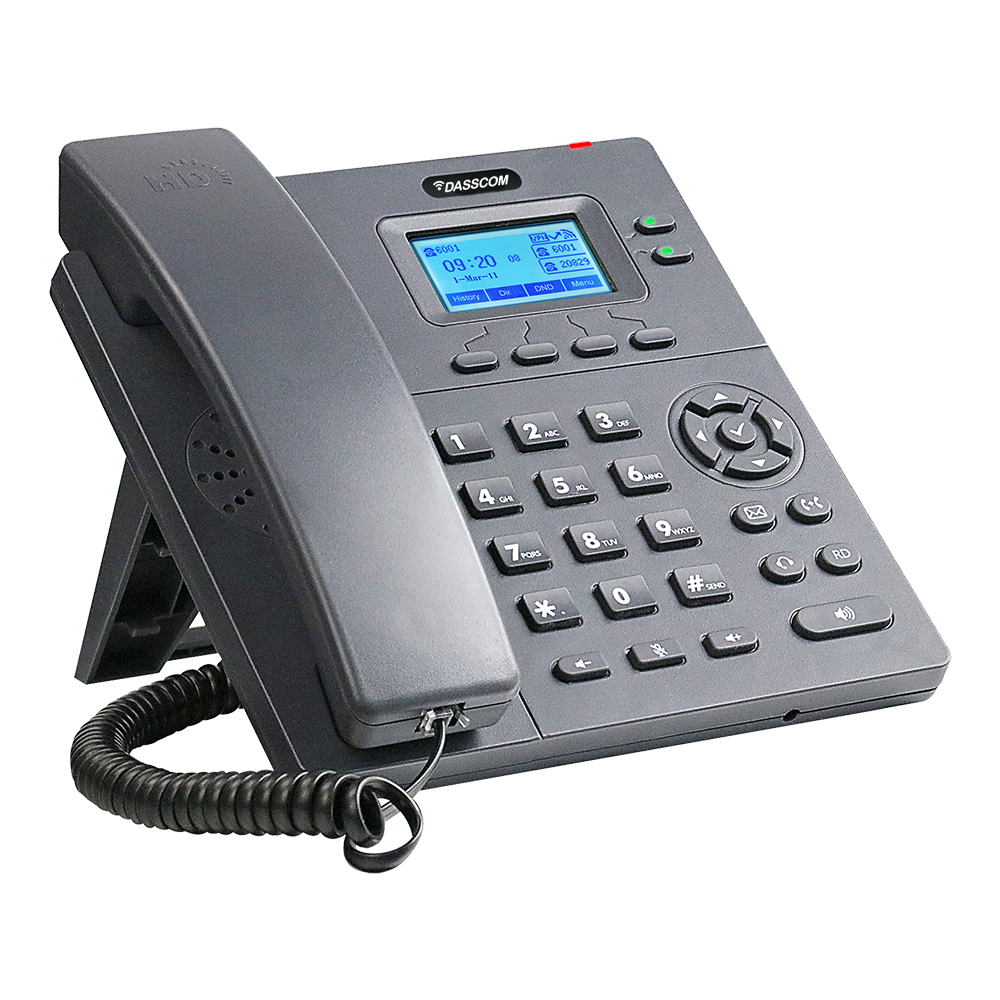 Basic IP Phones
 Wifi Phones
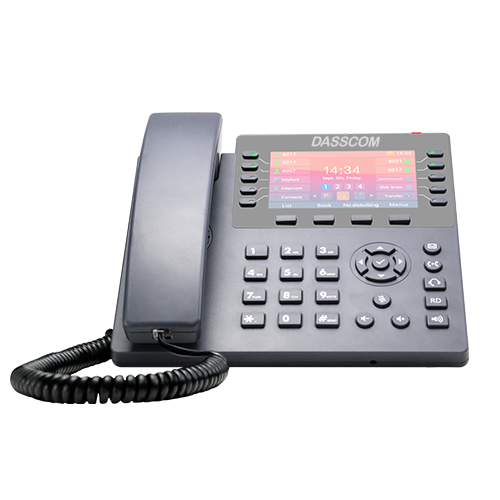 Executive IP Phones
 Video Phones
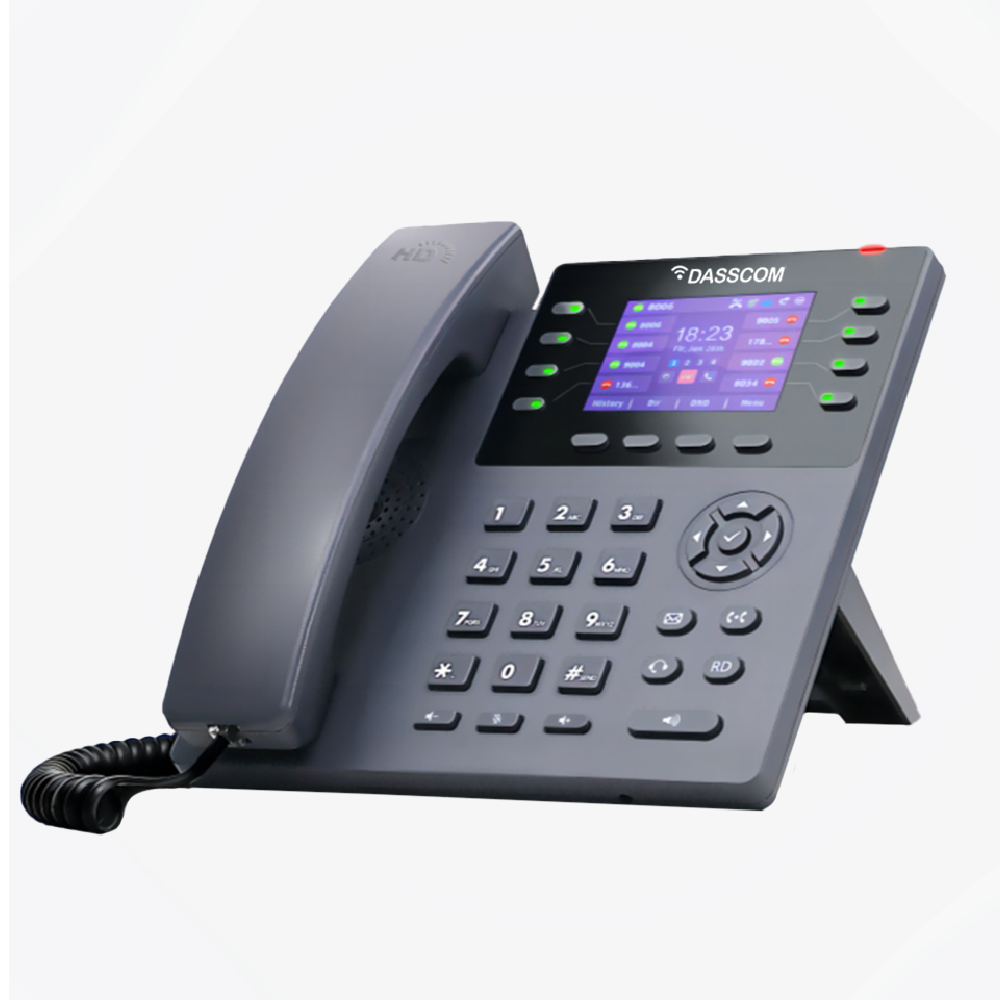
 Duc-series
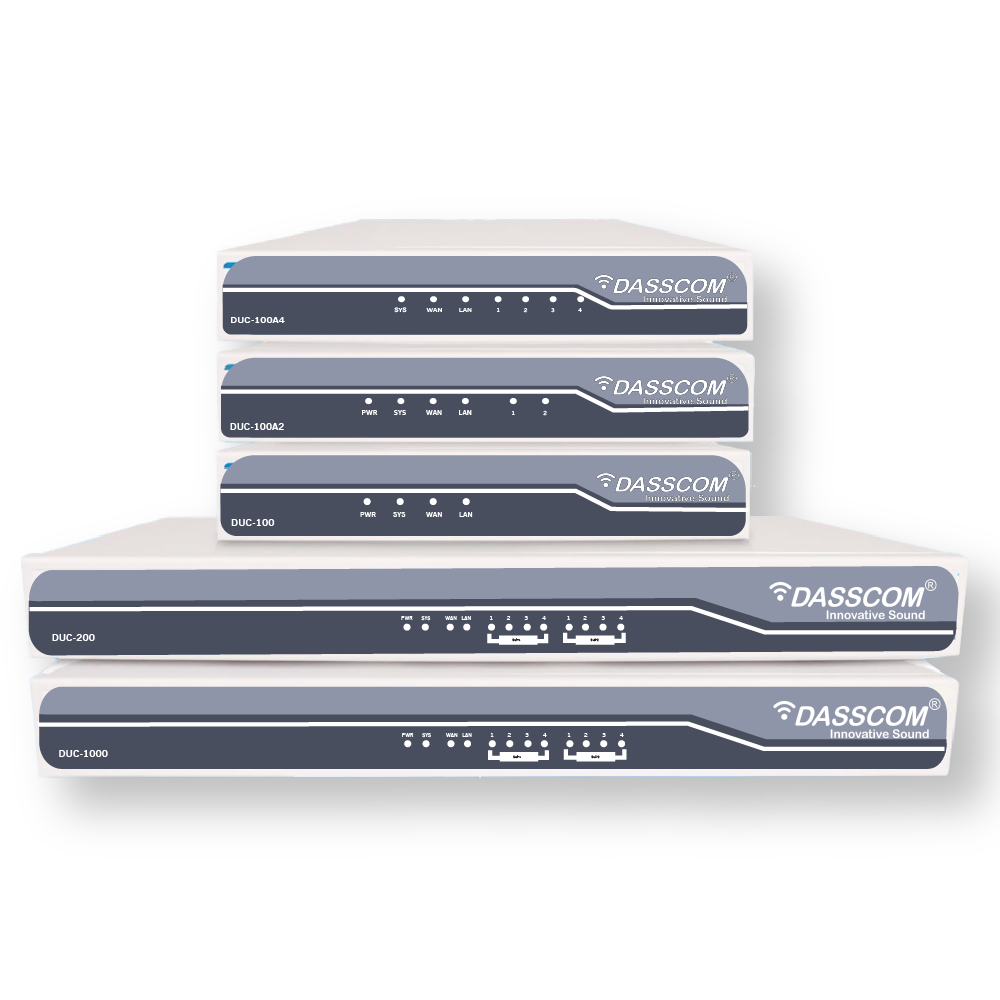
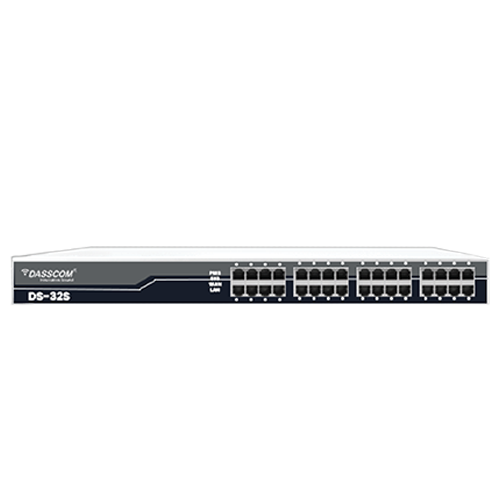 FXS/FXO Gateways
 E1/T1 Gateway

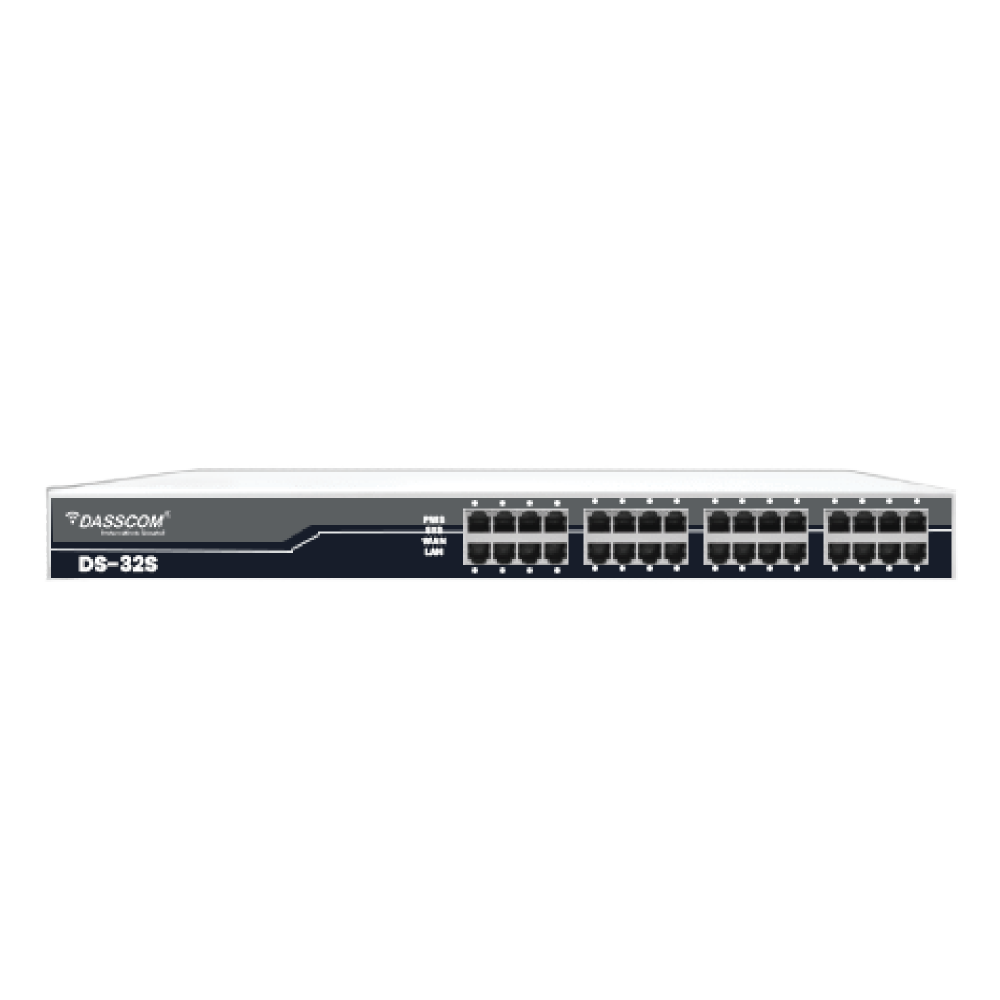
 Unmanaged Switches
 Managed Switches
 Industrial Switches
 Access Points
 Safety Intercoms
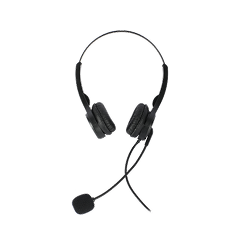 Veda Series
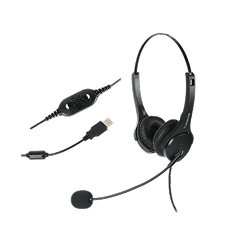 Divine Series
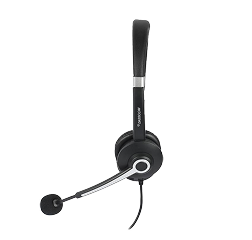 Tatva Series
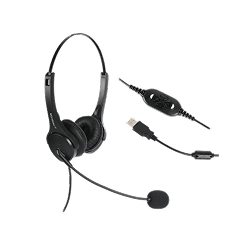
 VoIP Office
 Call Center Solutions
 Network Communications
 Public Safety
 Video & Security System
 Highway Communication
 Intercom System
 IP Paging Solutions

 Healthcare
 Hospitality
 School & Universities
 IT Office
 SMEs and SMBs
 Industries


 Public Address System
 VOIP Phones
 VOIP PBX
 VOIP Gateways
 Networking Solutions
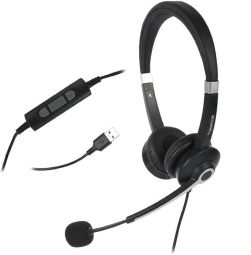
 Call Center Headsets
 Emergency Intercom Stations


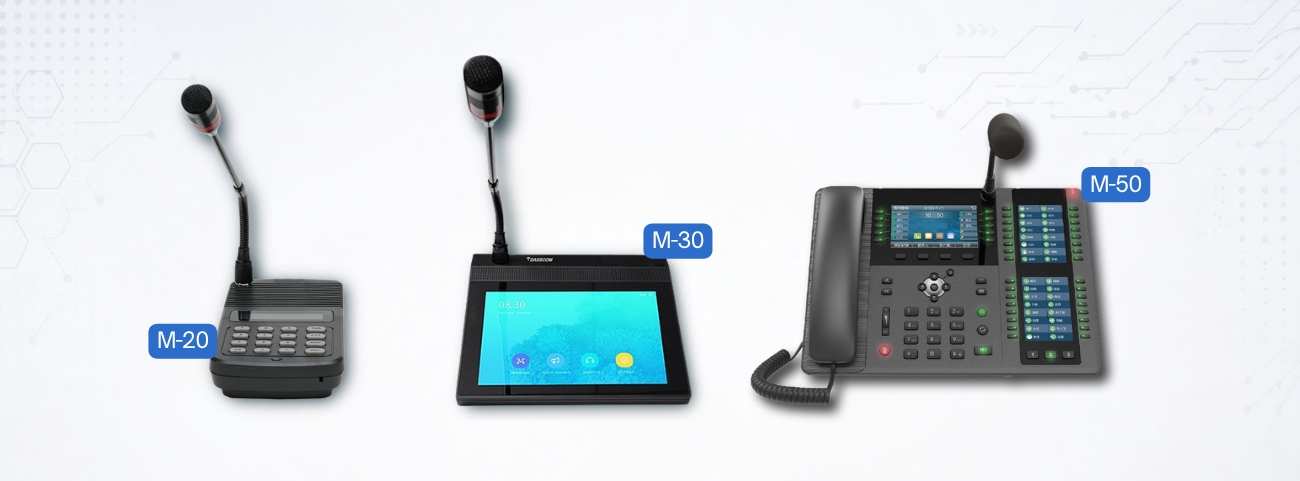
Paging Microphones Explained: Features, Types, and Benefits
Learn how paging microphones work, their key features, different types, and why they are essential for modern public address systems. Discover how IP-based paging improves communication, safety, and operational efficiency.
fffs
This is where paging microphones play a vital role. As the command center of a public announcement network, a paging microphone enables users to broadcast messages clearly and efficiently across designated zones or entire facilities.
What Are Paging Microphones?
- Live announcements
- Emergency notifications
- Zone-specific paging
- Background music control
- Intercom communication
How Paging Microphones Work
When a user speaks into the microphone, the audio signal is processed and transmitted through the communication infrastructure to connected speakers.
In contrast, modern IP-based systems convert voice into digital packets and transmit them through the network. This approach enables centralized control, better audio quality, and greater scalability.
An IP audio system allows organizations to route announcements to specific departments, floors, or facilities without requiring dedicated audio cabling.
Contact Sales
Types of Paging Microphones
- Traffic prioritization (QoS)
- VLAN segmentation
- Enhanced security controls
- Remote management
1. Analog Paging Microphones
These are traditional paging microphones connected directly to amplifiers and speaker systems.
- Small offices
- Retail stores
- Schools
- Warehouses
2. Network Paging Microphones
- Centralized management
- Remote paging
- Multi-zone control
- Better scalability
3. SIP Paging Consoles
A SIP paging system uses Session Initiation Protocol (SIP) technology to integrate paging with VoIP communication platforms.
- Direct paging from IP phones
- Integration with IP PBX platforms
- Multi-location communication
- Unified communication management
4. Wireless Paging Microphones
- Educational campuses
- Event venues
- Manufacturing facilities
- Warehouses
Essential Features of Modern Paging Microphones
Zone Selection
- Individual departments
- Specific floors
- Entire buildings
- Multiple sites
Programmable Function Keys
- Emergency announcements
- Frequently used zones
- Pre-recorded messages
- Music control
Scalability & Future Expansion Intercom Functionality
- Help point communication
- Security coordination
- Facility management interaction
Emergency Broadcasting
They can trigger:
- Fire evacuation announcements
- Emergency notifications
- Security alerts
- Crisis communication protocols
Benefits of an IP PA System
Unlike analog systems, an IP PA system uses existing network infrastructure to distribute audio across connected speakers.
- Scalability
- Centralized Management
- Improved Audio Quality
- Integration Capabilities
- IP PBX platforms
- Security systems
- Access control solutions
- Emergency notification systems
The Role of IP Speaker Systems
- Flexible deployment
- Zone-based communication
- Easy expansion
- Reduced cabling requirements
Why Businesses Choose PA Systems with Wireless Mic
- Greater mobility
- Faster response times
- Easier event management
- Reduced installation constraints
- Cloud-based network management
IP Audio Systems and Unified Communication
- Paging
- Intercom communication
- Background music
- Emergency notifications
- Security alerts
Applications of Paging Microphones
- Corporate Offices
- Educational Institutions
- Healthcare Facilities
- Transportation Hubs
For passenger information and operational announcements.
- Industrial Facilities
Future Trends in Paging Technology
- Cloud-managed paging
- AI-assisted announcements
- Mobile paging applications
- IoT integration
- Smart building communication systems
Final Thoughts
types of call center

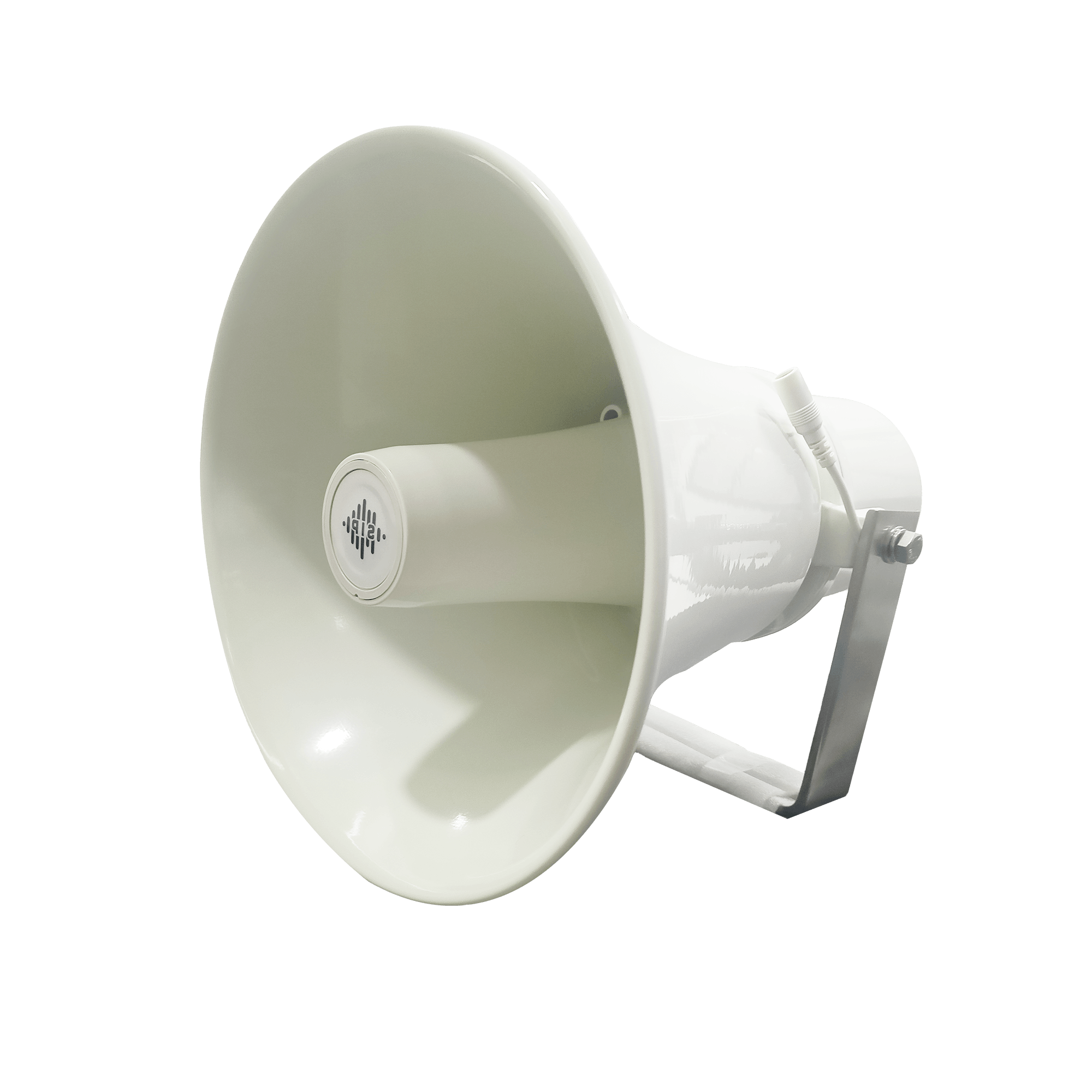
DS-15H
15 watt Horn speaker Support SIP IP 65 Rating Support BGM and announcement
DS-10C
10 watt Ceiling Speaker Support SIP PoE enabled Support BGM & announcement
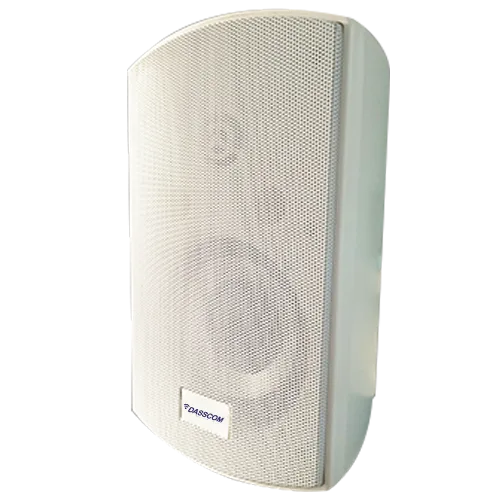
DS-15W
15 watt wall-mount speaker Support SIP PoE enabled Support BGM and announcement
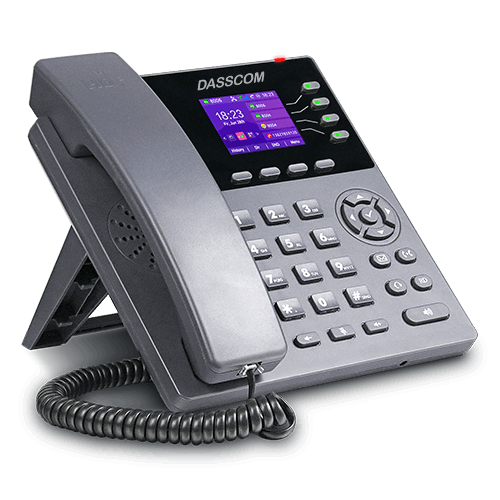
DXP-7200N
4 SIP Account PoE phone Colour Screen HD Voice
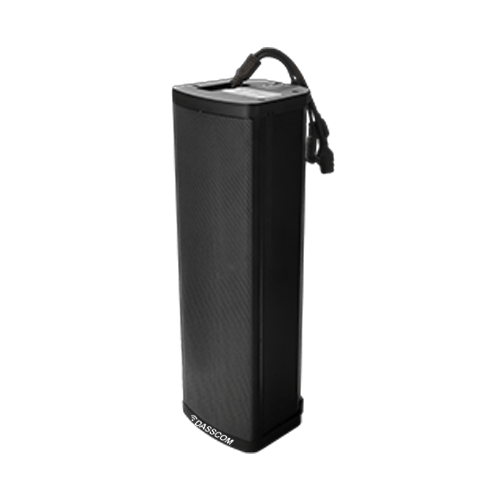
DS-30ECL
1.Built-in 30W amplifier, 2.Class D Amplifier
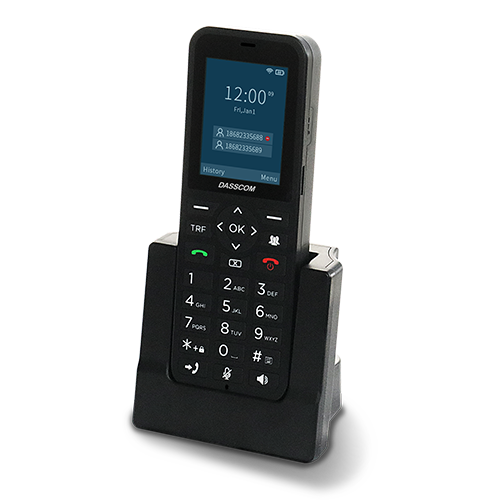
DW-100
2 SIP accounts Wi-fi Support Cordless Phone
Quick summary
See how Nextiva transforms the sales and support team productivity.
Frequently Asked Questions (FAQs)
1. What is a PA system microphone used for?
2. How does a PA system with mic work?
3. What are the advantages of a PA system with wireless mic?
4. What is an IP PA system?
5. How does an IP speaker system improve communication?
6. What is a SIP paging system?
7. Why are paging microphones important in emergency situations?
8. Can an IP audio system integrate with VoIP phones?
Related Products
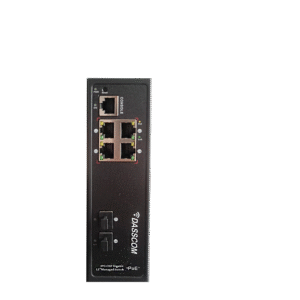
DES-22S2MG-IND
View Product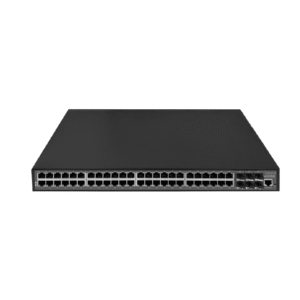
DES-412S6MG
View Product
DES-42S2MG
View Product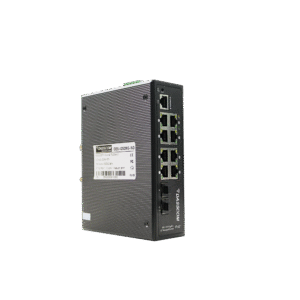
DES-42S2MG-IND
View ProductRelated Blogs

Best Noise Cancelling Headset for Call Centers: 2026 Buying Guide
Read More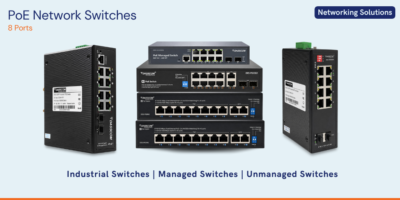
8 Port PoE Switch: Complete Guide for Small Networks & CCTV
Read More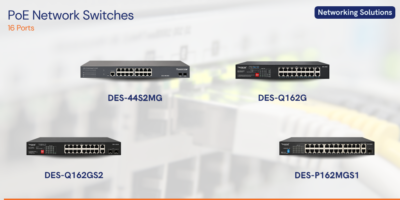
16 Port PoE Switch: How to Choose the Right Switch for CCTV & IP Cameras
Read More