Unlike conventional telephone systems that depend primarily on dedicated telephone infrastructure, VoIP systems use an organization’s existing IP network to carry voice traffic. This allows businesses to introduce advanced calling features, connect offices across locations, and expand communication capabilities as they grow.
For organizations evaluating voip phones for business, the decision is therefore not simply about replacing desk phones. It is about creating a communication environment that is flexible, scalable, manageable, and suitable for modern workflows.
A VoIP phone system is a business communication solution that transmits voice calls over an internet protocol network instead of relying exclusively on traditional telephone infrastructure. A voip phone connects to an IP network and communicates with an IP-PBX, hosted PBX, or compatible VoIP service to establish calls.
The system can support conventional office calling while also providing capabilities such as call transfer, conferencing, voicemail, call forwarding, speed dialing, multiple extensions, and centralized administration.
A typical VoIP environment consists of IP phones, network infrastructure, an IP-PBX or hosted communication platform, and a suitable VoIP service. Depending on the deployment, businesses can operate the system on-premises, through cloud infrastructure, or using a combination of both.
The basic principle is straightforward. When a user speaks into a VoIP handset, the voice signal is converted into digital data. The system then sends that data across the IP network to the intended destination. At the receiving end, the digital information is converted back into audio so that the other person can hear the conversation.
The communication can take place within the same office, between branch offices, or between employees and external callers. Because the system uses IP networking, organizations can connect communication endpoints across locations without necessarily maintaining separate telephone infrastructure at every site.
A properly configured network is important for reliable VoIP communication. Bandwidth, latency, packet loss, Quality of Service, security, and network availability can all influence the calling experience.
Modern VoIP platforms provide considerably more functionality than basic voice calling. The exact feature set depends on the phone, PBX platform, and service provider, but businesses can typically access a wide range of communication capabilities.
Many business IP phones support multiple SIP accounts and lines. This allows users to manage different extensions, departments, or communication identities from one device.
For executives, receptionists, sales teams, and customer-facing employees, multi-line functionality can simplify call handling and reduce the need for multiple physical devices.
Voice clarity is particularly important in business communication. Modern VoIP phones can support HD audio codecs and advanced acoustic technologies to deliver clearer conversations.
This becomes especially valuable for customer service teams, conference calls, sales discussions, and internal collaboration where misunderstandings can affect productivity.
Benefits include:
VoIP systems can provide features such as call transfer, call forwarding, call hold, call waiting, speed dial, voicemail, and conference calling. These capabilities help employees manage calls more efficiently and create a more professional communication experience.
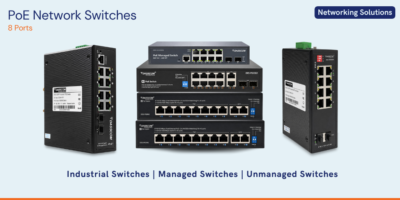
Many business IP phones support Power over Ethernet (PoE), allowing power and network connectivity to be delivered through a single Ethernet cable. This can simplify installation and reduce cable clutter around workstations.
Some modern phones support Wi-Fi, enabling greater flexibility where wired connectivity is inconvenient or where employees need mobility within a defined network environment.
One important benefit is easier expansion. Adding a new employee or extending communication to another department can often be accomplished through software configuration and network connectivity rather than extensive telephone cabling.
VoIP also supports distributed work environments. Employees can use compatible devices and extensions across different offices or locations, helping organizations maintain a consistent communication structure as their workforce becomes more geographically distributed.
Centralized management is another advantage. IT teams can configure extensions, manage users, apply security policies, and monitor communication infrastructure from a central platform, depending on the chosen PBX and phone ecosystem.
The modern workplace increasingly includes employees working from different locations. Traditional telephone systems can make distributed communication more complicated, whereas IP-based communication can provide greater flexibility.
A user can potentially access their business extension from an IP phone, softphone, or supported mobile endpoint depending on the organization’s system configuration.
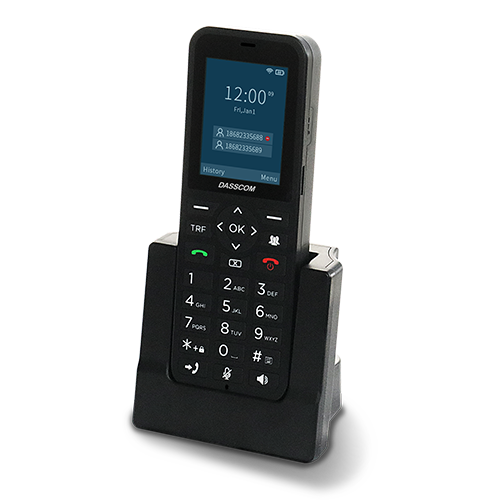
Wireless devices can also provide mobility within an office or facility. A wireless voip phone can allow employees to remain connected while moving between work areas, provided the wireless network is appropriately designed.
For hybrid organizations, this flexibility can help maintain consistent business communication without requiring every employee to remain tied to a fixed desk.
The cost of a VoIP phone system varies considerably depending on the size and requirements of the deployment. There is no single price that applies to every business.
The overall investment may include IP phones, PBX infrastructure, licenses, SIP or VoIP services, network upgrades, installation, configuration, maintenance, and support.
Entry-level deployments may require only a small number of phones and a suitable communication platform. Larger enterprises may need hundreds of endpoints, redundant infrastructure, advanced security, multiple locations, call center functionality, and centralized management.
Businesses should therefore evaluate the total cost of ownership rather than considering only the purchase price of the phone.
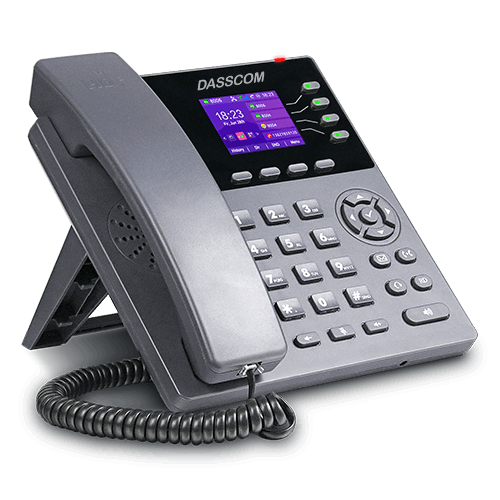
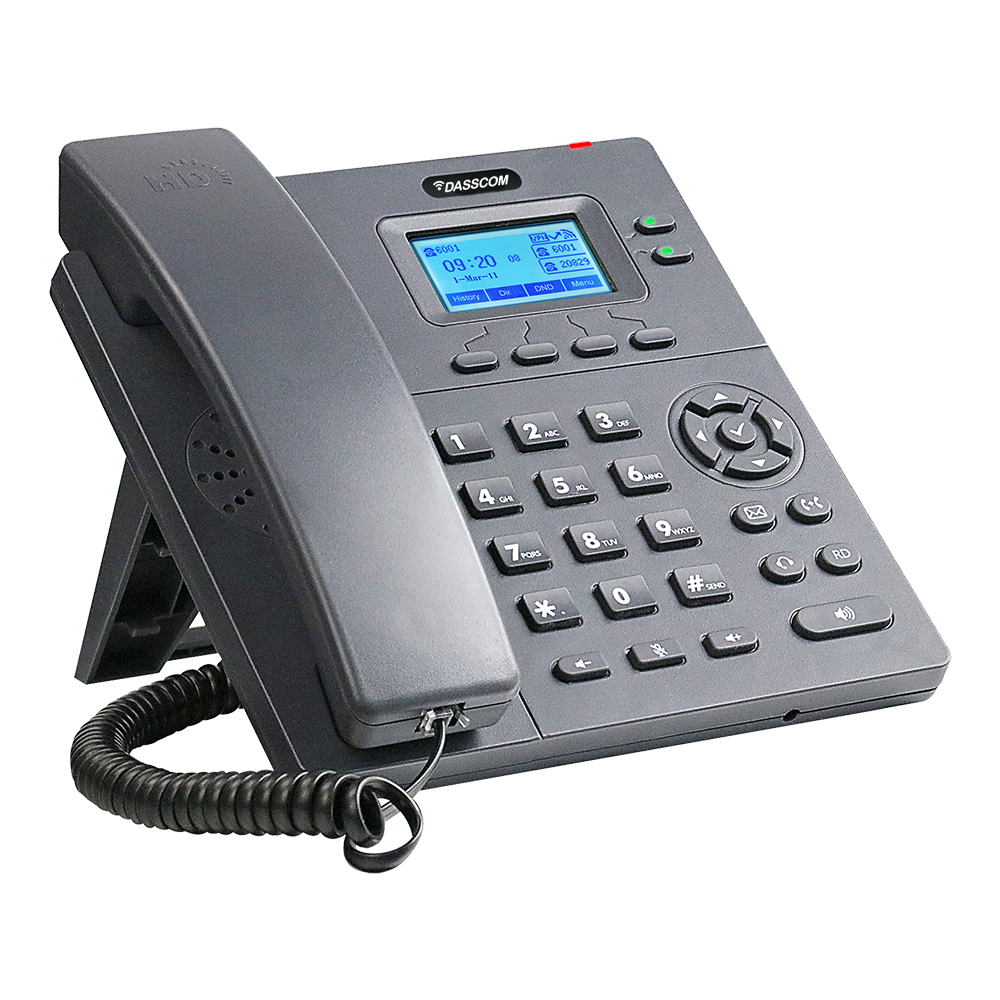
The right phone depends on the employee’s role and communication requirements. A basic desk phone may be sufficient for employees who primarily make and receive routine calls, while executives or high-volume users may benefit from multiple SIP accounts, programmable keys, larger displays, and advanced connectivity.
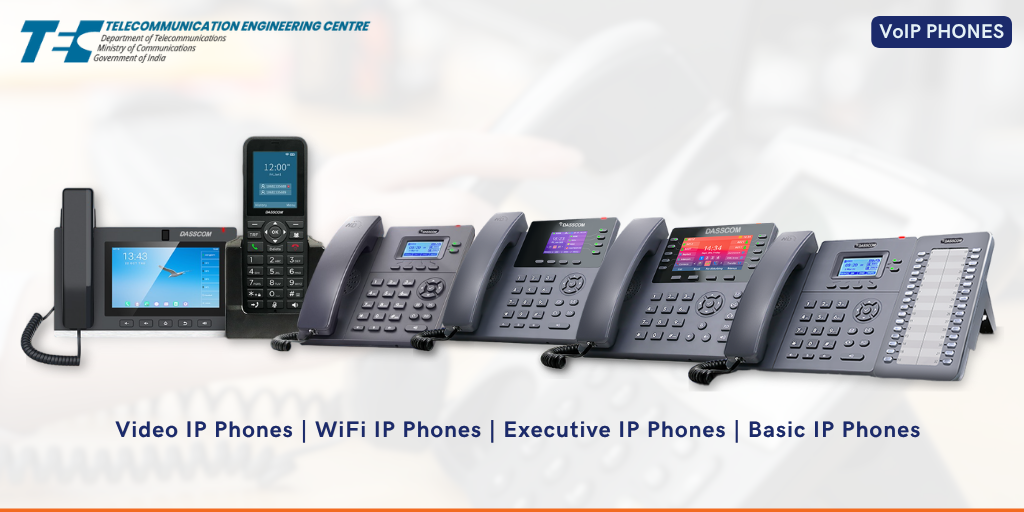
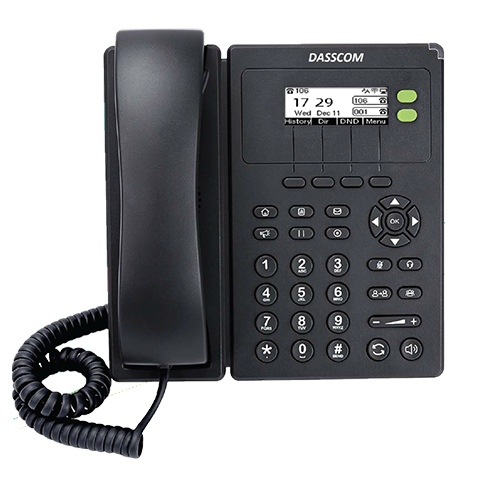
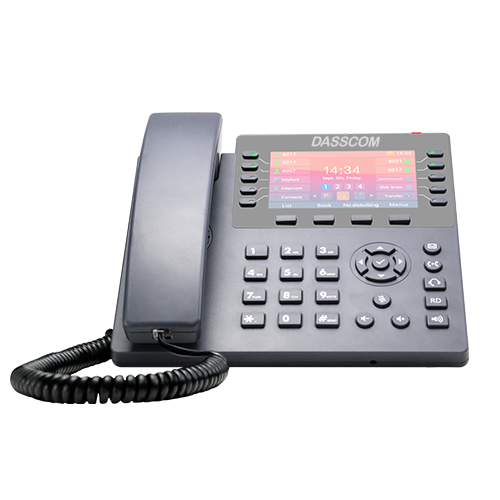
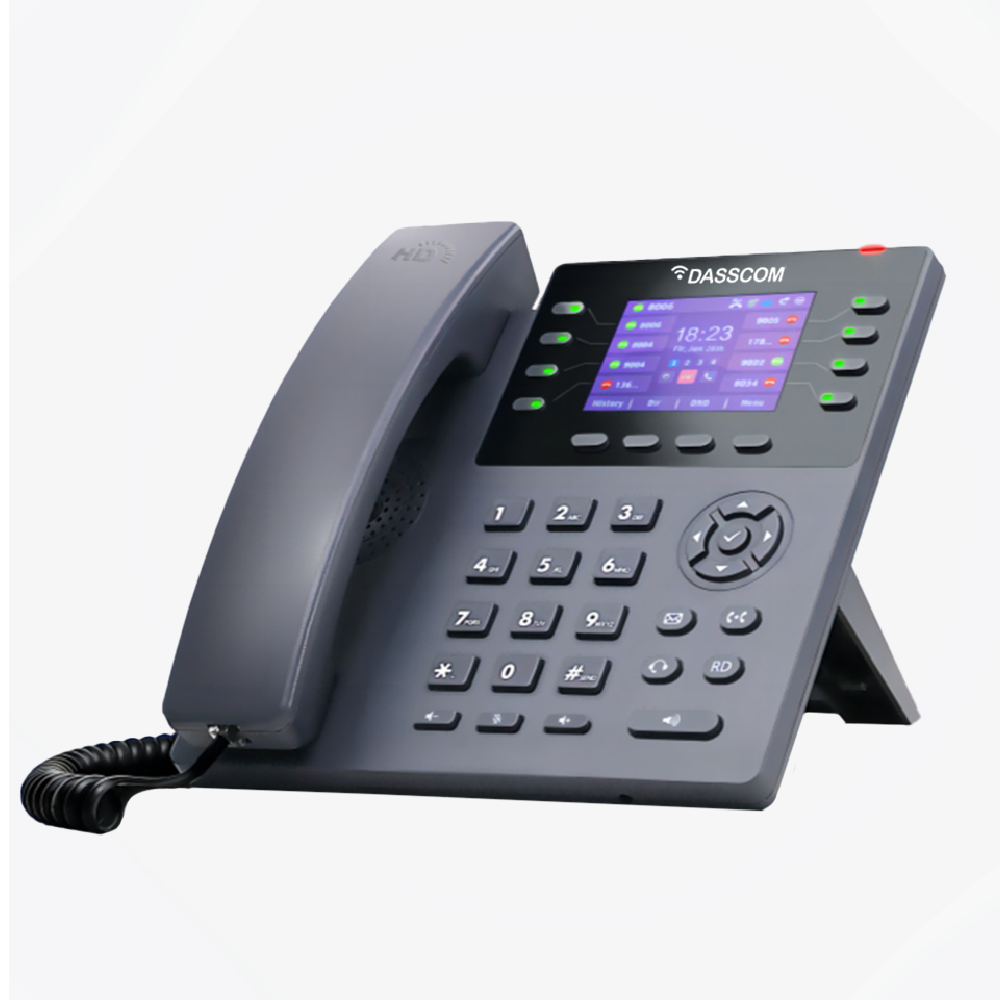
Dasscom’s VoIP phone portfolio currently includes models across basic, Wi-Fi, executive, and video phone categories. The range includes the DXP-5150N, DXP-6100HP, DXP-7200N, DW-100, DXP-4100, DXP-7250, DXP-7500G, DXP-9100, and DXV-3050.
The DXP-5150N, DXP-6100HP, and DXP-7200N are positioned for basic business communication, while the DXP-7250, DXP-7500G, and DXP-9100 belong to the executive category. The DW-100 and DXP-4100 provide wireless-oriented options, while the DXV-3050 is designed for video communication.
VoIP technology can be applied across almost every modern business environment.
Organizations can use VoIP systems to connect employees, departments, reception desks, and management teams through a unified communication infrastructure. Features such as extensions, call transfer, conferencing, and voicemail help streamline everyday communication.
Call centers require efficient call handling and centralized communication management. VoIP infrastructure can support multiple users, extensions, call routing, and integration with broader customer service platforms.
Hotels and hospitality organizations can use IP telephony to connect reception, housekeeping, management, and guest-facing services. Wireless communication can also be useful in large properties where employees move frequently.
Hospitals and healthcare facilities require fast communication between departments. IP telephony can complement internal communication and intercom infrastructure while supporting scalable deployment across buildings and departments.
Schools, colleges, and universities can deploy IP communication across administrative offices, classrooms, campuses, and support departments. VoIP can also work alongside IP-based paging and emergency communication infrastructure.
Organizations with multiple branches can connect locations using IP-based communication. Employees can communicate through extensions while centralized systems can simplify administration across different sites.
One of the most important considerations before deploying VoIP is the existing network infrastructure.
A business should evaluate Ethernet connectivity, bandwidth, network segmentation, PoE availability, internet connectivity, firewall configuration, and Quality of Service requirements.
Voice traffic can be sensitive to network congestion. Appropriate QoS policies can help prioritize voice packets, while VLANs can separate voice traffic from other network applications where appropriate.
This is why VoIP deployment should be considered as part of the organization’s overall IT infrastructure rather than as an isolated telephone installation.
Because VoIP systems operate over IP networks, security should be included from the beginning of the deployment.
Organizations should consider strong authentication, encrypted signaling and media where supported, secure provisioning, network segmentation, access controls, firewall policies, and regular firmware updates.
Enterprise-grade phones and PBX platforms can provide security features designed to protect communication infrastructure from unauthorized access.
Dasscom offers a broad range of IP communication products designed for different business environments. Its VoIP phone portfolio covers basic office communication, wireless connectivity, executive communication, and video calling requirements. The company’s category page highlights features such as HD voice, PoE, SIP support, multi-line configurations, programmable keys, conferencing, BLF, and compatibility with standard IP-PBX systems.
This breadth allows businesses to select phones according to user requirements rather than deploying the same device across every workstation.
For organizations planning a new deployment or upgrading an existing telephone infrastructure, selecting the appropriate combination of phones, PBX technology, networking, and services can create a more scalable communication environment.
A VoIP phone system can give businesses a flexible foundation for modern communication by combining voice, networking, mobility, and advanced call features. The right solution depends on workforce size, locations, network readiness, required features, and budget. Businesses should evaluate total ownership costs and future scalability before selecting VoIP phones and infrastructure.



 Indoor Speakers
 Paging Controller
 Outdoor Speakers
 IP Amplifier & Gateway
 Paging Microphones
 Basic IP Phones
 Wifi Phones
 Executive IP Phones
 Video Phones
 Duc-series
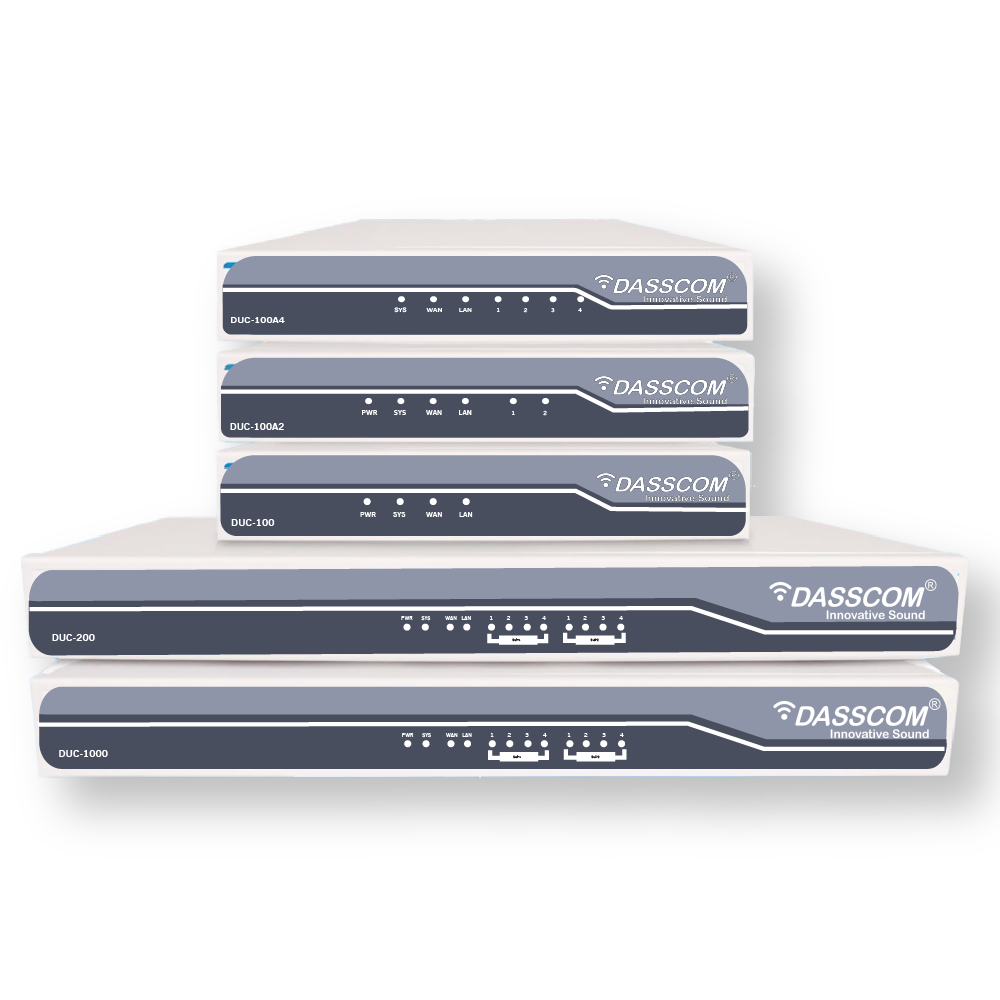
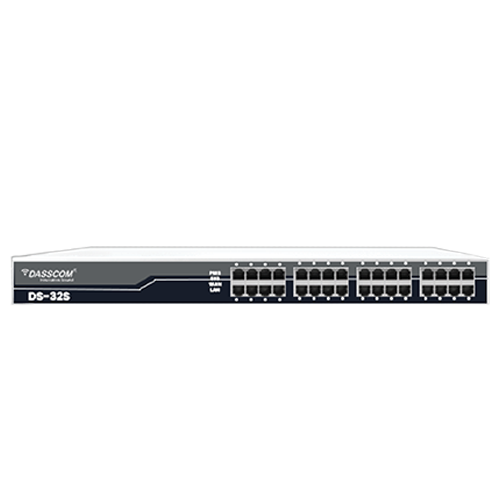 FXS/FXO Gateways
 E1/T1 Gateway

 Unmanaged Switches
 Managed Switches
 Industrial Switches
 Access Points
 Safety Intercoms
 Veda Series
 Divine Series
 Tatva Series
 VoIP Office
 Call Center Solutions
 Network Communications
 Public Safety
 Video & Security System
 Highway Communication
 Intercom System
 IP Paging Solutions

 Healthcare
 Hospitality
 School & Universities
 IT Office
 SMEs and SMBs
 Industries


 Public Address System
 VOIP Phones
 VOIP PBX
 VOIP Gateways
 Networking Solutions
 Call Center Headsets
 Emergency Intercom Stations