
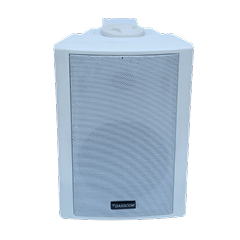
 Indoor Speakers
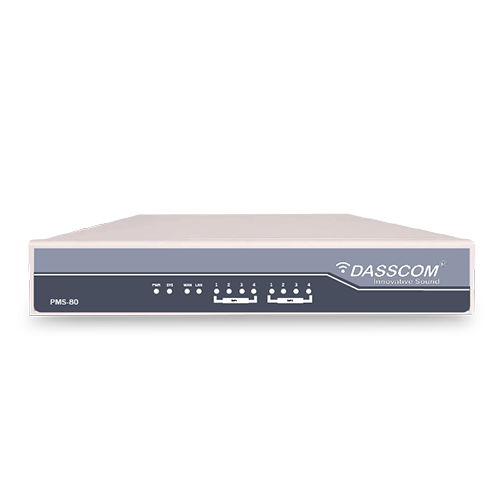 Paging Controller
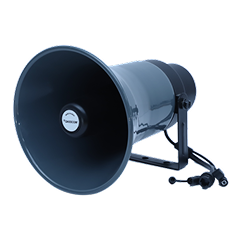 Outdoor Speakers
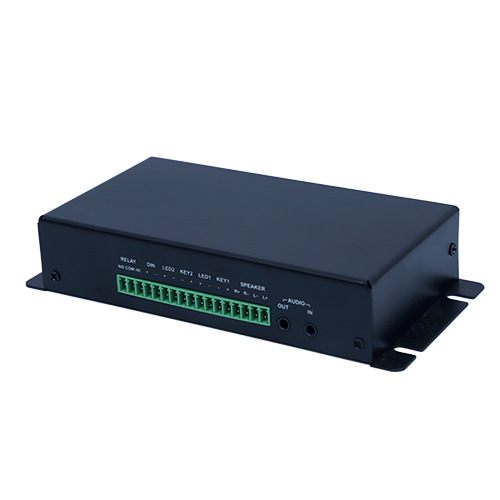 IP Amplifier & Gateway
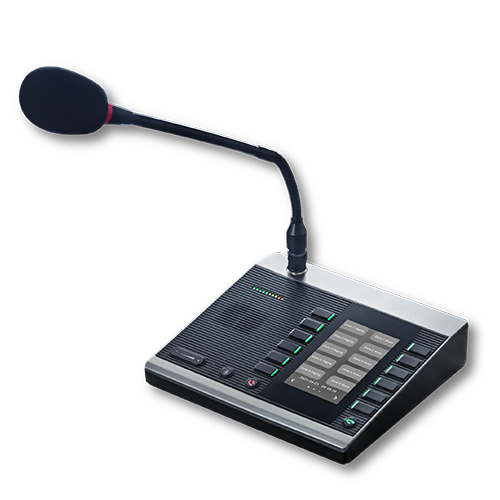 Paging Microphones
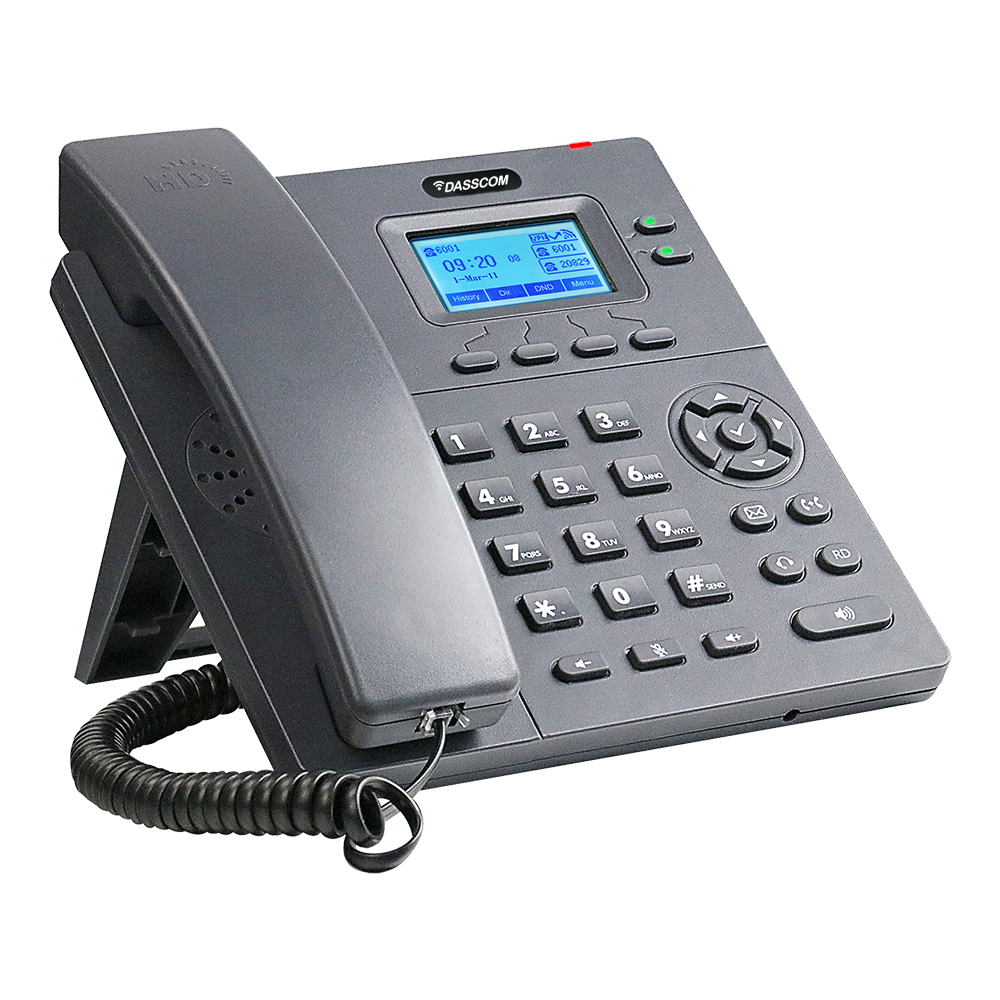 Basic IP Phones
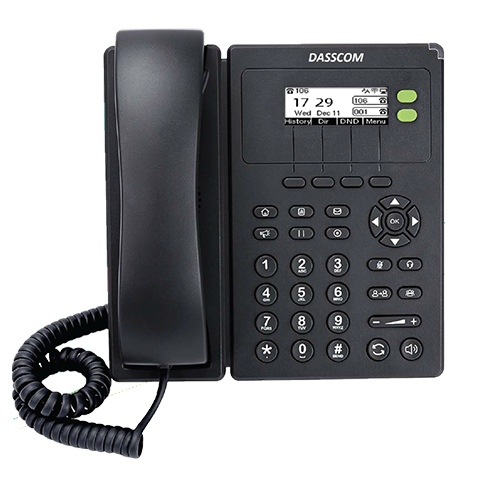 Wifi Phones
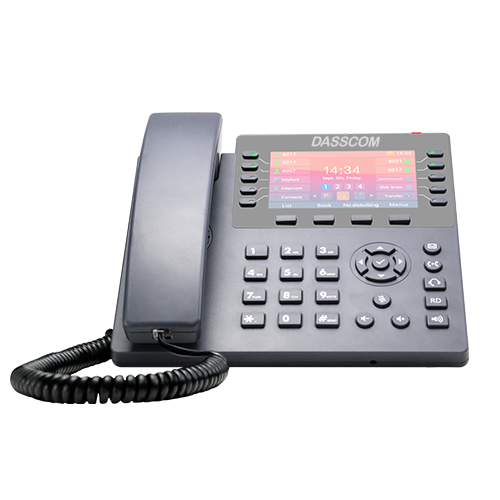 Executive IP Phones
 Video Phones
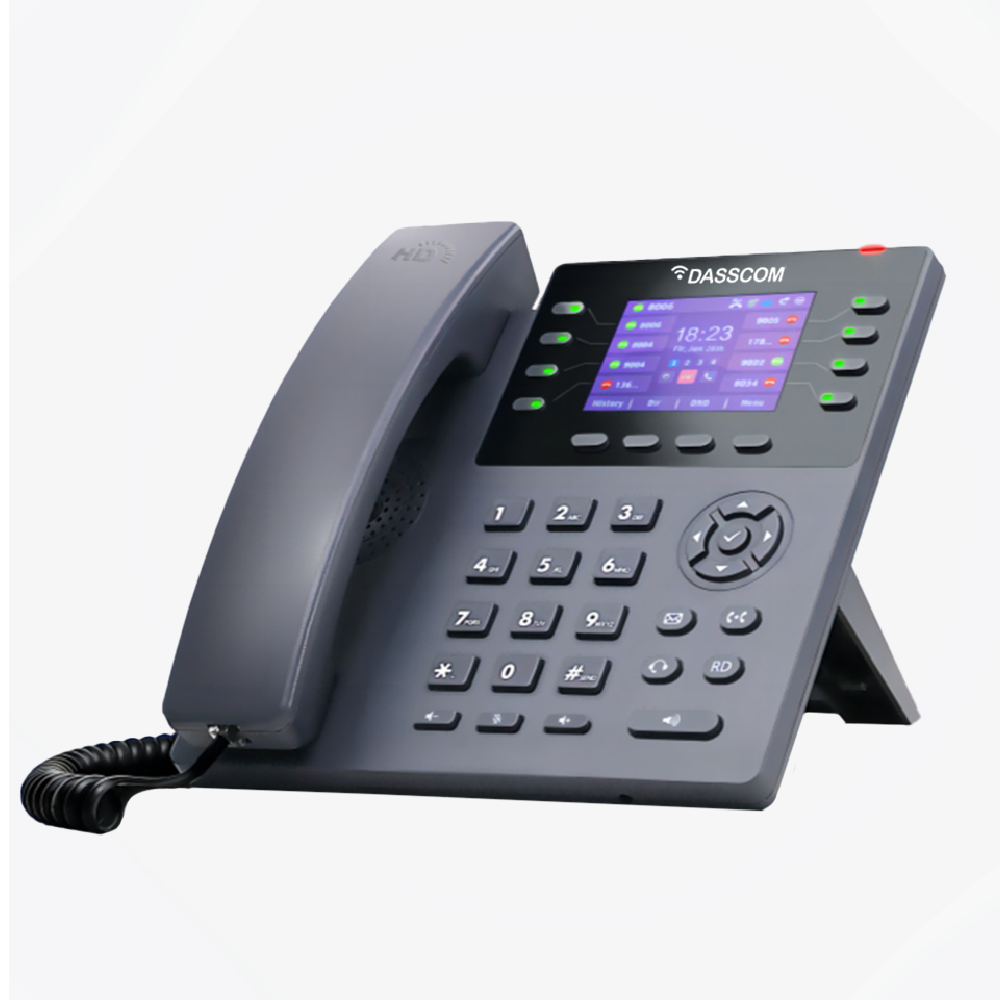
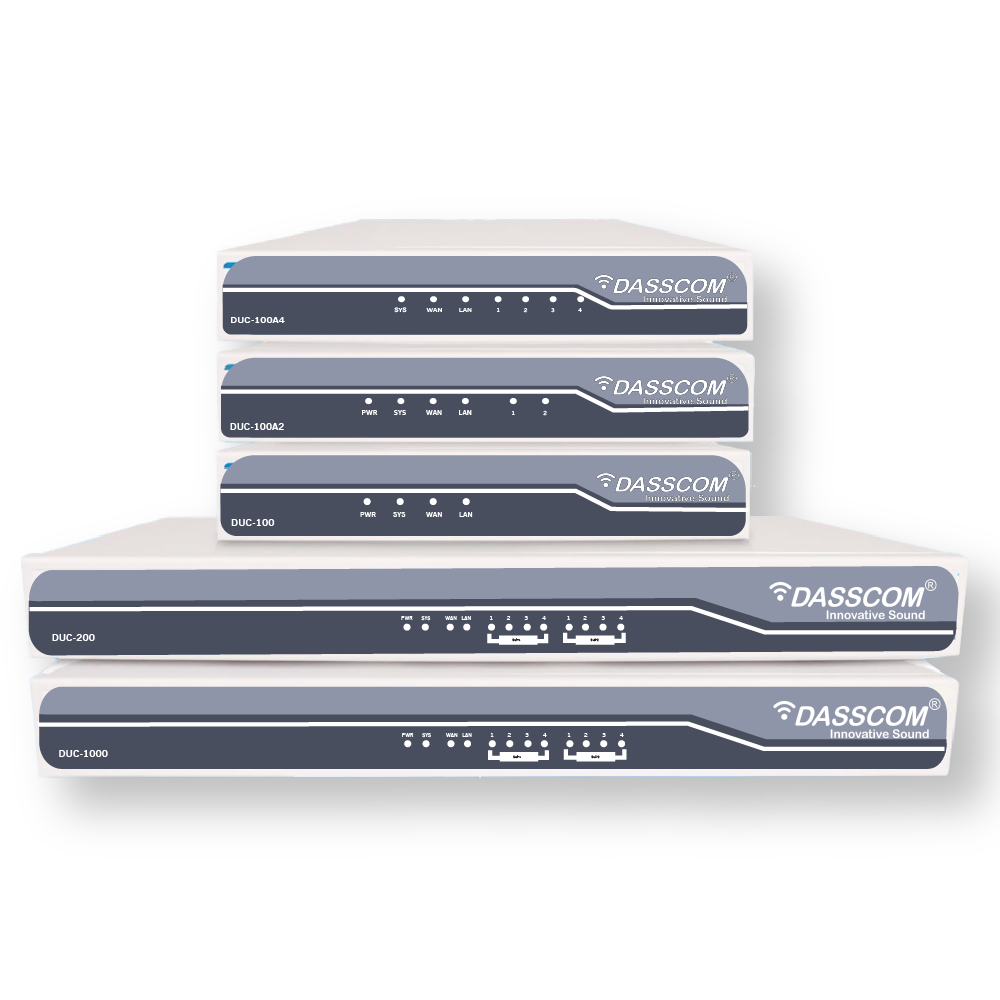
 Duc-series
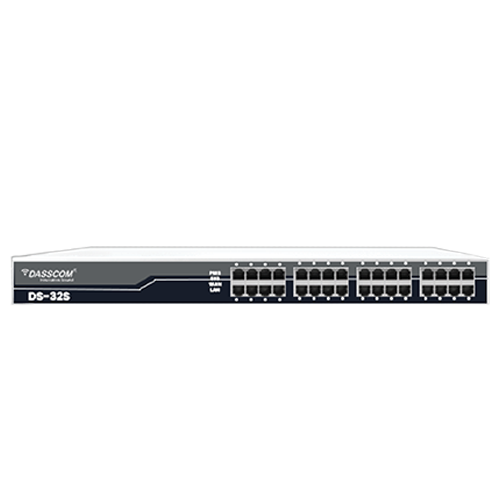 FXS/FXO Gateways
 E1/T1 Gateway

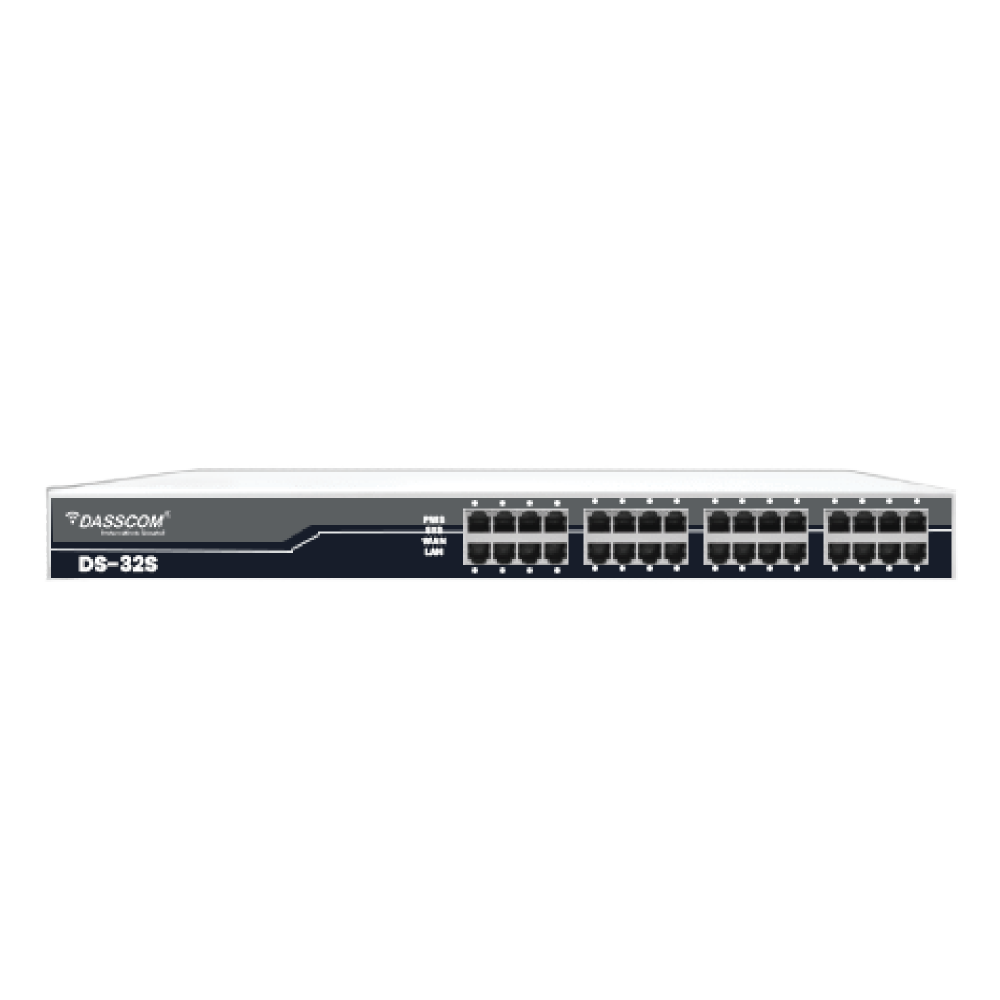
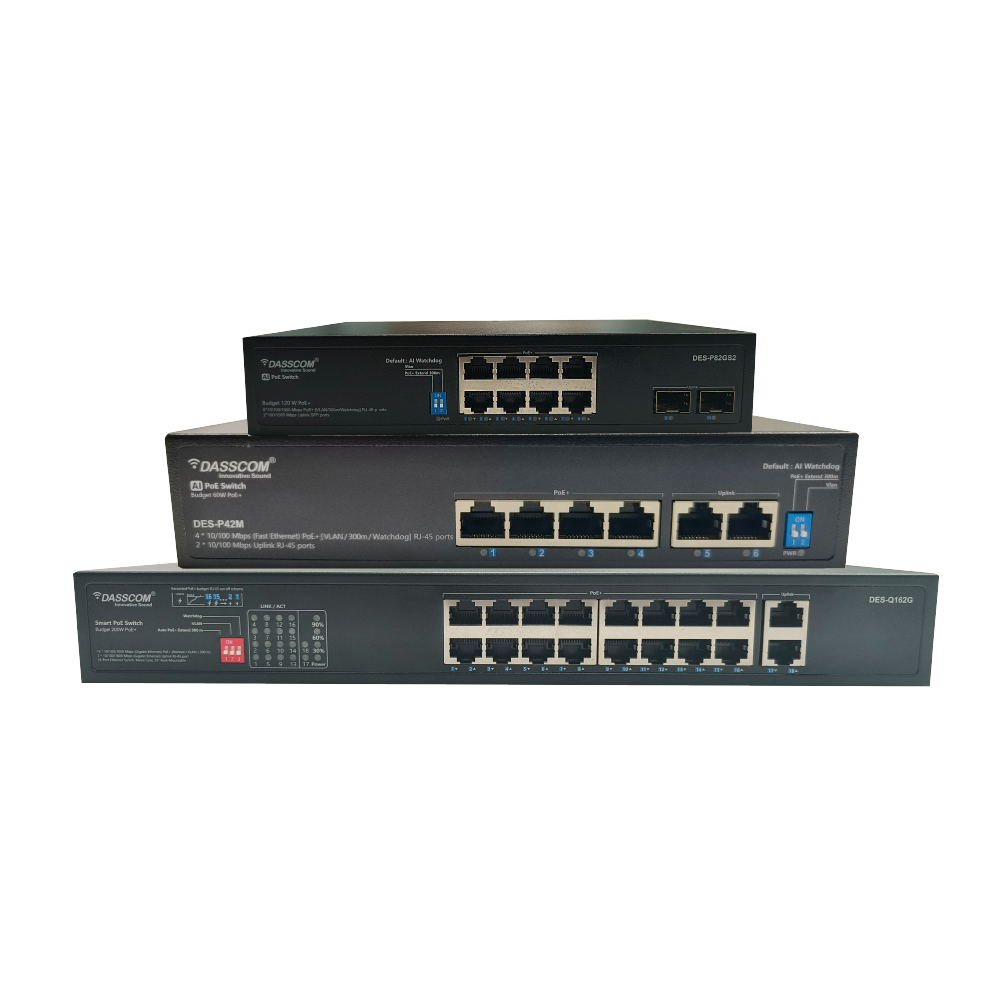
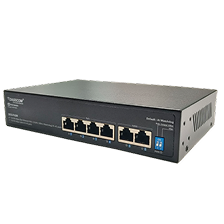 Unmanaged Switches
 Managed Switches
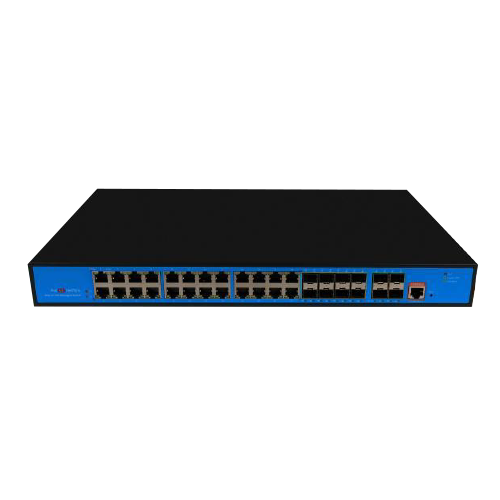 Industrial Switches
 Access Points
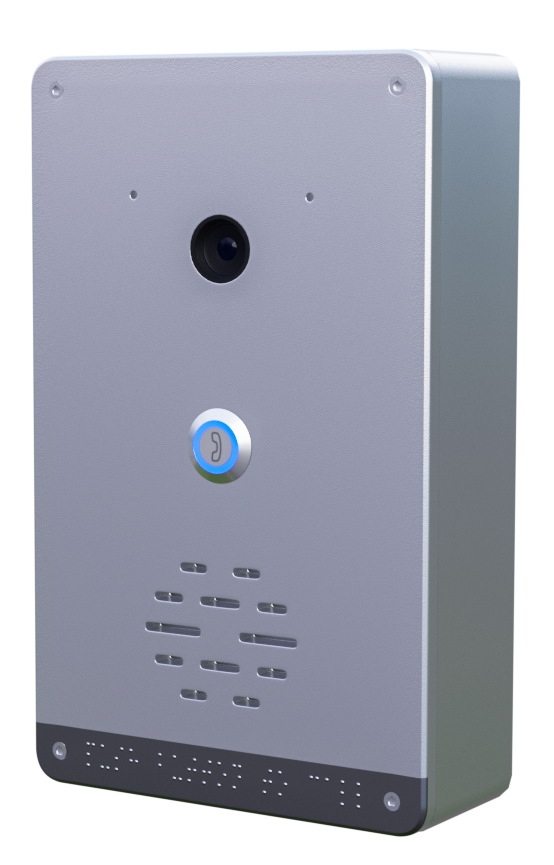 Safety Intercoms
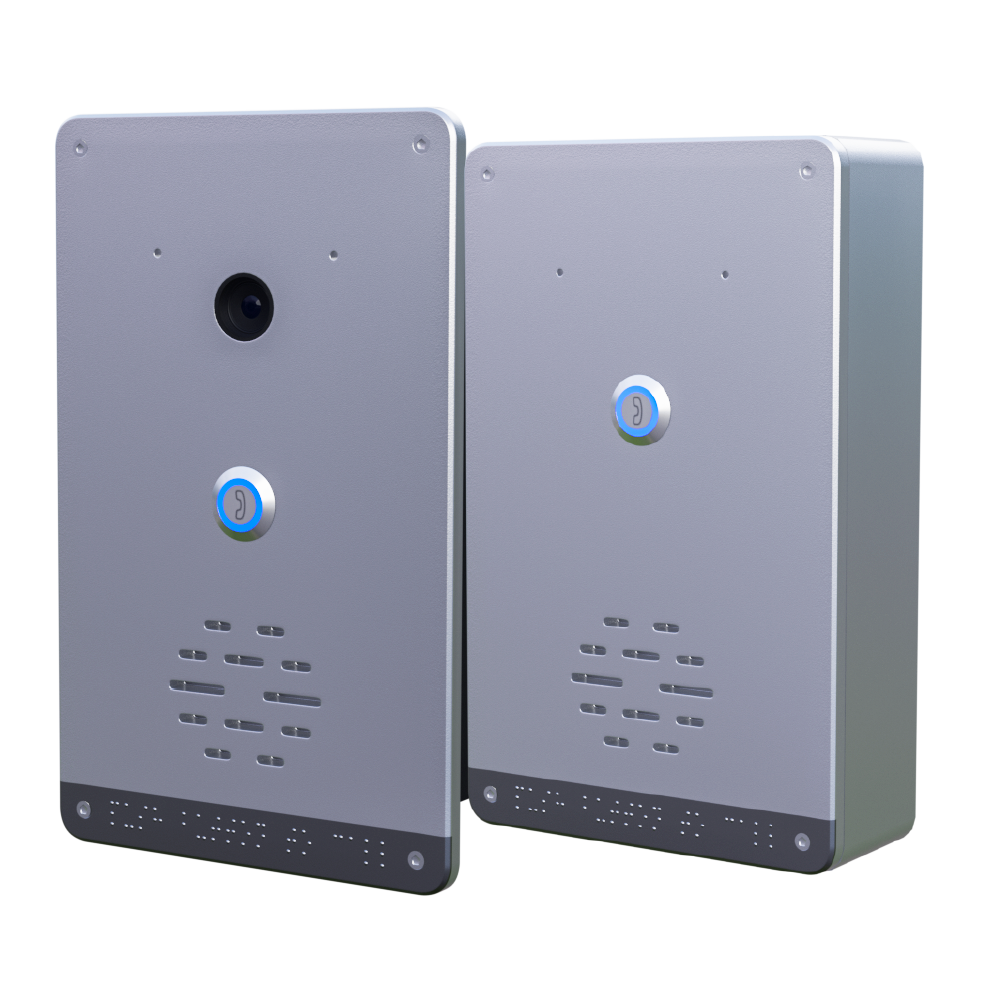
 Veda Series
 Divine Series
 Tatva Series
 VoIP Office
 Call Center Solutions
 Network Communications
 Public Safety
 Video & Security System
 Highway Communication
 Intercom System
 IP Paging Solutions

 Healthcare
 Hospitality
 School & Universities
 IT Office
 SMEs and SMBs
 Industries


 Public Address System
 VOIP Phones
 VOIP PBX
 VOIP Gateways
 Networking Solutions
 Call Center Headsets
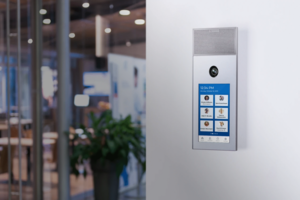 Emergency Intercom Stations


24 Port Managed Switch: Complete Buying Guide for Business Networks
Choosing the right network switch can directly affect business connectivity, performance, security, and scalability. This guide explains what to consider when selecting a 24-port managed switch for modern business networks.
fffs
A reliable network infrastructure is essential for businesses that depend on computers, IP phones, wireless access points, CCTV cameras, servers, and other connected devices. As the number of network devices grows, organizations need switches that can provide sufficient ports while offering better control, security, and performance.
A 24 port managed switch is often an ideal choice for growing businesses because it provides enough connectivity for multiple devices while giving network administrators greater control over traffic and network configuration.
But not every switch is suitable for every business. Factors such as PoE requirements, port speed, VLAN support, network management, security, scalability, and power budget should be considered before making a purchase.
What Is a 24 Port Managed Switch?
A 24 port managed switch is a network switch with 24 Ethernet ports that can be configured and monitored by a network administrator. Unlike an unmanaged switch, a managed switch provides greater control over how devices communicate across the network.
Businesses can use managed switches to configure VLANs, monitor network traffic, prioritize certain types of data, and apply security policies. This makes them particularly useful for offices, educational institutions, hotels, healthcare facilities, warehouses, and other environments with multiple connected devices.
A 24-port configuration provides a practical balance between capacity and cost. It can accommodate current requirements while leaving room for additional devices as the business grows.
Explore Managed Network Switches
Why Choose a 24-Port Switch for a Business Network?
The number of connected devices in a business can increase quickly. A typical office network may include desktop computers, laptops, IP phones, Wi-Fi access points, printers, CCTV cameras, servers, and IoT devices.
A 24-port switch provides sufficient connectivity for many small and medium-sized network deployments without requiring a large chassis or excessive infrastructure.
Another advantage is centralized management. Instead of treating every connected device as an isolated endpoint, administrators can configure and monitor network connectivity from the switch itself.
For organizations planning structured network expansion, a 24-port configuration can also reduce the need for frequent switch replacements.
Managed vs. Unmanaged Switches
The main difference between managed and unmanaged switches is the level of control they provide.
An unmanaged switch is generally designed for simple plug-and-play connectivity. It can be useful for smaller networks where advanced configuration is not required.
A managed switch provides additional functionality. Depending on the model, administrators may be able to configure VLANs, Quality of Service (QoS), port settings, access controls, link aggregation, and network monitoring.
For a business environment with multiple departments, applications, users, and security requirements, a managed switch generally provides greater flexibility.
When Should You Choose a PoE Switch?
Power over Ethernet (PoE) allows compatible devices to receive power and network connectivity through a single Ethernet cable. This can simplify installation and reduce the requirement for separate power adapters.
A POE switch can be particularly useful when deploying IP phones, wireless access points, IP cameras, and other compatible network devices.
Before selecting a PoE model, businesses should evaluate both the number of PoE devices and their total power requirements. The switch’s overall PoE power budget is just as important as the number of PoE ports.
For example, if a network will support multiple cameras and access points, selecting a switch with an adequate power budget helps ensure reliable operation.
Request a Network Consultation
24 Port PoE vs. 16 Port and 8 Port PoE Switches
Port count should be based on the number of devices you need to connect today and the expected growth of your network.
An 16 port POE switch can be suitable for smaller deployments where the number of PoE devices is limited. It can provide a compact solution while leaving some capacity for network expansion.
An 8 port POE switch is better suited to smaller installations, branch offices, small retail locations, or limited deployments where only a few PoE devices need connectivity.
A 24-port PoE configuration becomes more attractive when a business has a larger number of IP cameras, IP phones, wireless access points, or other powered devices.
The right choice is therefore not simply about selecting the largest switch. It is about matching port capacity and PoE power availability to the actual deployment.
Key Features to Look for in a 24 Port Managed Switch
1. Gigabit Ethernet Ports
Modern business networks generate significant amounts of data. Gigabit Ethernet ports can provide the bandwidth required for applications such as cloud services, video conferencing, file transfers, IP surveillance, and VoIP communication.
Businesses should also consider whether uplink ports provide higher-speed connectivity for connecting the switch to core network equipment.
2. VLAN Support
Virtual LANs allow administrators to logically separate network traffic. For example, voice traffic, employee devices, guest users, and surveillance systems can be placed into different VLANs.
This can improve network organization, security, and traffic management.
3. Quality of Service
QoS allows administrators to prioritize important traffic. Voice and video applications can benefit from traffic prioritization because delays or packet loss can affect communication quality.
For organizations using IP phones, video conferencing, and other real-time applications, QoS can therefore be an important consideration.
4. PoE Power Budget
If you are purchasing a 24 port POE switch, don’t evaluate it only by the number of PoE ports. Check the total available PoE power budget.
Different powered devices have different power requirements. The switch should provide sufficient capacity for all connected devices, with some additional headroom for future expansion.
5. Network Security
Security features can help administrators control access to the network and reduce unauthorized connectivity.
Depending on the switch, features may include port security, access control mechanisms, VLAN segmentation, authentication, and monitoring capabilities.
6. Network Management
A managed switch should provide practical management options. Depending on the model, these may include a web-based interface, command-line configuration, SNMP monitoring, or other management capabilities.
The management interface should be easy enough for administrators to configure the network without creating unnecessary operational complexity.
Talk to Our Network Experts
How Many Ports Does Your Business Really Need?
Port planning should account for both current devices and future requirements.
Start by listing every device that needs a wired network connection. Include computers, printers, IP phones, cameras, access points, servers, and other Ethernet-enabled equipment.
Next, consider future expansion. A switch that is completely filled on day one may quickly become a limitation when additional employees or devices are added.
This is why a 24-port switch can be a practical choice for growing businesses. It provides more capacity than many small deployments need initially while avoiding the cost and physical requirements of much larger switching infrastructure.
Where Can a 24 Port Managed Switch Be Used?
A managed switch can support a wide range of business environments.
In offices, it can connect computers, IP phones, printers, servers, and wireless access points. In educational institutions, it can support classrooms, administrative systems, surveillance, and wireless connectivity.
For hotels and hospitality environments, switches can support access points, IP phones, security cameras, and other connected systems. Warehouses and industrial facilities can use managed switching to connect surveillance systems, access points, computers, and other network equipment.
The ability to segment and manage different types of traffic makes managed switching particularly useful in larger deployments.
Common Mistakes When Buying a Network Switch
One common mistake is focusing only on port count. A switch may have enough ports but lack the bandwidth, PoE capacity, management features, or security functionality required by the network.
Another mistake is underestimating future requirements. If an organization expects to add IP cameras, access points, or IP phones, those devices should be considered during switch selection.
Businesses should also avoid comparing switches solely on price. Network equipment is part of the organization’s core infrastructure, so reliability, manageability, scalability, and technical support should also influence the purchasing decision.
Choosing the Right PoE Port Capacity
The choice between an 8 port POE switch, an 16 port POE switch, and a 24-port PoE configuration depends primarily on deployment size.
An 8-port model can work well for a small installation with limited powered devices. A 16-port model provides additional capacity for medium-sized deployments. A 24-port PoE switch is better suited to environments with a larger number of connected and powered
If the network is expected to expand, selecting additional port capacity from the beginning can help avoid premature infrastructure upgrades.
Why Managed Switching Matters for Business Growth
Network infrastructure should support business growth rather than become a constraint.
Managed switches give administrators greater visibility and control over connected devices. As the network becomes more complex, these capabilities become increasingly valuable.
A properly selected 24 port managed switch can become an important part of a structured business network, supporting wired connectivity, network segmentation, traffic prioritization, security, and PoE deployments.
For businesses building an integrated communication infrastructure, managed switching can also provide the foundation for IP phones, wireless networking, IP surveillance, and other connected technologies.
Explore Dasscom Networking Solutions
Final Thoughts
Choosing the right business switch requires more than counting Ethernet ports. Consider current devices, future growth, PoE requirements, bandwidth, security, and management features. For growing networks, a 24 port managed switch can provide the capacity, control, and flexibility needed to build a reliable, scalable, and well-managed business network.
types of call center

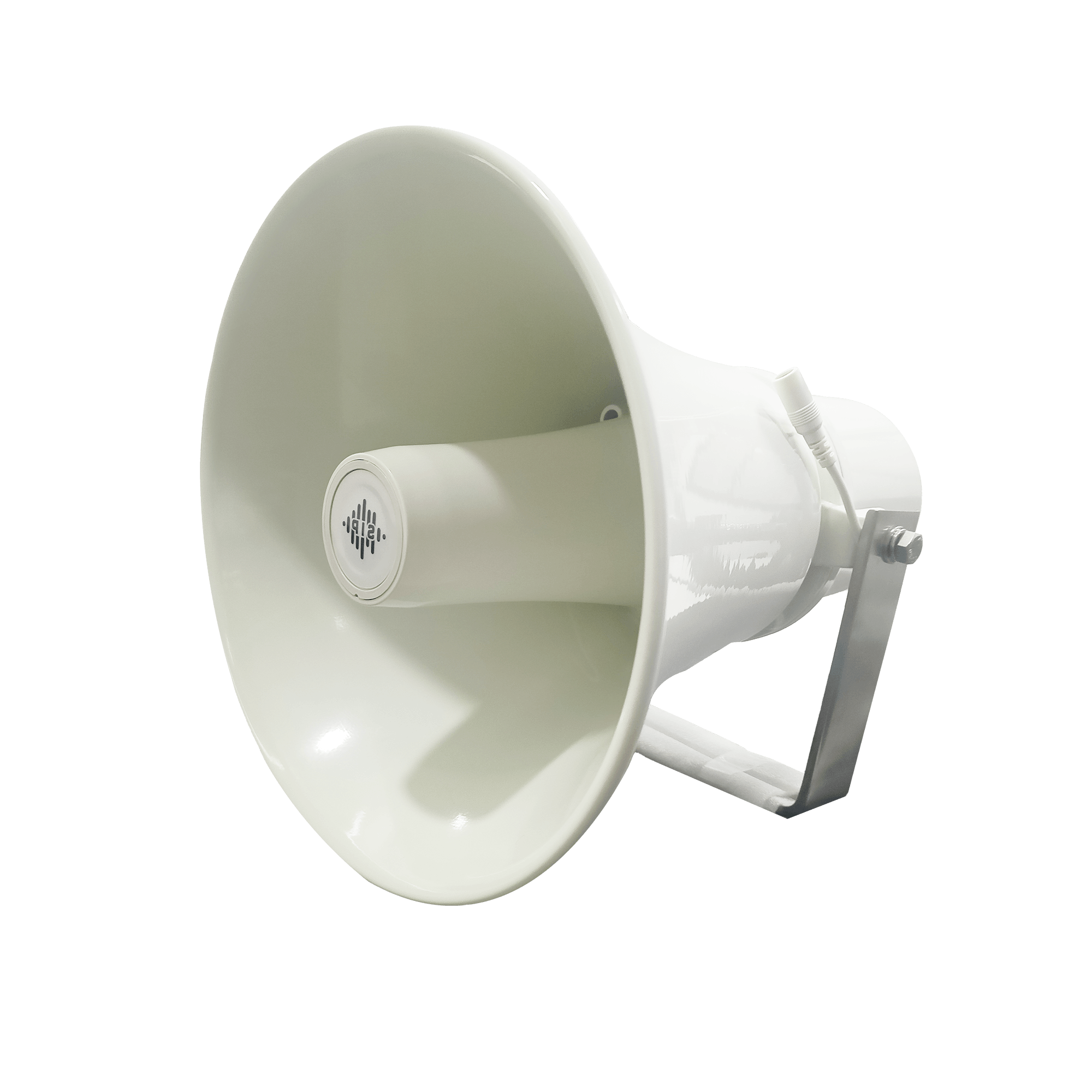
DS-15H
15 watt Horn speaker Support SIP IP 65 Rating Support BGM and announcement
DS-10C
10 watt Ceiling Speaker Support SIP PoE enabled Support BGM & announcement
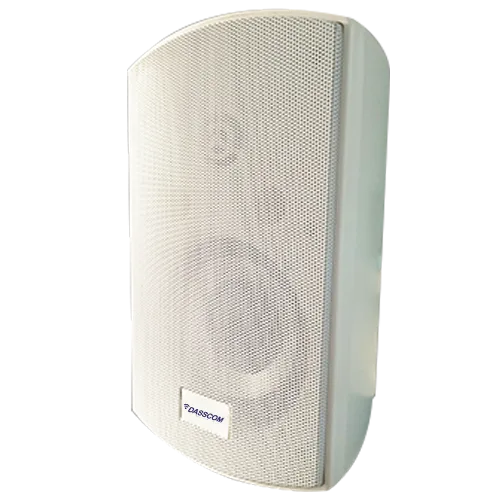
DS-15W
15 watt wall-mount speaker Support SIP PoE enabled Support BGM and announcement
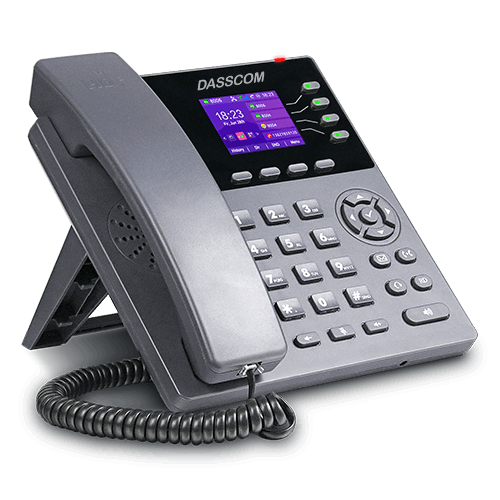
DXP-7200N
4 SIP Account PoE phone Colour Screen HD Voice
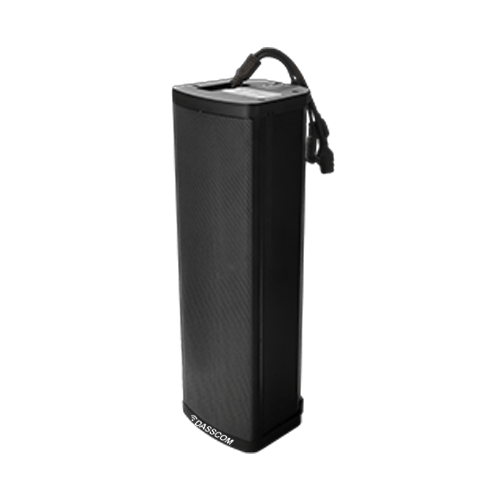
DS-30ECL
1.Built-in 30W amplifier, 2.Class D Amplifier
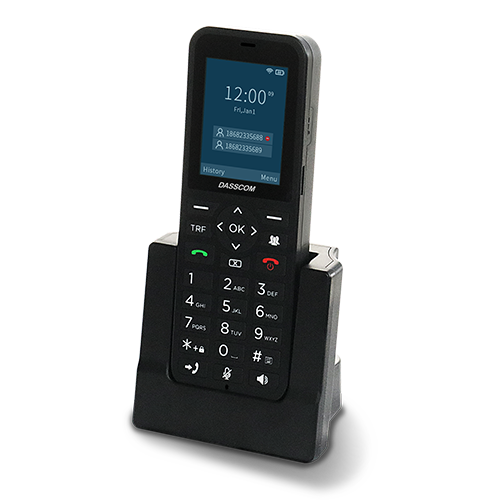
DW-100
2 SIP accounts Wi-fi Support Cordless Phone
Quick summary
See how Nextiva transforms the sales and support team productivity.
Frequently Asked Questions (FAQs)
Is a 24 port managed switch suitable for small businesses?
Yes. A 24-port managed switch can be suitable for small and medium-sized businesses that need multiple wired connections and want greater control over their network. It can also provide additional capacity for future expansion.
What is the difference between a managed and unmanaged switch?
An unmanaged switch provides basic plug-and-play connectivity, while a managed switch allows administrators to configure, monitor, and control network traffic and settings.
Should I buy a 24 port POE switch?
A 24 port POE switch is a suitable option when a business needs to connect multiple PoE-enabled devices such as IP phones, wireless access points, or IP cameras. The required PoE power budget should also be considered.
Is a 16 port POE switch better than an 8 port POE switch?
Neither is universally better. An 16 port POE switch provides more ports and is suitable for larger deployments, while an 8 port POE switch can be a practical choice for smaller installations.
What should I check before buying a managed switch?
Check port speed, number of ports, PoE availability and power budget, VLAN support, QoS, security features, uplink capacity, management options, and future expansion requirements.
Can a managed switch support IP phones and access points?
Yes, a suitable managed PoE switch can support compatible IP phones and wireless access points while delivering network connectivity and, where supported, power through Ethernet.