
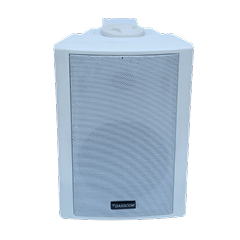
 Indoor Speakers
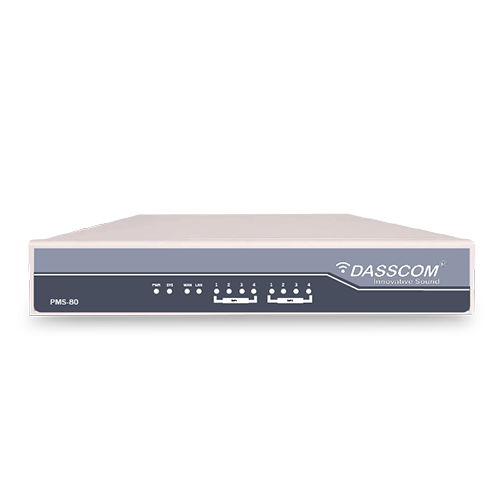 Paging Controller
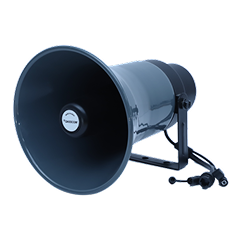 Outdoor Speakers
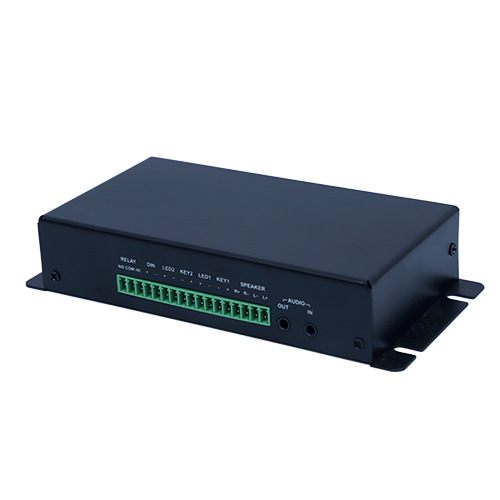 IP Amplifier & Gateway
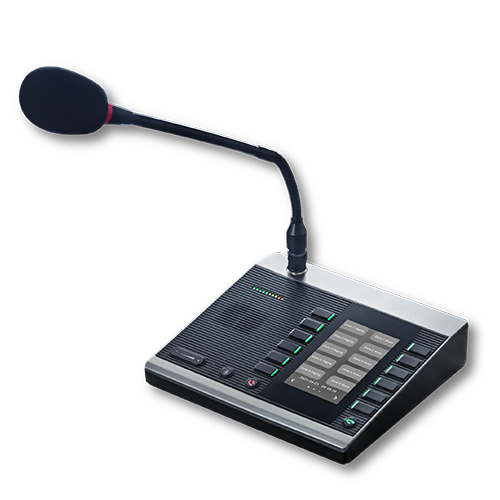 Paging Microphones
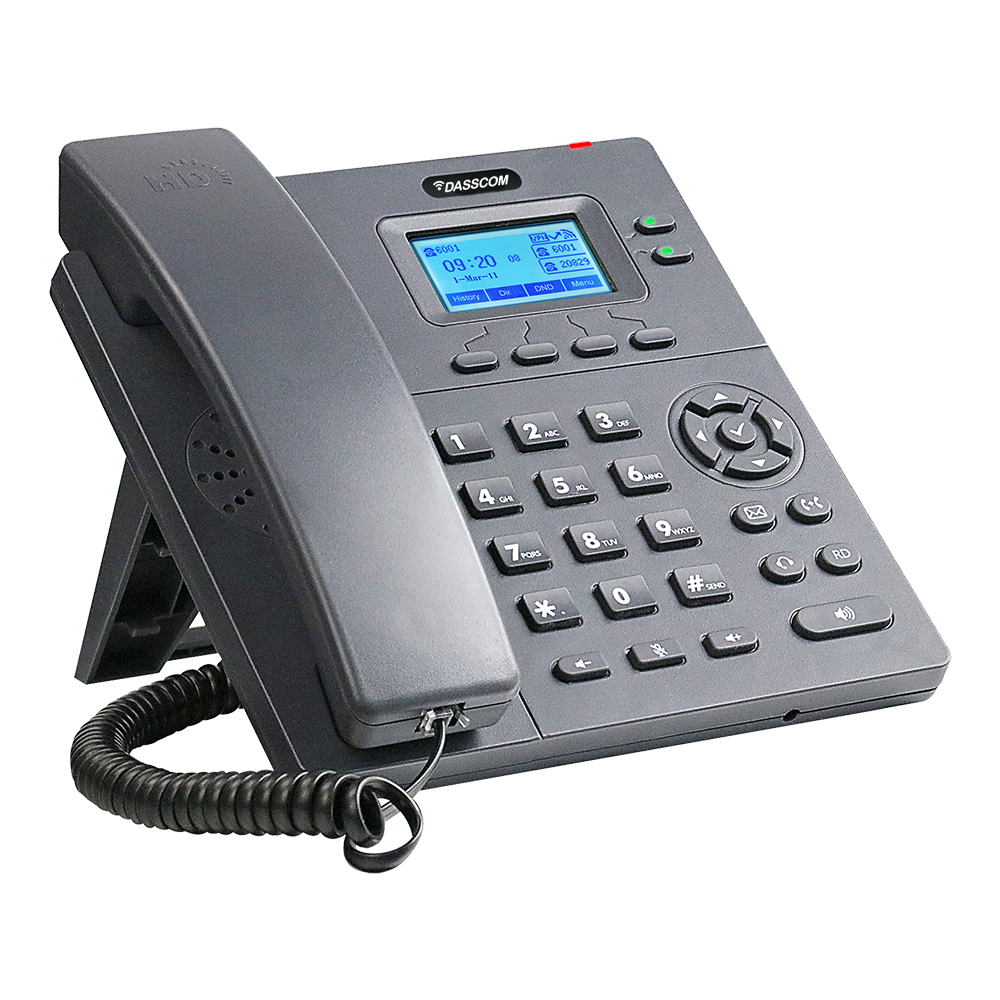 Basic IP Phones
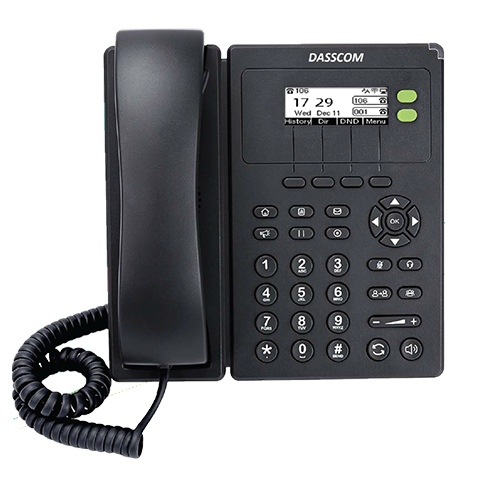 Wifi Phones
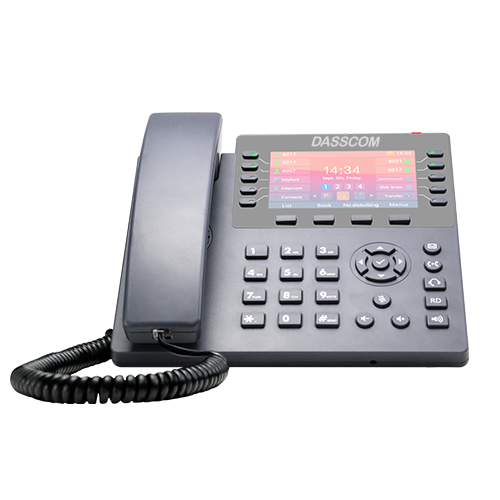 Executive IP Phones
 Video Phones
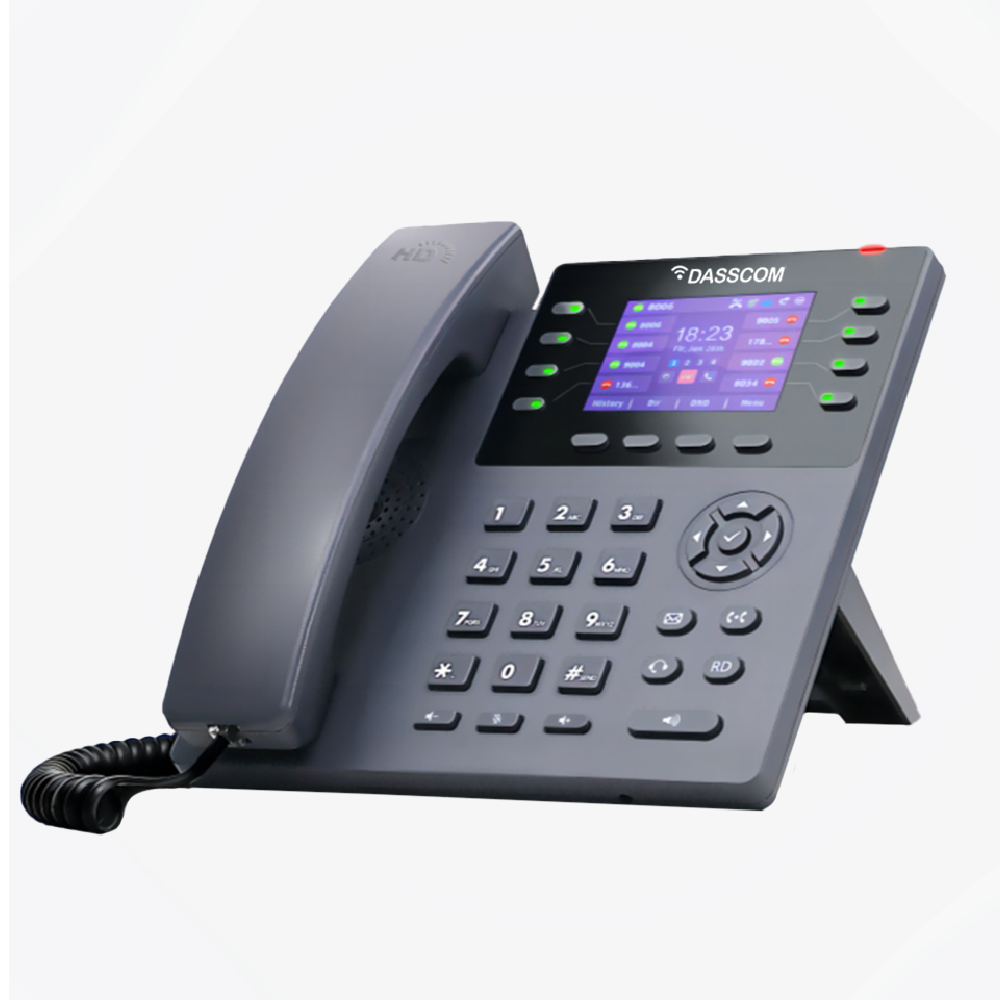
 Duc-series
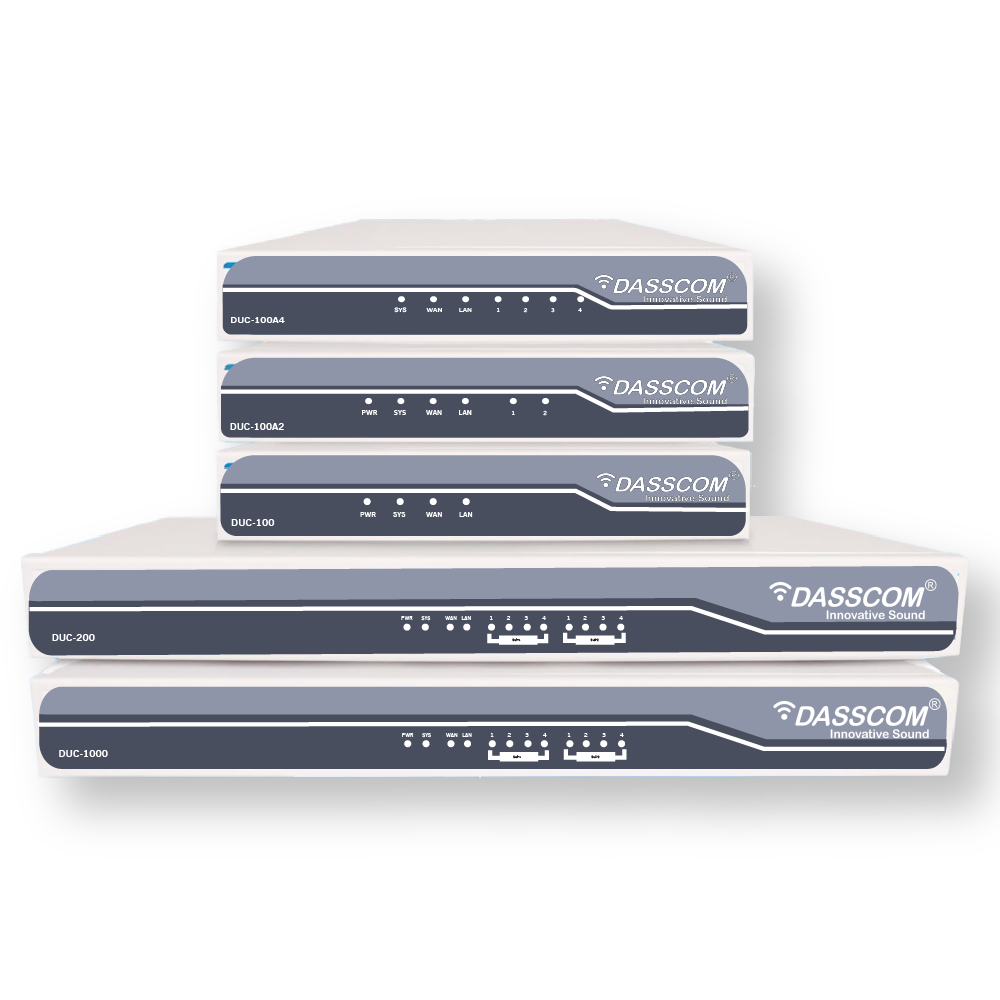
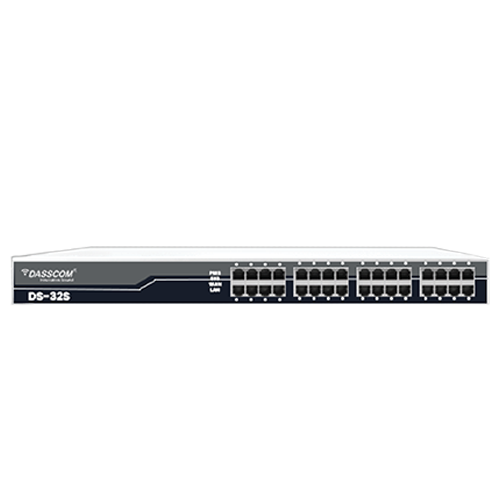 FXS/FXO Gateways
 E1/T1 Gateway
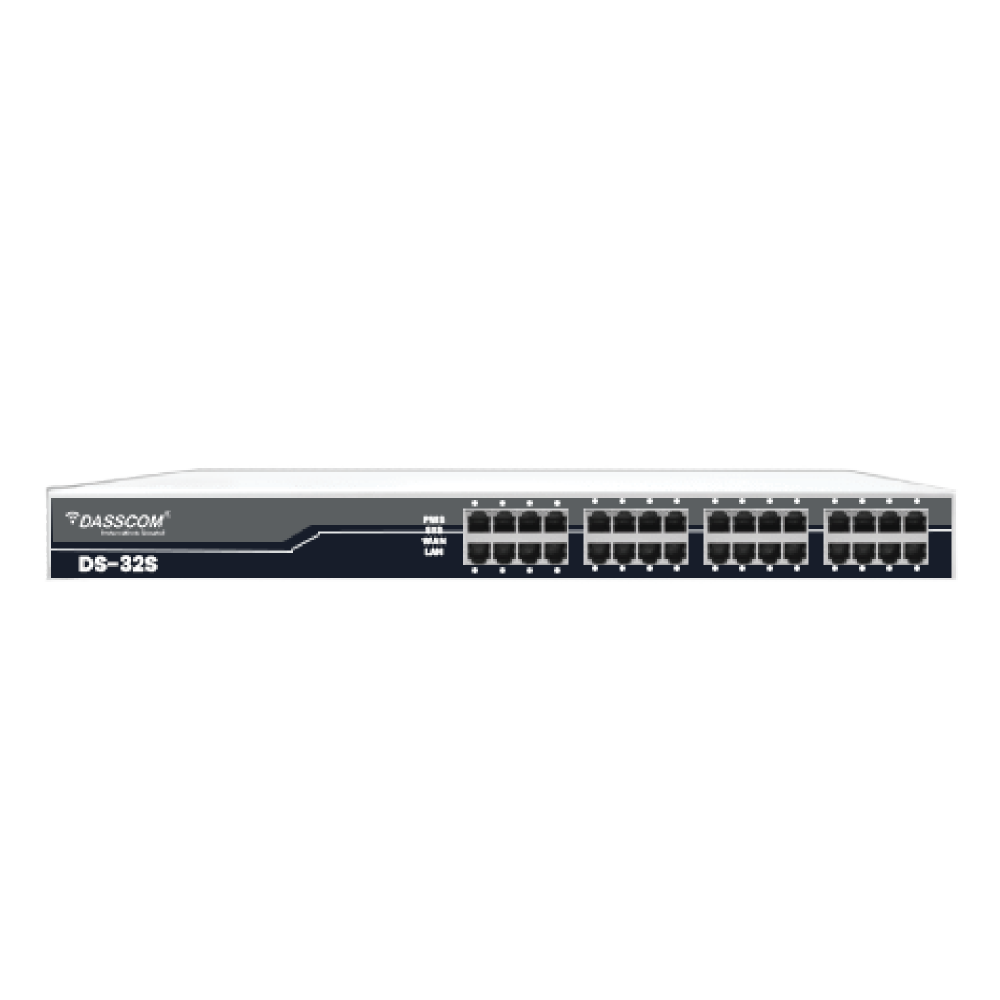
 Unmanaged Switches
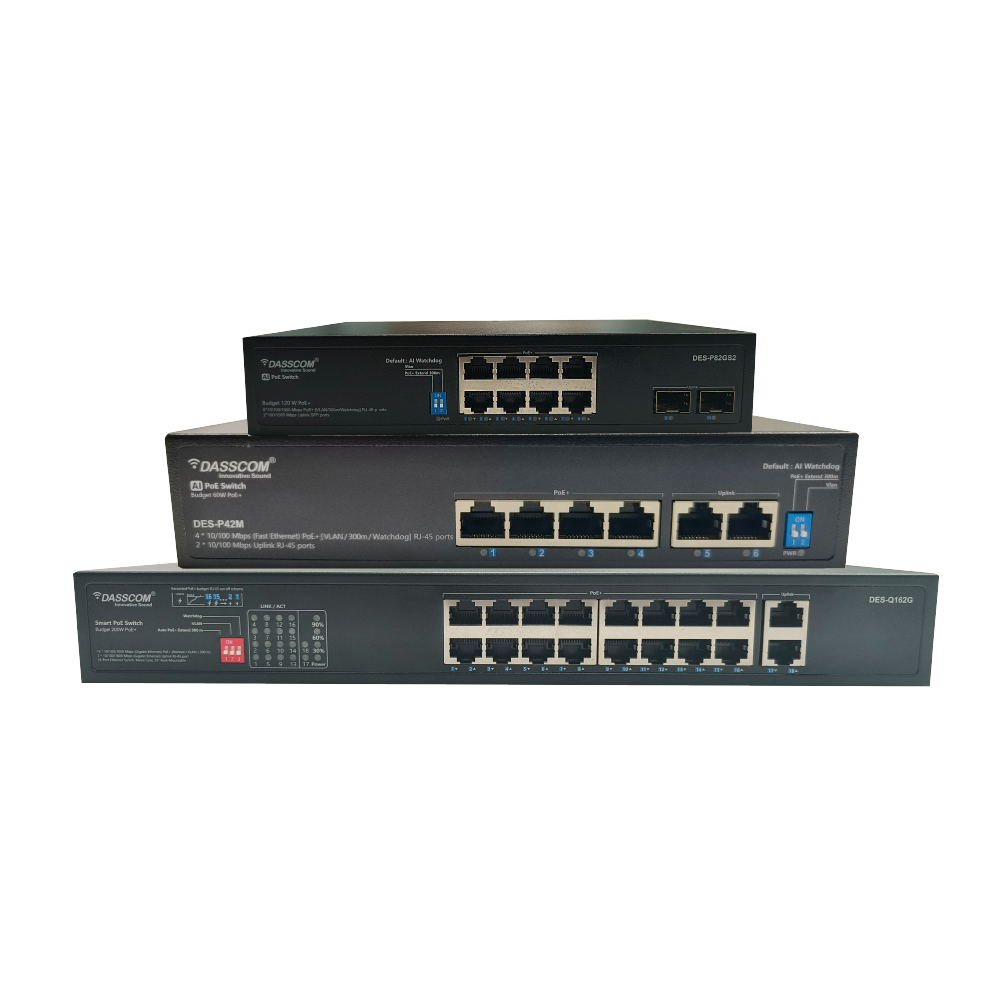
 Managed Switches
 Industrial Switches
 Access Points
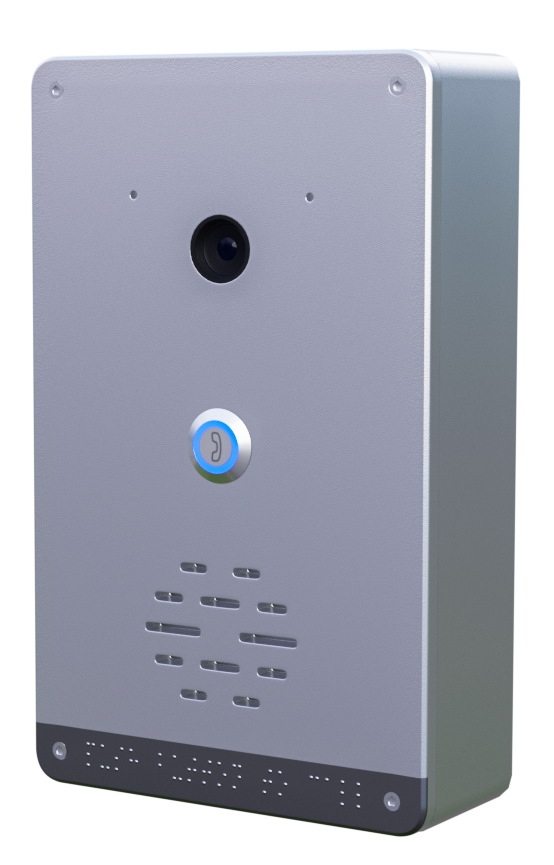 Safety Intercoms
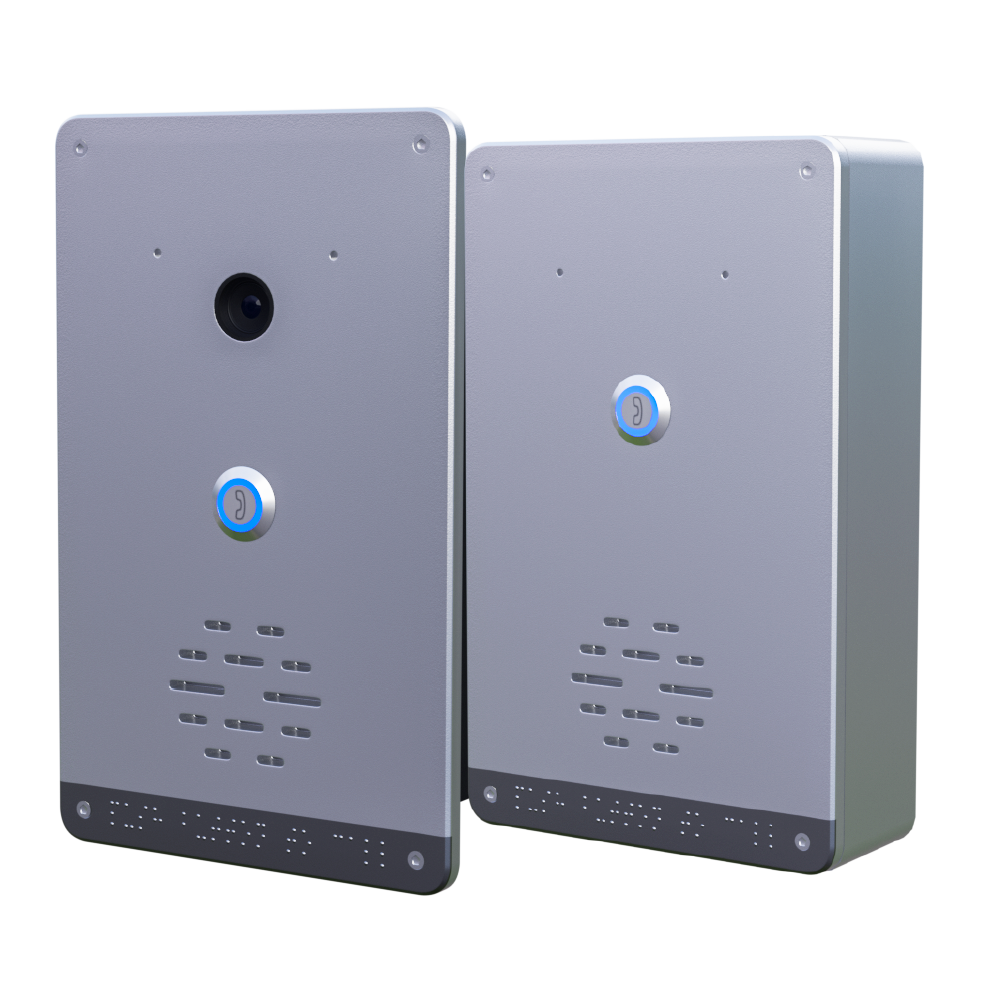
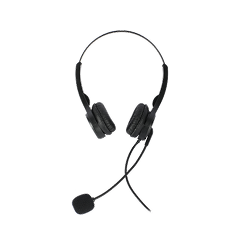 Veda Series
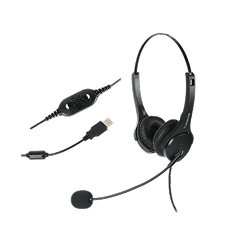 Divine Series
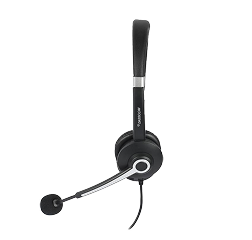 Tatva Series
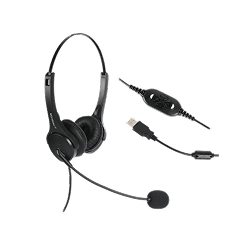
 VoIP Office
 Call Center Solutions
 Network Communications
 Public Safety
 Video & Security System
 Highway Communication
 Intercom System
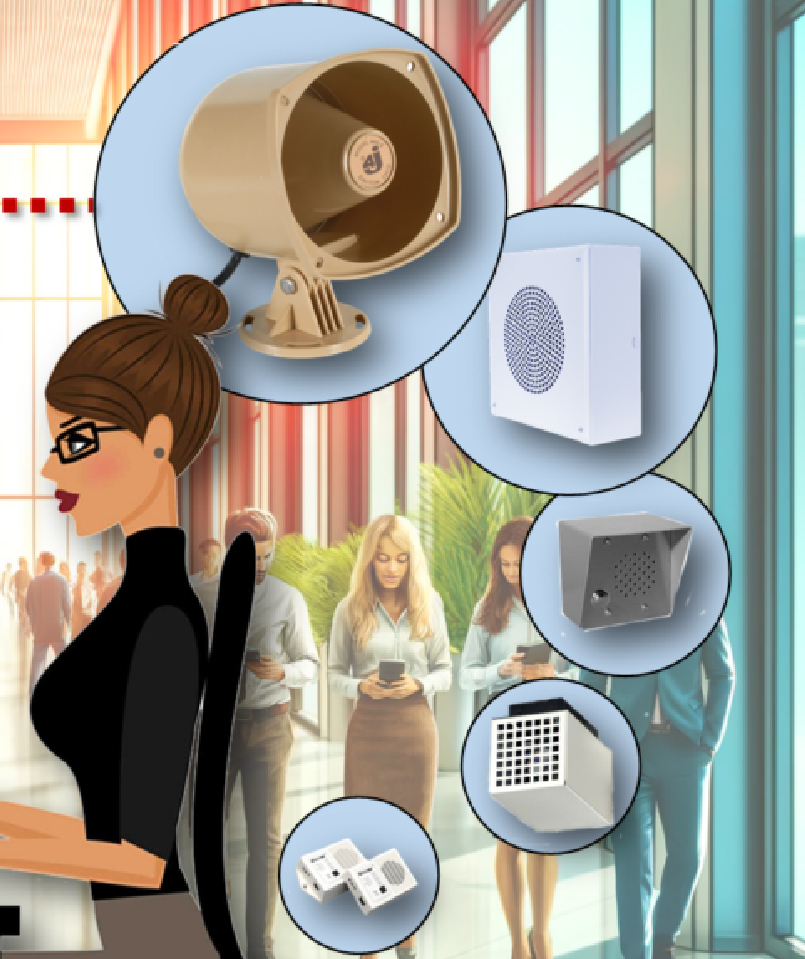 IP Paging Solutions

 Healthcare
 Hospitality
 School & Universities
 IT Office
 SMEs and SMBs
 Industries


 Public Address System
 VOIP Phones
 VOIP PBX
 VOIP Gateways
 Networking Solutions
 Call Center Headsets
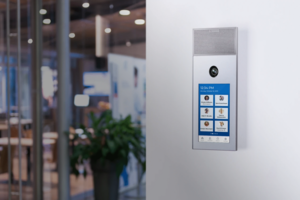 Emergency Intercom Stations


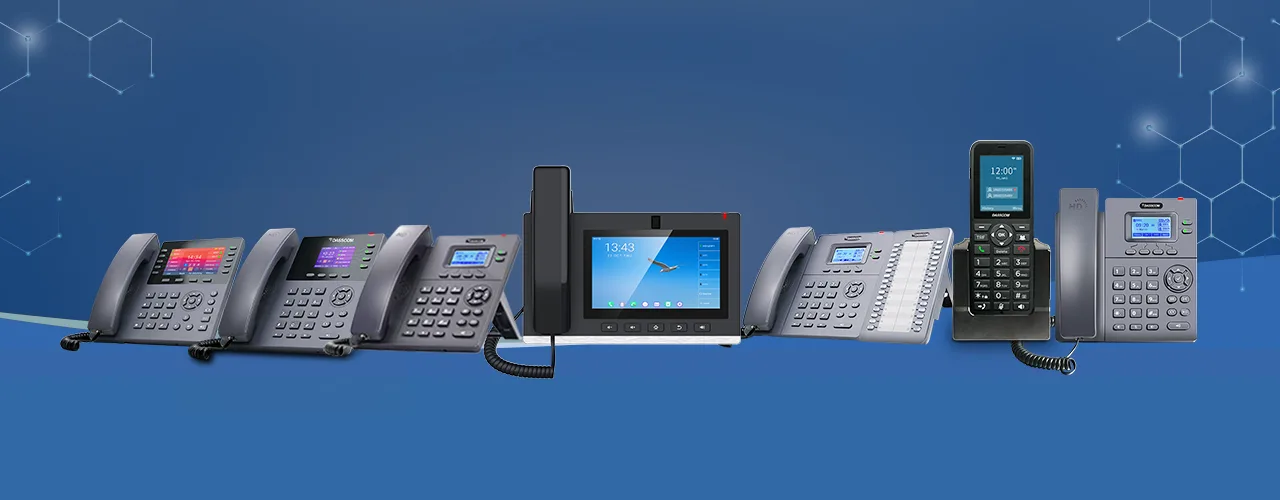
Choosing the Right IP Phone: Wired vs WiFi vs Hybrid
In today’s fast-paced digital ecosystem, communication is at the heart of every business operation. From front-desk interactions to executive boardrooms and customer support centers, the IP phone has become a cornerstone of modern connectivity.
fffs
In today’s fast-paced digital ecosystem, communication is at the heart of every business operation. From front-desk interactions to executive boardrooms and customer support centers, the IP phone has become a cornerstone of modern connectivity.
But with rapid advancements in technology, professionals now face a key decision — should they go for wired, WiFi, or hybrid IP phones?
Each type of VoIP phone offers unique benefits, tailored to different work environments and budgets. This guide breaks down everything you need to know to choose the best device for your needs — whether you’re setting up a small office, scaling a medium enterprise, or upgrading your existing IP phone systems.
And we’ll show how Dasscom’s VoIP portfolio, designed and engineered for reliability, perfectly fits every communication scenario.
Understanding IP Phones and How They Work
An IP phone (Internet Protocol phone) uses the internet to transmit voice calls rather than traditional telephone lines. It connects through Ethernet or WiFi, converting your voice into digital data packets that travel over your network.
The result?
- ✅ Superior audio clarity
- ✅ Cost savings on communication
- ✅ Seamless integration with unified communication tools
Whether you’re using a wired VoIP phone connected via LAN, a WiFi IP phone for mobility, or a hybrid IP phone offering both, the underlying principle remains — efficient, internet-driven communication that boosts productivity.
Dasscom’s range of IP phones is purpose-built for this ecosystem, ensuring excellent audio, secure connectivity, and enterprise-level reliability.
Why Businesses Are Moving to IP-Based Communication
In 2026, organizations of all sizes — from startups to global enterprises — are migrating to VoIP phone systems for better scalability and flexibility.
Here’s why:
- Lower Costs: Internet calling significantly reduces call expenses.
- Better Integration: Works seamlessly with CRM, call recording, and analytics tools.
- Remote Flexibility: Perfect for hybrid teams operating from multiple locations.
- Smart Features: Call forwarding, voicemail-to-email, and conferencing all in one device.
Dasscom’s VoIP phones deliver all these benefits while maintaining ease of deployment and enterprise-grade support — making them ideal for medium businesses, IT offices, and industries
Types of IP Phones: Wired, WiFi, and Hybrid
When choosing your communication setup, understanding the difference between these three is crucial.
A. Wired IP Phones: Stable and Reliable
Wired IP phones remain the go-to choice for most enterprises that demand consistent, high-quality voice connectivity.
Advantages:
- Zero interference or dropouts — ideal for call centers and offices.
- Powered via PoE (Power over Ethernet), eliminating additional adapters.
- Secure and stable connections with minimal network lag.
- Lower VoIP phone price compared to wireless variants.
Dasscom’s Basic IP Phones such as DXP-5150N, DXP-6100HP, and DXP-7200N are excellent examples of cost-effective, high-performance wired models.
They feature HD audio, programmable keys, and robust SIP compatibility — perfect for everyday business communication.
B. WiFi IP Phones: Mobility Meets Flexibility
As the workplace evolves, mobility has become a priority. WiFi IP phones allow users to stay connected without being tied to a desk.
Advantages:
- No dependency on physical cabling.
- Quick setup — ideal for temporary or expanding offices.
- Flexibility for hybrid workers and roaming staff.
- Reduced infrastructure costs for wireless deployments.
Dasscom’s DW-100 is a top-tier WiFi VoIP phone that combines enterprise-grade audio with wireless freedom. It’s built for professionals who move between meeting rooms, departments, or even remote sites — without losing call quality or connectivity.
C. Hybrid IP Phones: The Best of Both Worlds
Can’t decide between wired or wireless? Hybrid IP phones bridge that gap.
They support both Ethernet and WiFi connections — allowing seamless switching between the two based on your environment.
Advantages:
- Perfect balance between stability and mobility.
- Future-proof investment — adaptable to wired or wireless networks.
- Easy deployment in multi-floor or dynamic office setups.
- Reduced downtime — if one connection fails, the other keeps you online.
Dasscom’s DXP-4100, DXP-7250, and DXP-7500G are advanced hybrid IP phones that provide high-definition voice, Gigabit Ethernet, and WiFi dual-band connectivity. They’re designed for professionals and executives who require uninterrupted performance, flexibility, and modern design.
Comparing Wired, WiFi, and Hybrid IP Phones
| Feature | Wired IP Phones | WiFi IP Phones | Hybrid IP Phones |
| Connectivity | Ethernet (LAN) | Wireless (WiFi) | Ethernet + WiFi |
| Mobility | Fixed | High | Moderate to High |
| Power Source | PoE or adapter | Battery or adapter | PoE/WiFi |
| Stability | Excellent | Depends on signal | Excellent |
| Installation | Requires cabling | Easy setup | Flexible |
| Use Case | Desks, call centers | Hybrid offices, roaming users | Executives, flexible workspaces |
Each type suits different operational needs — which is why businesses often deploy a mix of VoIP phone systems for optimized communication.
types of call center

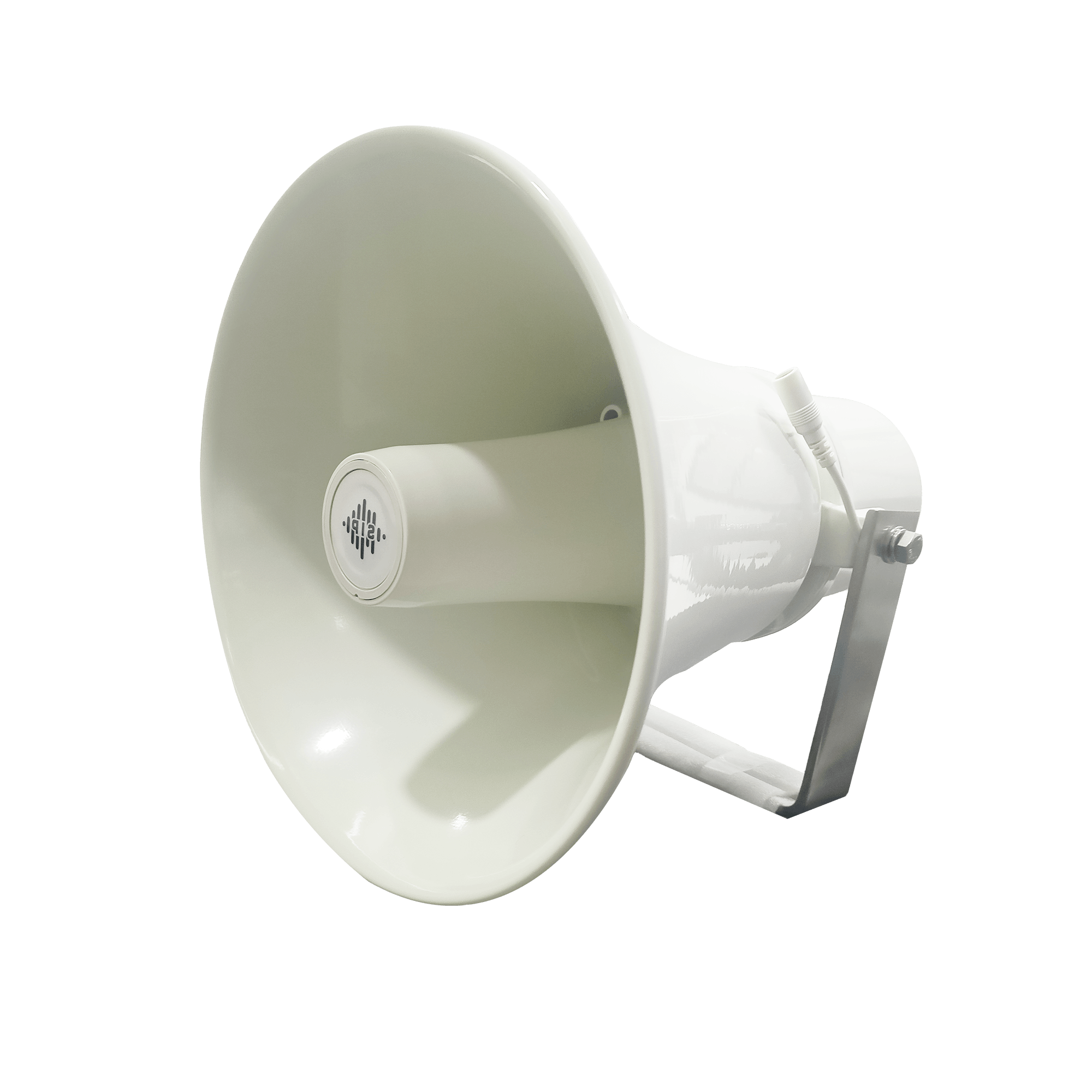
DS-15H
15 watt Horn speaker Support SIP IP 65 Rating Support BGM and announcement
DS-10C
10 watt Ceiling Speaker Support SIP PoE enabled Support BGM & announcement
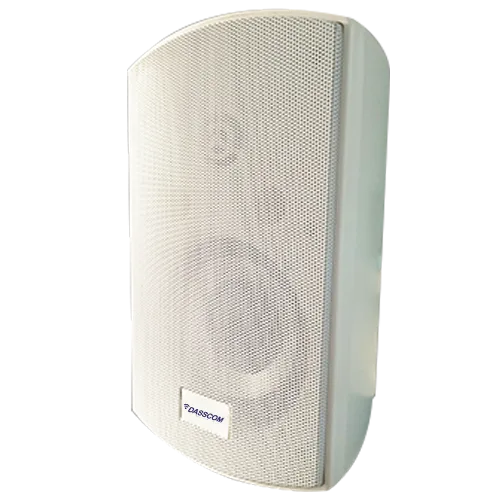
DS-15W
15 watt wall-mount speaker Support SIP PoE enabled Support BGM and announcement
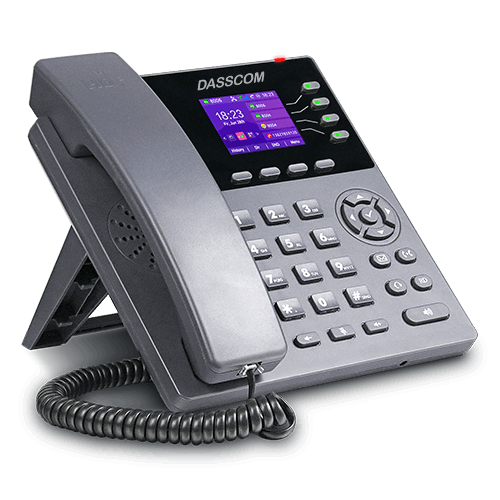
DXP-7200N
4 SIP Account PoE phone Colour Screen HD Voice
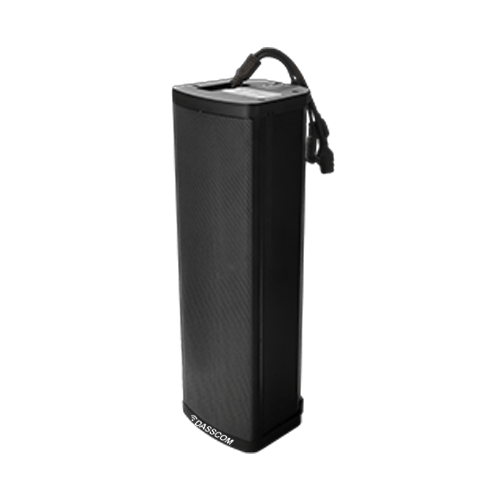
DS-30ECL
1.Built-in 30W amplifier, 2.Class D Amplifier
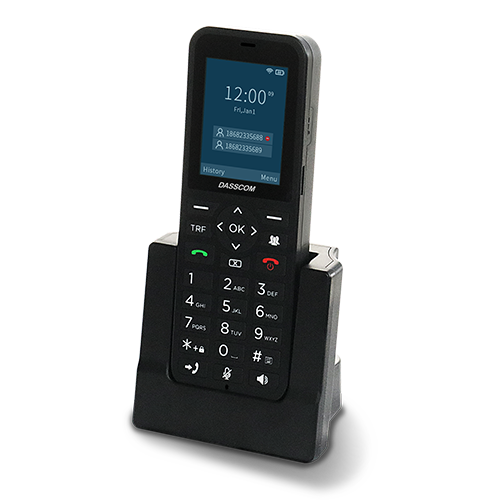
DW-100
2 SIP accounts Wi-fi Support Cordless Phone
Factors to Consider Before Choosing an IP Phone
Before finalizing your purchase, evaluate these core factors to ensure your device aligns with your communication goals:
a. Network Infrastructure
If your office already has a strong wired network, a wired IP phone will be more reliable. However, in spaces where Ethernet cabling is limited, WiFi or hybrid IP phones make deployment simpler.
b. Budget and VoIP Phone Price
While wired IP phones are typically more affordable, WiFi and hybrid models offer flexibility that justifies their higher price in dynamic environments. Dasscom provides options at multiple voip phone price points to suit every budget.
c. Usage Environment
- Call centers: Prefer wired for stability.
- Executives: Hybrid models like DXP-7250 for mobility and performance.
- Remote teams: WiFi-based phones like DW-100 for seamless communication.
d. Compatibility
Ensure the phone supports standard SIP protocols to work with your VoIP phone systems for medium business, IP PBX setups, and cloud-hosted platforms.
e. Audio and Build Quality
HD audio, echo cancellation, and sturdy design are non-negotiable — all Dasscom models come equipped with these essentials.
Dasscom: A Trusted VoIP Phone Manufacturer
As one of India’s most trusted VoIP phone manufacturers, Dasscom stands for innovation, reliability, and scalability. Our product line caters to diverse business needs — from budget-conscious startups to enterprise communication networks.
Our VoIP Phone Categories:
🔹 Basic IP Phones (DXP-5150N, DXP-6100HP, DXP-7200N)
- Designed for efficiency and clarity.
- Ideal for call centers and SMEs.
- Feature-rich at a competitive voip phone price.
🔹 WiFi Phones (DW-100)
- Wireless freedom with strong signal performance.
- Dual-band connectivity ensures consistent call quality.
- Ideal for modern, mobile workplaces.
🔹 Hybrid IP Phones (DXP-4100, DXP-7250, DXP-7500G)
- Dual connectivity (Ethernet + WiFi) for stable and flexible operation.
- Gigabit ports, HD voice, and intuitive interfaces.
- Ideal for executives, collaborative workspaces, and hybrid offices.
🔹 Executive IP Phones (DXP-7250, DXP-7500G)
- Premium build with hybrid connectivity options.
- Gigabit ports, HD voice, and intuitive interfaces.
- Perfect for senior professionals and conference setups.
🔹 Video Phones (DXV-3050)
- High-definition video calling for boardrooms and remote meetings.
- Integrated camera and touchscreen for next-gen collaboration.
By offering a complete portfolio, Dasscom ensures that every business — small or large — can find the perfect match within its IP phone systems.
The Future of IP Phone Systems
The next generation of VoIP phone systems is evolving rapidly. Businesses can expect:
- AI-powered call analytics for smarter insights.
- Cloud-native VoIP integration for remote management.
- Inbuilt WiFi 6 and Bluetooth 5.3 in premium models.
- Touch-based displays and voice assistant compatibility.
Dasscom is already developing these next-gen communication solutions — ensuring your investment remains relevant as technology advances.
Why Medium Businesses Should Upgrade Now
For growing enterprises, reliable communication is non-negotiable. VoIP phone systems for medium business offer scalability and integration without high infrastructure costs.
Benefits for medium businesses:
- Centralized control via IP PBX.
- Scalable extensions as teams expand.
- Integration with CRM and ERP tools.
- Lower maintenance compared to analog systems.
With Dasscom, you get tailored solutions — combining VoIP phones, gateways, and PBX systems for a complete, unified setup.
Common Myths About VoIP Phones — Busted!
Myth 1: VoIP phones are expensive.
✅ Fact: Dasscom offers models at competitive voip phone price points — often cheaper than maintaining analog lines.
Myth 2: VoIP phones need complex setup.
✅ Fact: Plug-and-play configuration makes installation quick and simple.
Myth 3: Voice quality isn’t as good as landline.
✅ Fact: With HD codecs and noise suppression, ip phones often outperform analog telephony.
Myth 4: WiFi phones are unreliable.
✅ Fact: With WiFi 6 and QoS optimization, today’s wireless voip phone systems are incredibly stable.
Quick summary
See how Nextiva transforms the sales and support team productivity.
Call Center Software FAQs
1. What is the difference between an IP phone and a VoIP phone?
2. Are WiFi IP phones as reliable as wired ones?
3. What’s the average VoIP phone price in India?
4. Can IP phones integrate with existing PBX systems?
5. What’s best for medium-sized businesses — wired, WiFi, or hybrid?
6. Are Dasscom IP phones made in India?
7. How secure are VoIP phones?
8. Can I mix wired and WiFi phones in one office?
Related Products
Related Blogs