 Indoor Speakers
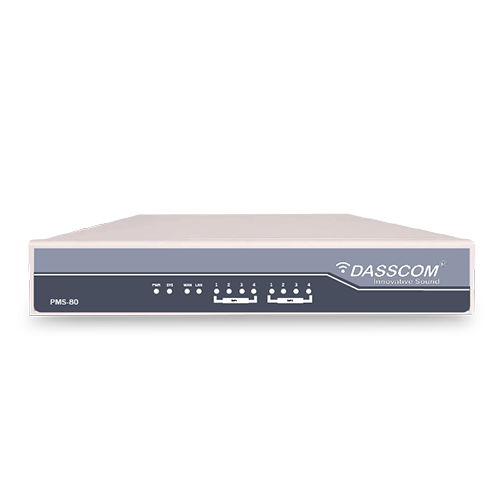 Paging Controller
 Outdoor Speakers
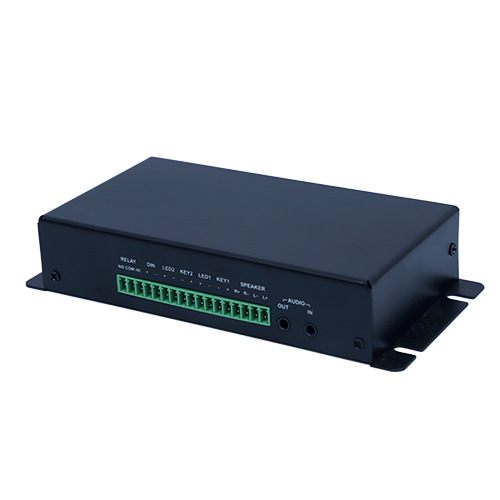 IP Amplifier & Gateway
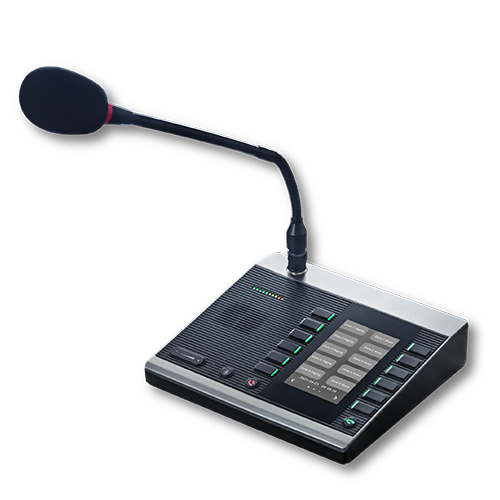 Paging Microphones
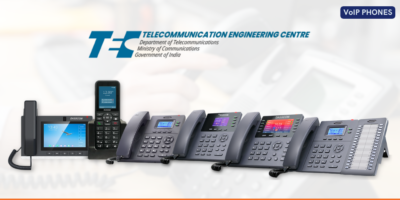
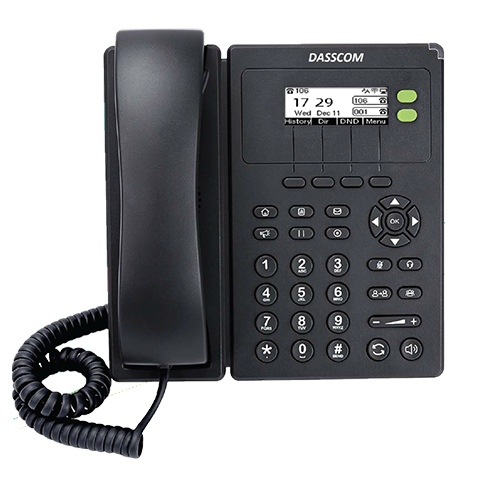
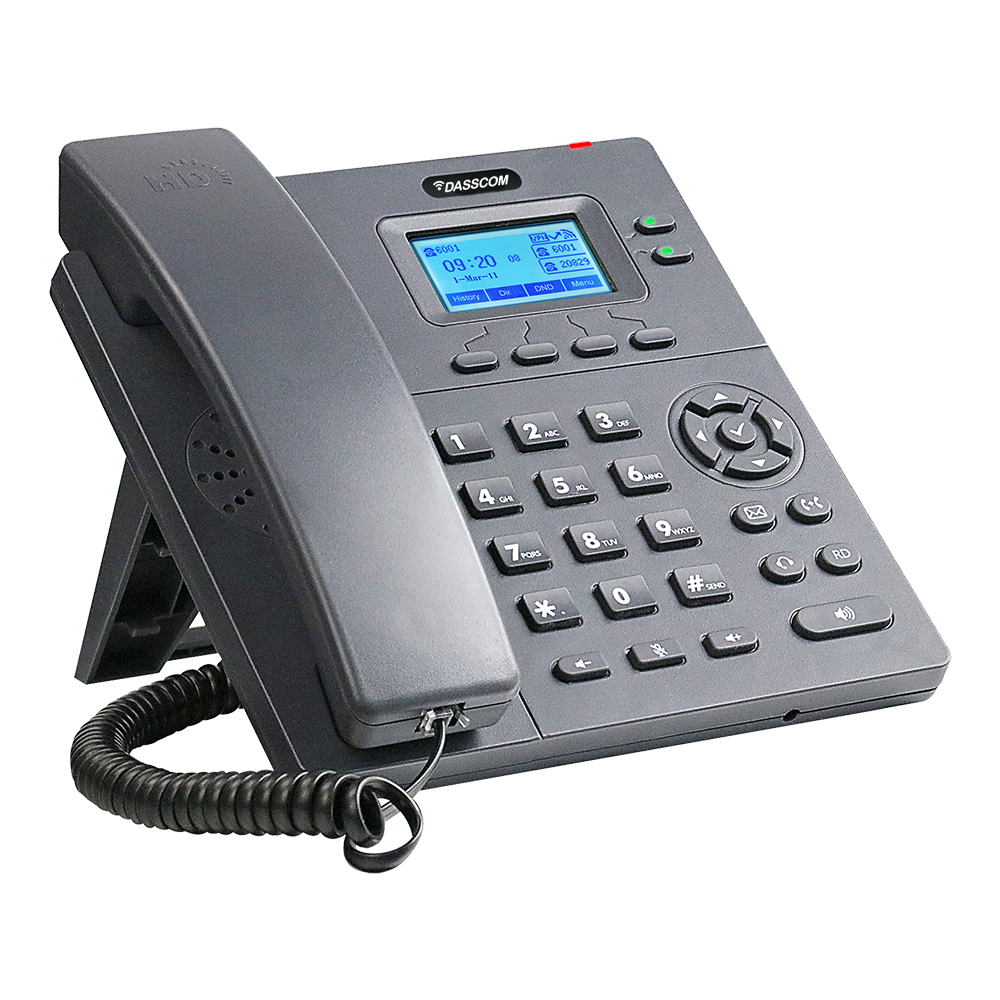 Basic IP Phones
 Wifi Phones
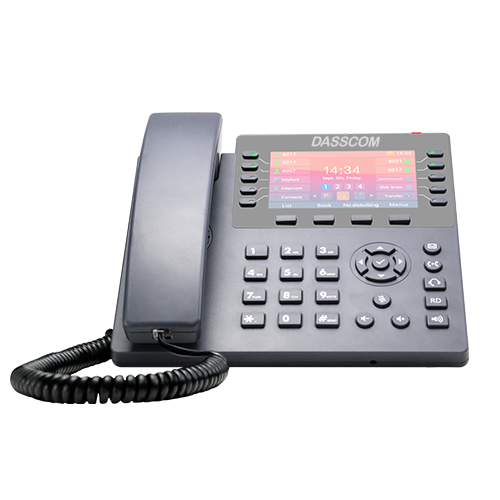 Executive IP Phones
 Video Phones
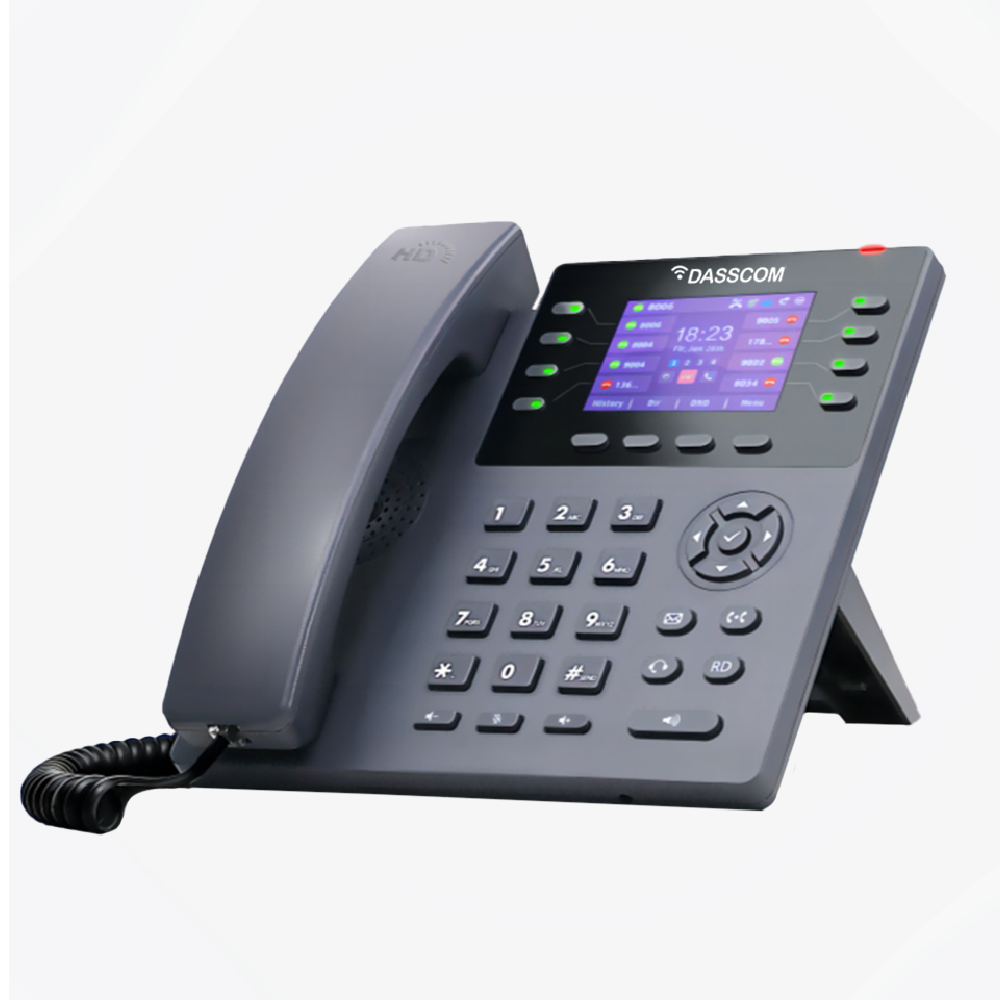
 Duc-series
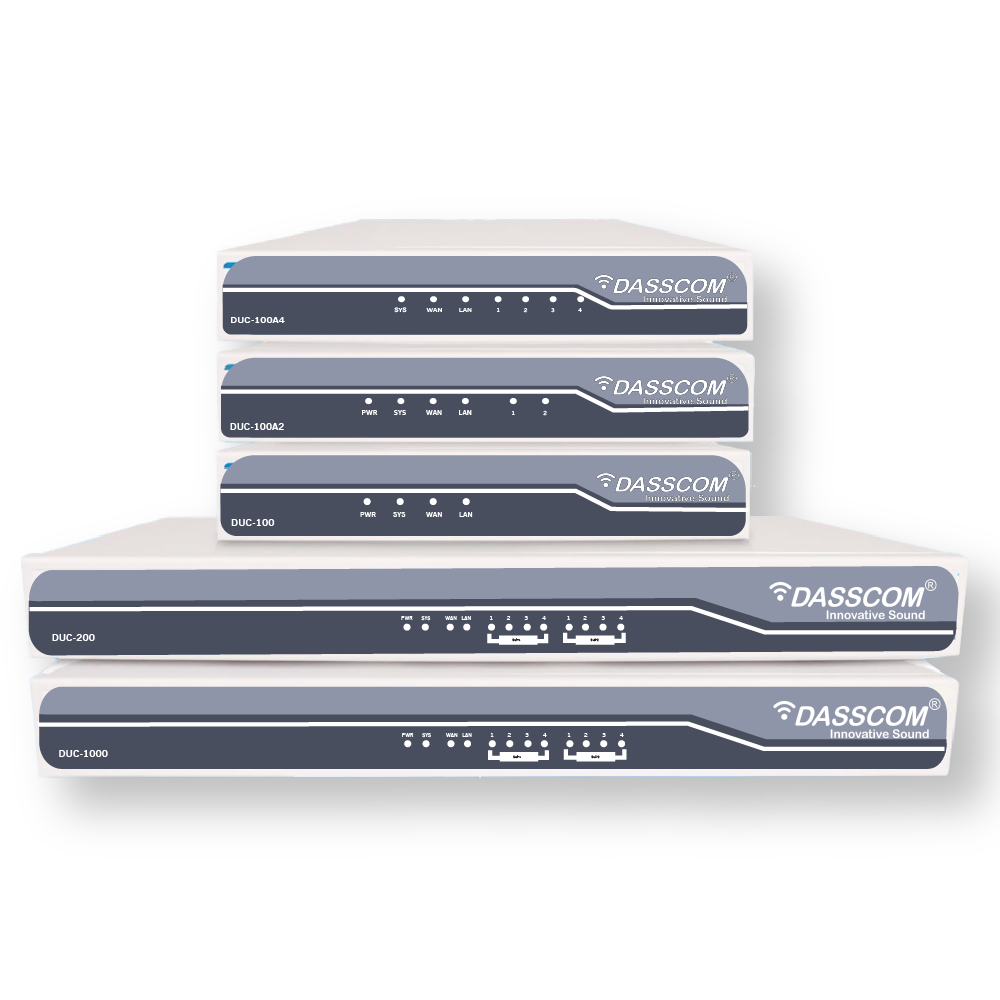
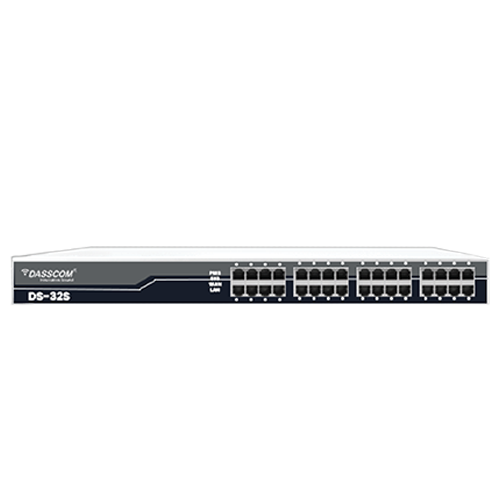 FXS/FXO Gateways
 E1/T1 Gateway
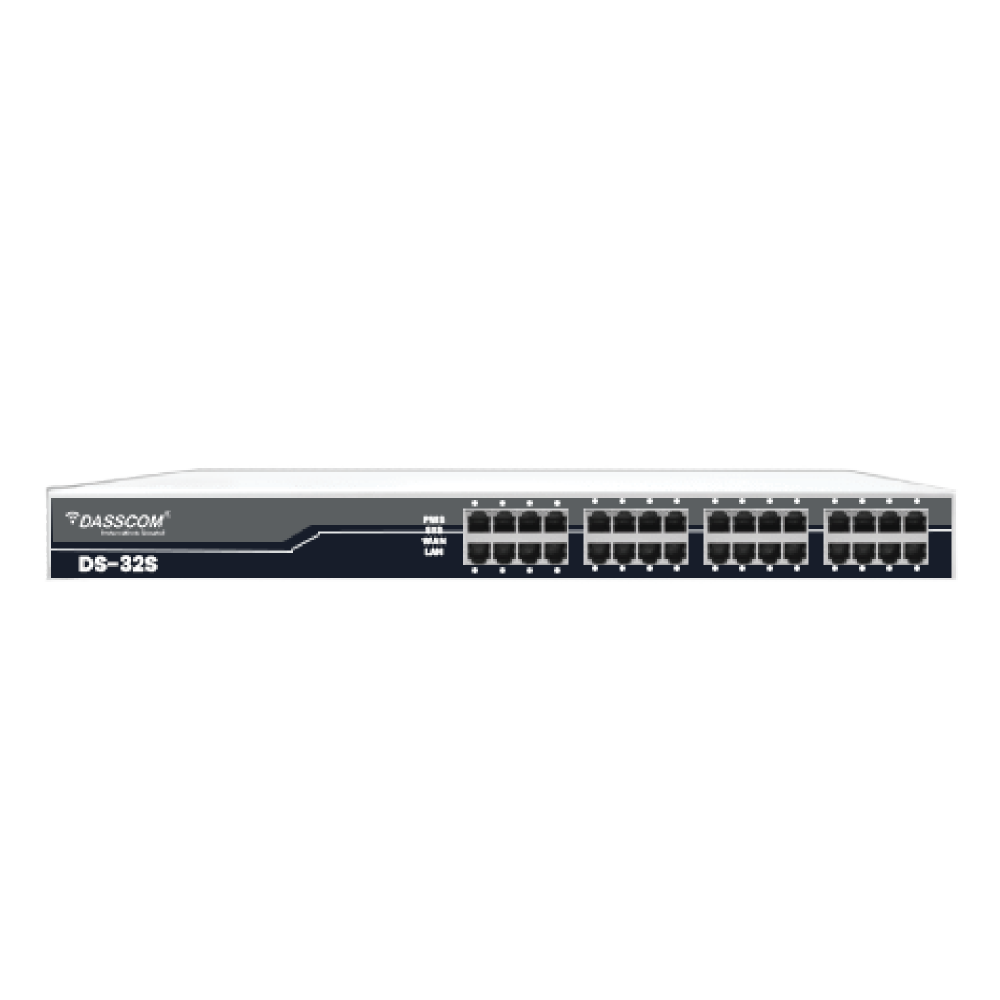
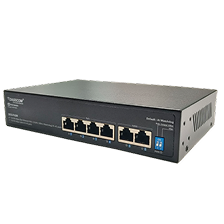 Unmanaged Switches
 Managed Switches
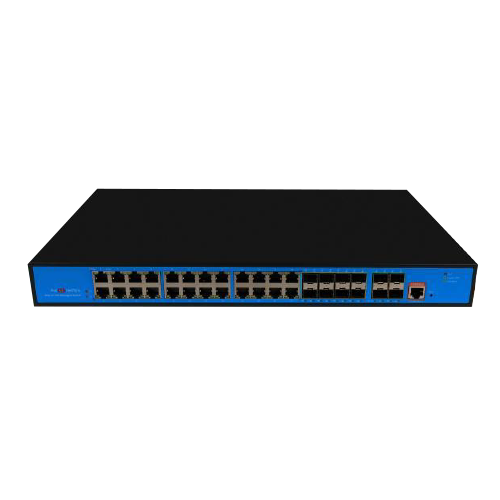 Industrial Switches
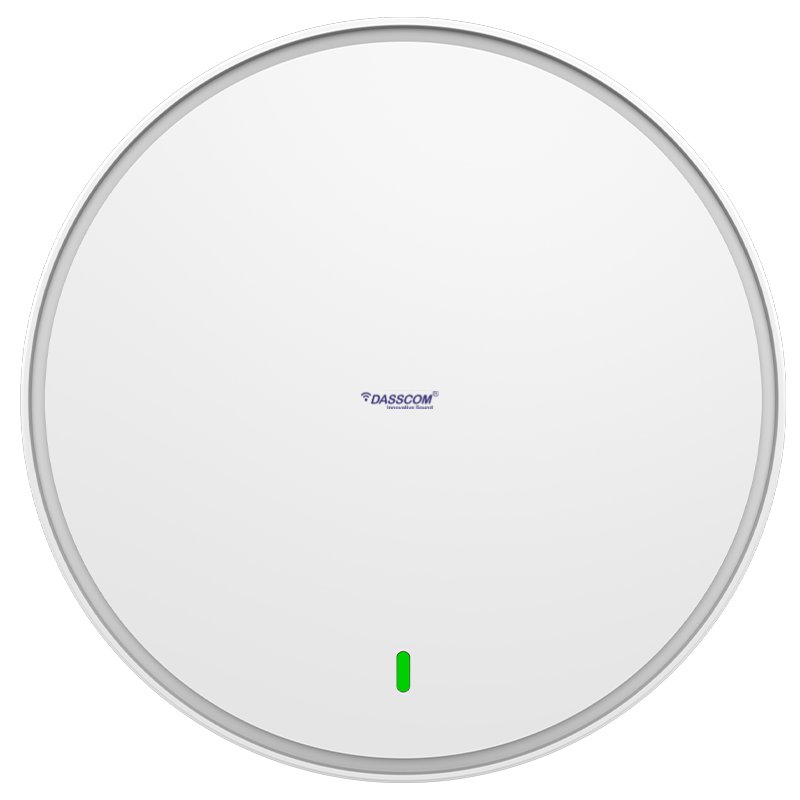 Access Points
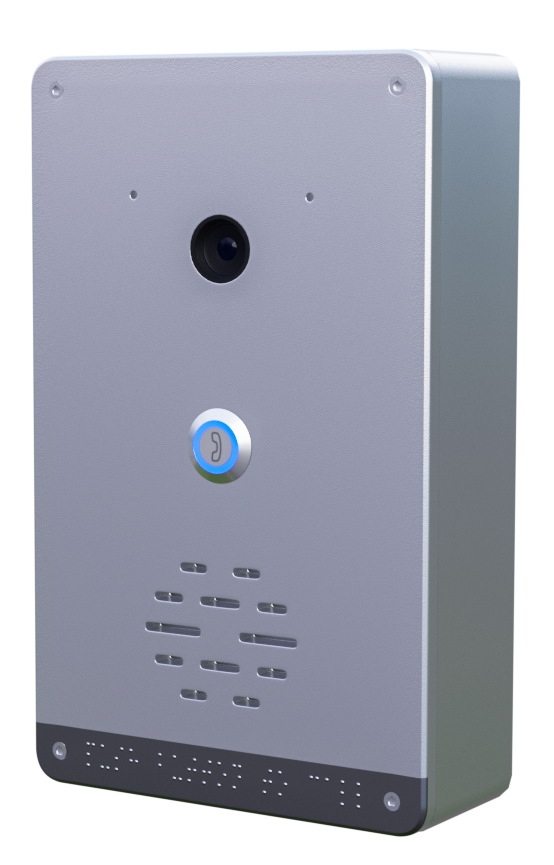 Safety Intercoms
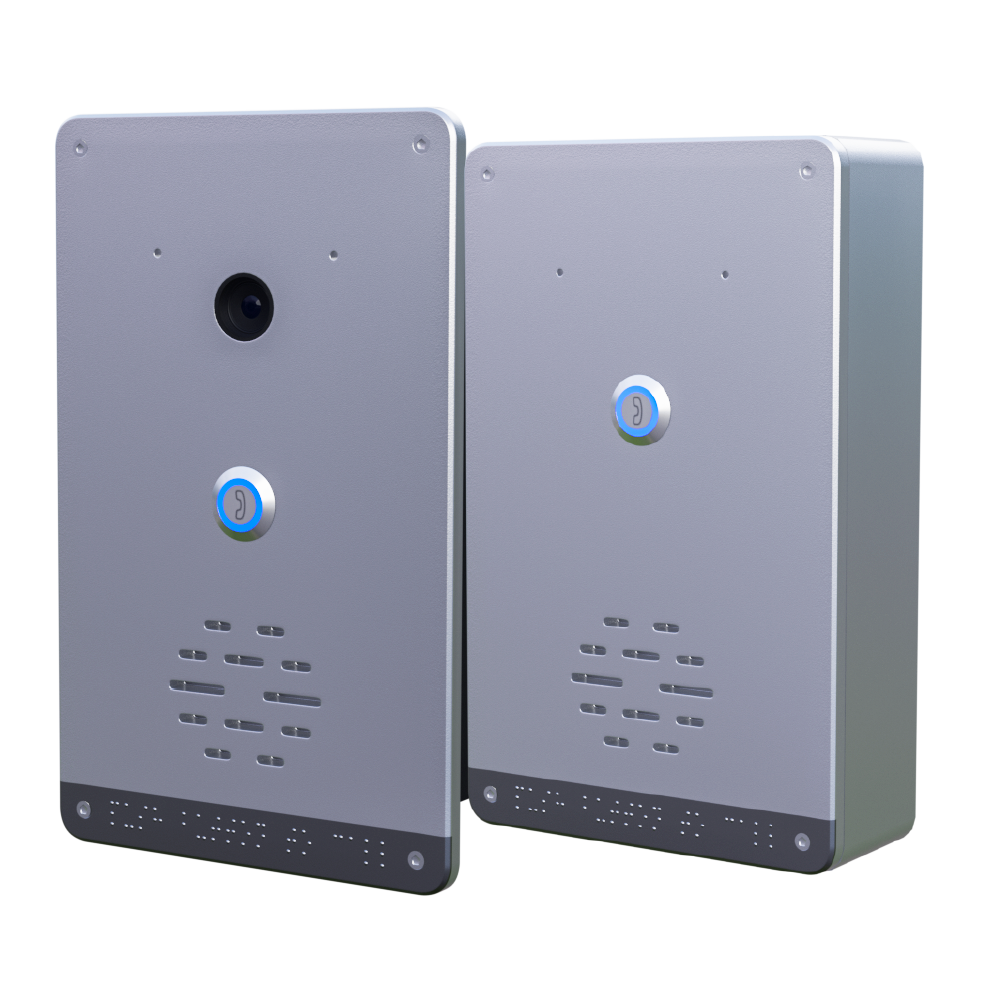
 Veda Series
 Divine Series
 Tatva Series
 VoIP Office
 Call Center Solutions
 Network Communications
 Public Safety
 Video & Security System
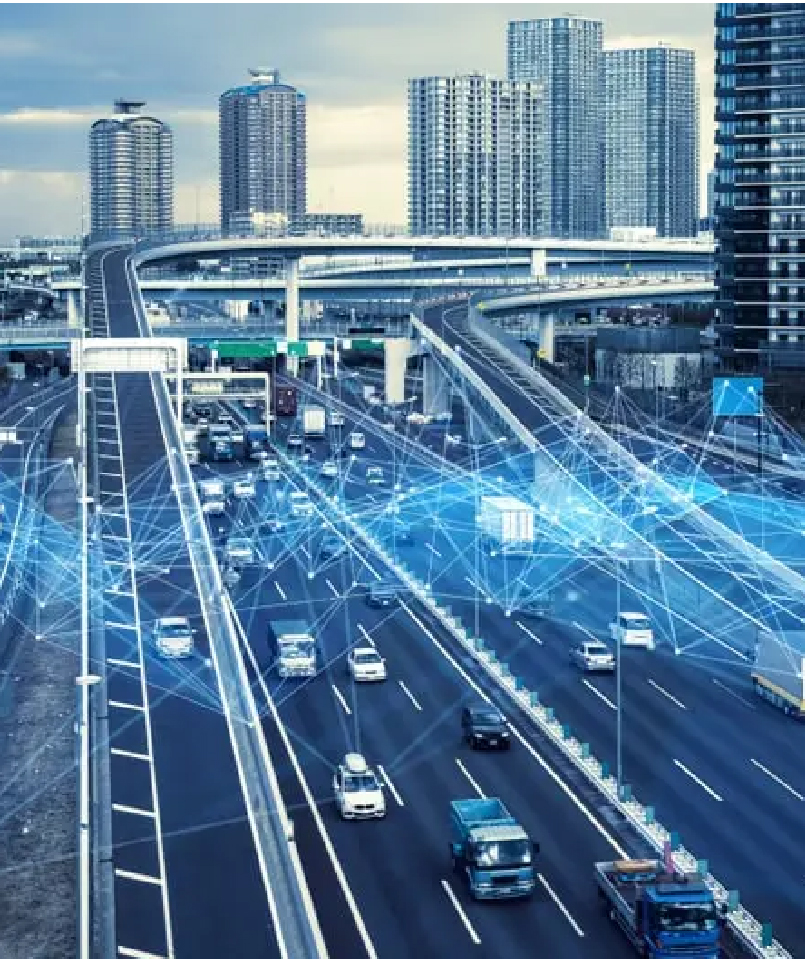 Highway Communication
 Intercom System
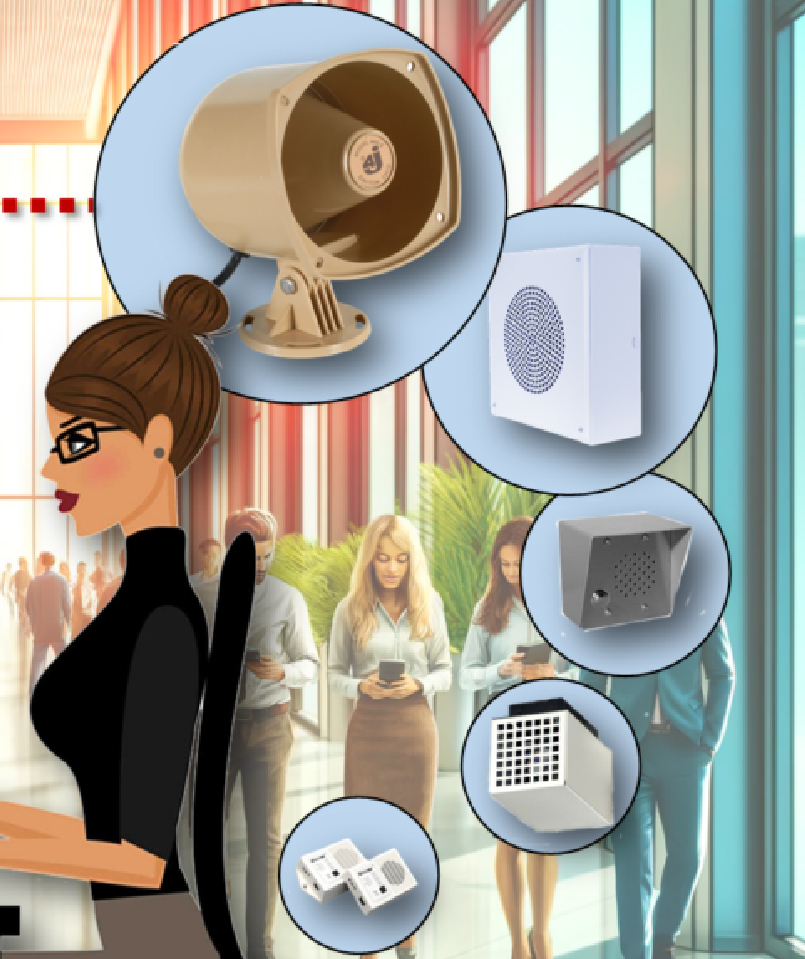 IP Paging Solutions

 Healthcare
 Hospitality
 School & Universities
 IT Office
 SMEs and SMBs
 Industries

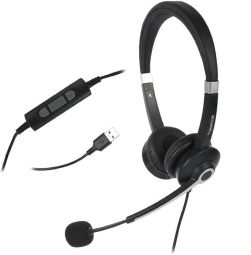

 Public Address System
 VOIP Phones
 VOIP PBX
 VOIP Gateways
 Networking Solutions
 Call Center Headsets
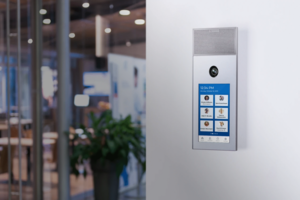 Emergency Intercom Stations


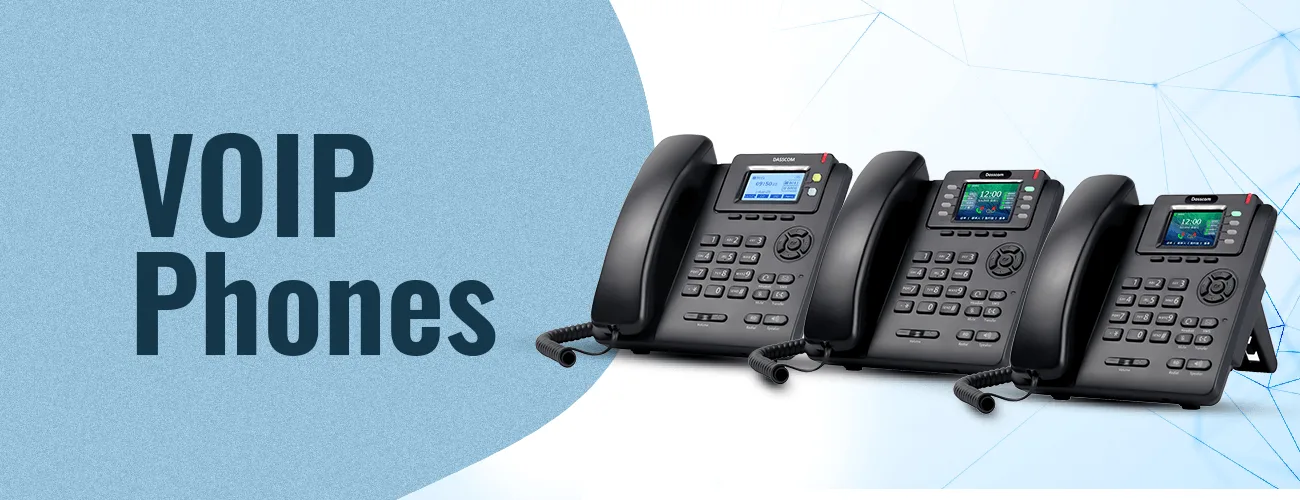
Managed Network Switches: Features, Benefits, and Business Advantages
fffs
As digital transformation accelerates in 2026, businesses are increasingly shifting toward advanced switching solutions that provide better scalability, security, and operational control. Unlike basic plug-and-play devices, managed network switches offer intelligent configuration capabilities that help organizations build faster, safer, and more reliable networks.
What Is a Managed Network Switch?
Why Businesses Prefer Managed Network Switches
For businesses that rely on uninterrupted connectivity, modern business network switches provide operational flexibility that unmanaged devices simply cannot match.
Key Features of Managed Ethernet Switches
The Growing Demand for 24 Port PoE Network Switch Solutions
Businesses today are deploying more IP-based devices than ever before. This has significantly increased the demand for the 24 port poe network switch, which combines high-density connectivity with Power over Ethernet functionality.
A 24 port poe network switch allows organizations to connect and power multiple devices such as:
- IP cameras
- Wireless access points
- VoIP phones
- Access control systems
Enterprise Managed Switches and Network Scalability
- Add users easily
- Improve traffic visibility
- Deploy new IP devices
- Improve traffic visibility
Modern enterprise managed switches also support fiber uplinks, redundancy protocols, and advanced security frameworks that help businesses maintain long-term operational stability.
Managed Switch Benefits for Business Operations
Managed Switches in Smart Business Environments
- IP telephony
- Smart lighting systems
- Wireless access points
- Surveillance systems
- Building automation platforms
A high-performance managed switch ensures all these systems operate efficiently without network congestion.
Many organizations now deploy managed ethernet switches as part of their broader digital transformation strategy because they provide better control over increasingly complex networks.
Security Advantages of Managed Switching
- VLAN isolation
- Port authentication
- Traffic filtering
- Access control policies
- Network monitoring
Why PoE Switching Matters in Modern Networks
- Surveillance systems
- Wireless networking
- VoIP communication
- Smart building infrastructure
Choosing the Right Managed Switch
- Number of connected devices
- Required PoE capacity
- Security requirements
- Scalability needs
- raffic management complexity
Future Trends in Managed Networking
- AI-driven traffic optimization
- Cloud-managed switching
- Smart PoE management
- Zero-trust network security
- Integration with IoT ecosystems
Final Thoughts
If you want your business to have an efficient communication system, you must invest in quality VoIP phones. Remember that the communication aspect of your business is very sensitive and equally important. The more you streamline it, the better results you will get. Dasscom’s VoIP phones are your way to achieve flawless operations.
types of call center

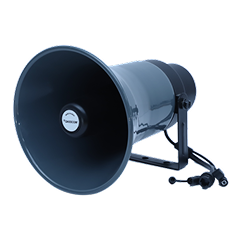
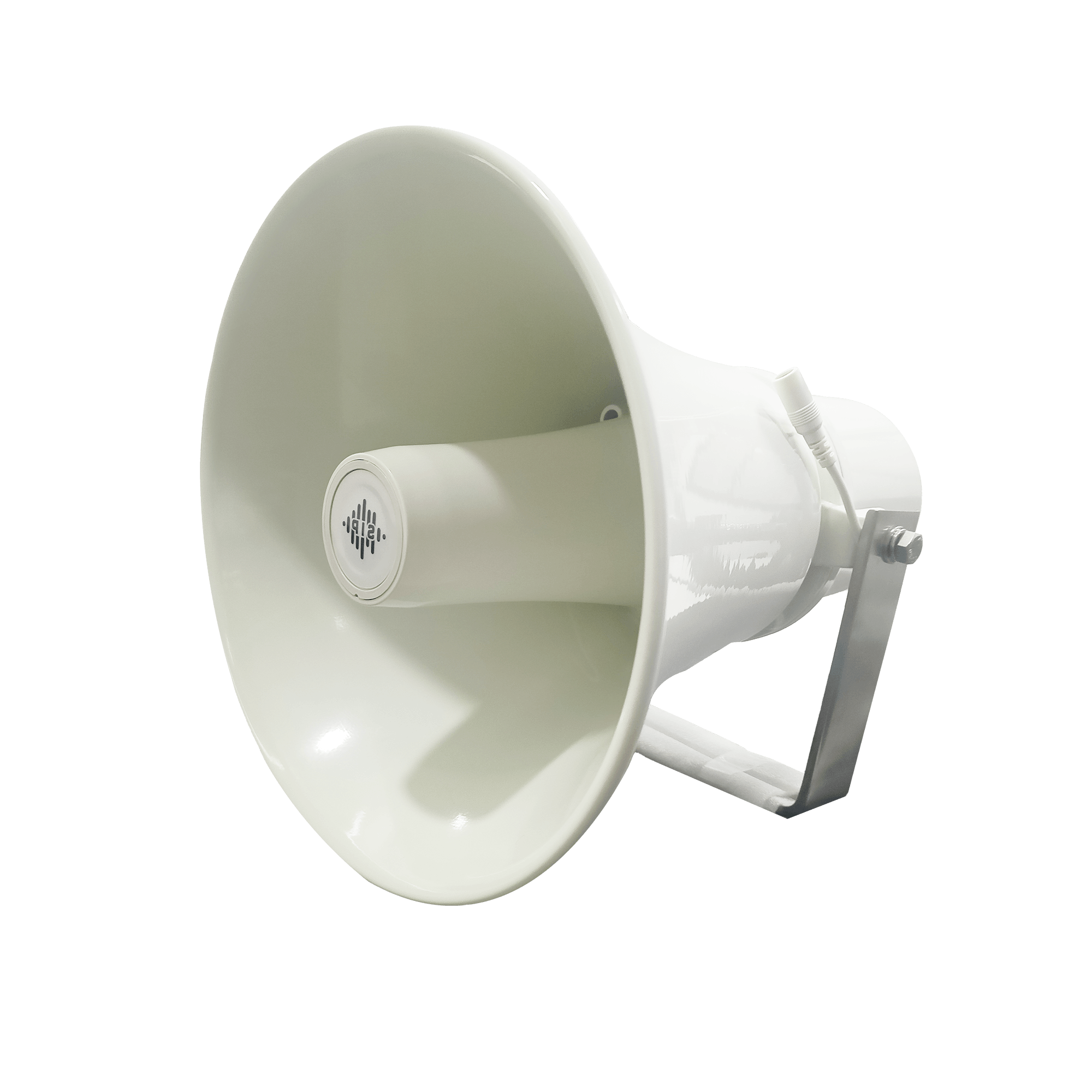
DS-15H
15 watt Horn speaker Support SIP IP 65 Rating Support BGM and announcement
DS-10C
10 watt Ceiling Speaker Support SIP PoE enabled Support BGM & announcement
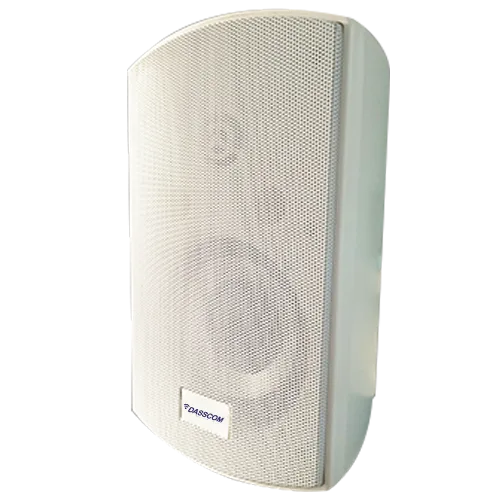
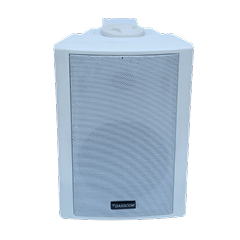
DS-15W
15 watt wall-mount speaker Support SIP PoE enabled Support BGM and announcement
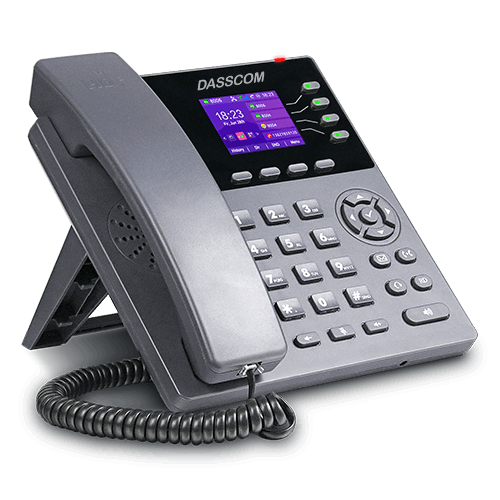
DXP-7200N
4 SIP Account PoE phone Colour Screen HD Voice
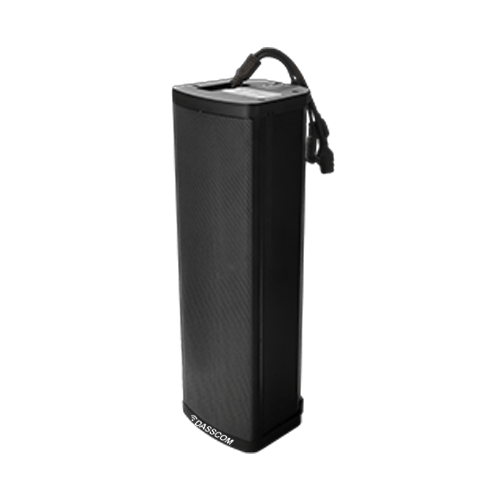
DS-30ECL
1.Built-in 30W amplifier, 2.Class D Amplifier
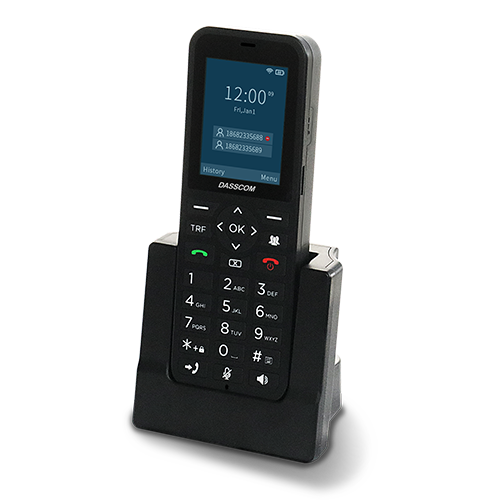
DW-100
2 SIP accounts Wi-fi Support Cordless Phone
Quick summary
See how Nextiva transforms the sales and support team productivity.
Frequently Asked Questions (FAQs)
1. What is a managed network switch?
2. Why are managed network switches important for businesses?
3.What are the major managed switch benefits?
4. Why do businesses use 24 port PoE network switch solutions?
5. What is the difference between managed and unmanaged switches?
6.Are managed ethernet switches suitable for enterprise environments?
7.What are enterprise managed switches used for?
Related Products

Related Blogs
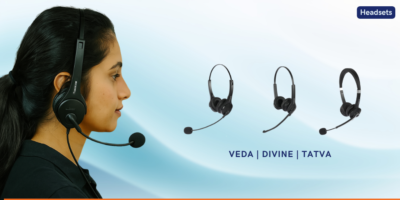
Best Noise Cancelling Headset for Call Centers: 2026 Buying Guide
Read More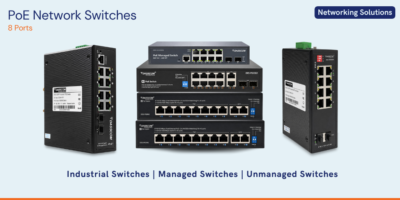
8 Port PoE Switch: Complete Guide for Small Networks & CCTV
Read More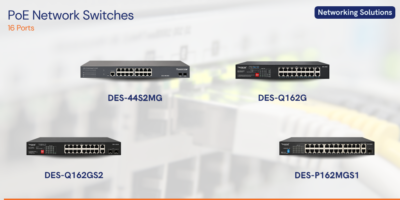
16 Port PoE Switch: How to Choose the Right Switch for CCTV & IP Cameras
Read More