
 Indoor Speakers
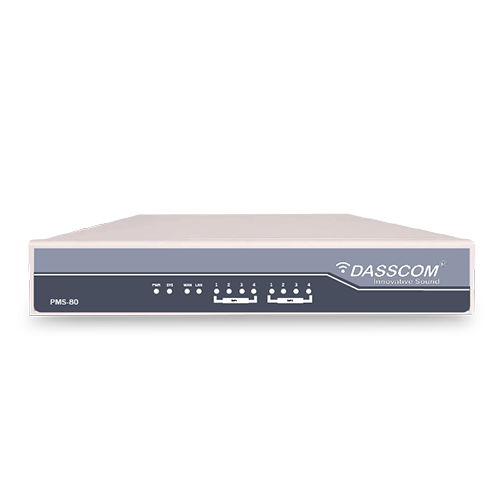 Paging Controller
 Outdoor Speakers
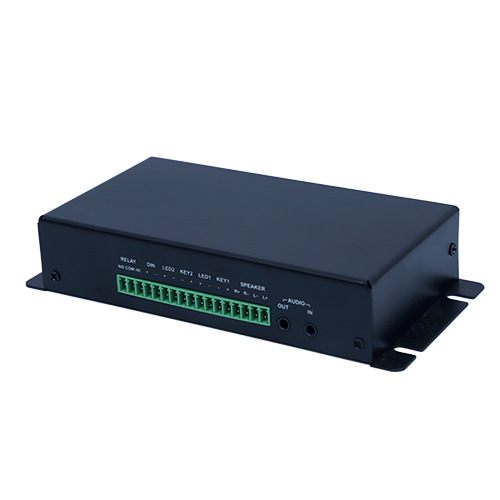 IP Amplifier & Gateway
 Paging Microphones
 Basic IP Phones
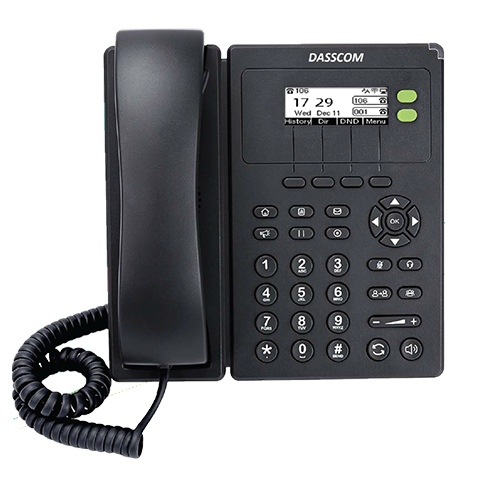 Wifi Phones
 Executive IP Phones
 Video Phones
 Duc-series
 FXS/FXO Gateways
 E1/T1 Gateway

 Unmanaged Switches
 Managed Switches
 Industrial Switches
 Access Points
 Safety Intercoms
 Veda Series
 Divine Series
 Tatva Series

 VoIP Office
 Call Center Solutions
 Network Communications
 Public Safety
 Video & Security System
 Highway Communication
 Intercom System
 IP Paging Solutions

 Healthcare
 Hospitality
 School & Universities
 IT Office
 SMEs and SMBs
 Industries



 Public Address System
 VOIP Phones
 VOIP PBX
 VOIP Gateways
 Networking Solutions
 Call Center Headsets
 Emergency Intercom Stations



Modern businesses no longer operate on isolated communication channels. Voice calls, data sharing, and video collaboration now flow through a single, intelligent infrastructure. This convergence is what defines today’s network communications—a unified approach that improves efficiency, collaboration, and scalability across organizations.
In this blog, we explain how voice, data, and video integrate into one system, why IP based network communication is the backbone of modern enterprises, and how businesses can build a future-ready communication environment.
What Are Network Communications?
Network communications refer to the transmission of voice, data, and video across interconnected networks using digital technologies. Instead of running separate systems for telephony, IT data, and video conferencing, organizations now rely on a single network of communication built on IP infrastructure.
This unified approach allows:
- Faster information exchange
- Centralized management
- Better resource utilization
- Lower operational costs
At the core of this transformation is IP networking and VoIP technology.
The Evolution of Network Communication
Traditional communication models relied on parallel systems:
- PSTN for voice
- LAN/WAN for data
- Dedicated hardware for video
This fragmented network of communication was costly, complex, and difficult to scale. With the rise of IP based network communication, businesses moved toward a single digital “highway” where all forms of communication coexist.
Think of modern networks as a highway communication system—voice, data, and video are different vehicles traveling on the same intelligent route, prioritized and managed for smooth flow.
Combining Voice, Data & Video
Voice Communication (VoIP)
Voice is transmitted as data packets over IP networks using VoIP technology. This enables VoIP network communications that are flexible, scalable, and cost-efficient.
Data Communication
Emails, files, applications, and cloud services rely on high-speed data transmission across the same infrastructure.
Video Communication
Video conferencing, surveillance, and streaming use higher bandwidth but benefit from the same centralized control.
Integrating these three elements creates a unified network communications system for office environments.
Role of VoIP in Network Communications
VoIP is a key pillar of modern network communications using VoIP phones. Instead of separate telephone wiring, VoIP phones connect directly to the data network, sharing bandwidth intelligently.
Benefits include:
- Reduced cabling and infrastructure
- Easy extension across locations
- Seamless remote work enablement
- Centralized call management
This makes network communications using VoIP phones ideal for enterprises, SMBs, and multi-branch organizations.
Contact Sales
Why IP-Based Network Communication Matters
An IP based network communication model allows all communication types to operate on standard IP protocols. This brings several strategic advantages:
- Unified Infrastructure: One network for voice, data, and video
- Scalability: Easy to add users, devices, or locations
- Interoperability: Works with modern applications and cloud platforms
- Cost Efficiency: Lower maintenance and operational expenses
For businesses planning long-term growth, IP-based communication is no longer optional—it’s essential.
Network Communications System for Office Environments
A modern network communications system for office setups typically includes:
- VoIP phones and softphones
- Network switches and routers
- Video conferencing endpoints
- Unified communication platforms
All these components operate within a single network of communication, enabling seamless collaboration between teams.
Common use cases include internal voice and video meetings that enable seamless collaboration between teams, customer support and call center operations that rely on clear and reliable communication, and real-time data sharing across departments for faster decision-making. In addition, modern communication networks play a key role in enabling hybrid and remote workforces by ensuring employees stay connected and productive from any location.
Request a Demo
Managing Traffic on the Communication Highway
Just like real highways need traffic rules, highway communication within networks requires intelligent management. Voice and video are time-sensitive, while data traffic can tolerate slight delays.
Using QoS and traffic prioritization, businesses ensure:
- Clear voice calls
- Smooth video conferencing
- Stable data transfer
This intelligent routing is what makes integrated network communications reliable and efficient.
Security in Integrated Network Communications
A unified network must also be secure. Modern IP based network communication systems incorporate:
- Network segmentation (VLANs)
- Encryption for voice and video
- Access control and authentication
- Continuous monitoring
Security ensures that the network of communication remains protected against internal and external threats.
VoIP Network Communications & Business Productivity
By enabling VoIP network communications, businesses unlock faster decision-making through real-time connectivity, improved team collaboration across locations, and reduced communication delays that keep workflows moving smoothly. At the same time, clearer and more reliable interactions lead to better customer engagement, helping organizations deliver more responsive and professional experiences.
VoIP integrates easily with CRM, helpdesk, and collaboration tools—transforming communication into a productivity engine rather than a standalone function.
Real-World Applications
- Corporate Offices: Integrated voice, video, and data create a seamless network communications system for office productivity.
- Education & Campuses: Unified communication supports online learning, announcements, and collaboration.
- Healthcare: Reliable network communications enable coordination, alerts, and teleconsultations.
- Smart Infrastructure: Large-scale deployments rely on highway communication principles to manage massive data, voice, and video flows efficiently.
Future of Network Communications
The future of network communications lies in:
- AI-driven traffic optimization
- Cloud-based unified communications
- Deeper integration with business applications
- Enhanced mobility and remote access
As networks evolve, network communications using VoIP phones and IP platforms will continue to dominate enterprise communication strategies.
Final Thoughts
Voice, data, and video integration is no longer a luxury—it’s a necessity. A unified network of communication built on IP based network communication empowers businesses with flexibility, scalability, and control.
By adopting modern network communications, organizations can transform how teams collaborate, how customers are served, and how operations scale. Whether it’s through VoIP network communications or fully integrated office systems, the future belongs to connected, intelligent networks.
Find a Dealer