
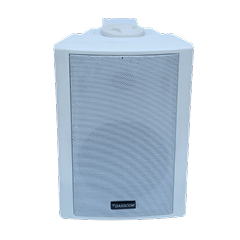
 Indoor Speakers
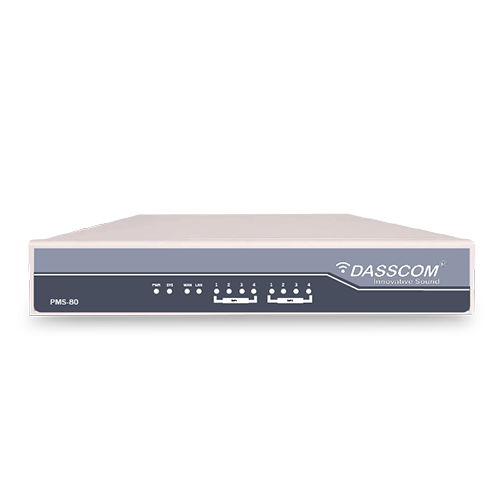 Paging Controller
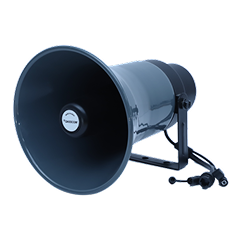 Outdoor Speakers
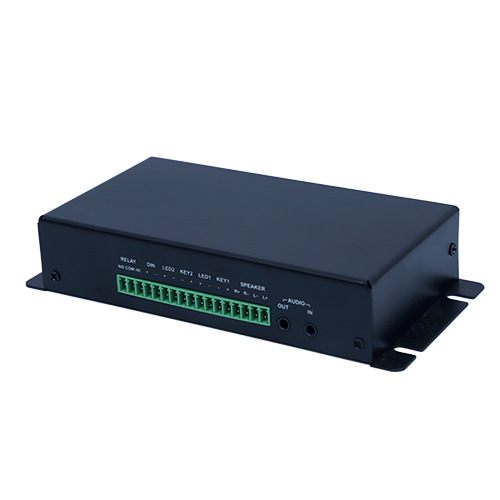 IP Amplifier & Gateway
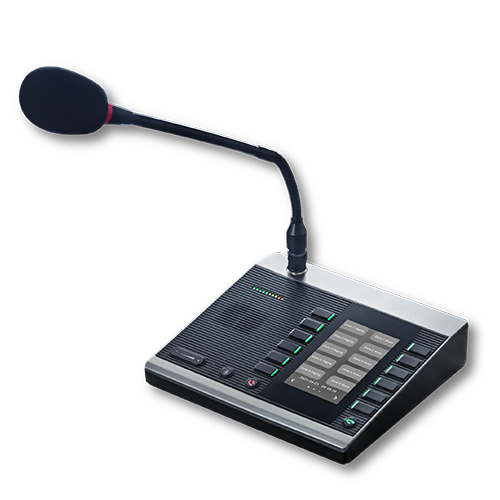 Paging Microphones
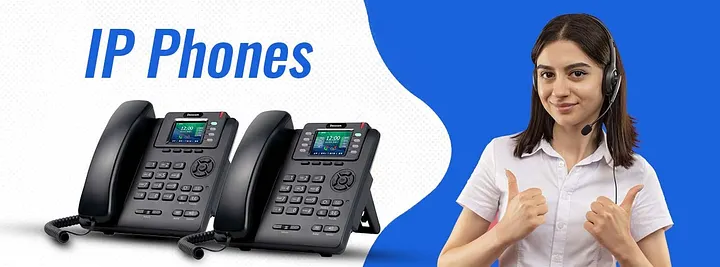
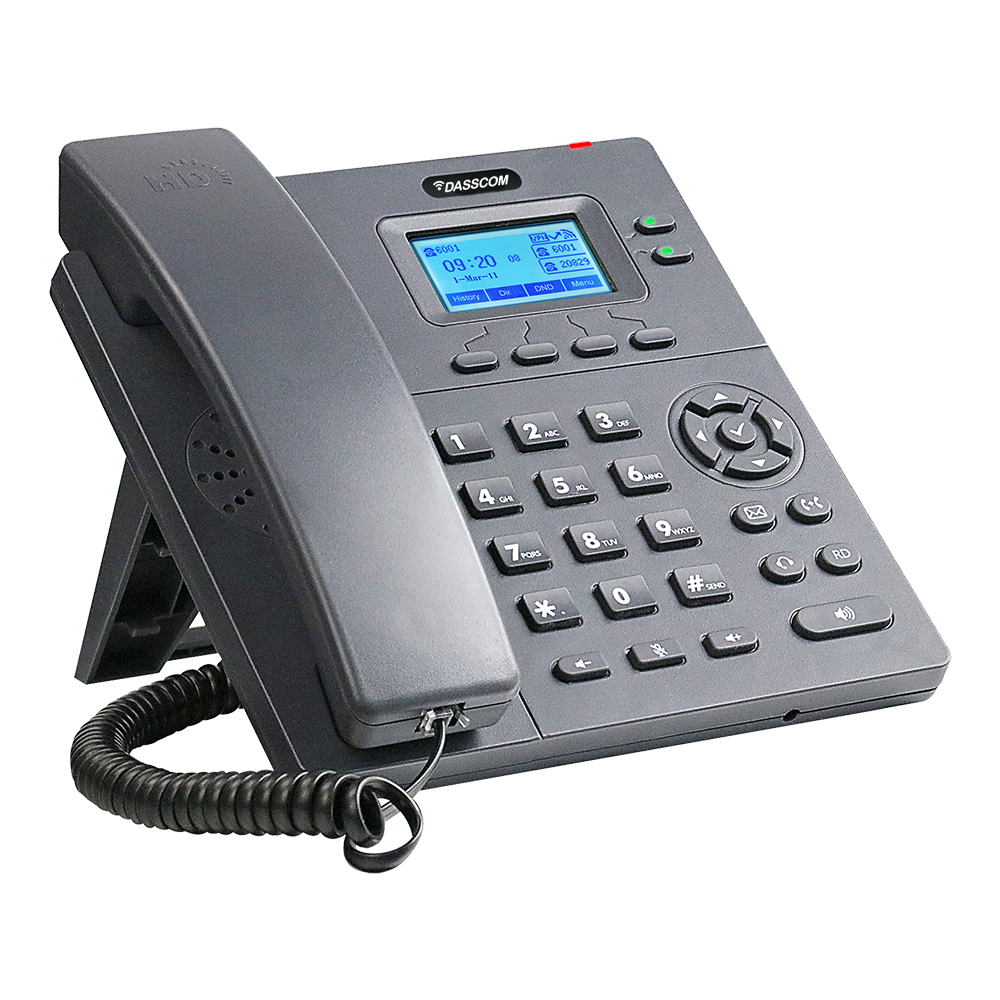 Basic IP Phones
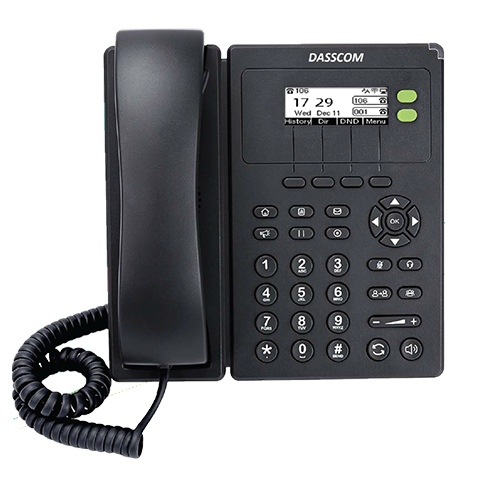 Wifi Phones
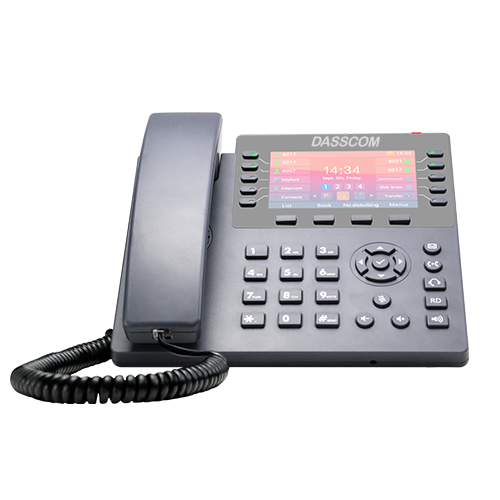 Executive IP Phones
 Video Phones
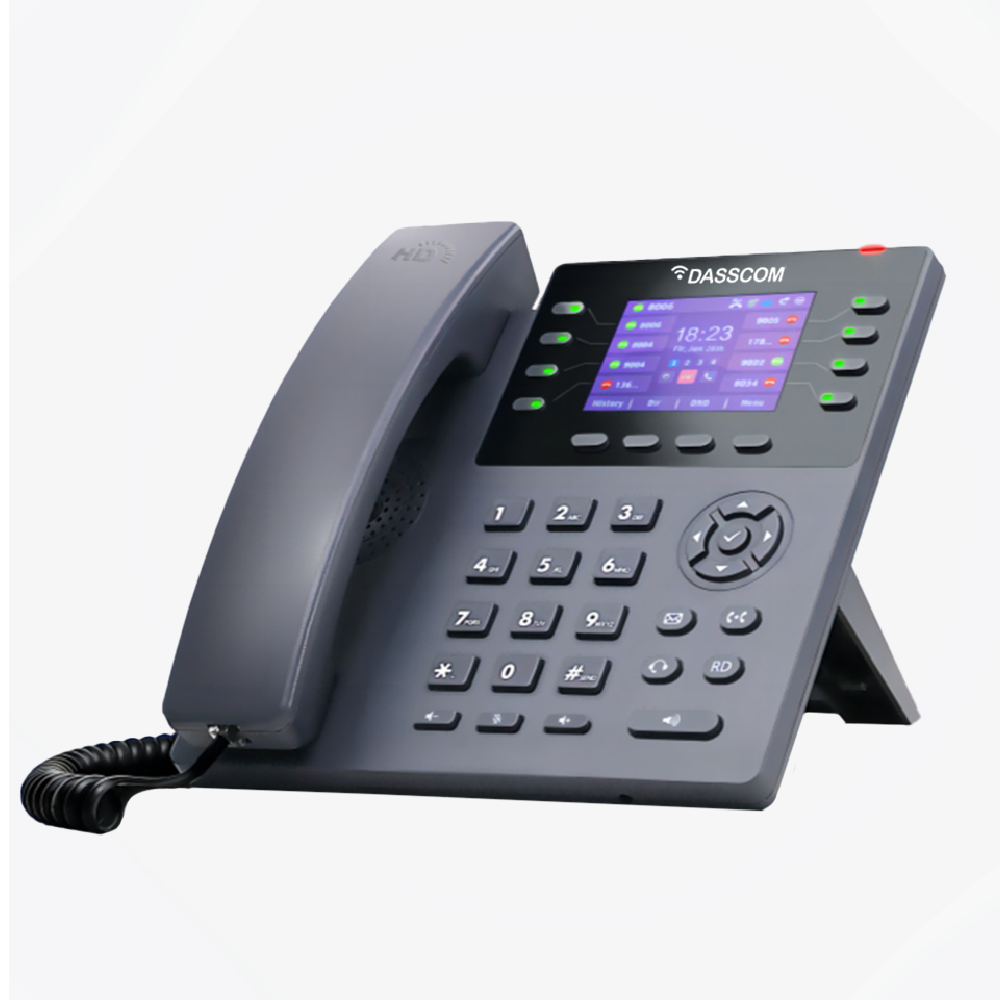
 Duc-series
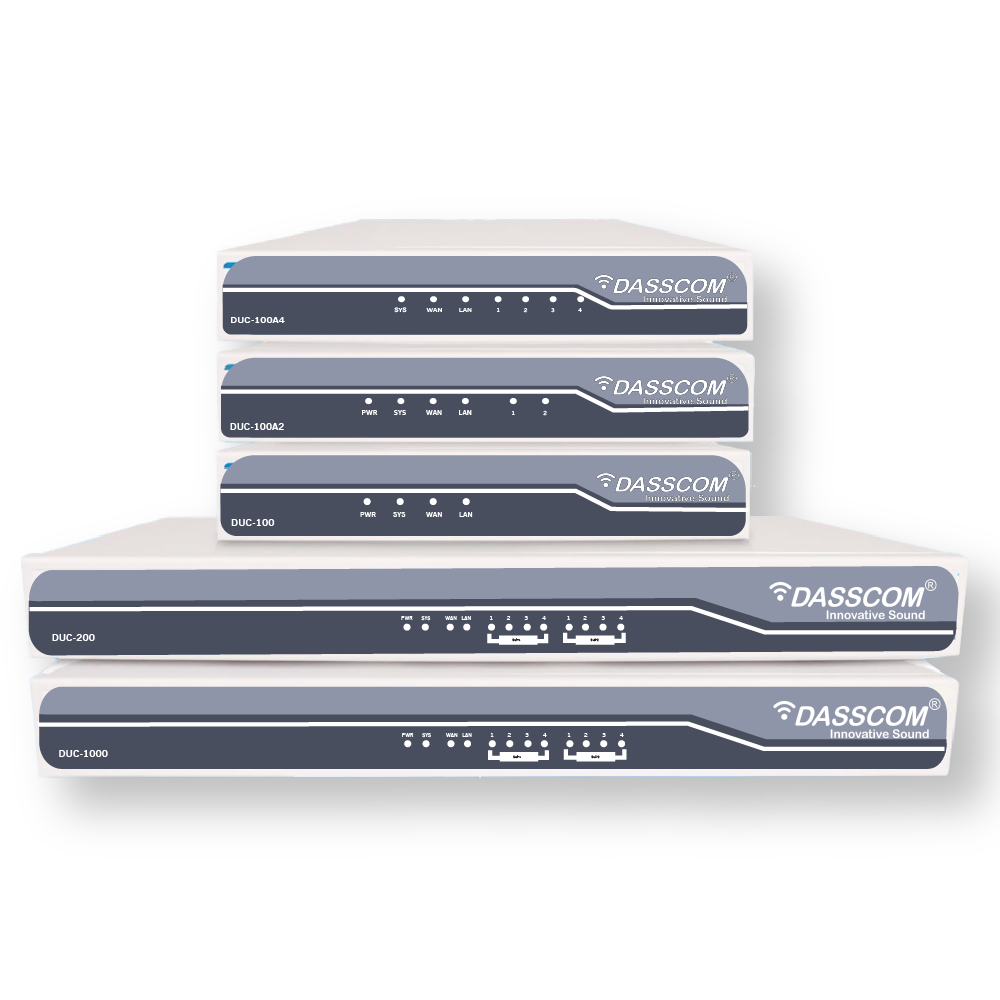
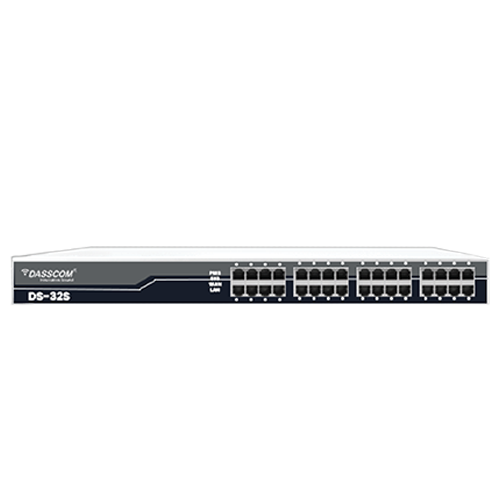 FXS/FXO Gateways
 E1/T1 Gateway
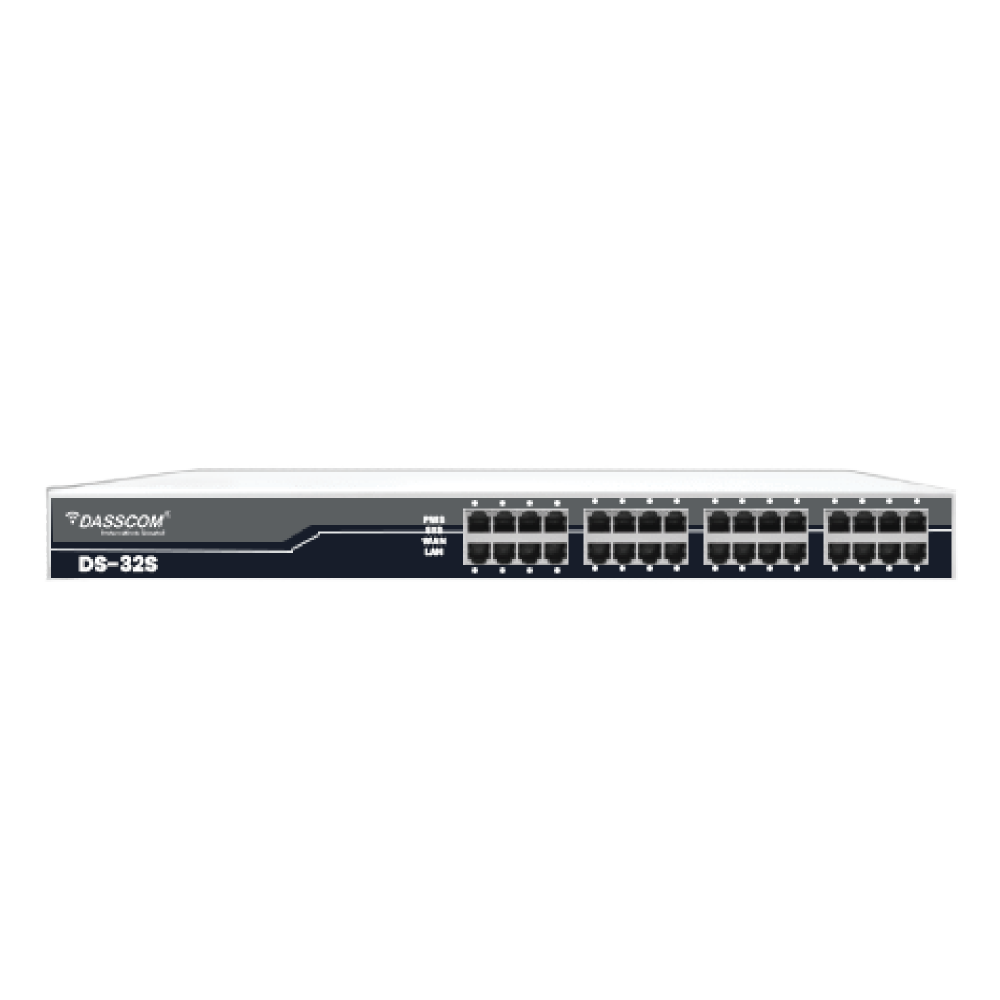
 Unmanaged Switches
 Managed Switches
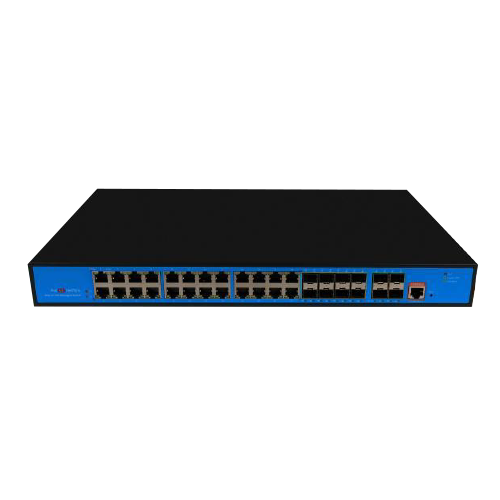 Industrial Switches
 Access Points
 Safety Intercoms
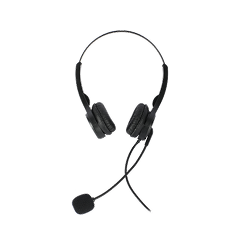 Veda Series
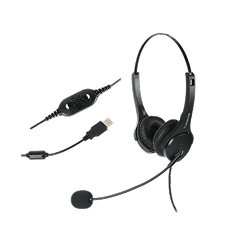 Divine Series
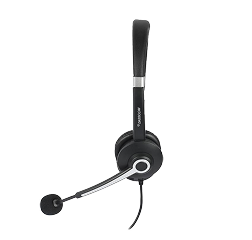 Tatva Series
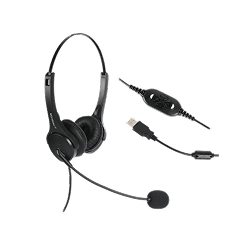
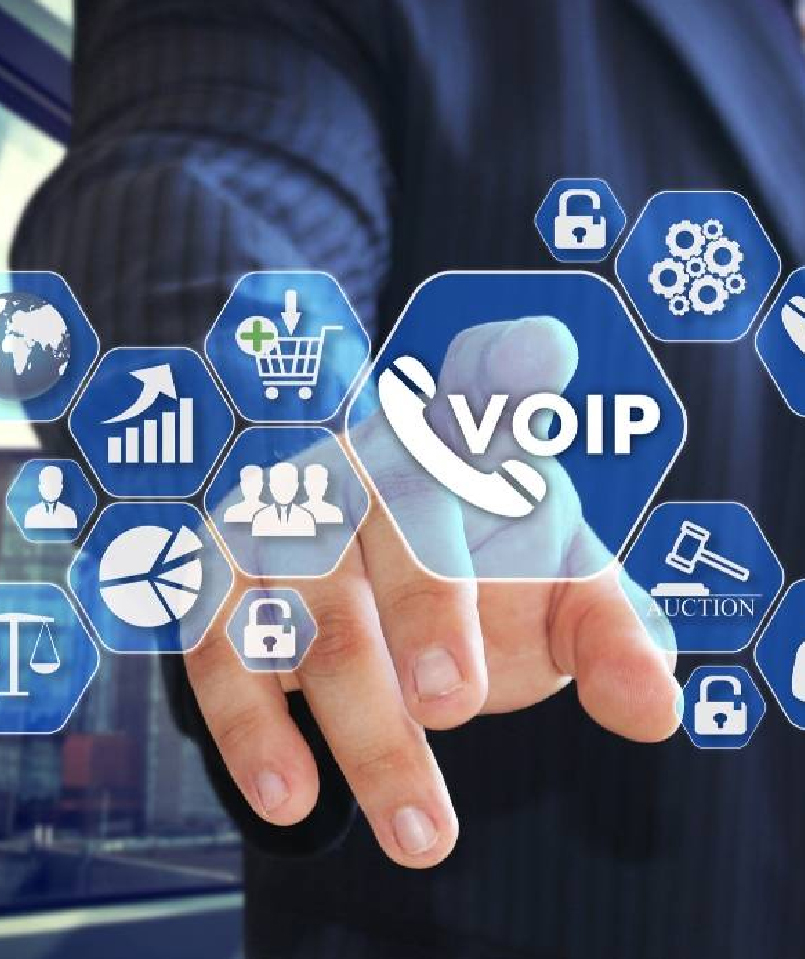 VoIP Office
 Call Center Solutions
 Network Communications
 Public Safety
 Video & Security System
 Highway Communication
 Intercom System
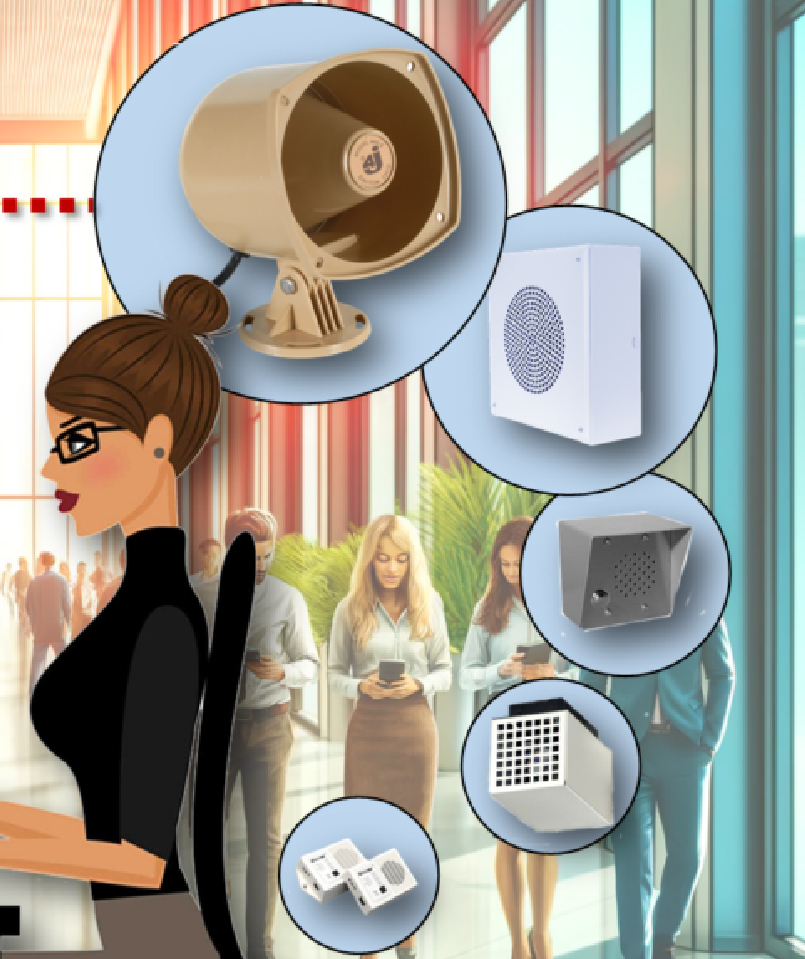 IP Paging Solutions

 Healthcare
 Hospitality
 School & Universities
 IT Office
 SMEs and SMBs
 Industries


 Public Address System
 VOIP Phones
 VOIP PBX
 VOIP Gateways
 Networking Solutions
 Call Center Headsets
 Emergency Intercom Stations


Network Communications Explained: Voice, Data & Video Integration
Table of Contents
In this guide, we explain what call center software is, the main types available, which features matter most (including chatbots and QA/coaching tools), and the 10 best platforms to consider in 2026.
What Is Call Center Software?
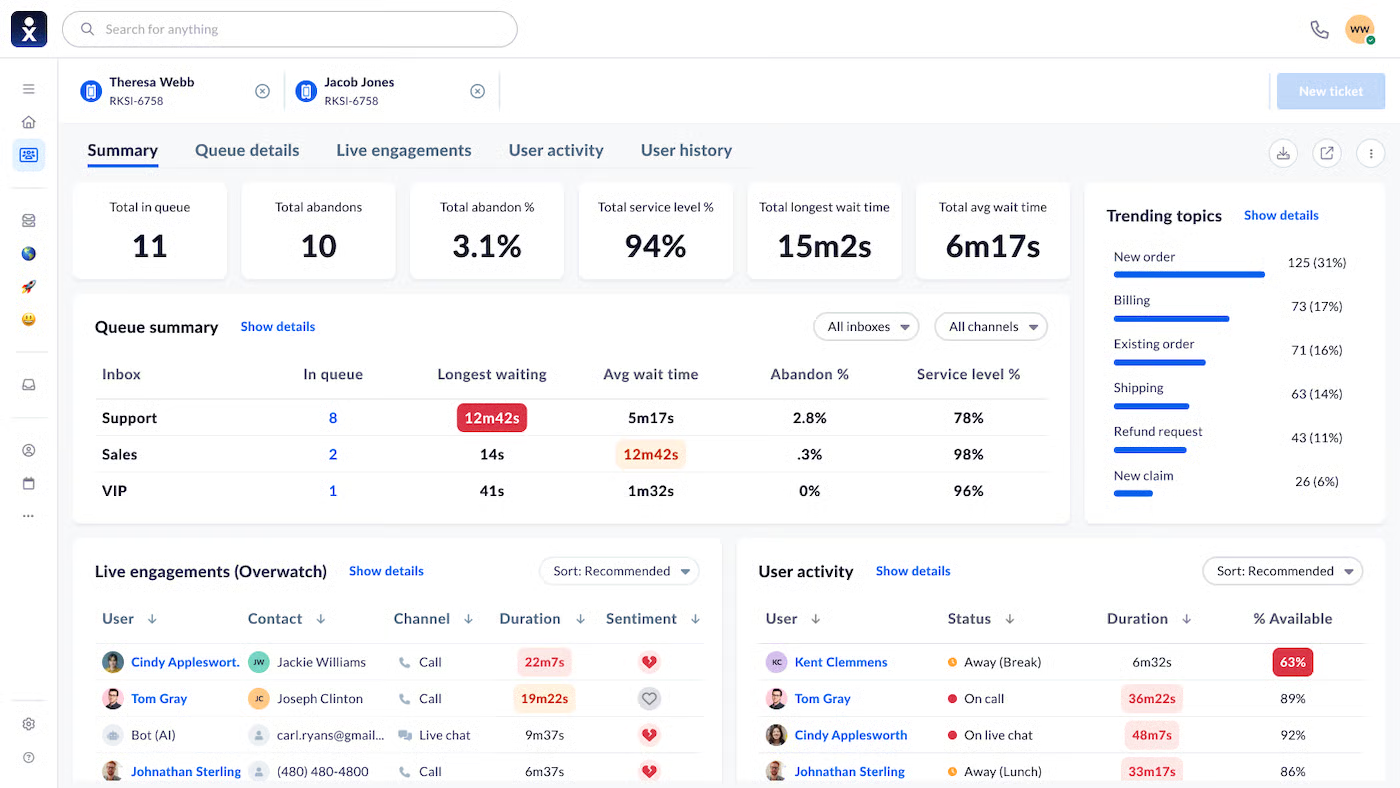
Call center software is a technology that helps your team manage large volumes of inbound and outbound customer calls from a unified platform, offering core features like interactive voice response (IVR), call analytics, recording, CRM integrations, and AI-powered automation to improve both agent efficiency and the customer experience.
Customer service operations and sales teams primarily use call center software. Instead of having agents on separate phone lines, call center software provides a unified dashboard for answering calls, tracking customer history, automatically routing callers to the right person, and analyzing call center performance.
Customer service operations and sales teams primarily use call center software. Instead of having agents on separate phone lines, call center software provides a unified dashboard for answering calls, tracking customer history, automatically routing callers to the right person, and analyzing call center performance.
Note: Before we dive into the details, you’ll notice that the terms “call center” and “contact center” are used interchangeably. However, there’s an important difference you should know:
Call centers vs. contact centers
Before we dive into the details, you’ll notice that the terms “call center” and “contact center” are used interchangeably. However, there’s an important difference you should know:
- Call center software focuses mainly on voice communication. It’s built for businesses that handle most of their customer interactions through voice calls (both inbound and outbound).
- Contact center software, also known as Contact Center as a Service (CCaaS), enables omnichannel communication. It integrates multiple channels— such as voice, video, email, web chat, SMS, and social media — into a unified platform, enabling a consistent customer experience.
Types of Call Center Software
Here are different types of call center software:
Cloud-based: Cloud call center software is hosted by a provider and accessible via a subscription over the internet. No server hardware is required. It works best for all kinds of businesses, especially those that need flexibility and support for remote teams.
You’ve found the ultimate call center.
See how Nextiva transforms the sales and support team productivity.
Call Center Software FAQs
How much does call center software typically cost?
What is the difference between VoIP and call center software?
Can I set up a call center for a small business?
Absolutely. Cloud call center software like Nextiva is perfect for small businesses because it’s affordable, scalable, and doesn’t require any expensive hardware. You can start with just a few agents and easily add more as your business grows. Here’s another guide on call center software for small businesses you can check out.