 Indoor Speakers
 Paging Controller
 Outdoor Speakers
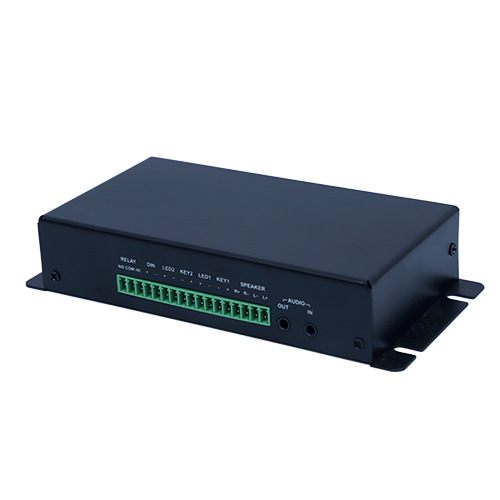 IP Amplifier & Gateway
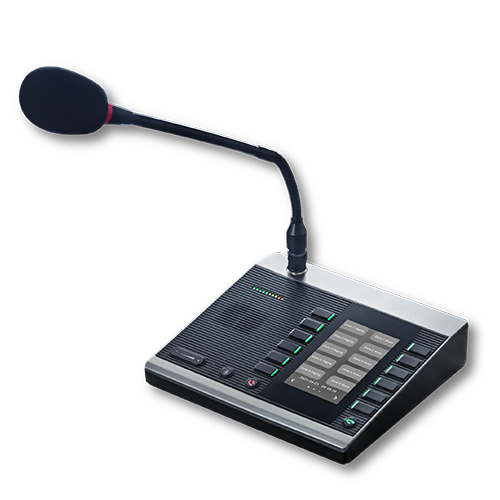 Paging Microphones
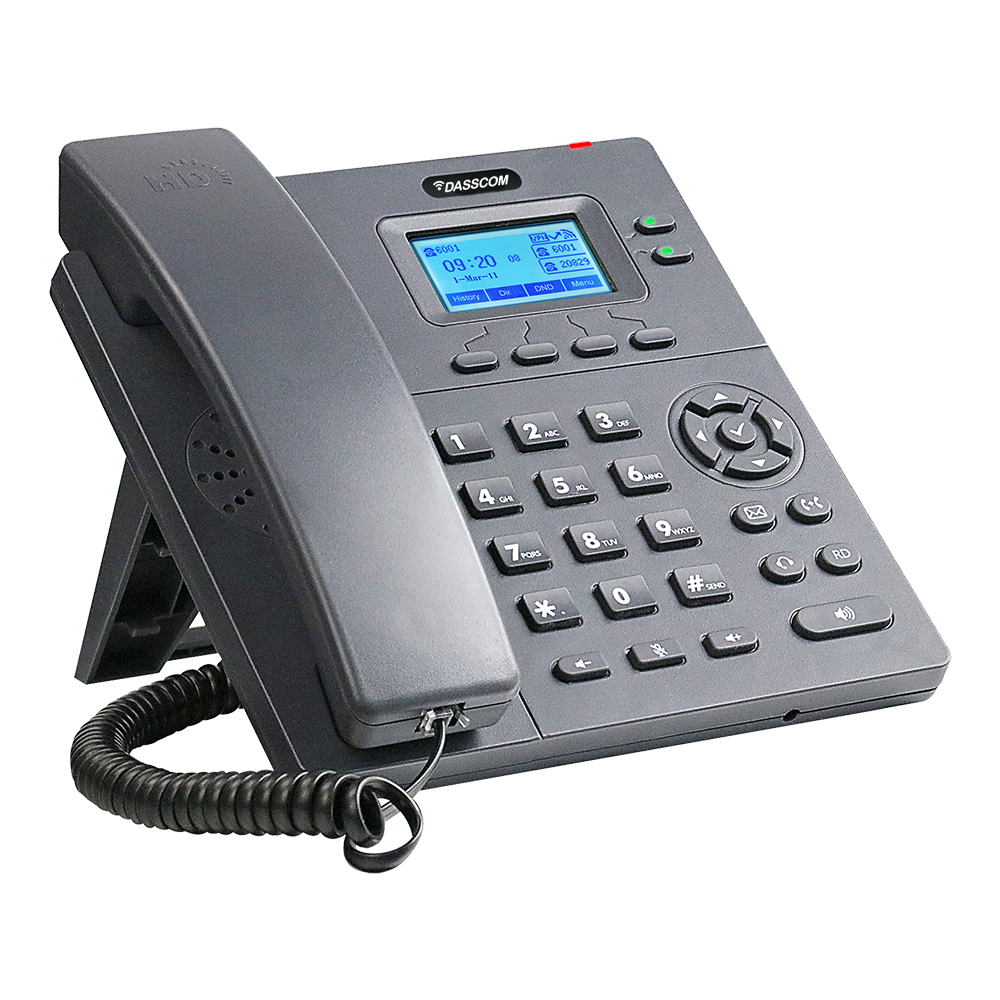 Basic IP Phones
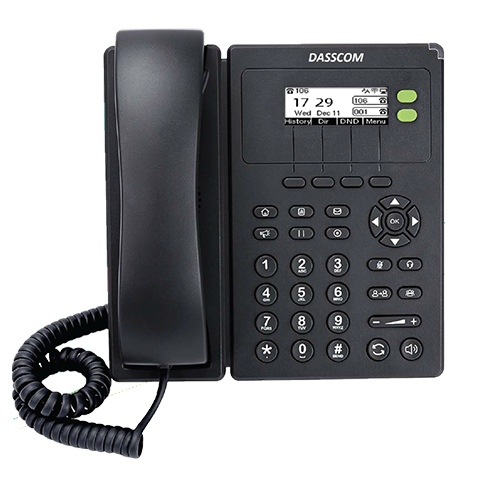 Wifi Phones
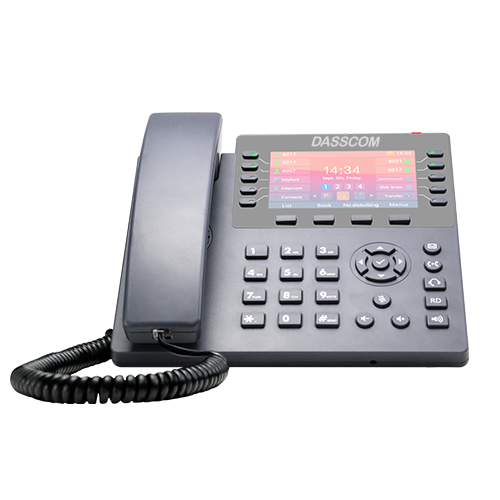 Executive IP Phones
 Video Phones
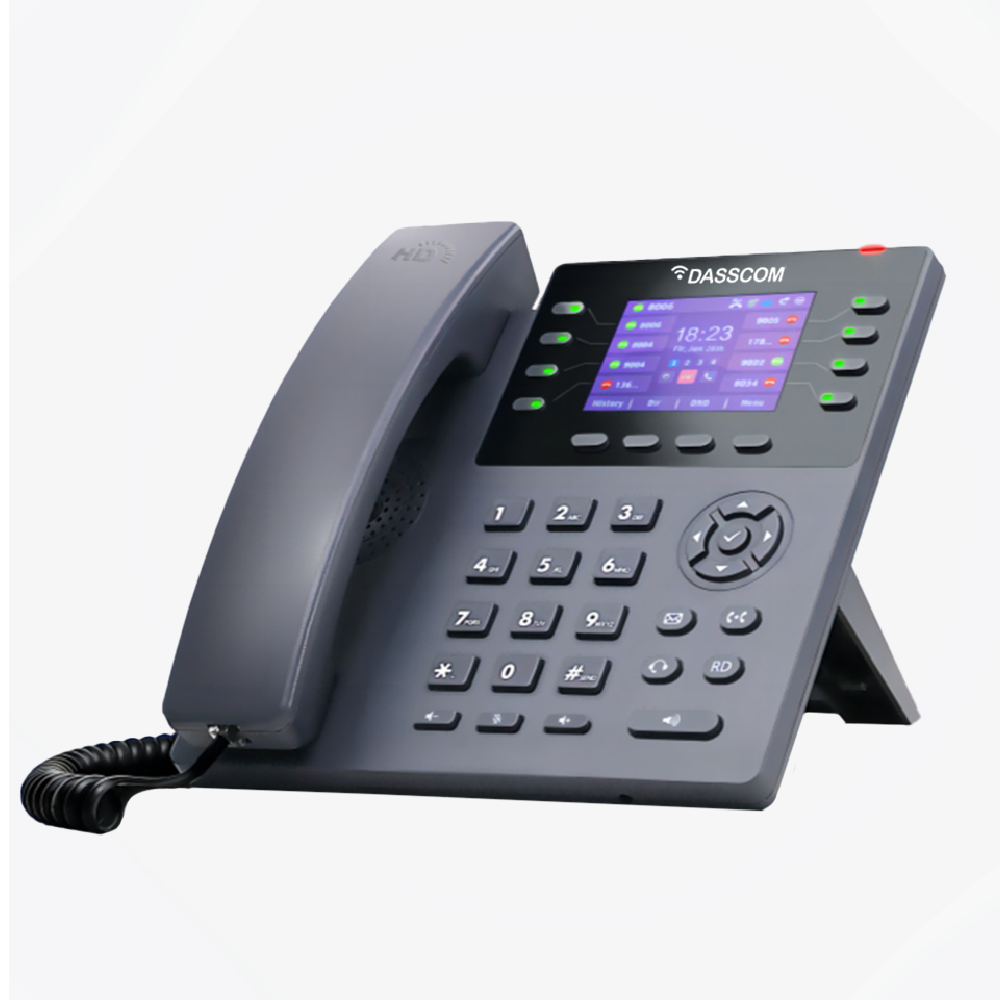
 Duc-series
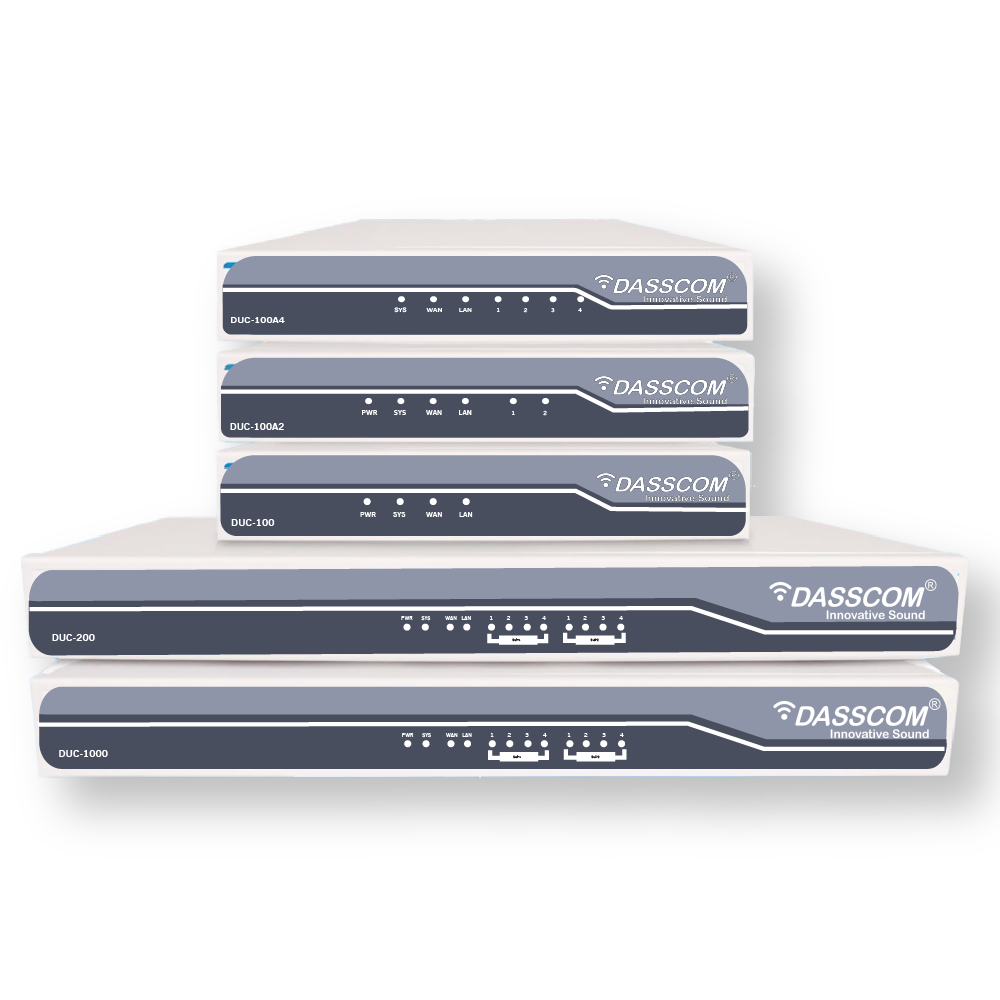
 FXS/FXO Gateways
 E1/T1 Gateway

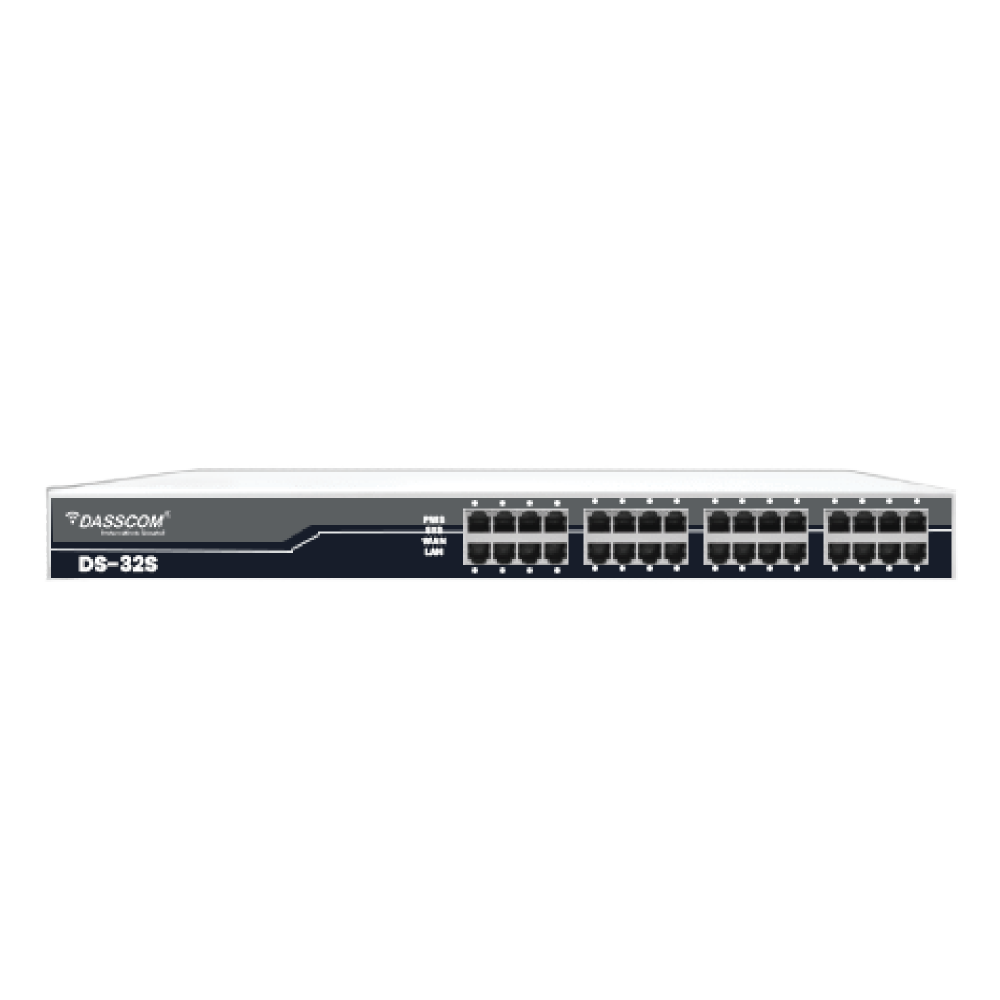
 Unmanaged Switches
 Managed Switches
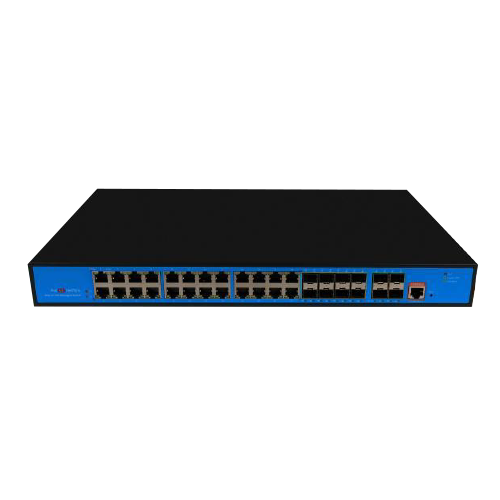 Industrial Switches
 Access Points
 Safety Intercoms
 Veda Series
 Divine Series
 Tatva Series
 VoIP Office
 Call Center Solutions
 Network Communications
 Public Safety
 Video & Security System
 Highway Communication
 Intercom System
 IP Paging Solutions

 Healthcare
 Hospitality
 School & Universities
 IT Office
 SMEs and SMBs
 Industries



 Public Address System
 VOIP Phones
 VOIP PBX
 VOIP Gateways
 Networking Solutions
 Call Center Headsets
 Emergency Intercom Stations


Unmanaged Switch: The Essential Guide to a Plug-and-Play Network Solution
Building a reliable network doesn’t always require complex configurations or advanced management. For small offices, home setups, or environments that demand simplicity, the unmanaged switch provides a straightforward and cost-effective solution. With its plug-and-play design, an unmanaged network switch eliminates the need for technical expertise while ensuring seamless device connectivity.
fffs
Building a reliable network doesn’t always require complex configurations or advanced management. For small offices, home setups, or environments that demand simplicity, the unmanaged switch provides a straightforward and cost-effective solution. With its plug-and-play design, an unmanaged network switch eliminates the need for technical expertise while ensuring seamless device connectivity.
In this guide, we’ll explore the fundamentals of unmanaged switches, their benefits, use cases, and how they compare in the discussion of managed v unmanaged switch technology. We’ll also dive into specific types such as the unmanaged PoE switch, unmanaged gigabit switch, and unmanaged industrial ethernet switch, helping you decide if they are the right fit for your business.
What is an Unmanaged Switch?
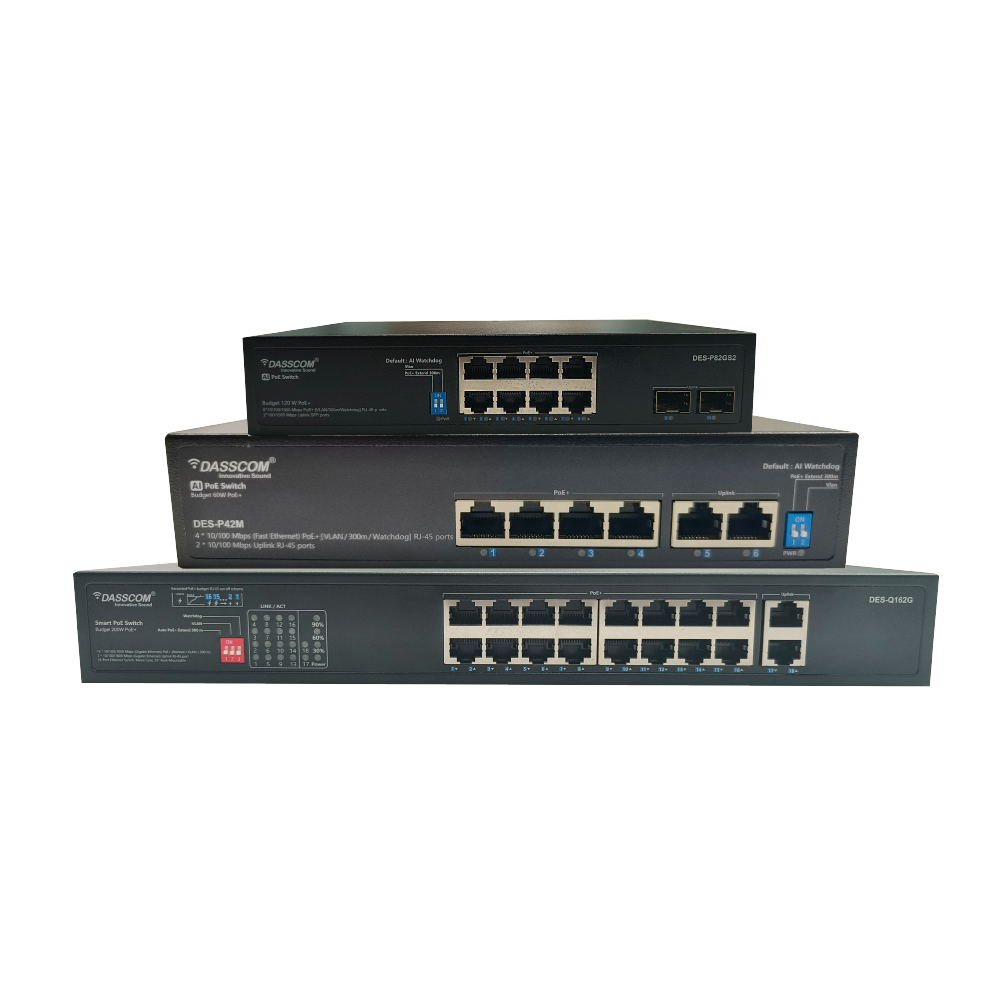
An unmanaged switch is a network device that connects multiple devices (such as computers, printers, IP phones, and cameras) within a Local Area Network (LAN). Unlike a managed switch, it offers no configuration options—meaning it works right out of the box. Simply plug in the Ethernet cables, and the switch automatically establishes communication between devices.
Key characteristics:
- Plug-and-play design – No software setup required.
- Fixed configuration – Operates with default settings.
- Low cost – More affordable compared to managed alternatives.
- No advanced features – Lacks VLANs, QoS, or traffic monitoring.
Benefits of Using an Unmanaged Switch
Despite their simplicity, unmanaged switches have several advantages that make them ideal for specific scenarios:
- Ease of Use: Plug in the devices, and you’re ready to go—perfect for non-technical users.
- Cost-Effective: Budget-friendly compared to managed solutions.
- Reliable Performance: Handles traffic efficiently within smaller networks.
- Durability: Rugged models like the industrial unmanaged switch are designed to withstand harsh conditions.
- Flexibility: Variants such as unmanaged gigabit switches or unmanaged PoE switches expand functionality without complexity.
Unmanaged vs Managed Switch
When considering managed vs unmanaged switch, the decision comes down to control and complexity.
| Feature | Managed Switch | Unmanaged Switch |
| Configuration | Full control (VLANs, QoS, ACLs) | None, plug-and-play |
| Monitoring | SNMP, traffic monitoring, logs | No monitoring features |
| Security | Advanced (port security, ACLs, VLANs) | Basic, physical security only |
| Cost | Higher investment | Low-cost, entry-level |
| Use Case | Enterprises, data centers, complex LANs | Homes, SMBs, or temporary setups |
An unmanaged network switch is the right choice when simplicity and affordability outweigh the need for advanced management.
The Role of Gigabit Connectivity
Modern businesses demand faster speeds, which makes the unmanaged gigabit switch a popular choice. With support for 10/100/1000 Mbps, these switches can handle high-bandwidth applications like video streaming, large file transfers, and VoIP calls.
Benefits of an unmanaged gigabit switch:
- Eliminates bottlenecks in growing networks.
- Provides backward compatibility with older devices.
- Suitable for small businesses and home offices requiring higher throughput.
For organizations with expanding data demands but limited IT staff, the unmanaged gigabit switch offers a perfect balance of performance and simplicity.
Understanding PoE in Unmanaged Switches
Power over Ethernet (PoE) allows both power and data to be transmitted over a single Ethernet cable. An unmanaged PoE switch integrates this functionality, enabling devices such as VoIP phones, wireless access points, and IP cameras to be powered without separate adapters.
types of call center

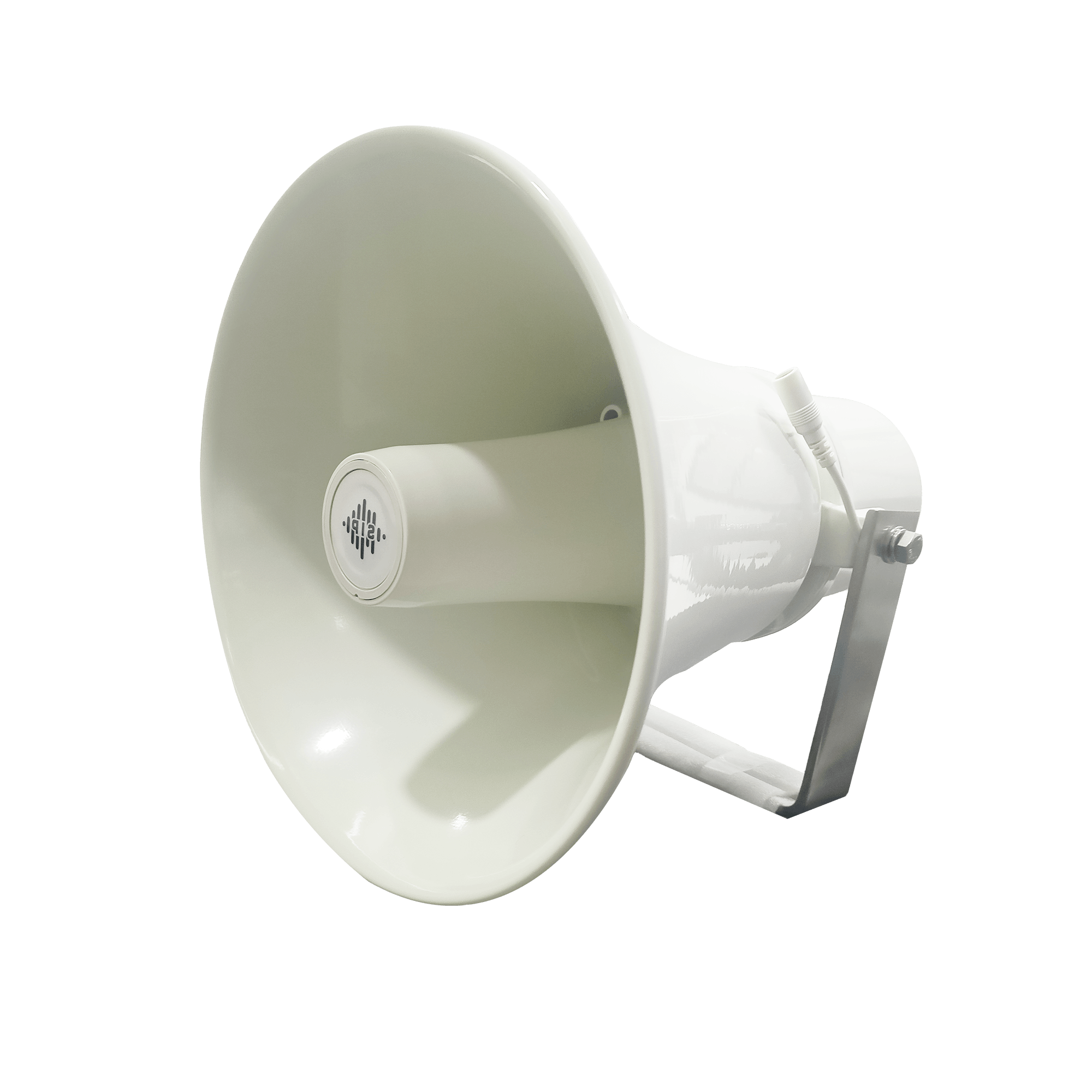
DS-15H
15 watt Horn speaker Support SIP IP 65 Rating Support BGM and announcement
DS-10C
10 watt Ceiling Speaker Support SIP PoE enabled Support BGM & announcement
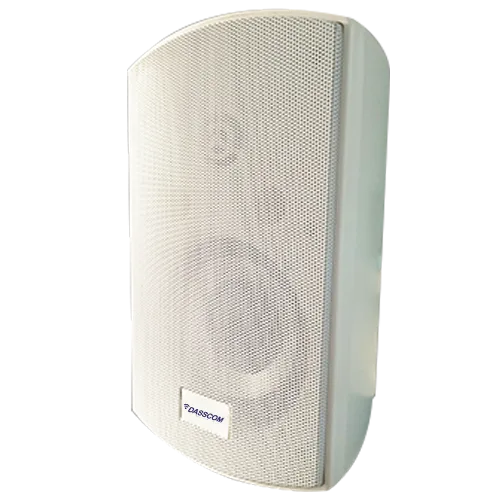
DS-15W
15 watt wall-mount speaker Support SIP PoE enabled Support BGM and announcement
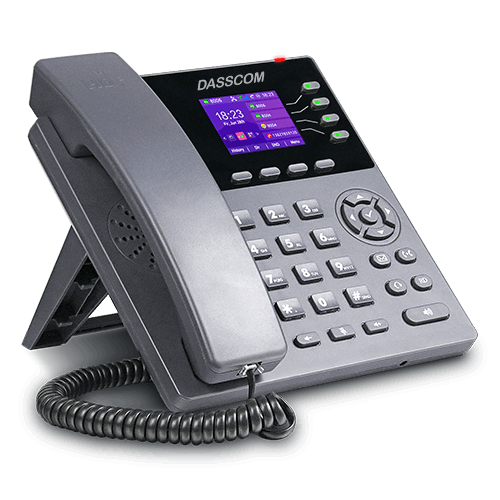
DXP-7200N
4 SIP Account PoE phone Colour Screen HD Voice
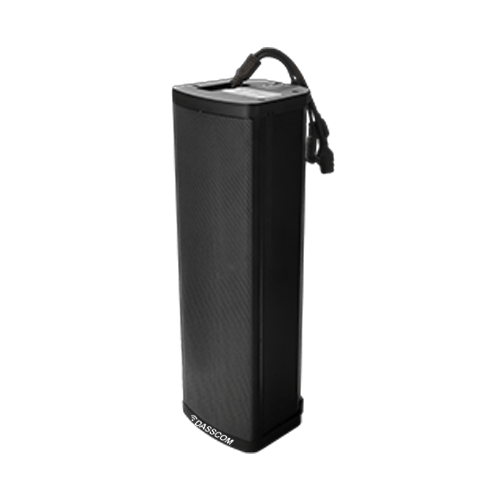
DS-30ECL
1.Built-in 30W amplifier, 2.Class D Amplifier
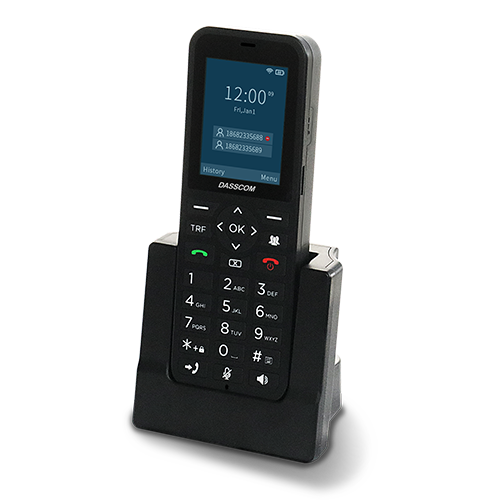
DW-100
2 SIP accounts Wi-fi Support Cordless Phone
Why choose an unmanaged PoE switch?
- Simplified installation – Fewer cables reduce clutter.
- Cost savings – Eliminates the need for additional power outlets.
- Ideal for SMBs – Easy deployment for IP surveillance or VoIP systems.
Although an unmanaged PoE switch lacks advanced controls like power budgeting or priority settings found in managed models, it remains a strong choice for small deployments.
Industrial Unmanaged Switches
Industrial environments such as factories, oil rigs, and transport hubs require robust networking hardware. The unmanaged industrial ethernet switch is designed with rugged housings, extended temperature tolerance, and resistance to vibration and dust.
Features of industrial unmanaged switches:
- Wide operating temperature (–40°C to +75°C).
- DIN-rail or wall mount options.
- High durability for mission-critical environments.
- Support for Gigabit speeds in harsh conditions.
Deployment Scenarios for Unmanaged Switches
- Small Offices – Quick expansion of device connectivity without technical setup.
- Home Networks – Ideal for connecting PCs, smart TVs, gaming consoles, and printers.
- IP Surveillance Systems – Using an unmanaged PoE switch to connect and power cameras.
- Temporary Event Setups – Exhibitions, trade shows, and outdoor events benefit from the simplicity of unmanaged switches.
- Industrial Automation – Deploy industrial unmanaged switches in harsh settings like factories or railways.
Limitations of Unmanaged Switches
While the unmanaged network switch is effective in many cases, it does come with limitations:
- No traffic prioritization (QoS) – May cause issues for VoIP or video streaming.
- No VLAN support – Cannot separate traffic for security.
- No monitoring – IT teams cannot track performance or troubleshoot remotely.
- Limited scalability – Not ideal for enterprise-level growth.
If your network requires control and monitoring, moving towards a managed or smart switch may be necessary.
How to Choose the Right Unmanaged Switch
- Number of Ports – Available from 5 to 48 ports.
- Speed – Standard Fast Ethernet or unmanaged gigabit switch for higher performance.
- PoE Support – Needed for powering VoIP phones, cameras, or APs.
- Industrial Design – Go for industrial unmanaged switches if deploying in harsh environments.
- Budget vs Needs – Factor in cost-effectiveness against performance requirements.
The Future of Unmanaged Switches
With the rise of IoT devices, unmanaged switches remain relevant. Unmanaged gigabit switches and unmanaged PoE switches will continue to serve small networks, while industrial unmanaged switches will play a crucial role in Industry 4.0 applications.
As demands grow, hybrid models may evolve—offering partial manageability while retaining plug-and-play simplicity.
Conclusion
The unmanaged switch is a vital networking component for small businesses, homes, and industrial environments that demand simple connectivity without the need for technical expertise. From the unmanaged network switch to the unmanaged PoE switch, and from the unmanaged gigabit switch to the industrial unmanaged switch, each variant brings unique advantages tailored to specific needs.
Quick summary
See how Nextiva transforms the sales and support team productivity.
Call Center Software FAQs
1. What is the main purpose of an unmanaged switch?
2. When should I use an unmanaged PoE switch?
3. Is an unmanaged gigabit switch worth it?
4. What is the difference between an unmanaged industrial ethernet switch and a standard unmanaged switch?
5. Should I choose a managed or unmanaged switch for my business?
Related Products
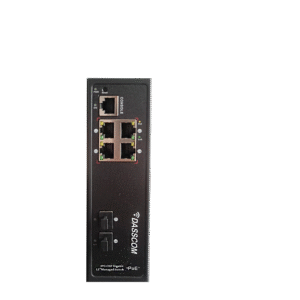
DES-22S2MG-IND
View Product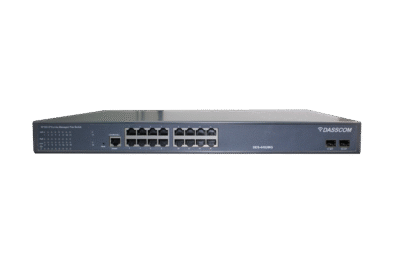
DES-44S2MG
View Product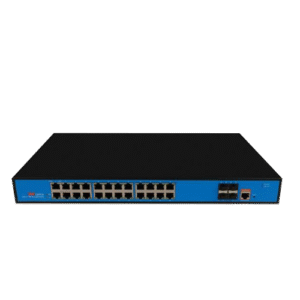
DES-46S4MG-HD
View Product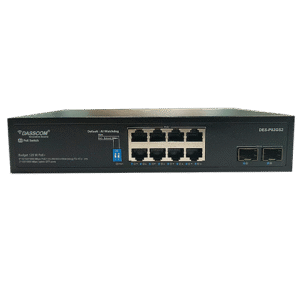
DES-P82GS2
View ProductRelated Blogs

Choosing the Right Network Indoor & Outdoor Speakers for Smart Offices and Campuses
Read More
How Noise-Cancelling Headsets Improve Productivity in Hybrid Work Settings
Read More
USB Headsets 2026: What Features Matter for Business Users
Read More