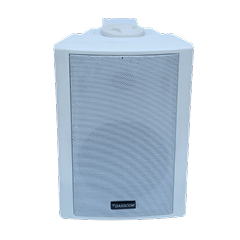
 Indoor Speakers
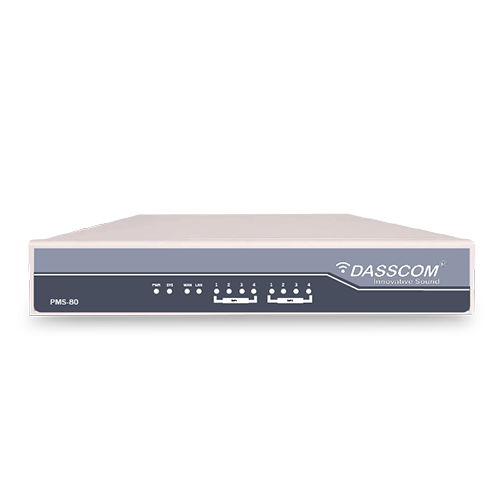 Paging Controller
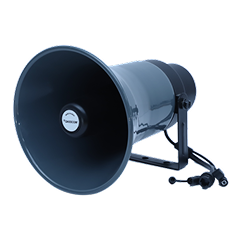 Outdoor Speakers
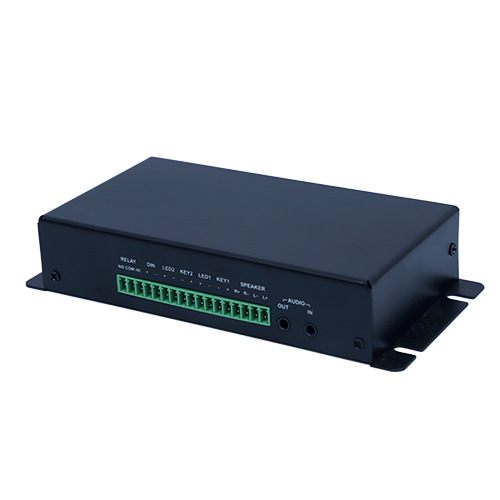 IP Amplifier & Gateway
 Paging Microphones
 Basic IP Phones
 Wifi Phones
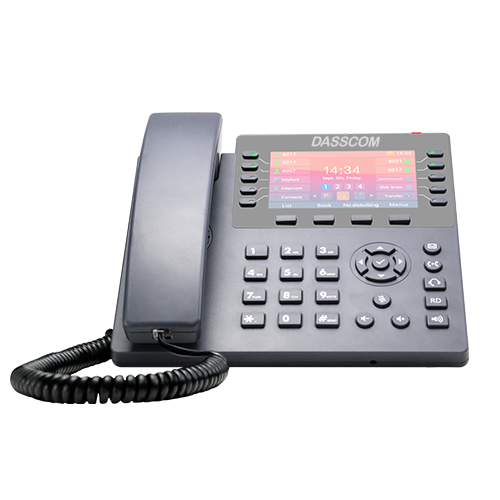 Executive IP Phones
 Video Phones
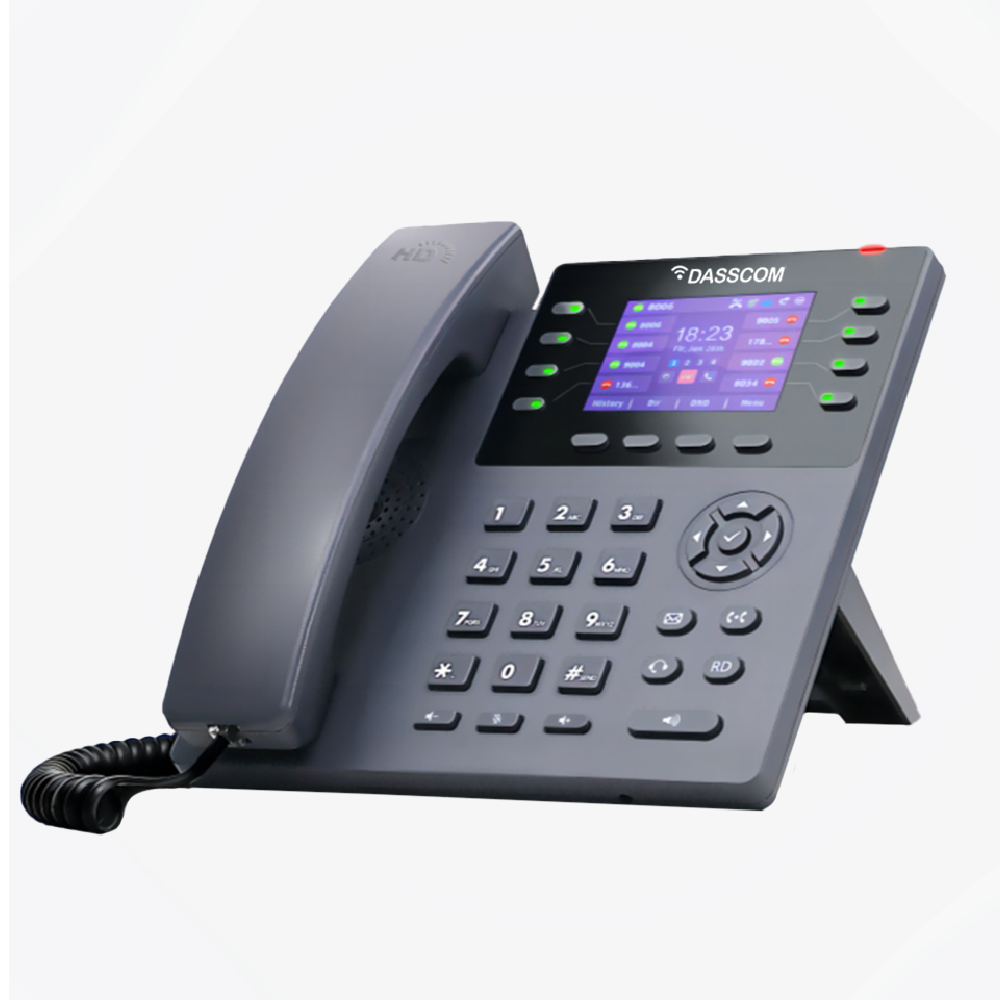
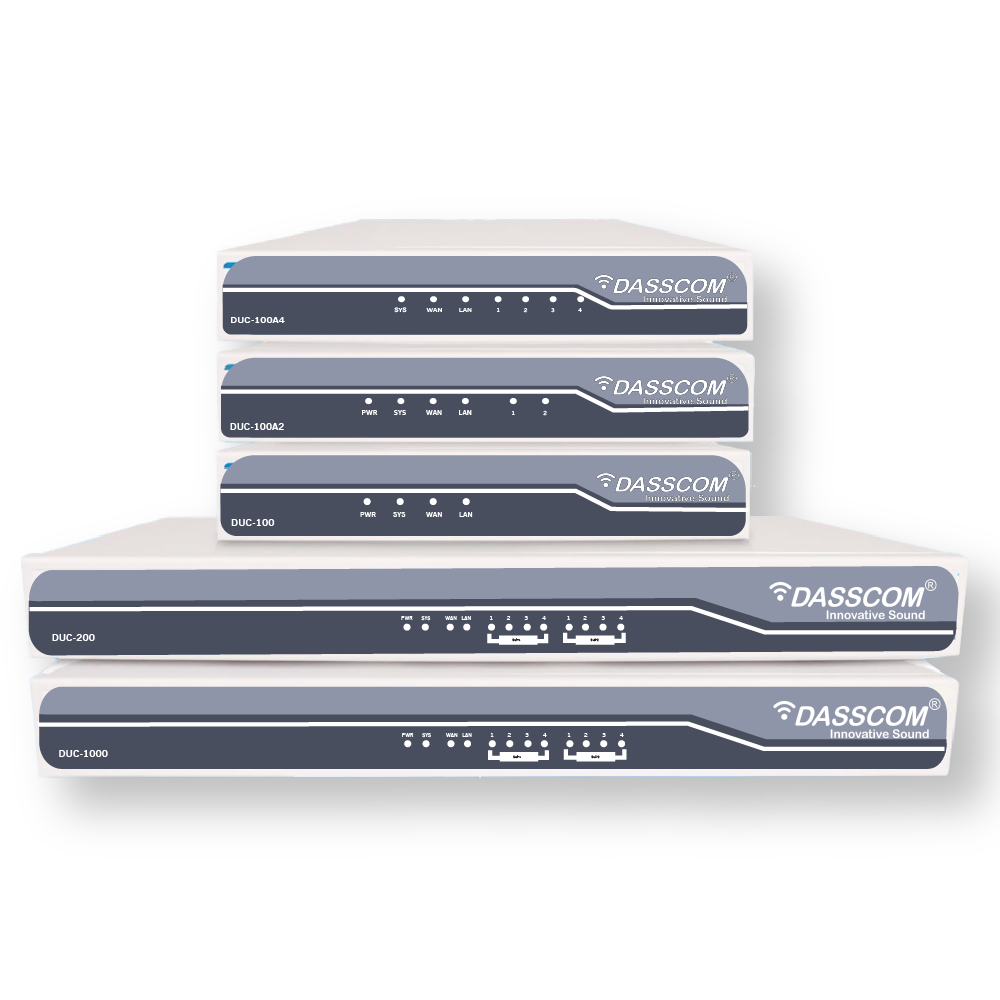
 Duc-series
 FXS/FXO Gateways
 E1/T1 Gateway
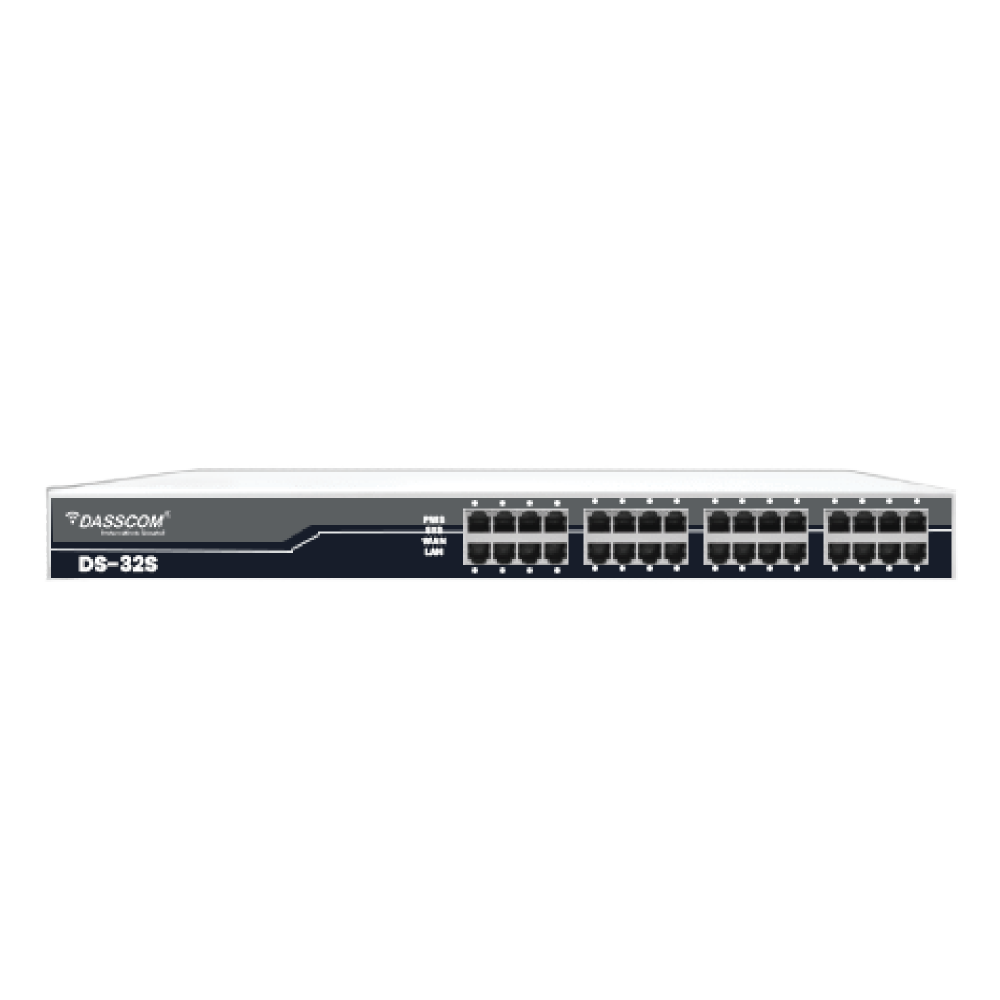
 Unmanaged Switches
 Managed Switches
 Industrial Switches
 Access Points
 Safety Intercoms
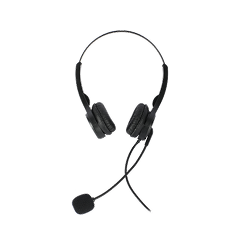 Veda Series
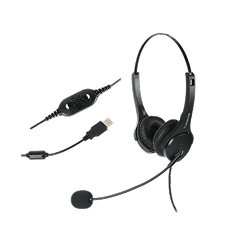 Divine Series
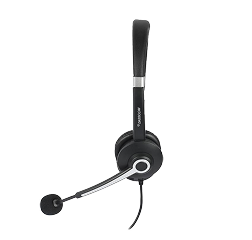 Tatva Series
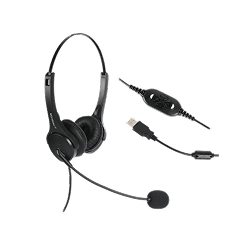
 VoIP Office
 Call Center Solutions
 Network Communications
 Public Safety
 Video & Security System
 Highway Communication
 Intercom System
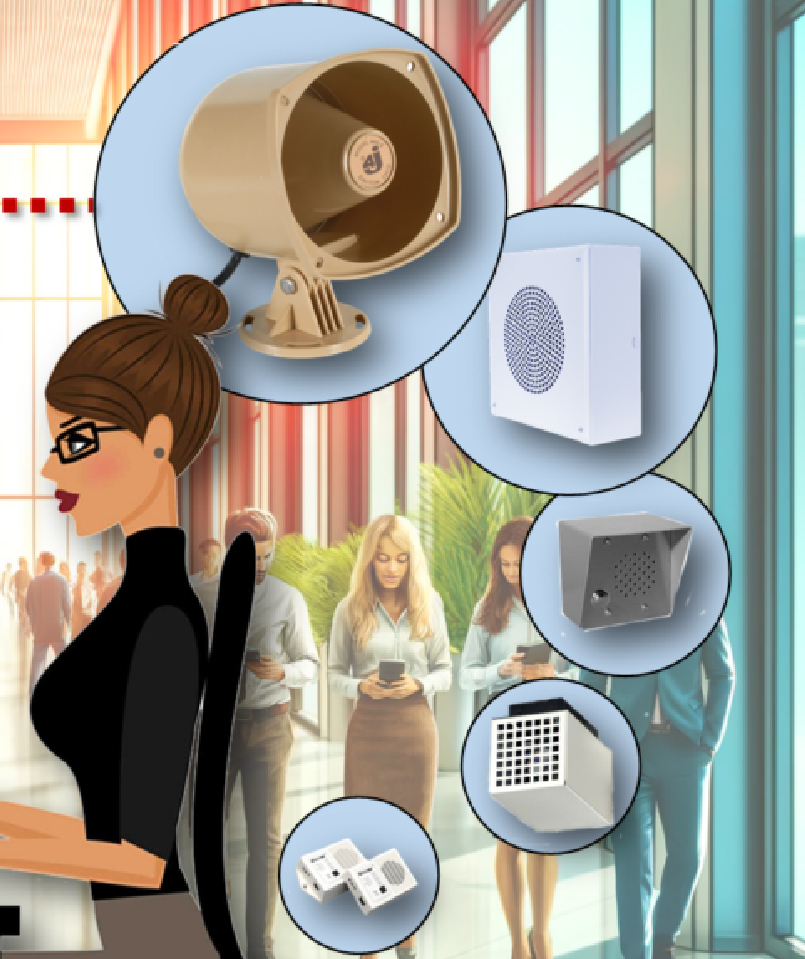 IP Paging Solutions

 Healthcare
 Hospitality
 School & Universities
 IT Office
 SMEs and SMBs
 Industries

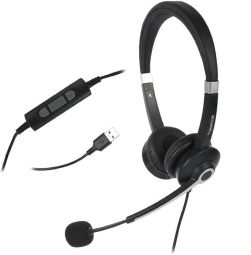

 Public Address System
 VOIP Phones
 VOIP PBX
 VOIP Gateways
 Networking Solutions
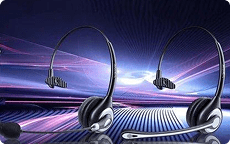 Call Center Headsets
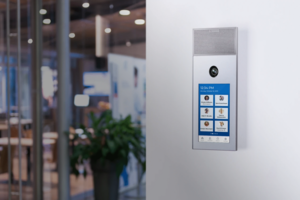 Emergency Intercom Stations


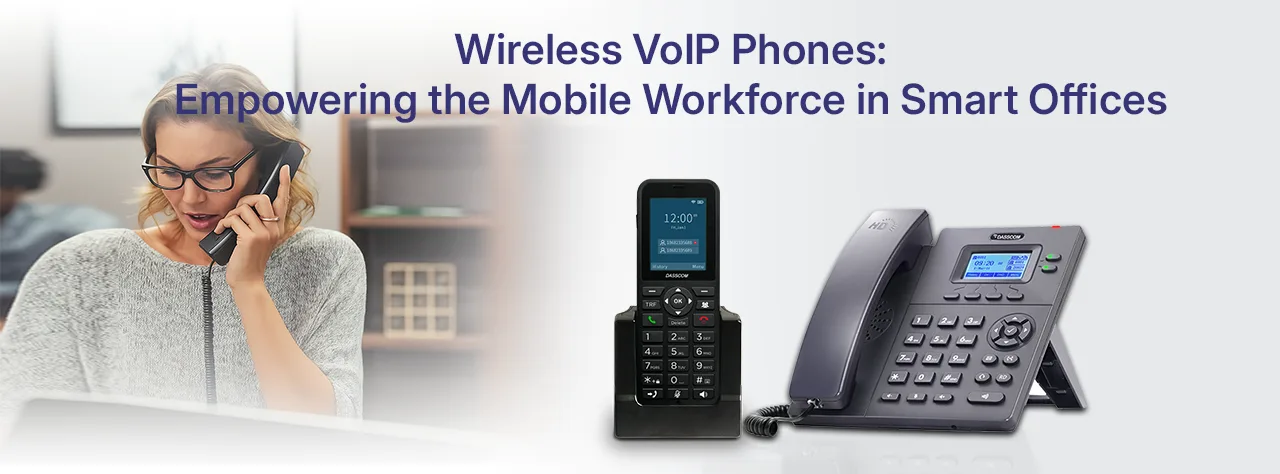
Wireless VoIP Phones: How They Empower the Mobile Workforce in Smart Offices
In today’s world of smart offices, mobility and flexibility are no longer perks — they’re essential. Businesses are shifting away from fixed desk phones and moving toward wireless VoIP phones that enable employees to stay connected anywhere within the office environment. Unlike traditional desk setups, IP phones with wireless capability eliminate the restrictions of wired connections, giving teams the freedom to work smarter.
fffs
In today’s world of smart offices, mobility and flexibility are no longer perks — they’re essential. Businesses are shifting away from fixed desk phones and moving toward wireless VoIP phones that enable employees to stay connected anywhere within the office environment. Unlike traditional desk setups, IP phones with wireless capability eliminate the restrictions of wired connections, giving teams the freedom to work smarter.
The result? Higher productivity, reduced costs, and seamless integration with modern IP PBX systems. In this blog, we’ll explore how wireless VoIP phones are transforming the way smart offices operate, their benefits, use cases, and why they are the future of unified business communications.
What Are Wireless VoIP Phones and How Do They Work?
At their core, wireless VoIP phones are simply IP phones that connect through Wi-Fi rather than traditional Ethernet cables. They operate on SIP protocols and integrate seamlessly with an IP PBX or hosted VoIP platform to provide all the features of advanced business telephony without being tied to a desk.
With Wi-Fi connectivity, these phones let employees roam freely within office spaces, warehouses, or even hospitals — staying connected without drop-offs. Modern models, like Dasscom’s DW-100 and DXP-4100, combine strong network compatibility with features such as HD audio, conferencing, and enterprise-grade security.
Why Are Wireless VoIP Phones Essential for the Modern Workforce?
Mobility and Flexibility
In a hybrid workplace, people don’t always stay in one place. Wireless VoIP phones let employees move around without losing connectivity, whether they’re attending meetings, moving between floors, or managing teams in large spaces.
Scalability in Smart Offices
Expanding a wired phone system means expensive cabling and infrastructure updates. With Wi-Fi VoIP phones, scaling up is much simpler — just add new devices and configure them on your IP PBX system.
Cost Efficiency
Compared to traditional PBX setups, businesses save significantly on wiring and maintenance. Additionally, the VoIP phone price is much more competitive than installing and maintaining desk-bound solutions.
Key Benefits of Using Wireless IP Phones in Smart Offices
- Seamless integration with IP PBX systems
- Freedom of mobility with Wi-Fi connectivity
- HD voice quality and background noise cancellation
- Support for multiple SIP accounts and conferencing
- Easy setup, provisioning, and remote management
- Cost-effective compared to legacy telephony
- Strong encryption and secure call handling
- Compatibility with existing IP phones for hybrid environments
Wireless VoIP Phones vs. Traditional Desk Phones
| Feature | Wireless VoIP Phones | Traditional Desk Phones |
| Mobility | Work anywhere with Wi-Fi | Limited to one desk |
| Cost | Lower long-term VoIP phone price | Higher due to wiring and upkeep |
| Scalability | Easy to add more phones | Infrastructure-heavy |
| Integration | Works with smart office & IP PBX | Basic compatibility |
| Productivity | Encourages collaboration and movement | Restrictive setup |
types of call center

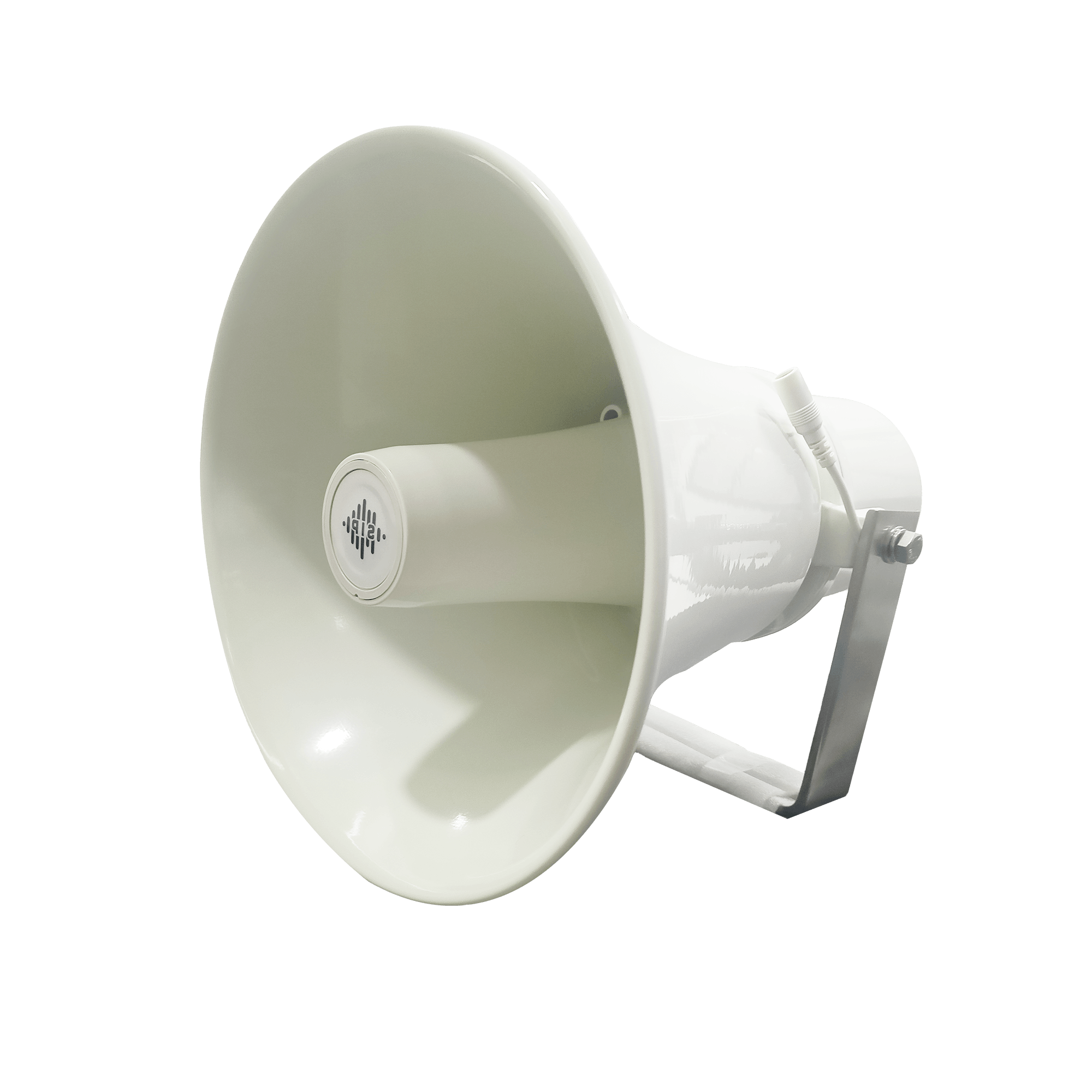
DS-15H
15 watt Horn speaker Support SIP IP 65 Rating Support BGM and announcement
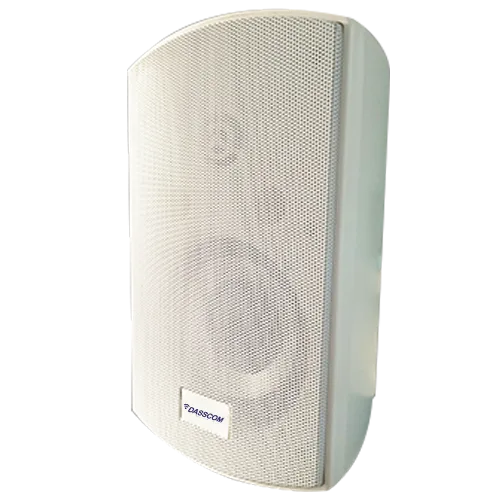
DS-10C
10 watt Ceiling Speaker Support SIP PoE enabled Support BGM & announcement
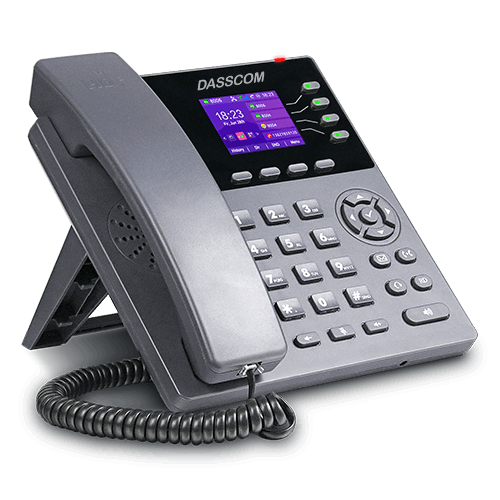
DS-15W
15 watt wall-mount speaker Support SIP PoE enabled Support BGM and announcement
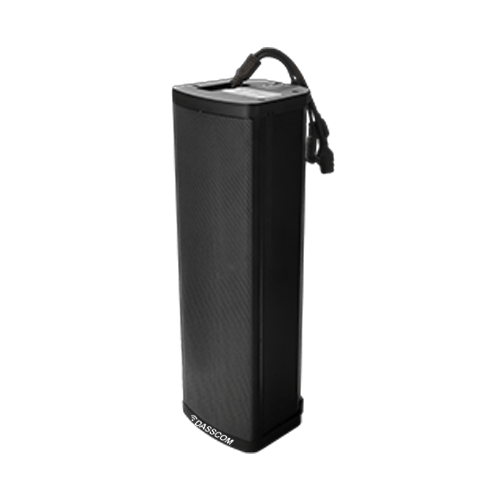
DXP-7200N
4 SIP Account PoE phone Colour Screen HD Voice
DS-30ECL
1.Built-in 30W amplifier, 2.Class D Amplifier
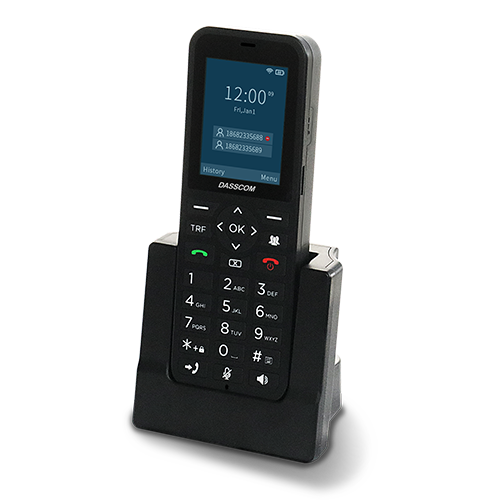
DW-100
2 SIP accounts Wi-fi Support Cordless Phone
Use Cases of Wireless VoIP Phones in Smart Offices
Corporate Offices
Hybrid workforces benefit from mobility, enabling hot desking, shared spaces, and easy transitions between meeting rooms.
Healthcare
Doctors and nurses can carry a WiFi VoIP phone across wards and departments, ensuring uninterrupted patient care.
Warehouses & Factories
Large spaces demand mobility. Staff can stay connected while managing logistics without being tied to a station.
Hospitality
Hotel staff can deliver faster service with on-the-go communication powered by IP phones.
Choosing the Right Wireless VoIP Phone for Your Business
Not all wireless solutions are created equal. Here’s what to look for when choosing the best fit for your smart office:
- Strong Wi-Fi compatibility
- Long-lasting battery life
- HD audio clarity
- Support for SIP accounts and conferencing
- Secure encryption (TLS/SRTP)
- Seamless IP PBX integration
Dasscom DW-100
The DW-100 is a sleek, professional wireless IP phone designed for productivity. With a 2.4” color display, HD voice, and full-duplex hands-free communication, it provides crystal-clear conversations. It supports 2.4GHz Wi-Fi, enterprise-grade encryption, and secure over-the-air provisioning. Its battery offers over 10 hours of talk time and more than 10 days of standby. Features like 3-way conferencing, dual VoIP accounts, and intuitive menus make the DW-100 a strong fit for modern smart offices.
Dasscom DXP-4100
The DXP-4100 series is a cost-effective WiFi VoIP phone designed for enterprises and operators. With dual-port fast Ethernet, two SIP accounts, and excellent IP PBX compatibility, it offers reliability with simplicity. Its monochrome screen, HD speaker, and efficient button layout improve daily workflow. Supporting both IPv6 and IPv4, it ensures smooth deployment in smart office networks.
Dasscom stands among trusted VoIP phone manufacturers, delivering products tailored to business needs across industries.
Partnering with the Right VoIP Providers
A wireless VoIP deployment isn’t just about buying phones — it’s about long-term communication reliability. Partnering with trusted VoIP phone providers ensures businesses get support, updates, and compatibility. Dasscom, with its wide portfolio of IP phones and PBX solutions, ensures businesses enjoy uninterrupted, scalable communications at competitive costs.
Conclusion
Wireless VoIP phones are redefining how modern offices work. With mobility, scalability, and cost efficiency, they empower employees to collaborate without limits. By combining wireless IP phones with robust IP PBX solutions, smart offices gain a communication infrastructure that is future-ready.
Dasscom’s DW-100 and DXP-4100 exemplify this shift — delivering reliable, feature-rich, and cost-effective solutions for businesses. As one of the trusted VoIP phone manufacturers, Dasscom continues to support enterprises and SMBs with devices that drive productivity in a connected world.
Quick summary
See how Nextiva transforms the sales and support team productivity.
Call Center Software FAQs
1. What is the difference between wireless VoIP phones and IP phones?
2. How do wireless VoIP phones integrate with an IP PBX system?
3. Are wireless VoIP phones more cost-effective than desk phones?
4. What makes Dasscom’s DW-100 a good choice for smart offices?
5. What features should I look for in WiFi VoIP phones?
6. How reliable are WiFi VoIP phones in large offices?
7. Can I integrate wireless VoIP phones with analog PBX systems?
Related Products
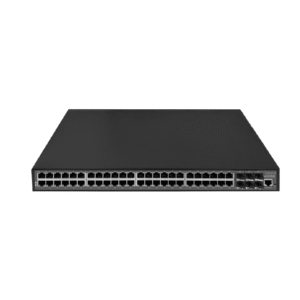
DES-412S6MG
View Product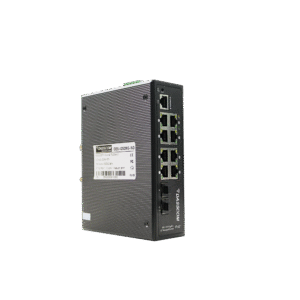
DES-42S2MG-IND
View Product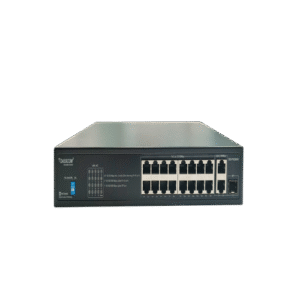
DES-P162MGS1
View Product