
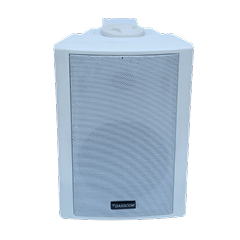
 Indoor Speakers
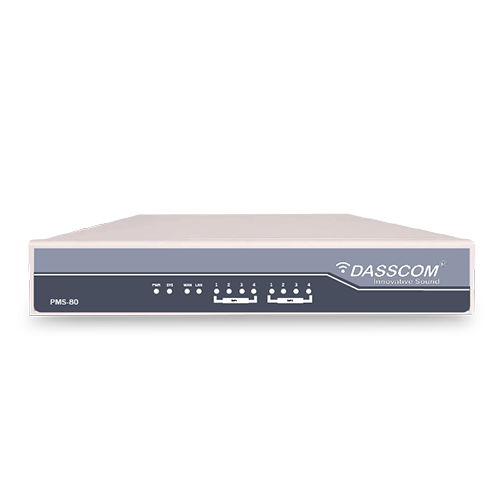 Paging Controller
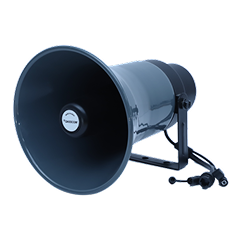 Outdoor Speakers
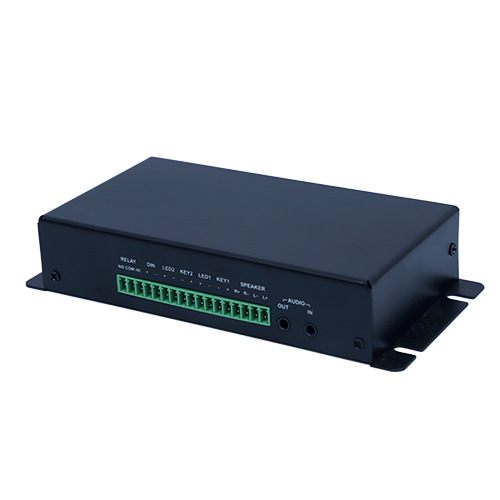 IP Amplifier & Gateway
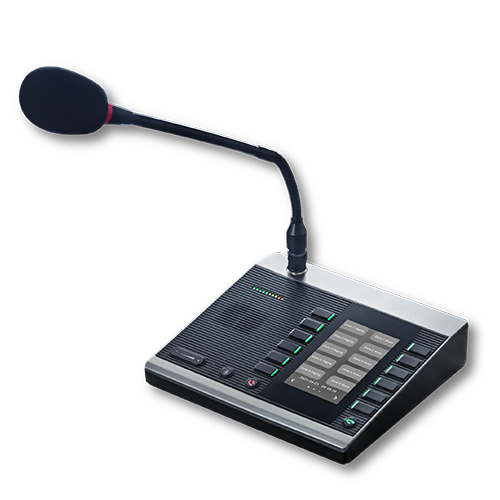 Paging Microphones
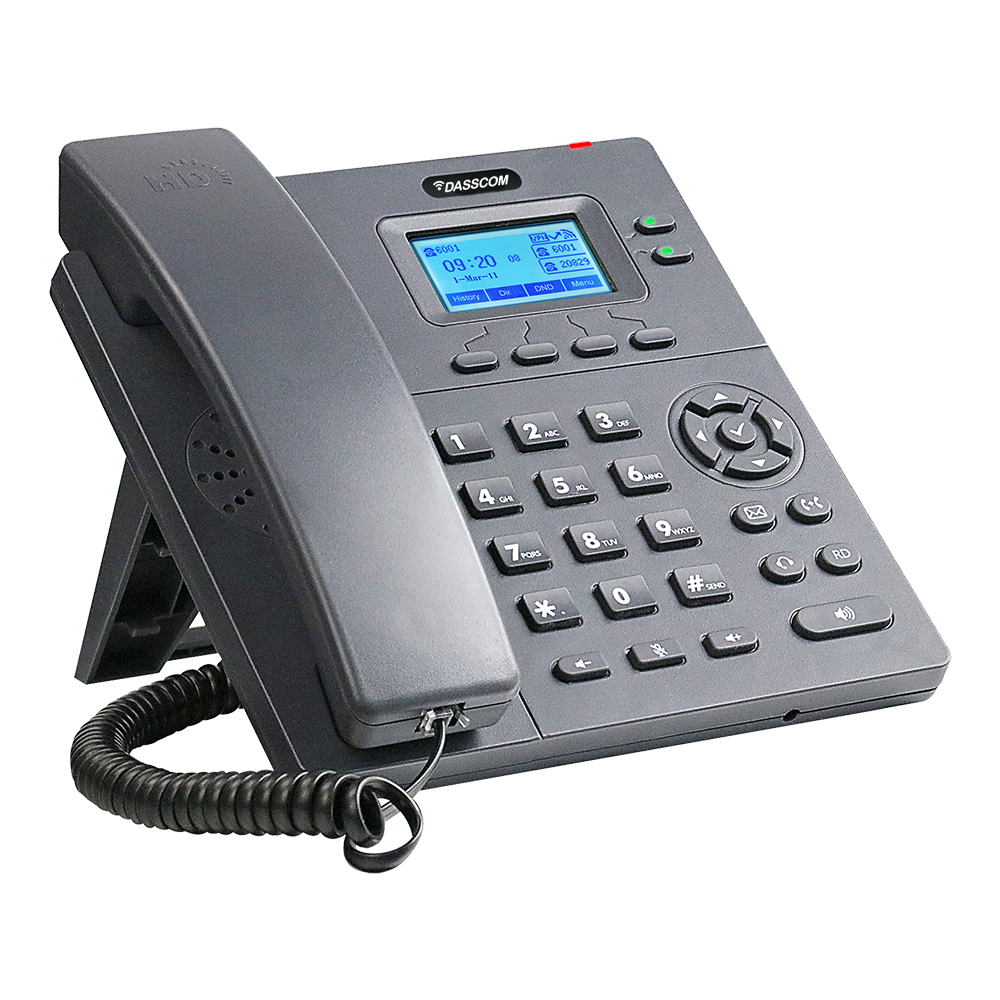 Basic IP Phones
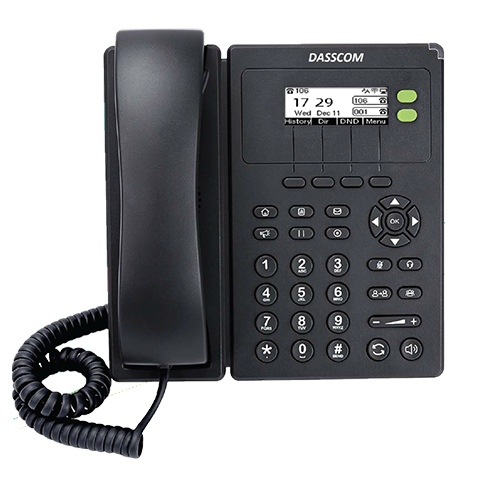 Wifi Phones
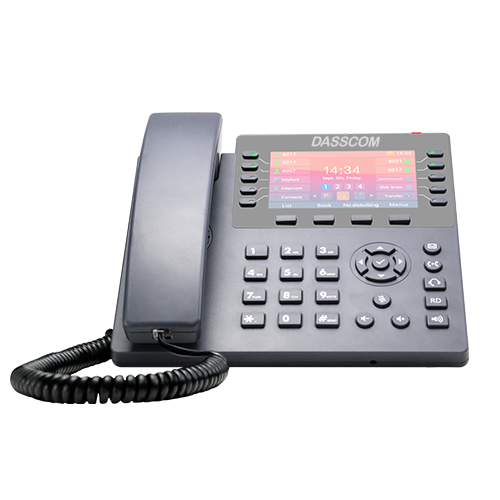 Executive IP Phones
 Video Phones
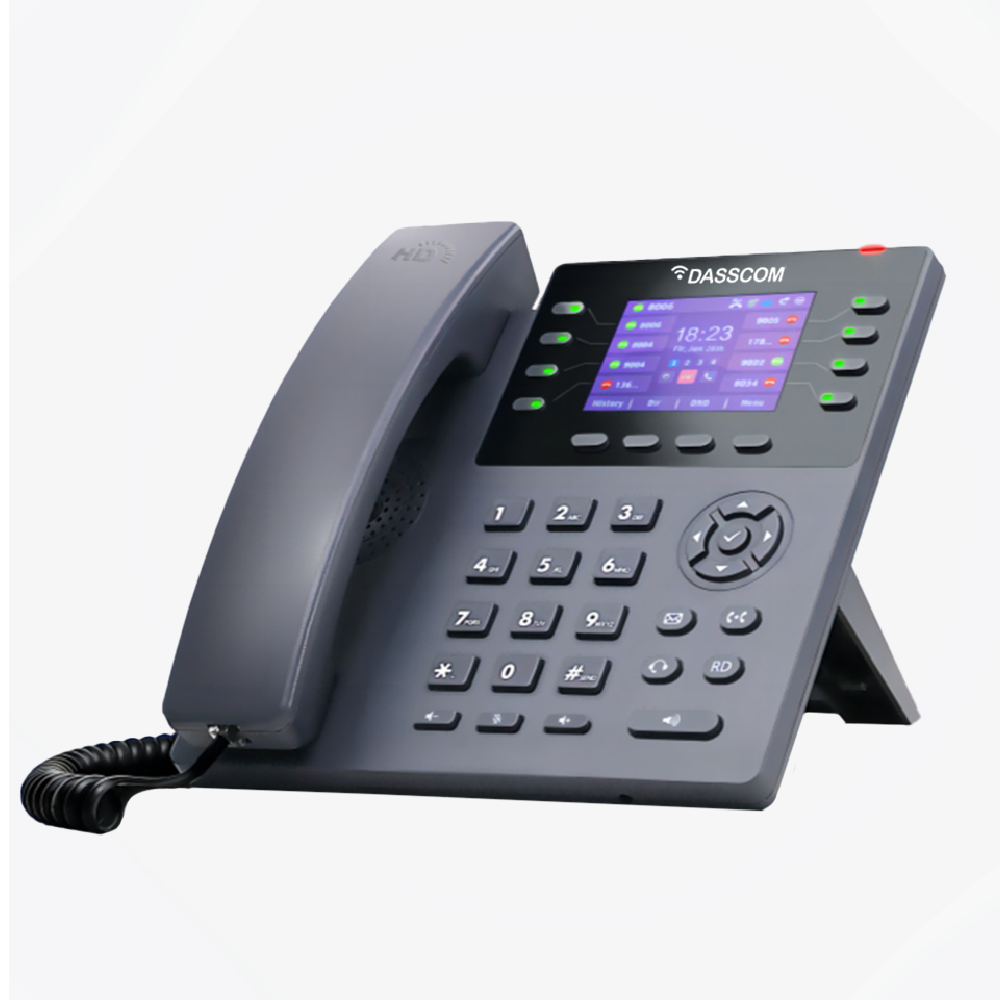
 Duc-series
 FXS/FXO Gateways
 E1/T1 Gateway
 Unmanaged Switches
 Managed Switches
 Industrial Switches
 Access Points
 Safety Intercoms
 Veda Series
 Divine Series
 Tatva Series
 VoIP Office
 Call Center Solutions
 Network Communications
 Public Safety
 Video & Security System
 Highway Communication
 Intercom System
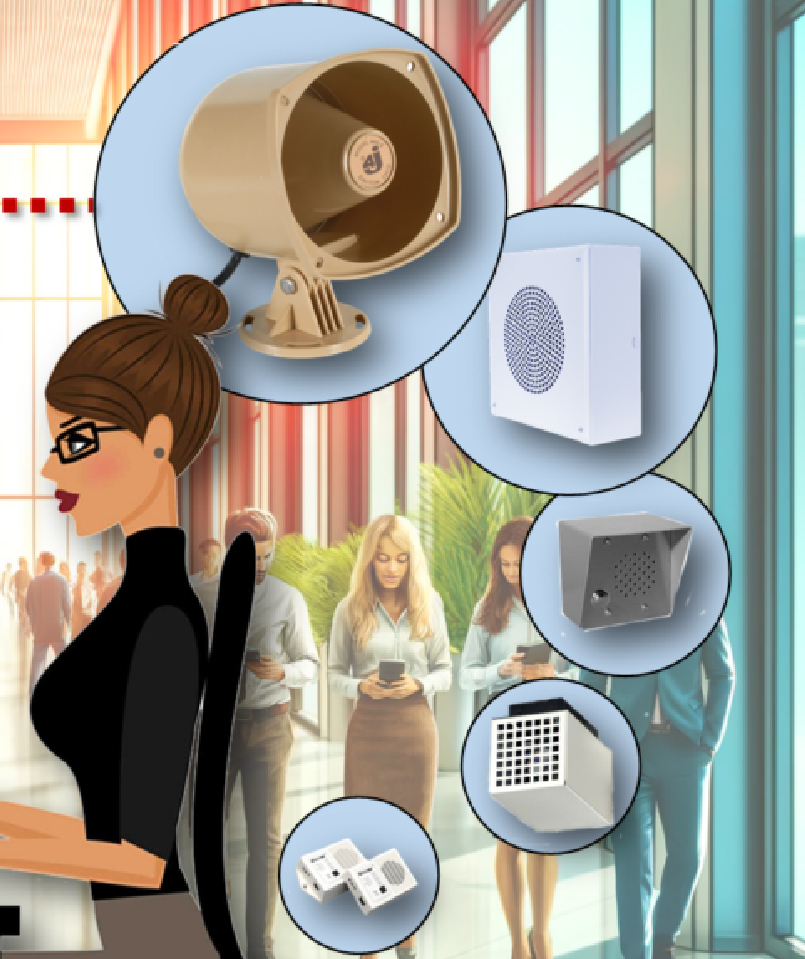 IP Paging Solutions

 Healthcare
 Hospitality
 School & Universities
 IT Office
 SMEs and SMBs
 Industries


 Public Address System
 VOIP Phones
 VOIP PBX
 VOIP Gateways
 Networking Solutions
 Call Center Headsets
 Emergency Intercom Stations


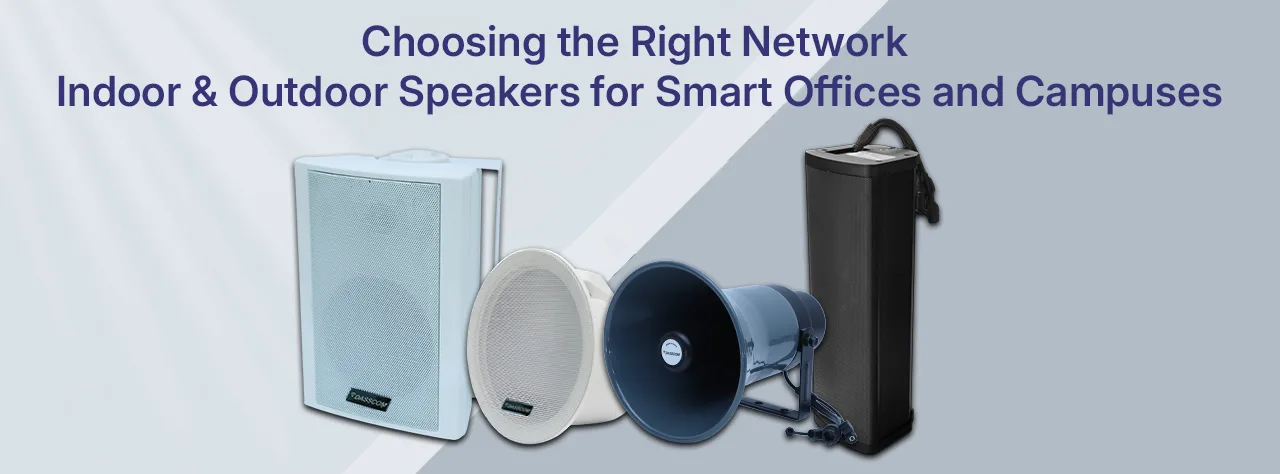
SIP Speaker Buying Guide: Ceiling, Wall-Mount or Horn Speaker?
Choosing the right speaker improves announcement clarity, coverage, and communication across facilities. This guide compares ceiling, wall-mount, and horn speakers for offices, schools, hospitals, factories, and campuses.
fffs
Modern facilities need reliable communication for daily announcements, emergency alerts, and background music. An IP-based public address system makes it possible to distribute audio across different areas using network-connected equipment. However, the quality of the system depends on choosing speakers suited to each location.
A SIP speaker connects to an IP communication network using the Session Initiation Protocol (SIP), allowing it to work with compatible SIP servers and paging systems. Depending on the model, it may also support Power over Ethernet (PoE), helping simplify installation.
The right choice depends on where the speaker will be installed. Ceiling speakers suit discreet indoor coverage, wall-mounted speakers provide practical sound distribution in rooms and corridors, and horn speakers are designed for applications requiring sound projection across outdoor or noisy areas.
What Is a SIP Speaker?
A SIP speaker is a network-enabled speaker that can receive audio announcements through compatible IP communication systems. Instead of relying exclusively on a traditional centralized amplifier and conventional speaker wiring, SIP-enabled models can communicate through an IP network.
This makes them useful for organizations that need announcements across multiple rooms, floors, buildings, or outdoor areas. Depending on the system, users can broadcast live announcements, scheduled messages, alerts, or background music.
An IP-based PA system can also help organizations manage communication across designated zones. For example, a school may need separate announcements for classrooms and outdoor areas, while a factory may require communication across production floors and warehouse spaces.
Before purchasing, check the speaker’s SIP compatibility, power requirements, mounting design, environmental protection, and integration requirements.
Ceiling vs. Wall-Mount vs. Horn Speakers
Each speaker type serves a different purpose. The most suitable option depends on the size of the area, the installation surface, ambient noise, and the required sound coverage.
Speaker type | Best suited for | Main consideration |
Ceiling speaker | Offices, classrooms, clinics, corridors | Discreet installation and distributed indoor audio |
Wall-mount speaker | Meeting rooms, reception areas, corridors, commercial spaces | Wall placement and directed coverage |
Horn speaker | Outdoor areas, factories, parking areas, campuses | Sound projection and environmental protection |
A facility may also benefit from combining different speaker types. Indoor rooms can use ceiling or wall-mounted models, while outdoor zones can use suitable horn speakers connected to the same compatible paging infrastructure.
1. SIP Ceiling Speaker: Best for Discreet Indoor Coverage
A SIP ceiling speaker is installed in or on the ceiling, helping maintain a clean interior appearance while distributing announcements across the room.
This design is particularly useful in offices, classrooms, hospitals, hotels, retail stores, and other indoor environments where speakers should blend into the surroundings.
Ceiling-mounted speakers can provide practical coverage in spaces where people are distributed across a room rather than gathered in one direction. However, the number of speakers and their placement should be planned according to room dimensions, ceiling height, acoustic conditions, and background noise.
When Should You Choose a Ceiling Speaker?
Choose a ceiling speaker when:
- The installation is primarily indoors.
- A discreet appearance is important.
- Announcements need to reach people across a room.
- The building has suitable ceiling space and mounting conditions.
Dasscom DS-10C Ceiling Speaker
Dasscom’s DS-10C is a 10W ceiling speaker with SIP and PoE support, designed for announcements and background music.
It can be considered for offices, classrooms, clinics, and other indoor spaces that require network-based paging.
2. SIP Wall-Mount Speaker: Best for Rooms and Corridors
A SIP wall-mount speaker is installed on a wall and can be positioned to suit the layout of the room or passageway.
Wall-mounted designs are useful when ceiling installation is difficult, when the ceiling is too high, or when the building layout makes wall placement more practical. They can also help direct sound toward the intended listening area.
These speakers are commonly considered for offices, reception areas, hospital corridors, hotels, commercial facilities, and educational buildings.
When Should You Choose a Wall-Mount Speaker?
Consider a wall-mounted model when:
- Ceiling installation is impractical.
- The area is long or narrow, such as a corridor.
- Sound needs to be positioned toward a particular listening area.
- The installation requires accessible wall-mounted equipment.
The correct placement is important. A speaker installed too high, too low, or behind an obstruction may not provide the intended coverage. The final arrangement should be tested in the actual environment.
Dasscom DS-15W and DS-30W
Dasscom’s DS-15W is a 15W wall-mount speaker with SIP and PoE support. The DS-30W is listed as a 30W wall-mount model supporting SIP and PoE, with background music and announcement capabilities.
These models can be evaluated for indoor applications according to the required output, room size, mounting conditions, and system design.
3. SIP Horn Speaker: Best for Outdoor and Noisy Environments
A SIP horn speaker is designed to project sound into open areas or environments where announcements need to be heard over greater distances or competing background noise.
Horn speakers are commonly considered for factory premises, warehouses, parking areas, school grounds, transport facilities, industrial sites, and large campuses.
Unlike a discreet ceiling speaker, a horn speaker prioritizes sound projection. The correct mounting direction, installation height, spacing, and output are important for ensuring that announcements reach the intended audience.
When Should You Choose a Horn Speaker?
Consider a horn speaker when:
- The installation is outdoors or in a large open area.
- Background noise may affect speech intelligibility.
- Announcements must cover yards, parking areas, or industrial premises.
- The speaker needs an enclosure suited to the installation environment.
Outdoor equipment should be selected according to the actual environmental conditions. Check the speaker’s IP protection rating, mounting hardware, power requirements, and operating specifications before installation.
Dasscom DS-15W and DS-30W
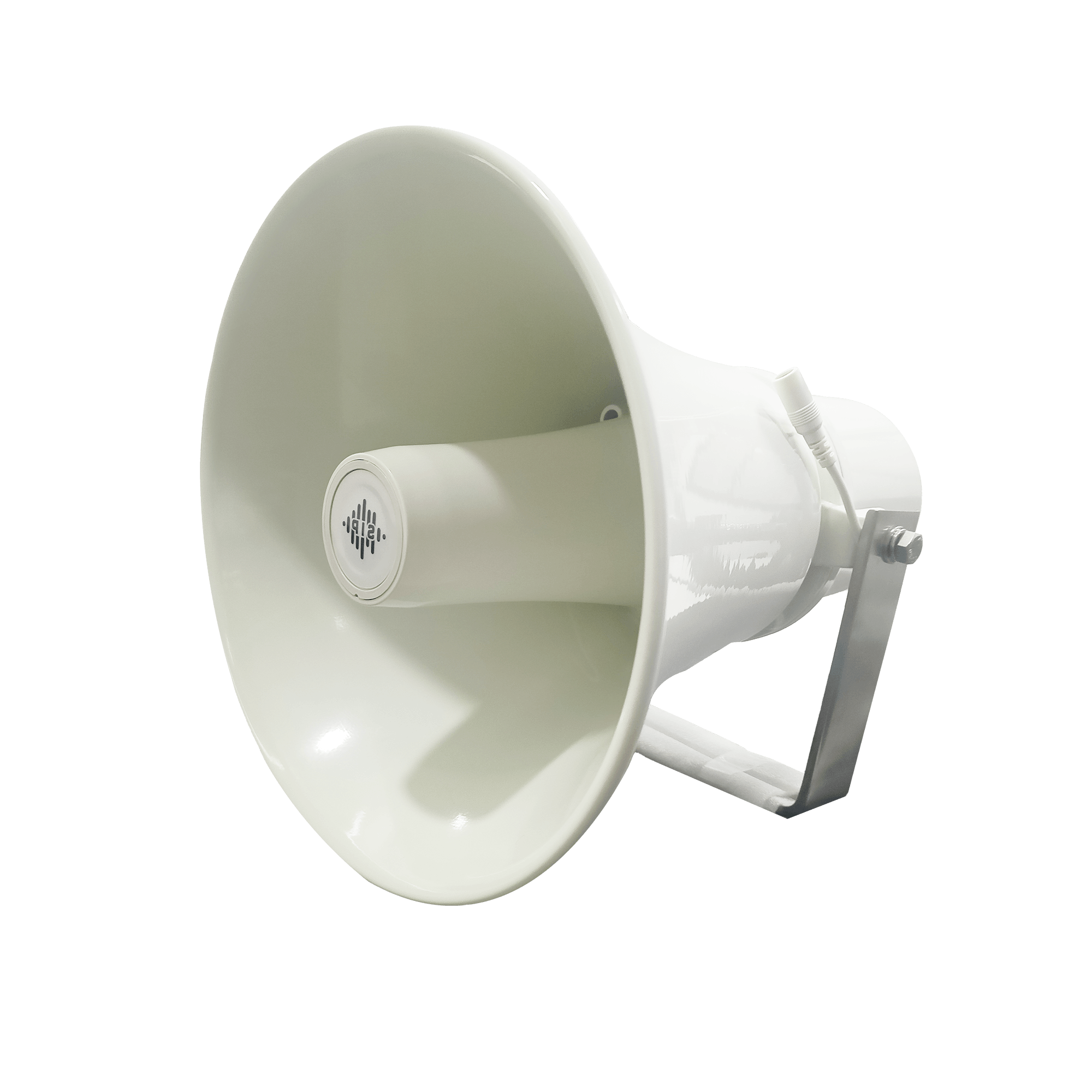
Dasscom’s DS-30H is a 30W SIP-enabled horn speaker with an IP65 protection rating. Its published features include PoE support, SIP integration, paging, notifications, and background music capabilities.
It can be evaluated for applications such as industrial sites, campuses, parking areas, and other outdoor environments.
How to Choose the Right Speaker for Your Facility
Before selecting a model, evaluate the environment and the purpose of the communication system.
1. Identify the Installation Area
Start by separating indoor and outdoor zones. Offices, classrooms, and meeting rooms generally require different mounting arrangements from factory yards, parking areas, and open campuses.
For mixed environments, a combination of ceiling, wall-mount, and horn speakers may be more practical than using one type everywhere.
2. Assess Coverage Requirements
Room dimensions, ceiling height, wall materials, and ambient noise affect speaker placement and performance.
Do not select a speaker based only on its wattage. Higher output does not automatically guarantee better intelligibility throughout an area. Consider the speaker’s design, coverage characteristics, mounting position, and the number of units required.
3. Check SIP Compatibility
The speaker should be compatible with the SIP server or paging system used by your organization. Confirm supported protocols, configuration options, and any integration requirements.
If you are building an IP-based PA system, also check whether the speakers can integrate with the intended paging controller, audio management software, or other components.
4. Evaluate Power and Network Connectivity
Many network speakers support PoE, allowing power and network connectivity to be delivered through a compatible Ethernet connection.
However, PoE requirements vary by model. Check the supported PoE standard, switch capacity, cabling, and total power budget before installation.
For larger deployments, also evaluate network bandwidth, VLAN requirements, and the way audio traffic will be managed.
5. Consider Future Expansion
A well-planned IP-based PA system should accommodate the organization’s future communication needs
A growing school may add classrooms, a factory may expand its production area, or a hotel may add another building. Consider whether new speakers and zones can be incorporated into the planned architecture without a major redesign.
Why SIP Speakers Are Useful for Modern PA Systems
SIP speakers can connect paging and audio communication with an organization’s IP infrastructure. This is particularly useful for facilities that need centralized communication across several areas.
Depending on the supported system and configuration, organizations can use network paging for live announcements, scheduled messages, alerts, and background music.
For example, a hospital may use indoor speakers for routine announcements and suitable speakers in designated areas for alerts. A factory may combine indoor paging with outdoor horn speakers for operational notifications.
The actual capabilities depend on the selected speakers, server, paging software, and system integration. Confirm that the required features are supported before specifying the installation.
Common Buying Mistakes to Avoid
One common mistake is choosing the same speaker type for every location. Ceiling speakers may suit indoor rooms, but they are not automatically the right choice for an exposed industrial yard.
Another mistake is focusing only on wattage while ignoring coverage, mounting, environmental protection, and intelligibility. The loudest speaker is not necessarily the most appropriate speaker for the space.
Businesses should also avoid overlooking SIP compatibility and PoE requirements. Confirm the specifications of each model and ensure that the network infrastructure can support the installation.
Finally, consider the whole paging system rather than evaluating speakers in isolation. Network connectivity, zone management, audio sources, and the intended announcement workflow all contribute to the final result.
Final Thoughts
The right speaker depends on the environment, coverage requirements, mounting options, and network compatibility. Choose ceiling speakers for discreet indoor audio, wall-mounted models for flexible room coverage, and horn speakers for outdoor projection. Dasscom offers SIP-enabled options for organizations building reliable, scalable public address systems.
types of call center

DS-15H
15 watt Horn speaker Support SIP IP 65 Rating Support BGM and announcement
DS-10C
10 watt Ceiling Speaker Support SIP PoE enabled Support BGM & announcement
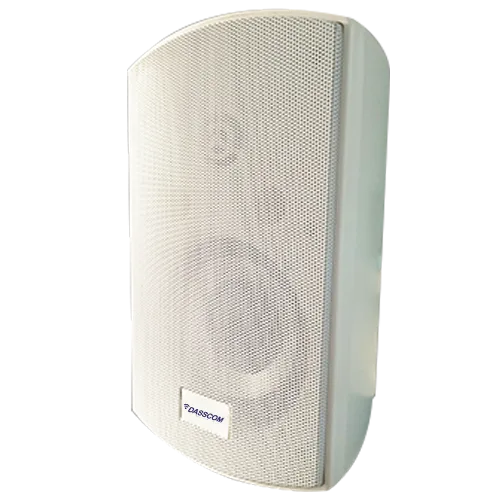
DS-15W
15 watt wall-mount speaker Support SIP PoE enabled Support BGM and announcement
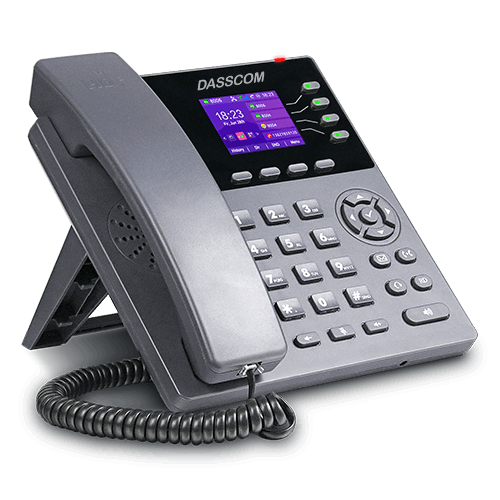
DXP-7200N
4 SIP Account PoE phone Colour Screen HD Voice
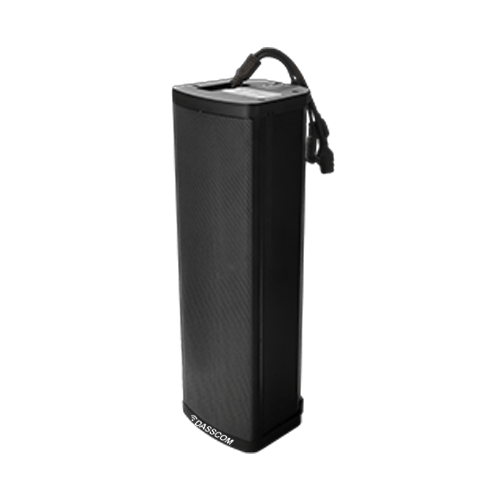
DS-30ECL
1.Built-in 30W amplifier, 2.Class D Amplifier
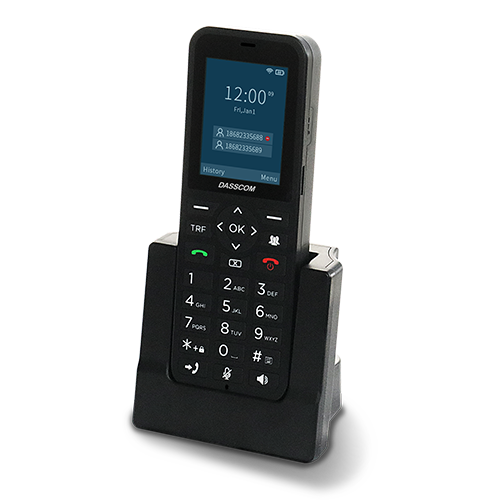
DW-100
2 SIP accounts Wi-fi Support Cordless Phone
Quick summary
See how Nextiva transforms the sales and support team productivity.
Frequently Asked Questions (FAQs)
1. What is the difference between ceiling, wall-mount, and horn speakers?
Ceiling speakers suit discreet indoor coverage, wall-mount speakers provide flexible placement in rooms and corridors, and horn speakers are designed for sound projection in open or noisy environments.
2. Which Dasscom SIP speaker is suitable for an office?
The DS-10C ceiling speaker and DS-15W or DS-30W wall-mount speakers are options to evaluate for indoor office applications. The right model depends on room layout, mounting conditions, and coverage requirements.
3. Can SIP speakers work with an existing IP PA system?
They can work with a compatible SIP server or paging system, but integration depends on protocol support, configuration, and the capabilities of the existing equipment.
4. Are SIP horn speakers suitable for outdoor use?
Some are specifically designed for outdoor environments. Dasscom’s DS-30H is listed with an IP65 protection rating. Always confirm the environmental specifications of the chosen model before installation.
5. Do SIP speakers support PoE?
Some models do. Dasscom’s DS-10C, DS-15W, and DS-30H are listed with PoE support. Verify the required PoE standard and available switch power before deployment.
Related Products
DXP-7250
View Product
DS-10C
View Product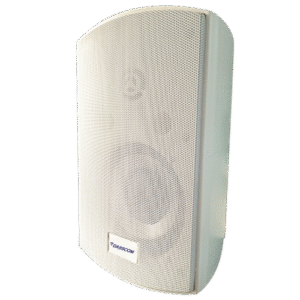
DS-15W
View Product DS-30w
View Product
DS-30H
View ProductRelated Blogs

How to Choose a Noise-Cancelling Microphone Headset for a Busy Call Centre
Read More
How to Choose an IP PBX System for a 20–100 Employee Office
Read More
PoE Switch Power Budget: How to Size Your Network for IP Phones and Access Points
Read More