How Public Address Systems Improve Safety and Operations in Public Spaces

How Public Address Systems Improve Safety and Operations in Public Spaces

How Public Address Systems Improve Safety and Operations in Public Spaces

This blog explores how PA Systems enhance safety and streamline operations in public spaces. It covers its role in emergency communication, crowd management, and daily announcements, along with key features like automation, zoning, and system integration—helping readers understand how these solutions improve coordination, response times, and overall efficiency.

fffs

In high-traffic public environments, clear and timely communication can prevent chaos, reduce risk, and improve everyday operations. From transportation hubs and educational institutions to malls, hospitals, and industrial campuses, public address systems play a critical role in ensuring safety, coordination, and efficiency.

Modern PA technologies have evolved far beyond simple loudspeakers. Today’s solutions—including wireless and IP-based platforms—enable centralized control, zoning, automation, and real-time emergency broadcasting. This blog explores how public address systems enhance safety and operational effectiveness across public spaces and how to choose the right solution for different environments.


What Are Public Address Systems?

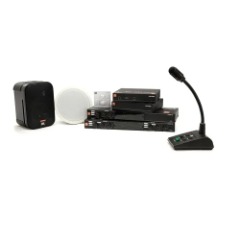
Public address systems are communication solutions designed to broadcast voice messages, alerts, and announcements to a large audience. They typically include microphones, amplifiers, speakers, and a control unit that manages message distribution.

In modern deployments, PA systems integrate with IP networks, wireless infrastructure, and emergency systems—making them a core component of public safety and facility management strategies.


Why Public Address Systems Are Essential in Public Spaces

Public spaces face unique challenges: large crowds, noise, emergencies, and constant movement. A reliable PA system ensures messages are heard clearly and instantly.

Key benefits include:

Well-designed public address systems help authorities respond faster and operate more efficiently.


Enhancing Safety Through Public Address Systems

An effectively deployed outdoor PA System is especially critical in open areas such as campuses, parking zones, and transport terminals.


Operational Efficiency Beyond Emergencies

Public address systems are not only for emergencies—they streamline daily operations.


Types of Public Address Systems Used Today

Wireless PA System

wireless PA system eliminates extensive cabling, making installation faster and more flexible.

Advantages:

wireless public address system is widely used in schools, offices, and temporary venues where infrastructure changes frequently.

IP PA System includes the following:

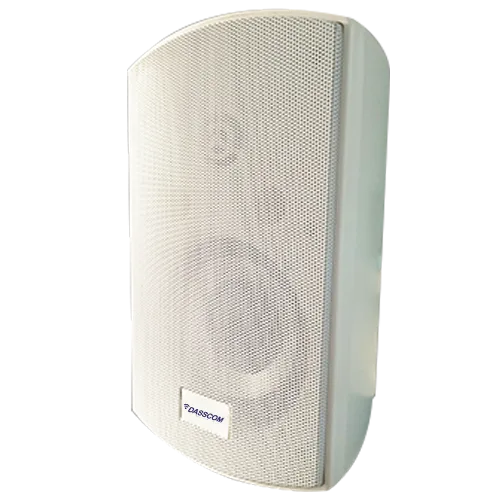
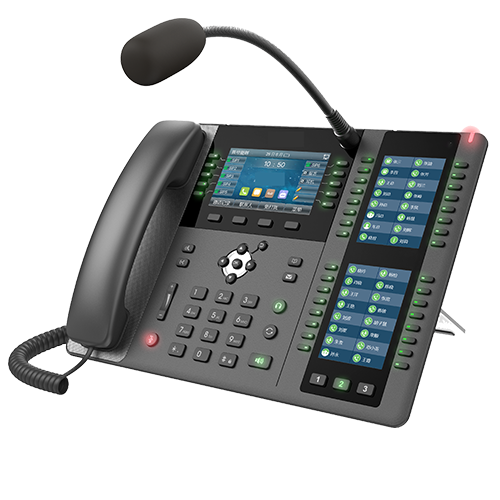
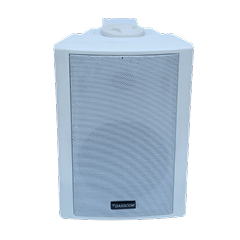
Indoor Speakers

Delivers superior sound clarity within enclosed environments

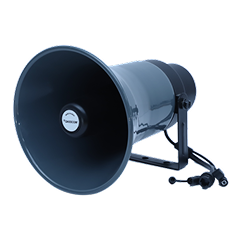
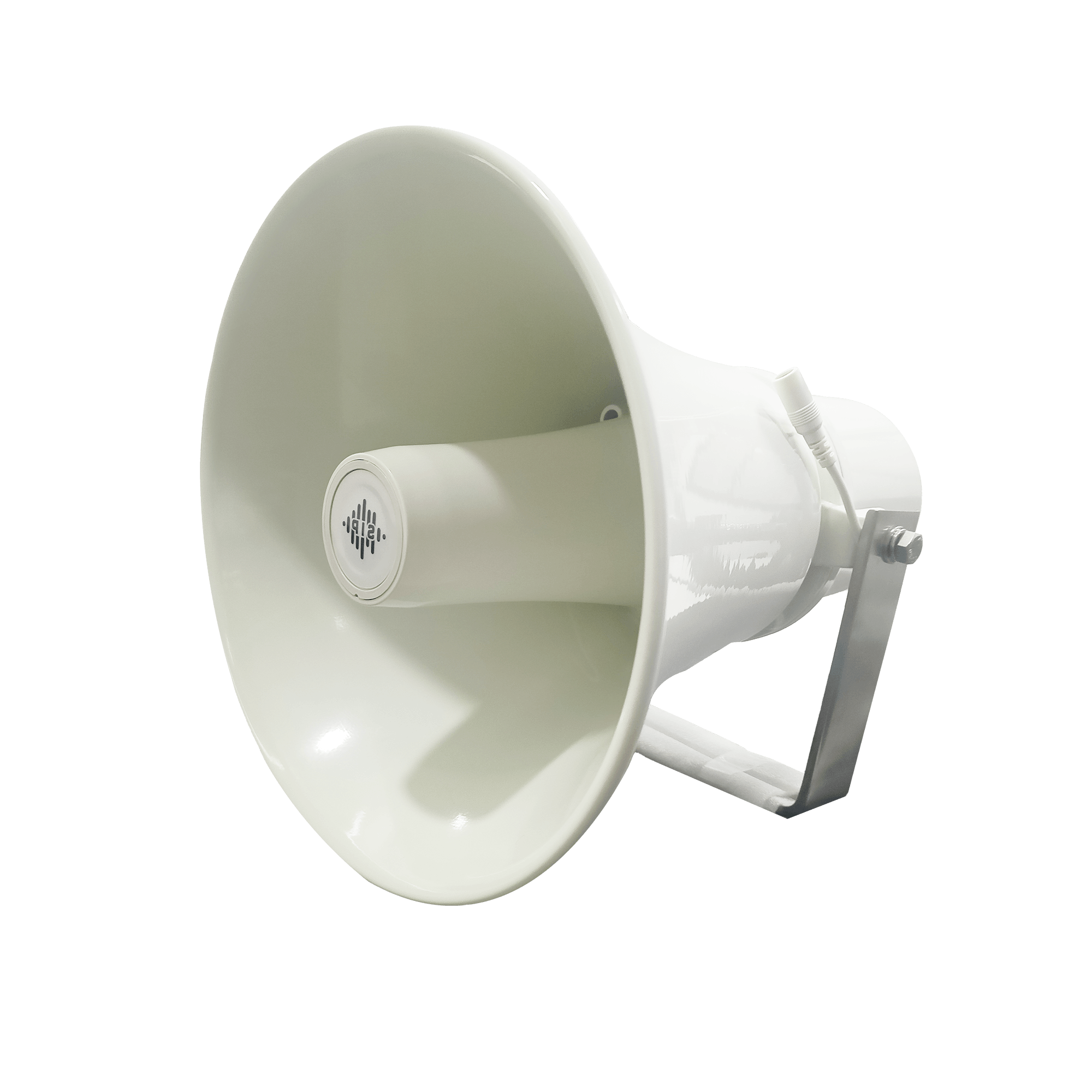
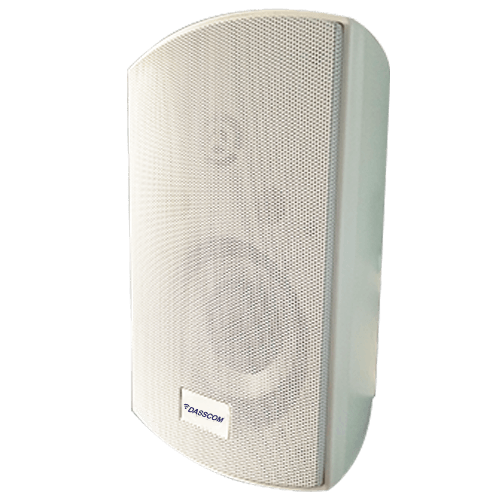
Outdoor Speakers

Engineered for environments that powerful, weatherproof sound solutions

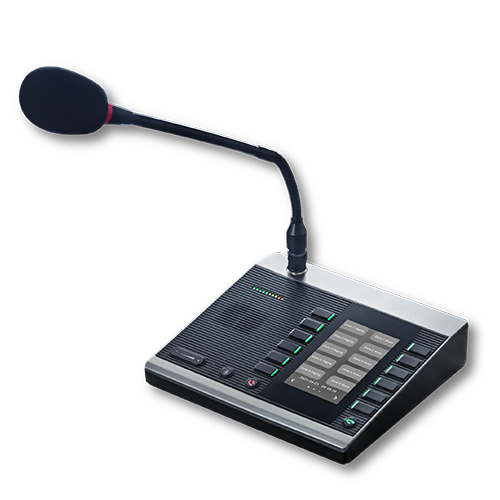
Paging Microphones

Offers precise, professional-grade voice transmission for real-time announcements

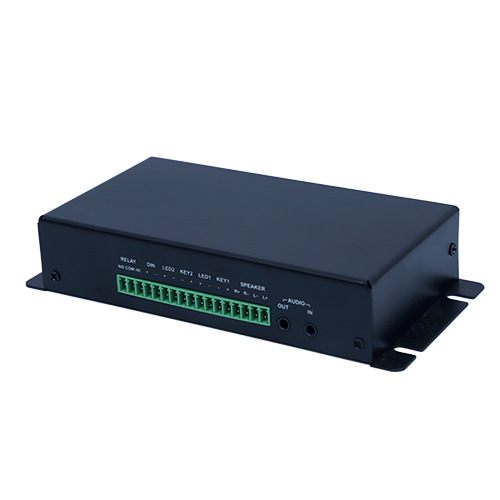
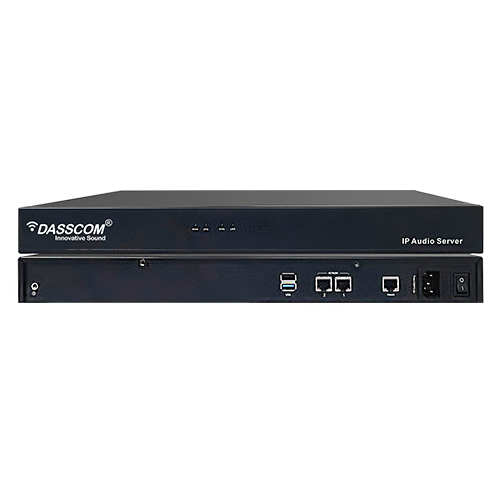
Paging Controllers

Brain behind a centralized communication system

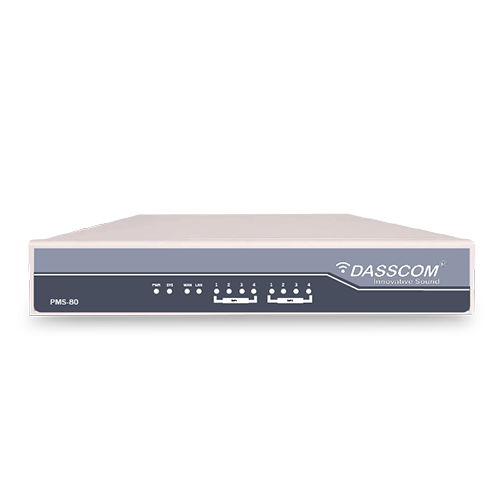
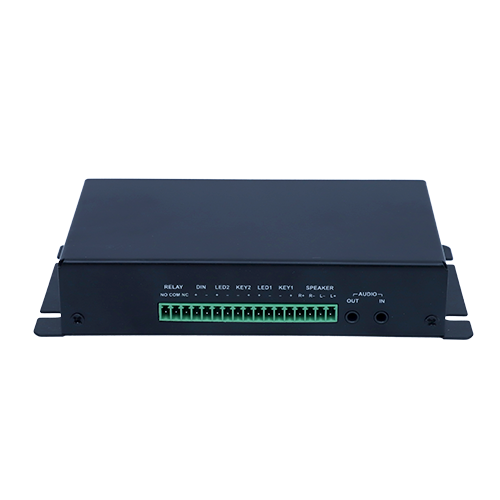
Amplifier & Gateways

Forms the backbone of robust PA network

Wireless PA System for Schools: wireless pa system for schools supports daily announcements, bell scheduling, and emergency alerts without complex wiring.

Key benefits for education campuses:

Schools increasingly adopt wireless systems to balance safety and cost efficiency.

Outdoor PA System

An outdoor pa system is designed to withstand harsh environmental conditions such as heat, rain, dust, and wind.

Common applications:

Durability and sound clarity over long distances make outdoor systems vital for large open spaces.

IP PA System

An IP PA system uses IP networks to transmit audio, offering centralized control and advanced features.

Why organizations prefer IP-based PA:

IP systems are becoming the backbone of modern enterprise and city-wide PA deployments.


How PA Systems Improve Different Public Spaces


Choosing the Best PA System for Your Needs

Selecting the best PA system depends on several factors:

Indoor spaces focus on clarity and acoustics, while outdoor spaces require weather-resistant hardware.

Large campuses benefit from IP-based zoning and centralized control.

wireless PA system is ideal where layout changes are frequent.

For indoor environments like auditoriums and offices, investing in the best indoor speakers ensures intelligibility without distortion.

A well-planned system balances performance, scalability, and long-term reliability.


Role of Speakers in PA Performance

Speakers define how well a message is understood. Using the best indoor speakers improves voice clarity, reduces echo, and ensures even sound distribution.

For outdoor use, ruggedized speakers paired with an outdoor pa system ensure announcements remain audible even in noisy environments.


Future of Public Address Systems

PA systems are evolving into intelligent communication platforms. Trends include:

Advanced public address systems will continue to play a vital role in public safety and operational excellence.


Conclusion

From emergency preparedness to everyday coordination, public address systems are indispensable in public spaces. Whether deploying a wireless pa system, a robust outdoor PA system, or a centralized IP PA system, the right solution enhances safety, improves response time, and streamlines operations.

Investing in the best PA system ensures clear communication when protecting people and improving how public spaces function.

Quick summary

Public address systems enhance safety and efficiency in crowded public spaces by enabling clear, real-time communication. They support emergency alerts, evacuation guidance, and crowd control while streamlining daily operations through automated announcements, zoning, and integration with digital systems ensuring better coordination, faster response, and improved overall facility management. 

Frequently Asked Questions (FAQs)

1. What are public address systems mainly used for?

Public address systems are used to broadcast announcements, safety alerts, and emergency instructions across public and private spaces.

Yes. A wireless pa system is reliable for large areas when properly designed, offering flexibility and quick scalability.

An ip pa system uses network infrastructure, allowing centralized control, zoning, and integration with other digital systems, unlike traditional analog PA setups.

Yes. An outdoor pa system is built to withstand environmental conditions such as rain, heat, dust, and wind.

wireless pa system for schools is ideal due to easy installation, campus-wide coverage, and quick emergency communication.

The best pa system depends on space size, indoor or outdoor use, required control level, and future expansion plans.

Absolutely. Using the best indoor speakers improves clarity, reduces distortion, and ensures announcements are clearly understood.

Yes. A wireless public address system can broadcast instant emergency alerts across predefined zones.

Why Your Network Needs a 24-Port Managed PoE Switch

Why Your Network Needs a 24-Port Managed PoE Switch

Why Your Network Needs a 24-Port Managed PoE Switch

In this blog, we’ll explore why upgrading to a 24 port managed switch is essential for performance-driven networks, how it compares to basic switching options, and why it’s increasingly preferred across enterprise and industrial environments.

fffs

As businesses scale their digital operations, the network becomes the backbone of productivity, security, and growth. From IP phones and wireless access points to surveillance cameras and IoT devices, modern workplaces depend on reliable connectivity and power delivery. This is where a 24 port PoE switch becomes a strategic investment—especially when it’s a managed one.


Understanding the Role of an Ethernet Switch

An ethernet switch connects multiple devices within a local area network (LAN) and ensures data is delivered efficiently between them. Unlike hubs that broadcast data to all devices, switches intelligently forward traffic only where it’s needed—improving speed, security, and reliability.

As networks grow in size and complexity, the type of ethernet switch you choose directly impacts performance and scalability.


What Is a 24-Port Managed PoE Switch?

A 24 port PoE switch combines two critical functions:

When paired with advanced management features, it becomes a managed network switch that offers control, visibility, and optimization across the network.

A 24 port managed switch is ideal for environments with:

Why 24 Ports Is the Sweet Spot for Businesses

For many organizations, 24 ports strike the perfect balance between capacity and cost. It supports current needs while leaving room for expansion.

Common devices powered and connected via a 24 port PoE switch include:

This makes it a versatile choice for offices, campuses, retail chains, and smart infrastructure projects.

A managed network switch provides:

A 24 port managed switch allows IT teams to fine-tune performance and prevent issues before they affect users—something an unmanaged network switch simply cannot do.


Power and Data: The Advantage of PoE

PoE simplifies installations by eliminating separate power cables. With a 24 port PoE switch, devices receive both power and data through one Ethernet cable.

Key advantages include:

For enterprises deploying VoIP, Wi-Fi, or surveillance, PoE-enabled switching is no longer optional—it’s essential.

Dasscom Offerings

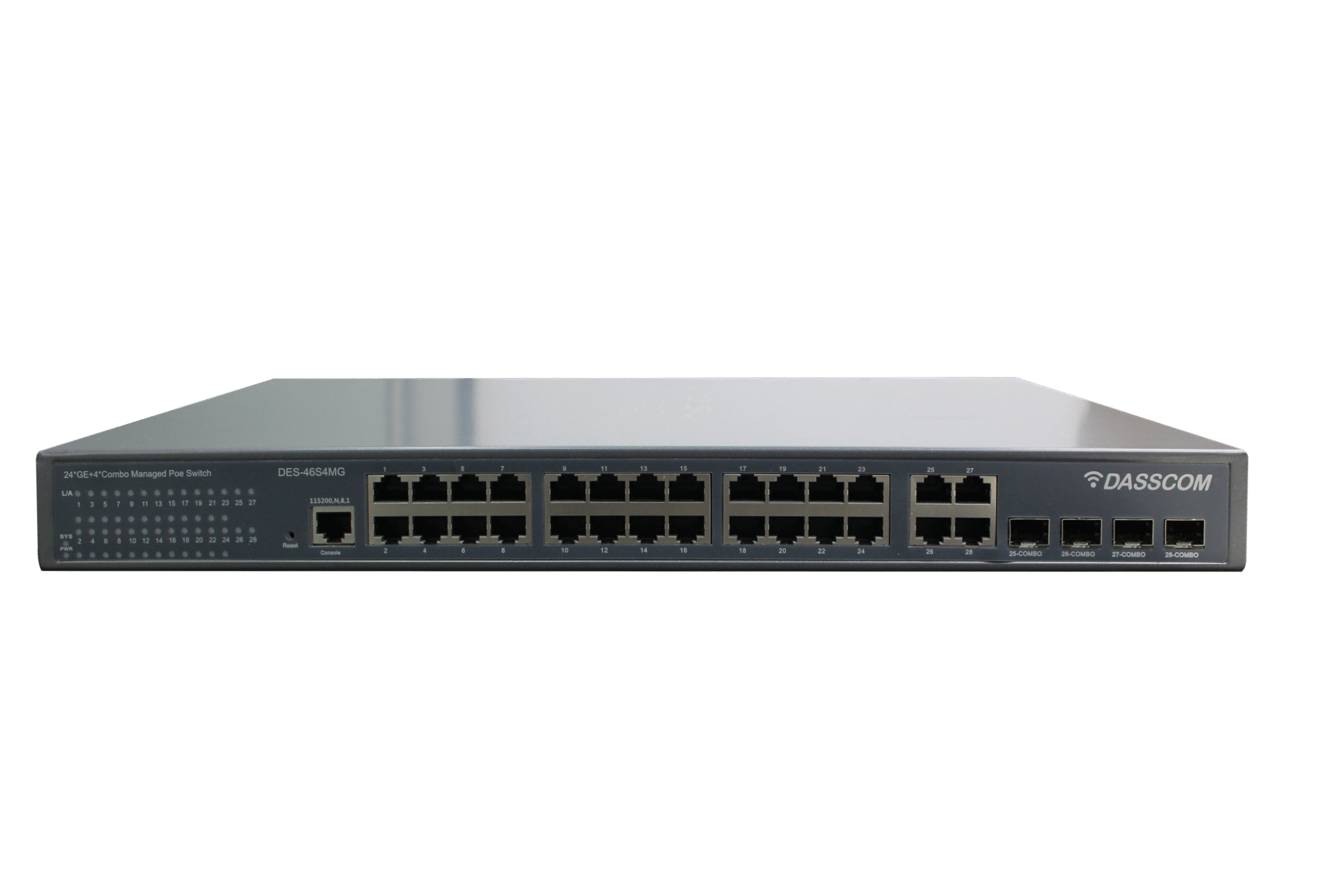
DES-46S4MG

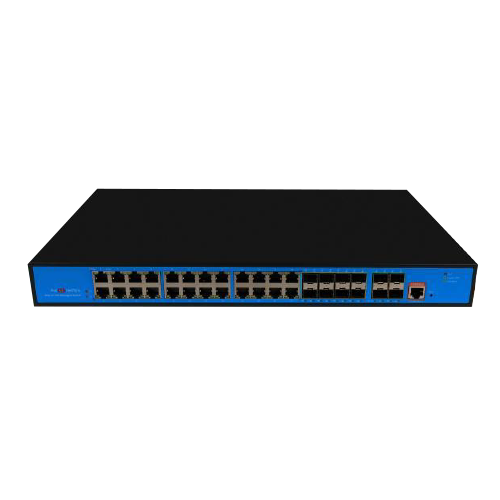
24 port managed ethernet switch with 4 Gigabit combo uplink ports

DES-P242MGS1

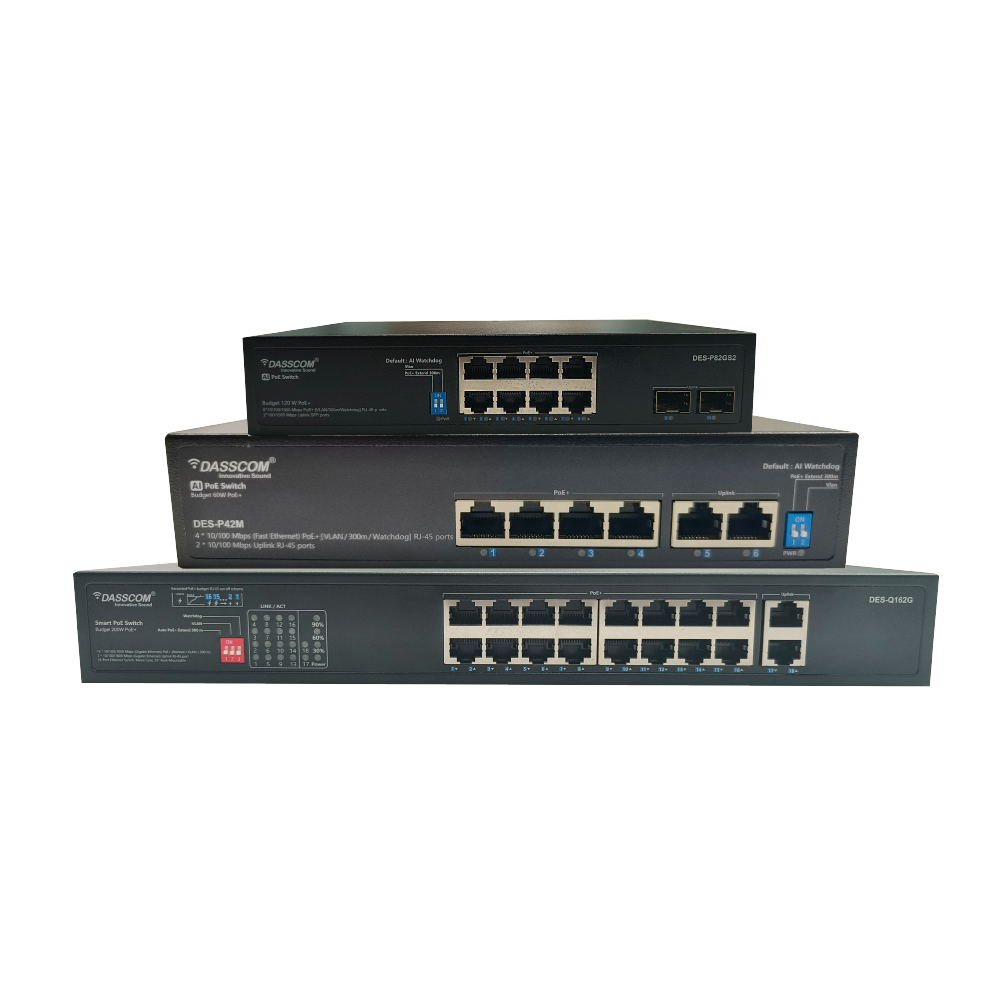
24 port high-performance unmanaged PoE switch

Performance Optimization with a Managed Network Switch

A managed network switch enables intelligent traffic handling that improves user experience and application performance.

Key capabilities include:

These features ensure consistent performance across all connected devices.


When Industrial Environments Demand More

In manufacturing plants, utilities, and transport infrastructure, networks face harsh conditions. This is where an industrial ethernet switch or industrial network switch becomes critical.

Compared to standard office switches, these are designed for:

For such use cases, a managed industrial switch offers both durability and advanced control which ensures stable operations in mission-critical environments.


Enterprise vs Industrial Switching: Choosing the Right Fit

Not all networks require ruggedized hardware. However, understanding the difference helps in long-term planning.

In many smart infrastructure projects, enterprises combine a 24 port PoE switch at the access layer with an industrial network switch in field locations.


Security Benefits of a Managed 24-Port Switch

Security threats don’t only come from outside the network. Internal risks such as unauthorized access or misconfigured devices can be just as damaging.

A managed network switch enhances security through:

These capabilities are absent in an unmanaged network switch, making managed solutions the safer choice for business-critical environments.


Scalability for Growing Networks

Growth is inevitable—new employees, devices, and applications are added constantly. A 24 port managed switch supports this growth without requiring a complete network overhaul.

Benefits include:

This scalability makes it a future-ready investment.


Cost Efficiency Over the Long Term

While an unmanaged network switch may seem cheaper initially, it often leads to higher costs over time due to:

A 24 port PoE switch with management capabilities reduces operational costs by simplifying maintenance and improving reliability.


Real-World Use Cases

Final Thoughts

A 24 port PoE switch is more than just a connectivity device—it’s a foundation for modern, scalable, and secure networks. When equipped with advanced management features, a 24 port managed switch empowers organizations to optimize performance, support growth, and maintain control.

Whether you’re building an enterprise network or planning deployments that require an industrial network switch or managed industrial switch, choosing the right switching solution today ensures reliability and efficiency tomorrow.

Investing in the right ethernet switch is not just an IT decision—it’s a business strategy.

Frequently Asked Questions (FAQs)

1. What makes a 24 port PoE switch better than smaller switches?

A 24 port PoE switch offers the ideal balance between capacity and scalability. It supports multiple devices such as IP phones, access points, and cameras while leaving room for future expansion—making it suitable for growing business networks.

A managed network switch allows configuration, monitoring, traffic prioritization, and security control, whereas an unmanaged network switch is plug-and-play with no visibility or customization. Managed switches are better suited for businesses that require stability, performance optimization, and security.

A 24 port managed switch provides advanced features such as VLANs, QoS, monitoring, and access control. These capabilities help businesses manage traffic efficiently, reduce downtime, and ensure consistent performance—benefits not available in basic ethernet switches.

Yes, but for harsh conditions like factories or outdoor installations, an industrial ethernet switch or industrial network switch is recommended. In controlled industrial environments, a managed PoE switch can be combined with ruggedized switches for optimal performance.

A managed industrial switch combines advanced network management features with rugged, industrial-grade design. It is required in environments with extreme temperatures, vibration, or electrical noise where both durability and control are critical.

PoE allows both power and data to be delivered over a single Ethernet cable. With a 24 port PoE switch, installation becomes faster, cabling is reduced, and centralized power management improves reliability.


Yes. A 24 port managed switch is highly scalable and supports network growth through additional devices, higher bandwidth uplinks, and centralized management—making it a future-ready investment

 
Absolutely. A managed network switch enhances security through VLAN segmentation, port-based access control, traffic monitoring, and policy enforcement—features not available in an unmanaged network switch.

VoIP Gateways Explained: How They Work & Why They Matter

VoIP Gateways Explained: How They Work & Why They Matter

VoIP Gateways Explained: How They Work & Why They Matter

Many organizations still rely on legacy telephony lines, analog devices, or GSM connectivity. This is where a VoIP gateway plays a critical role by bridging the gap between traditional voice systems and modern IP networks. Learn more on how these VoIP Gateways work.

fffs

As businesses modernize their communication infrastructure, VoIP has become the foundation of cost-effective, scalable, and flexible voice communication. However, many organizations still rely on legacy telephony lines, analog devices, or GSM connectivity. This is where a VoIP gateway plays a critical role—bridging the gap between traditional voice systems and modern IP networks.

In this blog, we explain what VoIP gateways are, how they work, the different types available, and why choosing the best VoIP gateway is essential for reliable business communication.

What is a VoIP Gateway?

A VoIP gateway is a device that converts voice signals between traditional telephony networks (PSTN, analog, GSM) and IP-based VoIP systems. It allows businesses to connect legacy phones, PRI/FXO lines, or mobile networks to an IP PBX or cloud-based VoIP platform.

In simple terms, a VoIP gateway enables organizations to:


How does a VoIP Gateway work?

A VoIP gateway acts as a translator between different communication technologies.

Step-by-Step Process

A digital VoIP gateway ensures minimal latency, stable call quality, and reliable connectivity across hybrid environments.


Why VoIP Gateways matter for businesses

Many organizations cannot switch to VoIP overnight. A gateway enables gradual migration without service disruption.

Key business benefits include:

For enterprises, gateways are the backbone of hybrid communication strategies.

Dasscom Offerings

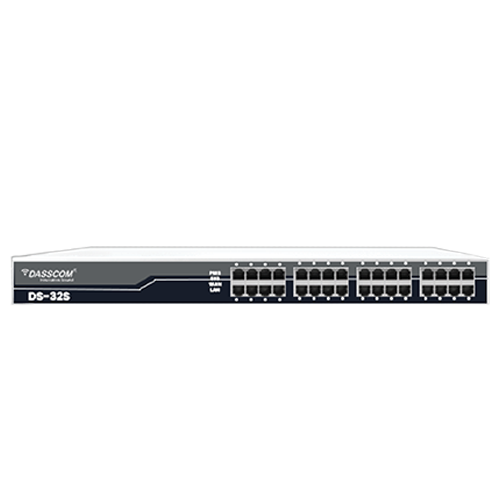
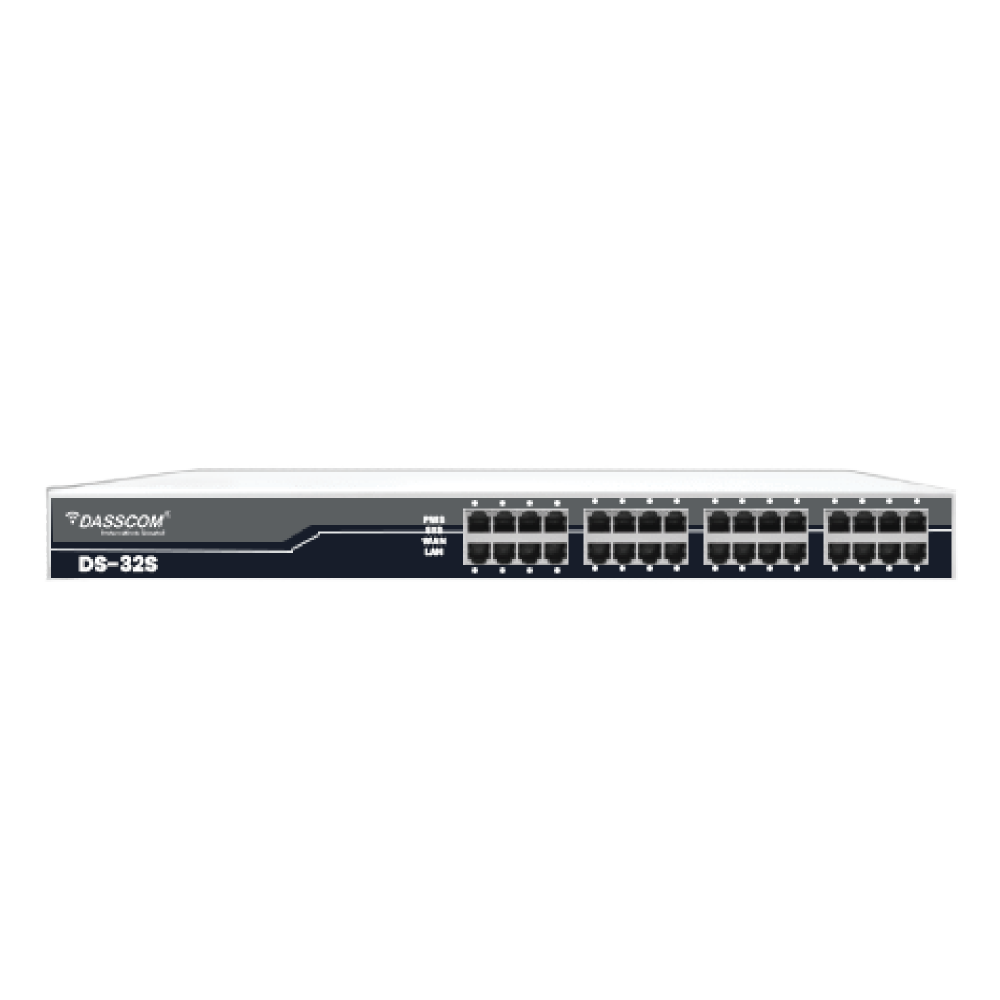
32S-500

FXS/FXO Gateway

Dasscom’s FXS/FXO gateways bridge the gap between traditional analog systems and modern VoIP infrastructure.

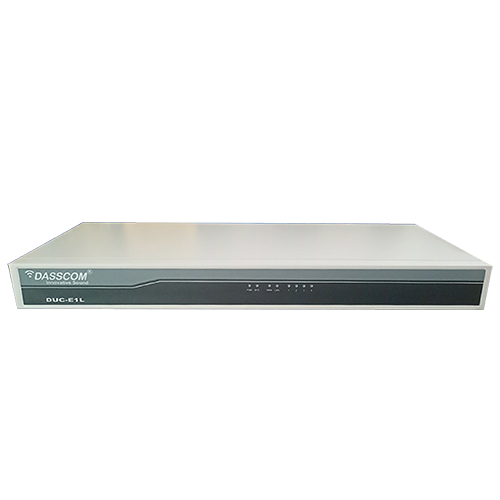
DUC-E1L

E1/T1 Gateway

Enterprise-grade PRI Gateway designed for seamless and high-quality transmission via E1/T1 ports

Types of VoIP Gateways explained

Digital VoIP Gateway

A digital VoIP gateway connects digital telecom lines such as PRI (E1/T1) with IP-based systems. It is widely used in enterprises with high call volumes.

Ideal for:

Digital gateways deliver high capacity, consistent quality, and centralized control.


FXO VoIP Gateway

An FXO VoIP gateway connects analog PSTN lines to VoIP systems. It is commonly used to retain existing landlines while adopting VoIP.

Key advantages:

An FXO VoIP gateway is perfect for SMBs transitioning from analog telephony.


4G VoIP Gateway

A 4G VoIP gateway routes voice calls through cellular networks, making it ideal for locations with limited wired connectivity.

Best suited for:

A 4G VoIP gateway ensures business continuity when fixed networks are unavailable.


8 Port VoIP Gateway

An 8 port VoIP gateway supports multiple simultaneous calls, making it suitable for growing businesses.

Use cases include:

It balances capacity and affordability while offering reliable VoIP connectivity.


SIP VoIP Gateway

A SIP VoIP gateway uses SIP protocol to integrate seamlessly with IP PBX systems, softswitches, and cloud VoIP platforms.

Benefits include:

SIP-based gateways are essential for modern unified communication environments.


How to Choose the Best VoIP Gateway

Selecting the best VoIP gateway depends on your network, call volume, and connectivity requirements.

Key Considerations:

A well-chosen gateway ensures long-term reliability and scalability.


VoIP Gateways and Cost Optimization

VoIP gateways help reduce communication expenses by allowing businesses to leverage their existing telecom lines while transitioning to IP-based calling. By enabling least-cost routing, they ensure calls are automatically directed through the most economical paths, significantly lowering local and international call charges. At the same time, VoIP gateways minimize the need for frequent hardware upgrades by extending the life of legacy infrastructure. Together, these benefits make VoIP gateways a strategic and cost-effective investment for organizations focused on optimizing communication budgets.


Security and Reliability

Modern gateways include:

These features ensure stable and secure voice communication.


Real-World Applications

Each use case highlights why gateways remain essential in modern networks.


Future of VoIP Gateways

As VoIP evolves, gateways are becoming smarter—supporting:

The best VoIP gateway today is designed to adapt to tomorrow’s communication demands.

final Thoughts

A VoIP gateway is not just a connector—it’s a critical enabler of modern business communication. Whether you deploy a digital VoIP gateway, FXO VoIP gateway, 4G VoIP gateway, or an 8 port VoIP gateway, the right solution ensures flexibility, reliability, and cost efficiency.

Choosing the best VoIP gateway empowers businesses to modernize communication while protecting existing investments.

Frequently Asked Questions (FAQs)

What is a VoIP gateway used for?

A VoIP gateway connects traditional telecom networks with IP-based VoIP systems, enabling hybrid communication.

An FXO VoIP gateway connects analog lines, while a digital VoIP gateway connects PRI/E1/T1 lines for higher capacity.

A 4G VoIP gateway is ideal for remote locations or as a backup during internet outages.

Yes, an 8 port VoIP gateway supports multiple concurrent calls and is ideal for SMBs.

A SIP VoIP gateway ensures compatibility with modern IP PBX and cloud VoIP platforms.

Consider call volume, line type, redundancy needs, and system compatibility to select the best VoIP gateway.