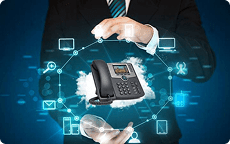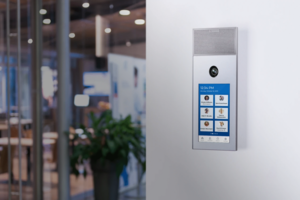
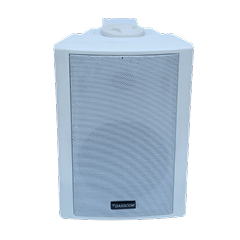
Wireless VoIP Phones: How They Empower the Mobile Workforce in Smart Offices

Wireless VoIP Phones: How They Empower the Mobile Workforce in Smart Offices
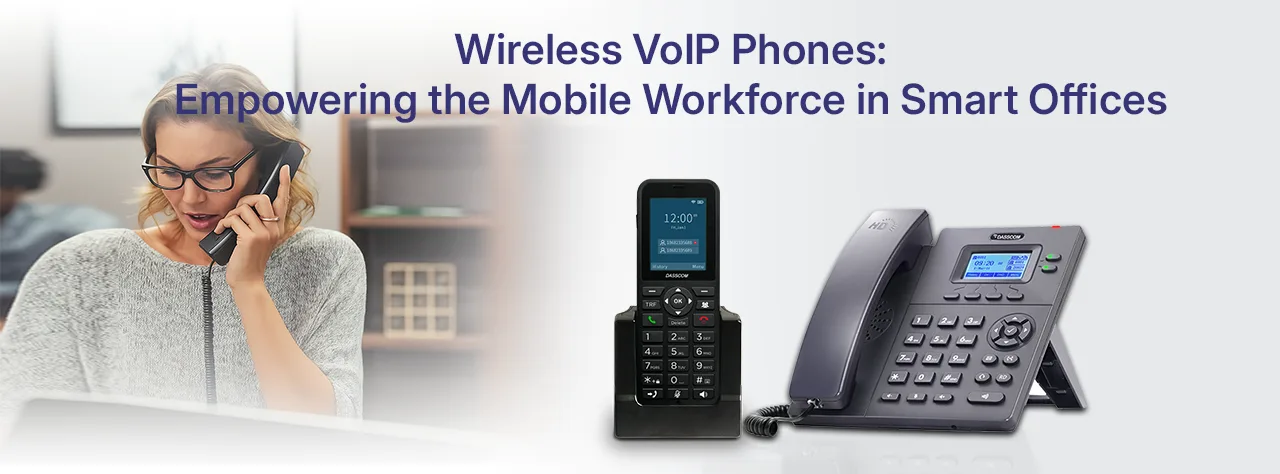
Wireless VoIP Phones: How They Empower the Mobile Workforce in Smart Offices

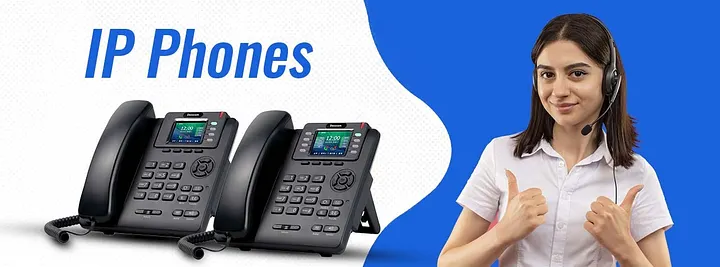
In today’s world of smart offices, mobility and flexibility are no longer perks — they’re essential. Businesses are shifting away from fixed desk phones and moving toward wireless VoIP phones that enable employees to stay connected anywhere within the office environment. Unlike traditional desk setups, IP phones with wireless capability eliminate the restrictions of wired connections, giving teams the freedom to work smarter.

fffs

In today’s world of smart offices, mobility and flexibility are no longer perks — they’re essential. Businesses are shifting away from fixed desk phones and moving toward wireless VoIP phones that enable employees to stay connected anywhere within the office environment. Unlike traditional desk setups, IP phones with wireless capability eliminate the restrictions of wired connections, giving teams the freedom to work smarter.

The result? Higher productivity, reduced costs, and seamless integration with modern IP PBX systems. In this blog, we’ll explore how wireless VoIP phones are transforming the way smart offices operate, their benefits, use cases, and why they are the future of unified business communications.

What Are Wireless VoIP Phones and How Do They Work?

At their core, wireless VoIP phones are simply IP phones that connect through Wi-Fi rather than traditional Ethernet cables. They operate on SIP protocols and integrate seamlessly with an IP PBX or hosted VoIP platform to provide all the features of advanced business telephony without being tied to a desk.

With Wi-Fi connectivity, these phones let employees roam freely within office spaces, warehouses, or even hospitals — staying connected without drop-offs. Modern models, like Dasscom’s DW-100 and DXP-4100, combine strong network compatibility with features such as HD audio, conferencing, and enterprise-grade security.

Why Are Wireless VoIP Phones Essential for the Modern Workforce?

Mobility and Flexibility

In a hybrid workplace, people don’t always stay in one place. Wireless VoIP phones let employees move around without losing connectivity, whether they’re attending meetings, moving between floors, or managing teams in large spaces.

Scalability in Smart Offices

Expanding a wired phone system means expensive cabling and infrastructure updates. With Wi-Fi VoIP phones, scaling up is much simpler — just add new devices and configure them on your IP PBX system.

Cost Efficiency

Compared to traditional PBX setups, businesses save significantly on wiring and maintenance. Additionally, the VoIP phone price is much more competitive than installing and maintaining desk-bound solutions.

Key Benefits of Using Wireless IP Phones in Smart Offices

Wireless VoIP Phones vs. Traditional Desk Phones

FeatureWireless VoIP PhonesTraditional Desk Phones
MobilityWork anywhere with Wi-FiLimited to one desk
CostLower long-term VoIP phone priceHigher due to wiring and upkeep
ScalabilityEasy to add more phonesInfrastructure-heavy
IntegrationWorks with smart office & IP PBXBasic compatibility
ProductivityEncourages collaboration and movementRestrictive setup


types of call center

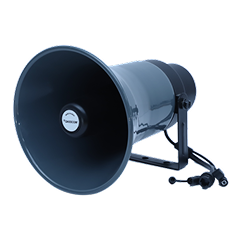
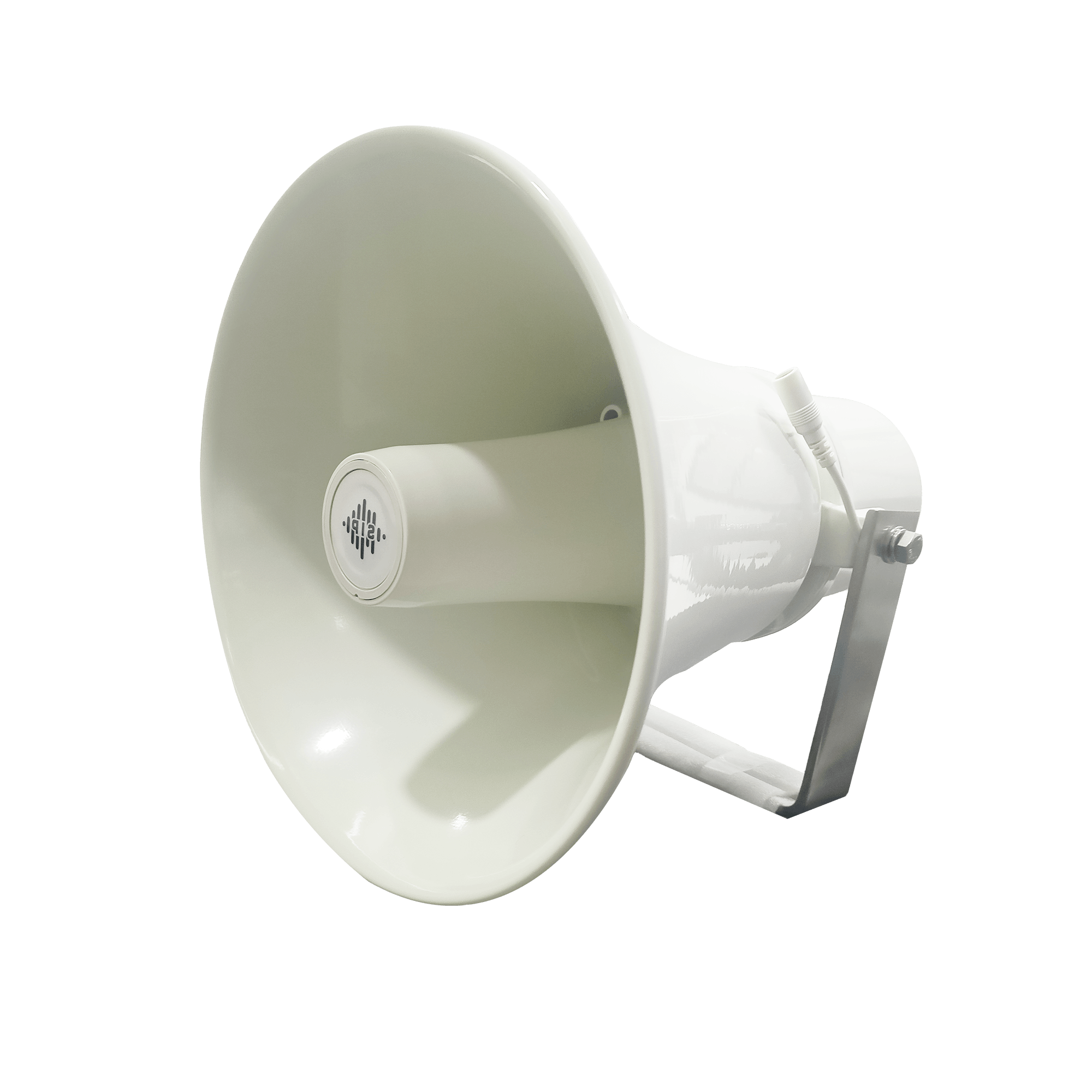
DS-15H

15 watt Horn speaker Support SIP IP 65 Rating Support BGM and announcement
DS-10C

10 watt Ceiling Speaker Support SIP PoE enabled Support BGM & announcement
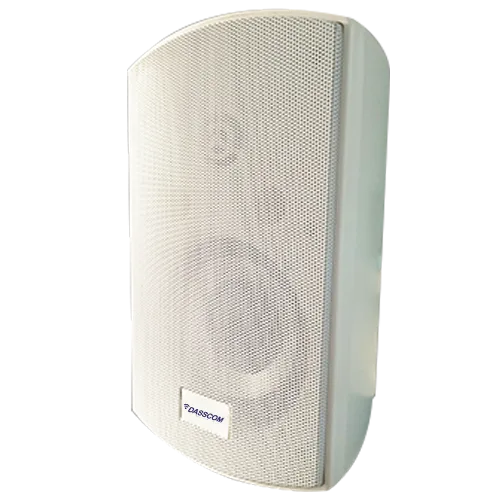
DS-15W

15 watt wall-mount speaker Support SIP PoE enabled Support BGM and announcement
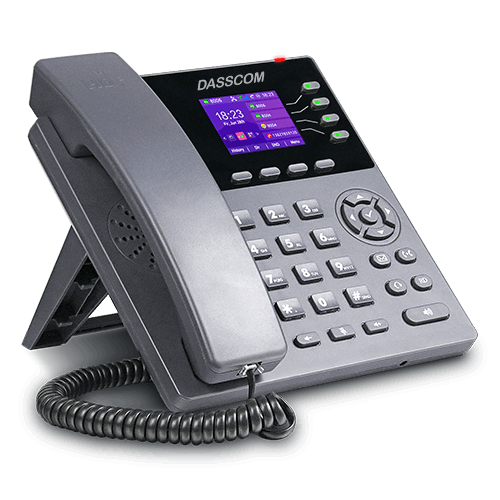
DXP-7200N

4 SIP Account PoE phone Colour Screen HD Voice
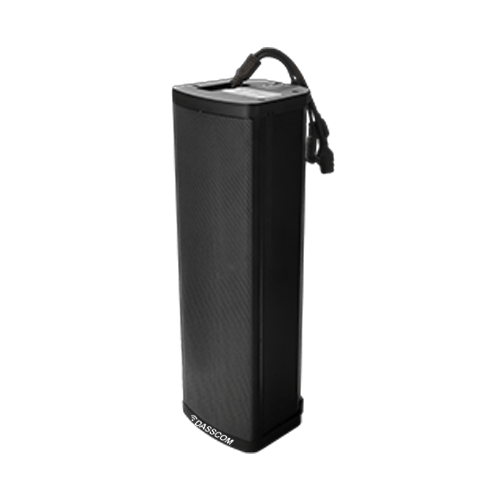
DS-30ECL

1.Built-in 30W amplifier, 2.Class D Amplifier
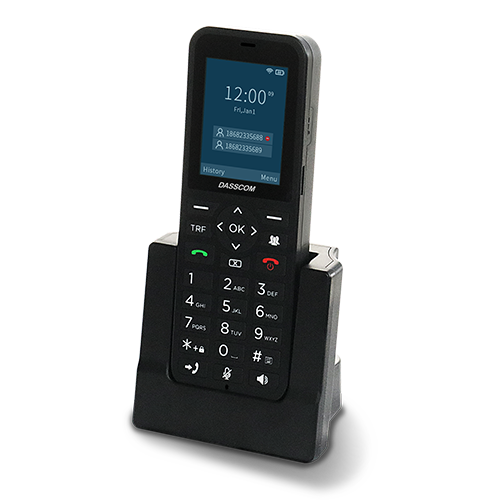
DW-100

DW-100

2 SIP accounts Wi-fi Support Cordless Phone

Use Cases of Wireless VoIP Phones in Smart Offices

Corporate Offices

Hybrid workforces benefit from mobility, enabling hot desking, shared spaces, and easy transitions between meeting rooms.

Healthcare

Doctors and nurses can carry a WiFi VoIP phone across wards and departments, ensuring uninterrupted patient care.

Warehouses & Factories

Large spaces demand mobility. Staff can stay connected while managing logistics without being tied to a station.

Hospitality

Hotel staff can deliver faster service with on-the-go communication powered by IP phones.

Choosing the Right Wireless VoIP Phone for Your Business

Not all wireless solutions are created equal. Here’s what to look for when choosing the best fit for your smart office:

Dasscom DW-100

The DW-100 is a sleek, professional wireless IP phone designed for productivity. With a 2.4” color display, HD voice, and full-duplex hands-free communication, it provides crystal-clear conversations. It supports 2.4GHz Wi-Fi, enterprise-grade encryption, and secure over-the-air provisioning. Its battery offers over 10 hours of talk time and more than 10 days of standby. Features like 3-way conferencing, dual VoIP accounts, and intuitive menus make the DW-100 a strong fit for modern smart offices.

Dasscom DXP-4100

The DXP-4100 series is a cost-effective WiFi VoIP phone designed for enterprises and operators. With dual-port fast Ethernet, two SIP accounts, and excellent IP PBX compatibility, it offers reliability with simplicity. Its monochrome screen, HD speaker, and efficient button layout improve daily workflow. Supporting both IPv6 and IPv4, it ensures smooth deployment in smart office networks.

Dasscom stands among trusted VoIP phone manufacturers, delivering products tailored to business needs across industries.

Partnering with the Right VoIP Providers

A wireless VoIP deployment isn’t just about buying phones — it’s about long-term communication reliability. Partnering with trusted VoIP phone providers ensures businesses get support, updates, and compatibility. Dasscom, with its wide portfolio of IP phones and PBX solutions, ensures businesses enjoy uninterrupted, scalable communications at competitive costs.

Conclusion

Wireless VoIP phones are redefining how modern offices work. With mobility, scalability, and cost efficiency, they empower employees to collaborate without limits. By combining wireless IP phones with robust IP PBX solutions, smart offices gain a communication infrastructure that is future-ready.
Dasscom’s DW-100 and DXP-4100 exemplify this shift — delivering reliable, feature-rich, and cost-effective solutions for businesses. As one of the trusted VoIP phone manufacturers, Dasscom continues to support enterprises and SMBs with devices that drive productivity in a connected world.

Quick summary

See how Nextiva transforms the sales and support team productivity.
Call Center Software FAQs

1. What is the difference between wireless VoIP phones and IP phones?
All wireless VoIP phones are IP phones, but not all IP phones are wireless. The key difference lies in connectivity — wireless models use Wi-Fi instead of Ethernet cables.
They register with the IP PBX using SIP credentials, just like wired phones, offering the same features like call routing, voicemail, and conferencing.
Yes. The VoIP phone price is often lower over time due to reduced wiring, maintenance, and easier scalability.
Its compact design, HD audio, long battery life, and strong security make it an excellent mobility-focused phone.
Look for HD audio, SIP account support, encryption, conferencing, and seamless IP PBX integration.
With proper Wi-Fi coverage, wireless VoIP phones are highly reliable and allow seamless communication across large premises.
Yes, with the help of VoIP gateways, businesses can connect wireless VoIP phones to existing analog setups during the transition to IP telephony.

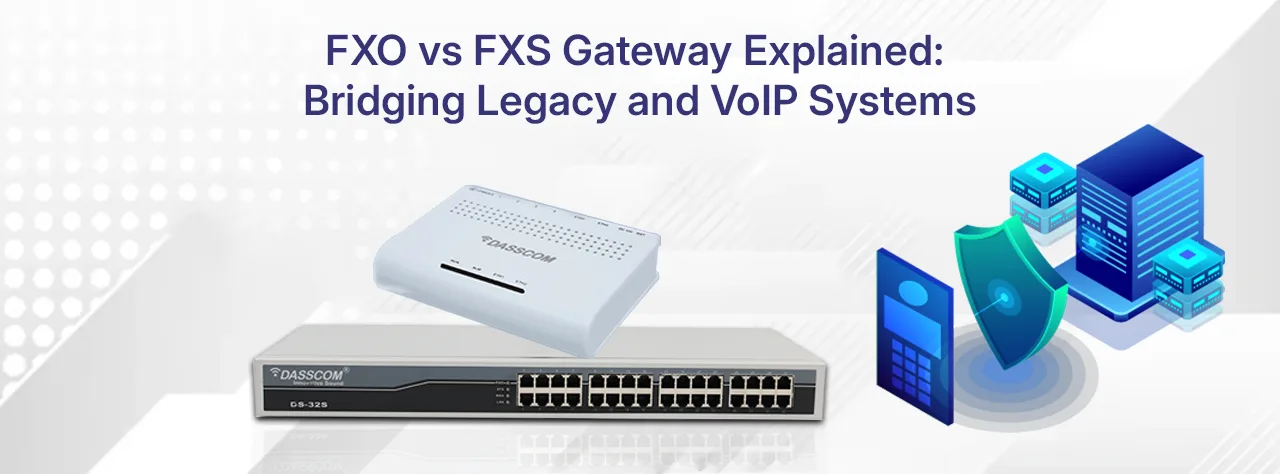
FXO vs FXS Gateway Explained: Bridging Legacy and VoIP Systems

FXO vs FXS Gateway Explained: Bridging Legacy and VoIP Systems

FXO vs FXS Gateway Explained: Bridging Legacy and VoIP Systems

As businesses transition from traditional telephony to IP-based communication, one challenge remains constant — how to bridge the gap between legacy phone systems and modern VoIP platforms. This is where FXO and FXS gateways come in. They act as essential translators, ensuring compatibility between analog lines and IP networks.

fffs

As businesses transition from traditional telephony to IP-based communication, one challenge remains constant — how to bridge the gap between legacy phone systems and modern VoIP platforms. This is where FXO and FXS gateways come in. They act as essential translators, ensuring compatibility between analog lines and IP networks.

For organizations that still rely on analog PBX systems, landlines, or fax machines while adopting VoIP, understanding the difference between an FXO gateway and an FXS gateway is critical. In this guide, we’ll break down how both technologies work, their use cases, and how businesses can make informed choices when upgrading to VoIP systems.

What Is an FXO Gateway?

An FXO gateway (Foreign Exchange Office gateway) connects traditional analog telephone lines to VoIP networks. Essentially, it allows businesses to use existing PSTN (Public Switched Telephone Network) lines within an IP telephony setup.

How It Works: 1

This makes an FXO VoIP gateway the go-to choice for organizations that want to retain analog trunk lines while enjoying VoIP features such as call forwarding, IVR, and voicemail.

What Is an FXS Gateway?

An FXS gateway (Foreign Exchange Subscriber gateway) does the opposite. It connects analog devices like telephones, fax machines, or legacy PBXs to a VoIP system.

How It Works:

VoIP gateway FXS is ideal for businesses that still rely on analog phones but want them integrated into an IP PBX for modern functionality.

FXO vs FXS: Key Differences

FeatureFXO GatewayFXS Gateway
PurposeConnects PSTN lines to VoIPConnects analog phones to VoIP
Typical UseKeeps traditional landlines active in VoIP setupsLets analog devices work with IP PBX systems
ExampleUsing PSTN lines with IP PBXUsing old desk phones with VoIP


When combined, FXS/FXO gateways provide complete interoperability — allowing businesses to run both PSTN lines and analog endpoints alongside VoIP services.

Why Businesses Need FXO and FXS Gateways

  1. Smooth Transition to VoIP
    Not all companies can shift to IP phones overnight. Gateways let them adopt VoIP while keeping analog systems functional.
  2. Cost Savings
    By using gateways, businesses can avoid immediate replacement of phones, fax machines, or PBX hardware.
  3. Hybrid Flexibility
    Organizations can maintain PSTN lines as backup while running a VoIP network.
  4. Support for Legacy Devices
    Fax machines, analog phones, and intercom systems can still be operational without disruption.

Practical Use Cases

FXO vs FXS: Which Gateway Should You Choose?

Choose an FXO Gateway if:

Choose an FXS Gateway if:

When both requirements exist, businesses can deploy FXO/FXS combinations to achieve full integration.

types of call center

DS-15H

15 watt Horn speaker Support SIP IP 65 Rating Support BGM and announcement

DS-10C

10 watt Ceiling Speaker Support SIP PoE enabled Support BGM & announcement

DS-15W

15 watt wall-mount speaker Support SIP PoE enabled Support BGM and announcement

DXP-7200N

4 SIP Account PoE phone Colour Screen HD Voice

DS-30ECL

1.Built-in 30W amplifier, 2.Class D Amplifier

DW-100

DW-100

2 SIP accounts Wi-fi Support Cordless Phone

How to Select the Right VoIP Gateway

When planning to buy FXO/FXS gateway, consider the following factors:

Benefits of Gateways in Smart VoIP Deployments

Example: How Dasscom Gateways Help Businesses

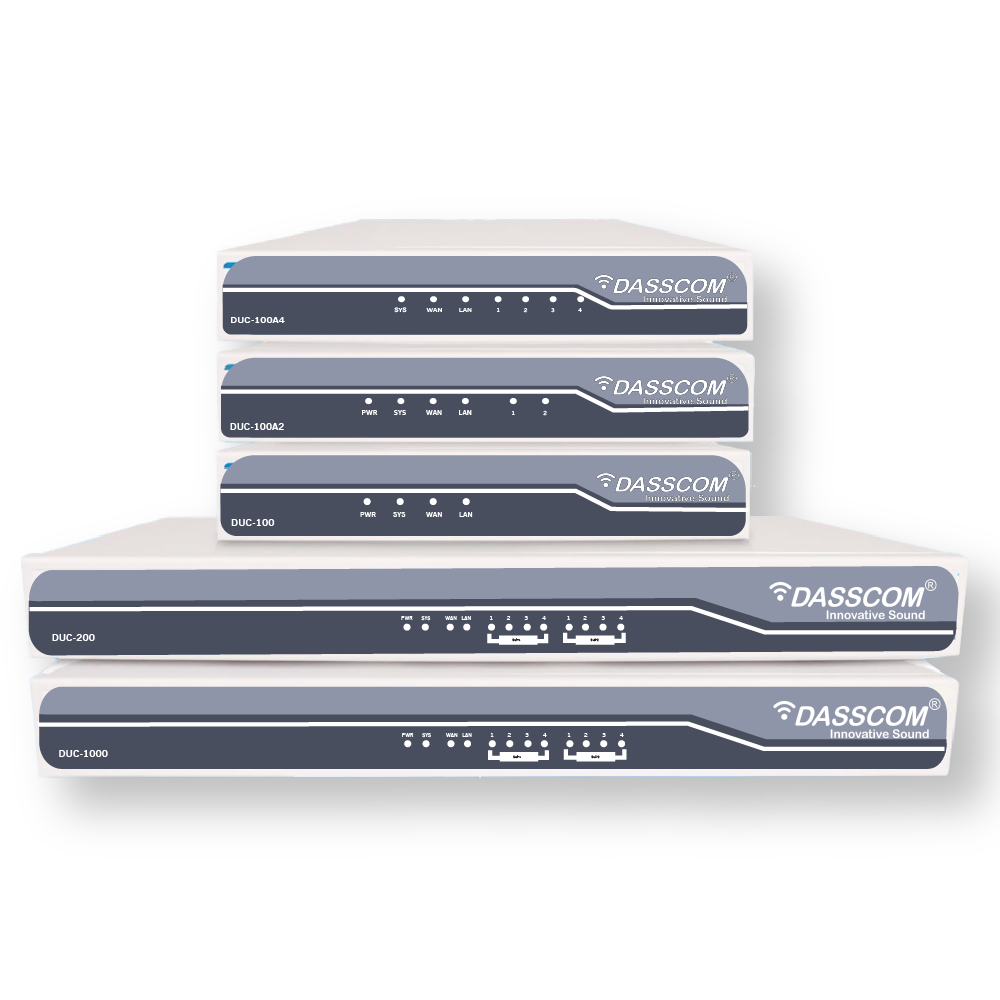
Dasscom’s FXO and FXS gateways are designed to meet enterprise and SMB needs alike. Whether you need a gateway VoIP FXO for connecting analog trunk lines or a VoIP gateway FXS to keep desk phones running, Dasscom offers scalable, high-quality solutions.

With flexible port options, strong SIP compatibility, and easy management tools, these gateways ensure businesses can migrate to VoIP without compromising on performance or reliability.

Conclusion

The shift to VoIP doesn’t mean abandoning your existing telephony infrastructure. With the right combination of FXO gateways and FXS gateways, businesses can create hybrid setups that maximize existing investments while adopting next-generation communication systems.
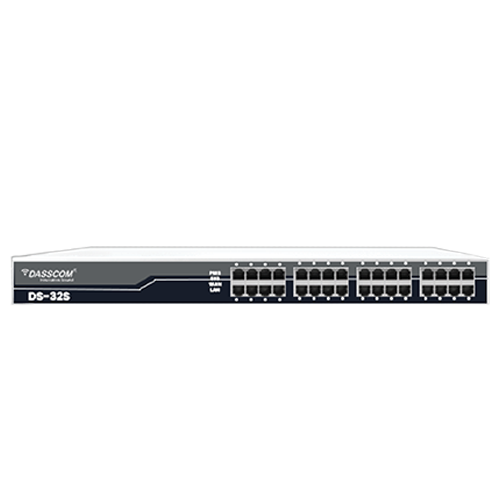
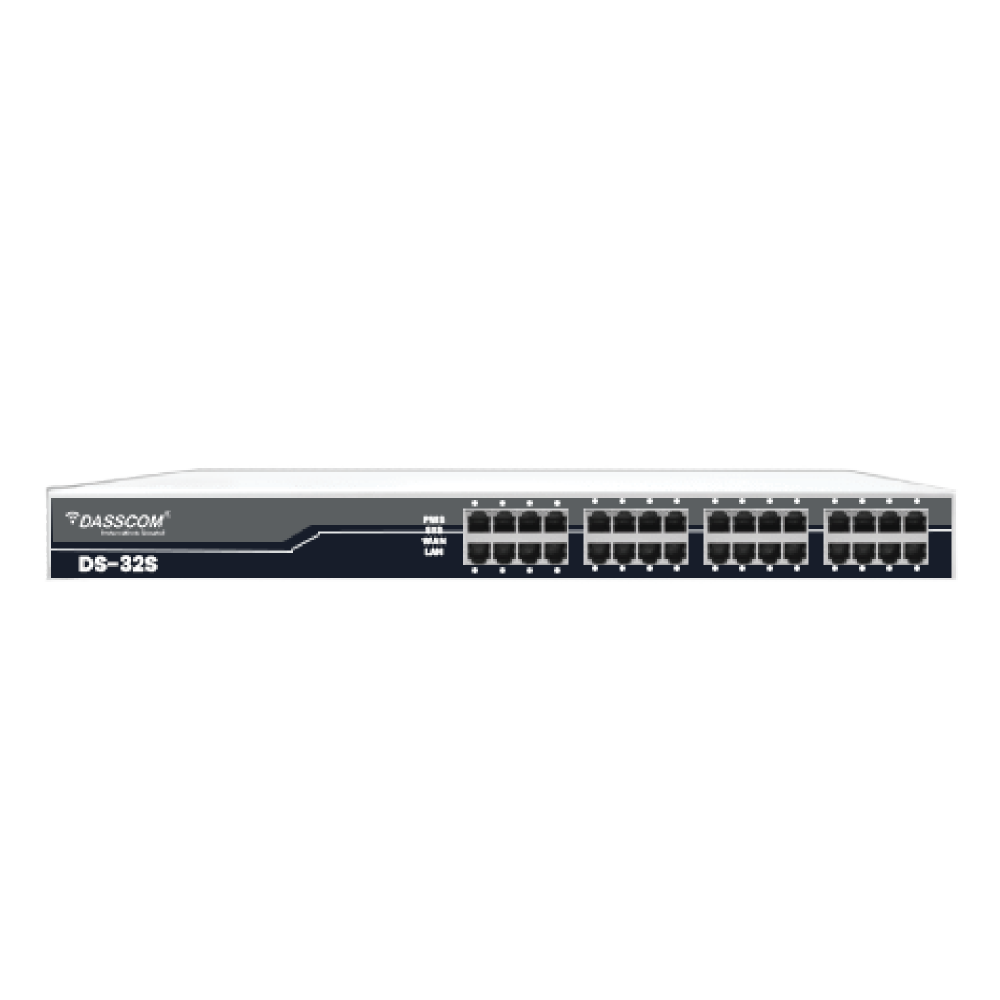
Whether you’re looking to buy FXO gateway to integrate PSTN lines, or deploy a 32-port FXS Gateway for analog extensions, these devices provide the flexibility, cost savings, and reliability that enterprises need.
By choosing the right gateway solution — whether an FXO VoIP gatewayFXS VoIP gateway, or a gateway VoIP FXO setup — businesses can confidently bridge legacy and VoIP systems while ensuring uninterrupted communication.

Quick summary

See how Nextiva transforms the sales and support team productivity.

Call Center Software FAQs

1. Can I use an FXO gateway and FXS gateway together?
Yes. Many organizations deploy FXS FXO setups to bridge both analog lines and devices to VoIP networks.
FXO connects PSTN lines to VoIP, while FXS connects analog devices to VoIP.
Absolutely. Hospitality is one of the biggest use cases, as hotels still rely on analog room phones.
It depends on whether you want to connect analog lines (FXO) or analog devices (FXS) to your VoIP system.
Yes. Most modern gateways support SIP protocols, firmware upgrades, and work with major VoIP platforms, ensuring long-term usability.

Unmanaged Switch: The Essential Guide to a Plug-and-Play Network Solution

Unmanaged Switch: The Essential Guide to a Plug-and-Play Network Solution

Unmanaged Switch: The Essential Guide to a Plug-and-Play Network Solution

Building a reliable network doesn’t always require complex configurations or advanced management. For small offices, home setups, or environments that demand simplicity, the unmanaged switch provides a straightforward and cost-effective solution. With its plug-and-play design, an unmanaged network switch eliminates the need for technical expertise while ensuring seamless device connectivity.

fffs

Building a reliable network doesn’t always require complex configurations or advanced management. For small offices, home setups, or environments that demand simplicity, the unmanaged switch provides a straightforward and cost-effective solution. With its plug-and-play design, an unmanaged network switch eliminates the need for technical expertise while ensuring seamless device connectivity.

In this guide, we’ll explore the fundamentals of unmanaged switches, their benefits, use cases, and how they compare in the discussion of managed v unmanaged switch technology. We’ll also dive into specific types such as the unmanaged PoE switchunmanaged gigabit switch, and unmanaged industrial ethernet switch, helping you decide if they are the right fit for your business.

What is an Unmanaged Switch?

An unmanaged switch is a network device that connects multiple devices (such as computers, printers, IP phones, and cameras) within a Local Area Network (LAN). Unlike a managed switch, it offers no configuration options—meaning it works right out of the box. Simply plug in the Ethernet cables, and the switch automatically establishes communication between devices.

Key characteristics:

Benefits of Using an Unmanaged Switch

Despite their simplicity, unmanaged switches have several advantages that make them ideal for specific scenarios:

Unmanaged vs Managed Switch

When considering managed vs unmanaged switch, the decision comes down to control and complexity.

FeatureManaged SwitchUnmanaged Switch
ConfigurationFull control (VLANs, QoS, ACLs)None, plug-and-play
MonitoringSNMP, traffic monitoring, logsNo monitoring features
SecurityAdvanced (port security, ACLs, VLANs)Basic, physical security only
CostHigher investmentLow-cost, entry-level
Use CaseEnterprises, data centers, complex LANsHomes, SMBs, or temporary setups

An unmanaged network switch is the right choice when simplicity and affordability outweigh the need for advanced management.

The Role of Gigabit Connectivity

Modern businesses demand faster speeds, which makes the unmanaged gigabit switch a popular choice. With support for 10/100/1000 Mbps, these switches can handle high-bandwidth applications like video streaming, large file transfers, and VoIP calls.

Benefits of an unmanaged gigabit switch:

For organizations with expanding data demands but limited IT staff, the unmanaged gigabit switch offers a perfect balance of performance and simplicity.

Understanding PoE in Unmanaged Switches

Power over Ethernet (PoE) allows both power and data to be transmitted over a single Ethernet cable. An unmanaged PoE switch integrates this functionality, enabling devices such as VoIP phones, wireless access points, and IP cameras to be powered without separate adapters.

types of call center

DS-15H

15 watt Horn speaker Support SIP IP 65 Rating Support BGM and announcement

DS-10C

10 watt Ceiling Speaker Support SIP PoE enabled Support BGM & announcement

DS-15W

15 watt wall-mount speaker Support SIP PoE enabled Support BGM and announcement

DXP-7200N

4 SIP Account PoE phone Colour Screen HD Voice

DS-30ECL

1.Built-in 30W amplifier, 2.Class D Amplifier

DW-100

DW-100

2 SIP accounts Wi-fi Support Cordless Phone

Why choose an unmanaged PoE switch?

Although an unmanaged PoE switch lacks advanced controls like power budgeting or priority settings found in managed models, it remains a strong choice for small deployments.

Industrial Unmanaged Switches

Industrial environments such as factories, oil rigs, and transport hubs require robust networking hardware. The unmanaged industrial ethernet switch is designed with rugged housings, extended temperature tolerance, and resistance to vibration and dust.

Features of industrial unmanaged switches:

These industrial unmanaged switches are especially useful in environments where network downtime is unacceptable, but advanced configurations are not required.

Deployment Scenarios for Unmanaged Switches

Limitations of Unmanaged Switches

While the unmanaged network switch is effective in many cases, it does come with limitations:

If your network requires control and monitoring, moving towards a managed or smart switch may be necessary.

How to Choose the Right Unmanaged Switch

When selecting an unmanaged ethernet switch, consider:

The Future of Unmanaged Switches

With the rise of IoT devices, unmanaged switches remain relevant. Unmanaged gigabit switches and unmanaged PoE switches will continue to serve small networks, while industrial unmanaged switches will play a crucial role in Industry 4.0 applications.

As demands grow, hybrid models may evolve—offering partial manageability while retaining plug-and-play simplicity.

Conclusion

The unmanaged switch is a vital networking component for small businesses, homes, and industrial environments that demand simple connectivity without the need for technical expertise. From the unmanaged network switch to the unmanaged PoE switch, and from the unmanaged gigabit switch to the industrial unmanaged switch, each variant brings unique advantages tailored to specific needs.

When comparing managed v unmanaged switch, organizations must weigh the trade-off between simplicity and control. For smaller setups or rugged environments, the unmanaged ethernet switch delivers dependable performance at an affordable price point, making it a go-to solution in many networking scenarios.

Quick summary

See how Nextiva transforms the sales and support team productivity.
Call Center Software FAQs

1. What is the main purpose of an unmanaged switch?
An unmanaged switch is designed to connect multiple devices in a network without requiring any configuration. It’s a plug-and-play solution ideal for small businesses and homes.
Choose an unmanaged PoE switch when you need to power devices like IP phones, wireless APs, or security cameras without using separate power adapters.
Yes. An unmanaged gigabit switch ensures faster speeds (up to 1000 Mbps), which is essential for bandwidth-heavy tasks such as video calls, large file transfers, and cloud applications.
An industrial unmanaged switch is built to withstand harsh environments, with rugged casings, extended temperature tolerance, and shock resistance, while a standard unmanaged ethernet switch is meant for office or home use.
If you require advanced features like VLANs, QoS, and traffic monitoring, a managed switch is better. But if your priority is cost, simplicity, and quick deployment, an unmanaged network switch is sufficient.

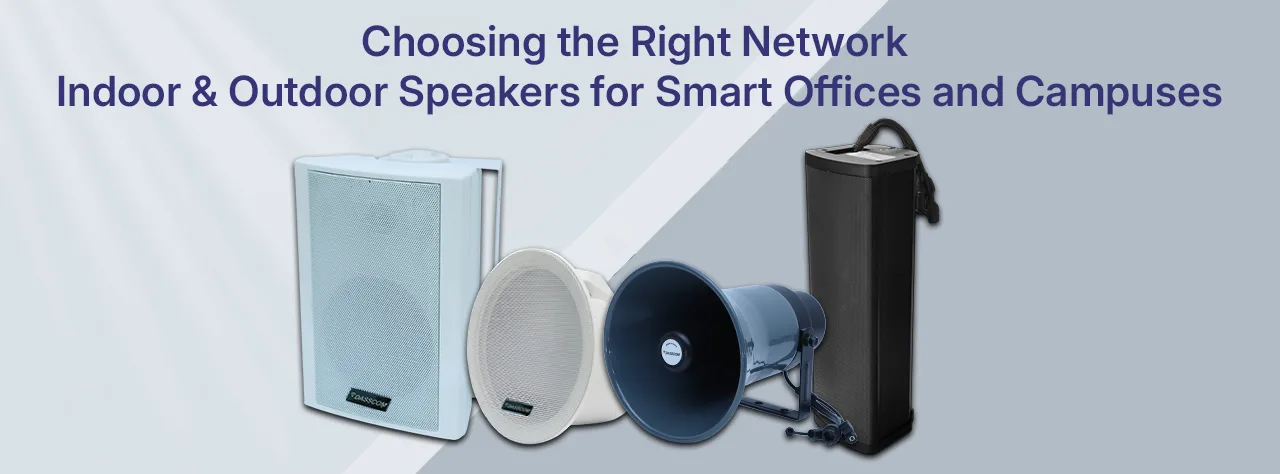
Choosing the Right Network Indoor & Outdoor Speakers for Smart Offices and Campuses

Choosing the Right Network Indoor & Outdoor Speakers for Smart Offices and Campuses

Choosing the Right Network Indoor & Outdoor Speakers for Smart Offices and Campuses

In today’s connected world, smart offices and modern campuses demand advanced communication systems that go beyond traditional methods. Whether it’s delivering announcements, enhancing collaboration, or providing high-quality audio for events, indoor and outdoor speakers play a critical role. Selecting the right indoor speakers and outdoor speaker solutions ensures clarity, reliability, and performance in every environment.

fffs

In today’s connected world, smart offices and modern campuses demand advanced communication systems that go beyond traditional methods. Whether it’s delivering announcements, enhancing collaboration, or providing high-quality audio for events, indoor and outdoor speakers play a critical role. Selecting the right indoor speakers and outdoor speaker solutions ensures clarity, reliability, and performance in every environment.

This guide explores the benefits, features, and applications of various speakers—both indoor and outdoor—helping businesses, educational institutions, and enterprises make informed decisions.

Why Speaker Systems Matter for Smart Workspaces

speaker system in offices and campuses is not just about sound—it’s about seamless communication, safety, and user experience. High-quality indoor and outdoor speakers ensure that messages reach everyone clearly, whether in a small meeting room, a large auditorium, or an open campus ground.

Key Benefits:

Types of Speakers for Smart Offices and Campuses

1. Indoor Speakers

Indoor environments demand clear, distortion-free audio that adapts to closed spaces.

2. Outdoor Speakers

Open environments like campuses, parking lots, and gardens need weatherproof, durable, and high-volume speakers.

Features to Consider When Choosing Indoor & Outdoor Speakers

When investing in indoor outdoor speakers, organizations should evaluate the following technical features:

1. Audio Quality & Coverage

types of call center

DS-15H

15 watt Horn speaker Support SIP IP 65 Rating Support BGM and announcement

DS-10C

10 watt Ceiling Speaker Support SIP PoE enabled Support BGM & announcement

DS-15W

15 watt wall-mount speaker Support SIP PoE enabled Support BGM and announcement

DXP-7200N

4 SIP Account PoE phone Colour Screen HD Voice

DS-30ECL

1.Built-in 30W amplifier, 2.Class D Amplifier

DW-100

DW-100

2 SIP accounts Wi-fi Support Cordless Phone

2. Durability

3. Integration with PA Systems

4. Flexibility & Scalability

5. Application-Specific Needs

Applications of Indoor & Outdoor Speaker Systems

Corporate Offices

Educational Institutions

Smart Campuses

Retail & Hospitality

Indoor vs Outdoor Speakers: A Technical Comparison

FeatureIndoor SpeakersOutdoor Speakers
DesignCompact, wall/ceiling mountableWeatherproof, durable casing
Audio ProjectionBalanced, optimized for enclosed spacesLong-range, high volume
ApplicationsOffices, classrooms, meeting roomsCampuses, parking lots, open spaces
ExamplesIndoor wall speakersindoor ceiling speakersBest outdoor loudspeakersbest outdoor speaker system

Future of Speaker Systems in Smart Offices & Campuses

The next generation of indoor and outdoor speakers is moving towards:

With IoT and automation, best indoor speakers and best outdoor loudspeakers will evolve to play an even greater role in communication, safety, and productivity.

Conclusion

Selecting the right indoor and outdoor speakers for smart offices and campuses requires a balance of durability, audio quality, and system integration. From indoor wall speakers to best outdoor loudspeakers, every environment needs the right solution for efficient communication.

By investing in the best indoor speakers and best outdoor speaker system, businesses and institutions can create smarter, safer, and more connected environments.

Quick summary

See how Nextiva transforms the sales and support team productivity.

Call Center Software FAQs

Q1. What makes an outdoor speaker different from an indoor speaker?
An outdoor speaker is designed to withstand environmental conditions like rain, dust, and heat, while indoor speakers are optimized for enclosed, climate-controlled spaces.
The best speakers for outside are weatherproof, high-volume units like the best outdoor loudspeakers, ideal for open campuses, gardens, and parking areas.
Yes, wall speakers provide excellent sound clarity while saving space, making them a top choice for offices and classrooms.
Yes, a best outdoor speaker system can integrate seamlessly with indoor public address systems, ensuring centralized control.
The best indoor speakers are indoor wall speakers and indoor ceiling speakers, offering clarity, coverage, and aesthetics.
Yes, indoor outdoor speakers improve communication, security, and event management, making them an essential part of modern campus infrastructure.

How Noise-Cancelling Headsets Improve Productivity in Hybrid Work Settings

How Noise-Cancelling Headsets Improve Productivity in Hybrid Work Settings

How Noise-Cancelling Headsets Improve Productivity in Hybrid Work Settings

In today’s fast-paced professional world, hybrid work has become the new normal. Employees split their time between home and office, relying heavily on clear, uninterrupted communication tools. Yet, background noise—from coworkers chatting to household disturbances—remains one of the biggest hurdles to productivity.

fffs

As we approach 2026, the modern workplace continues to evolve at lightning speed. From hybrid offices to fully remote setups, the one thing that remains constant is the need for clear, uninterrupted communication. Whether you’re managing virtual meetings, customer calls, or collaborative discussions, your headset is your voice to the world.


This is where noise-cancelling headsets become indispensable. Whether you’re attending back-to-back virtual meetings or collaborating across continents, investing in the best noise cancelling headset can drastically enhance focus, communication, and efficiency.

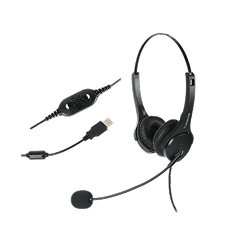
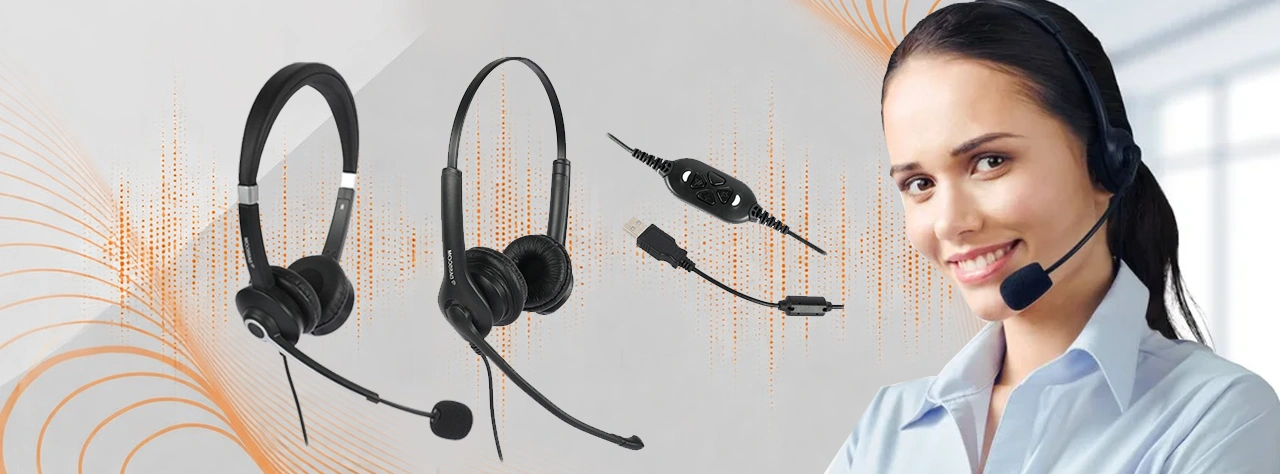
Let’s dive deep into how noise reduction headphones with mic transform hybrid work experiences and why Dasscom’s Divine (DS-900)Tatva (DS-1100), and Veda (DS-52) series stand out as powerful allies for today’s professionals.

The New Reality of Hybrid Work

Hybrid work offers flexibility, but it also introduces distractions. Working from open offices, home environments, or public spaces means battling unpredictable sounds that disrupt concentration.

noise cancelling headset with mic helps create a controlled sound environment—allowing professionals to stay engaged in meetings, listen attentively, and respond confidently. In fact, research shows that employees using headset noise cancelling with microphone solutions report improved communication clarity and a 25% increase in focus.

How Noise Cancellation Works

Modern headsets use Active Noise Cancellation (ANC)—a technology that detects external sounds and generates opposite sound waves to neutralize them. This not only blocks distractions but also ensures your own voice is transmitted cleanly.

The best noise cancelling headphones with mic combine acoustic insulation with digital signal processing to deliver professional-grade clarity. You hear the conversation, not the chaos.

How Noise-Cancelling Headsets Boost Productivity

A. Stay Focused, Wherever You Work

From buzzing coworkers to city noise, distractions are everywhere. With noise reduction headphones with mic, you can carve out a quiet workspace anywhere—keeping your mind centered on what truly matters.

B. Communicate with Precision

USB headset with microphone noise cancelling ensures every call is crystal clear. Whether you’re presenting to clients or brainstorming with your team, background noise won’t disrupt your message.

C. Reduce Fatigue During Long Calls

Straining to hear through noise leads to mental exhaustion. Wired headphones with mic noise cancelling reduce auditory fatigue, helping you stay energized throughout the workday.

D. Adapt Seamlessly Between Devices

Hybrid work means switching between laptops, IP phones, and mobile devices. Dasscom’s Divine DS-900Tatva DS-1100, and Veda DS-52 are designed for this fluidity—offering multiple interface options for effortless transitions.

types of call center

DS-15H

15 watt Horn speaker Support SIP IP 65 Rating Support BGM and announcement

DS-10C

10 watt Ceiling Speaker Support SIP PoE enabled Support BGM & announcement

DS-15W

15 watt wall-mount speaker Support SIP PoE enabled Support BGM and announcement

DXP-7200N

4 SIP Account PoE phone Colour Screen HD Voice

DS-30ECL

1.Built-in 30W amplifier, 2.Class D Amplifier

DW-100

DW-100

2 SIP accounts Wi-fi Support Cordless Phone

Dasscom’s Professional Headset Lineup: Tailored for Every Workstyle

Dasscom understands that no two professionals work alike. That’s why its Divine, Tatva, and Veda series headsets cater to varied preferences and environments—without compromising on clarity or comfort.

Divine Series – DS-900

Ideal for executives and hybrid professionals, the DS-900 is a dual-connectivity headset that supports both USB and RJ interfaces, ensuring compatibility with laptops, softphones, and desk phones.

Explore the Dasscom Divine Series DS-900 here.

Tatva Series – DS-1100

Engineered for call centers and dynamic offices, the Tatva DS-1100 combines performance with versatility.

Explore the Dasscom Tatva Series DS-1100 here.

Veda Series – DS-52

Perfect for education, remote work, and daily business communication, the Veda DS-52 delivers reliable performance at an affordable value.

Explore the Dasscom Veda Series DS-52 here.

Wired vs. Wireless Headsets: Which Fits Your Hybrid Workflow?

Choosing between wired headphones with mic noise cancelling and wireless headphones noise cancelling with microphone depends on your mobility needs.

FeatureWired HeadsetsWireless Headsets
Connection StabilityAlways reliableMay vary with distance
Battery RequirementNoneRequires charging
PortabilityModerateExcellent
Ideal ForOffice & fixed setupsMobile professionals


Professionals who prioritize reliability—especially in customer service and VoIP-based communication—often prefer USB headsets with microphone noise cancelling models like Dasscom’s DS-900 or DS-1100.

Why Companies Choose Noise-Cancelling Headsets for Hybrid Teams

Forward-thinking organizations are realizing that best noise cancelling headset technology is not just a perk—it’s a productivity investment.

Key business benefits include:

With reliable devices like the Dasscom DS-900DS-1100, and DS-52, businesses ensure that every conversation—internal or client-facing—remains professional and effective.

Tips for Choosing the Best Noise Cancelling Headset

When selecting your headset, look for:

These models provide not just clear sound—but also the confidence to perform at your best in any workspace.

The Future of Work: Sound Clarity Equals Efficiency

As hybrid work continues to redefine modern business, the importance of clear communication tools will only grow. Investing in noise reduction headphones with mic or best noise cancelling headset ensures professionals can maintain focus, clarity, and confidence—no matter where they work.

With Dasscom’s Divine (DS-900), Tatva (DS-1100), and Veda (DS-52) series, organizations can empower employees with premium usb headset with microphone noise cancelling solutions tailored for hybrid productivity.

Quick summary

See how Nextiva transforms the sales and support team productivity.

Call Center Software FAQs

1. What makes noise-cancelling headsets ideal for hybrid work?
They eliminate background disturbances and improve call clarity, allowing professionals to stay productive in both home and office environments.
It actively filters out external noise so that only your voice is transmitted clearly—ideal for virtual meetings and VoIP calls.
Yes, models like the DS-900, DS-1100, and DS-52 support multiple interfaces including USB, RJ, and 3.5mm jacks, ensuring seamless compatibility.
Wired headphones with mic noise cancelling provide uninterrupted connectivity, while wireless headphones noise cancelling with microphone offer mobility and flexibility.
Absolutely. Their noise isolation and ergonomic design help minimize ear strain and mental fatigue.
The Tatva DS-1100 is optimized for call centers and high-volume communication environments, offering robust build and versatile connectivity.
Yes. All Dasscom models are compatible with major VoIP platforms, including Zoom, Microsoft Teams, and Cisco Webex.
Because Dasscom combines clarity, comfort, and connectivity, ensuring every hybrid professional communicates with precision and confidence.

USB Headsets 2026: What Features Matter for Business Users

USB Headsets 2026: What Features Matter for Business Users

USB Headsets 2026: What Features Matter for Business Users

As we approach 2026, the modern workplace continues to evolve at lightning speed. From hybrid offices to fully remote setups, the one thing that remains constant is the need for clear, uninterrupted communication. Whether you’re managing virtual meetings, customer calls, or collaborative discussions, your headset is your voice to the world.

fffs

As we approach 2026, the modern workplace continues to evolve at lightning speed. From hybrid offices to fully remote setups, the one thing that remains constant is the need for clear, uninterrupted communication. Whether you’re managing virtual meetings, customer calls, or collaborative discussions, your headset is your voice to the world.

That’s why USB headsets have become an essential business tool. Their plug-and-play simplicity, superior sound performance, and digital noise cancellation make them ideal for today’s professionals. But not all headsets are created equal.

In this blog, we’ll explore what features truly matter when selecting the best USB headsets for business use in 2026—along with why Dasscom’s professional range, including the Divine (DS-900)Tatva (DS-1100), and Veda (DS-52) series, leads the way in reliability and performance.

Why USB Headsets Are Dominating the Business Market

The shift toward digital communication has pushed businesses to adopt equipment that guarantees consistent audio clarity. Traditional analog headsets often fall short due to interference, poor sound quality, or compatibility issues.

USB headsets solve these problems by offering:

Whether it’s a USB wired headset for desktop professionals or a USB wireless headset for on-the-go executives, this category has become the backbone of efficient communication networks worldwide.

What Makes a Great USB Headset in 2026?

When evaluating the best USB headset with mic for business use, these features make the real difference:

a. Noise Cancellation

In open offices or hybrid setups, background noise can disrupt calls. A usb headset with microphone noise cancelling uses digital signal processing to eliminate unwanted sounds—letting your voice come through with clarity.

b. Comfort for Long Sessions

Business users spend hours on calls daily. Headsets like Dasscom’s Tatva DS-1100 and Divine DS-900 feature cushioned ear pads, lightweight frames, and adjustable headbands, ensuring fatigue-free communication.

c. Dual Connectivity Options

While most headsets use a single interface, Dasscom offers both USB and 3.5mm/RJ options in models like Veda DS-52, allowing flexibility across multiple devices.

d. Durable Build for Heavy Use

Professionals need headsets that last. Reinforced cables, high-quality plastics, and QD connectors make Dasscom’s range ideal for long-term use in offices or call centers.

types of call center

DS-15H

15 watt Horn speaker Support SIP IP 65 Rating Support BGM and announcement

DS-10C

10 watt Ceiling Speaker Support SIP PoE enabled Support BGM & announcement

DS-15W

15 watt wall-mount speaker Support SIP PoE enabled Support BGM and announcement

DXP-7200N

4 SIP Account PoE phone Colour Screen HD Voice

DS-30ECL

1.Built-in 30W amplifier, 2.Class D Amplifier

DW-100

DW-100

2 SIP accounts Wi-fi Support Cordless Phone

e. Consistent Audio Quality

The latest USB type headphones come with advanced digital-to-analog converters (DACs) that ensure clean, balanced sound for both calls and multimedia usage.

Dasscom’s USB Headset Lineup for Professionals

Dasscom’s USB headset collection is designed with one goal: seamless communication without compromise. Built for enterprise environments, they combine ergonomic comfort, acoustic precision, and cross-platform compatibility.

Divine Series – DS-900

The Dasscom DS-900 is the benchmark for business-grade USB headsets. Designed for professionals who demand clarity and comfort, it supports both RJ and USB interfaces—making it suitable for laptops, IP phones, and PCs alike.

Key Highlights:

Learn more about the Dasscom Divine DS-900 here.

Tatva Series – DS-1100

For high-performance call environments and corporate users, the Tatva DS-1100 offers unmatched adaptability. It’s the perfect USB headset with mic for teams that switch between PCs, softphones, and IP desk phones.

Key Highlights:

Explore the Dasscom Tatva DS-1100 here.

Veda Series – DS-52

The Veda DS-52 offers a compact and efficient solution for professionals who value simplicity and performance. It’s the go-to choice for SMEs, educators, and hybrid workers.

Key Highlights:

Explore the Dasscom Veda DS-52 here.

USB Wired vs. USB Wireless Headsets: Which One Should You Choose?

FeatureUSB Wired HeadsetUSB Wireless Headset
Power SourceNo charging neededBattery-powered
MobilityLimited to cable lengthExcellent freedom of movement
Reliability100% stable connectionMay vary with range
Cost EfficiencyMore affordablePremium pricing
Ideal Use CaseDesktops & call centersHybrid & remote professionals

Both options have strong use cases in business. USB wired headsets like the Dasscom Veda DS-52 deliver consistent quality for stationary users, while usb wireless headsets are ideal for executives who move between meetings and workstations.

Why Businesses Are Upgrading to USB Headsets

Modern organizations recognize that effective communication = business efficiency. USB headsets play a crucial role in enhancing team performance, especially in hybrid and digital-first companies.

Top Reasons for the Shift:

By 2026, IT procurement teams are prioritizing USB headset with microphone noise cancelling models for every workstation—an investment in clarity, efficiency, and comfort.

The Role of USB Headsets in Unified Communication (UC)

In unified communication systems, consistency is key. Whether through Teams, Zoom, or SIP-based VoIP networks, USB headsets ensure reliable performance across devices.

Dasscom’s lineup supports all major UC platforms and provides instant integration with VoIP PBX systems. Features like auto device recognitiondigital volume control, and noise isolation enhance collaboration without requiring manual configuration.

The result? Faster, smoother communication workflows that let professionals focus on their core tasks—not troubleshooting audio issues.

The Future of USB Type Headphones in 2026 and Beyond

As hardware evolves, USB type headphones are also undergoing innovation. Expect features such as:

Dasscom is already aligning with these trends, building future-ready headsets that anticipate the needs of a more mobile and connected workforce.

Key Buying Checklist for 2026

Before investing in a usb headset with mic, check for:

✅ Noise-cancelling microphone – essential for clarity.

✅ Comfortable ear cushions – for long work hours.

✅ Cross-platform compatibility – supports softphones and VoIP.

✅ Build quality – flexible, reinforced materials.

✅ Dual connectivity – USB + 3.5mm or RJ for flexibility.

✅ Brand reputation – Choose reliable providers like Dasscom.

The best USB headsets combine these factors to deliver performance that scales with your business needs.

Quick summary

See how Nextiva transforms the sales and support team productivity.

Call Center Software FAQs

1. What makes USB headsets better than traditional analog headsets?
USB headsets provide digital audio transmission, offering clearer sound and better noise isolation compared to analog connections.
Yes, most modern USB headset with mic models, like Dasscom’s DS-900, DS-1100, and DS-52, support both desktop and VoIP systems.
No. They are plug-and-play, meaning they connect instantly without additional setup.
USB wired headsets offer continuous power and stable audio, while USB wireless headsets prioritize mobility with Bluetooth or dongle-based connectivity.
Absolutely. Dasscom headsets integrate seamlessly with all major conferencing platforms.
The Tatva DS-1100 is perfect for call centers thanks to its durability, comfort, and superior noise-cancelling microphone.
Yes, ergonomic designs and soft ear padding ensure comfort during extended use.
Yes. With trends moving toward USB-C and AI-driven noise filtering, Dasscom continues to upgrade its lineup to stay ahead.

4-Port Network Switches: Powering Small Networks with Big Performance

4-Port Network Switches: Powering Small Networks with Big Performance

4-Port Network Switches: Powering Small Networks with Big Performance

In connected environments, even compact networks demand reliability, speed, and intelligent traffic control. Whether powering a surveillance setup, a smart office, or an industrial control network, the right switch ensures smooth data flow and dependable performance. That’s where 4-port network switch models are proving to be an excellent choice—offering enterprise-grade capabilities in a compact footprint.

fffs

In connected environments, even compact networks demand reliability, speed, and intelligent traffic control. Whether powering a surveillance setup, a smart office, or an industrial control network, the right switch ensures smooth data flow and dependable performance. That’s where 4-port network switch models are proving to be an excellent choice—offering enterprise-grade capabilities in a compact footprint.

A common misconception is that small switches equal limited functionality. Modern designs prove otherwise. With capabilities like VLANs, PoE+, fiber uplinks, and routing support, a 4 port switch can now perform like larger core switches—just without the complexity, space requirements, or cost.

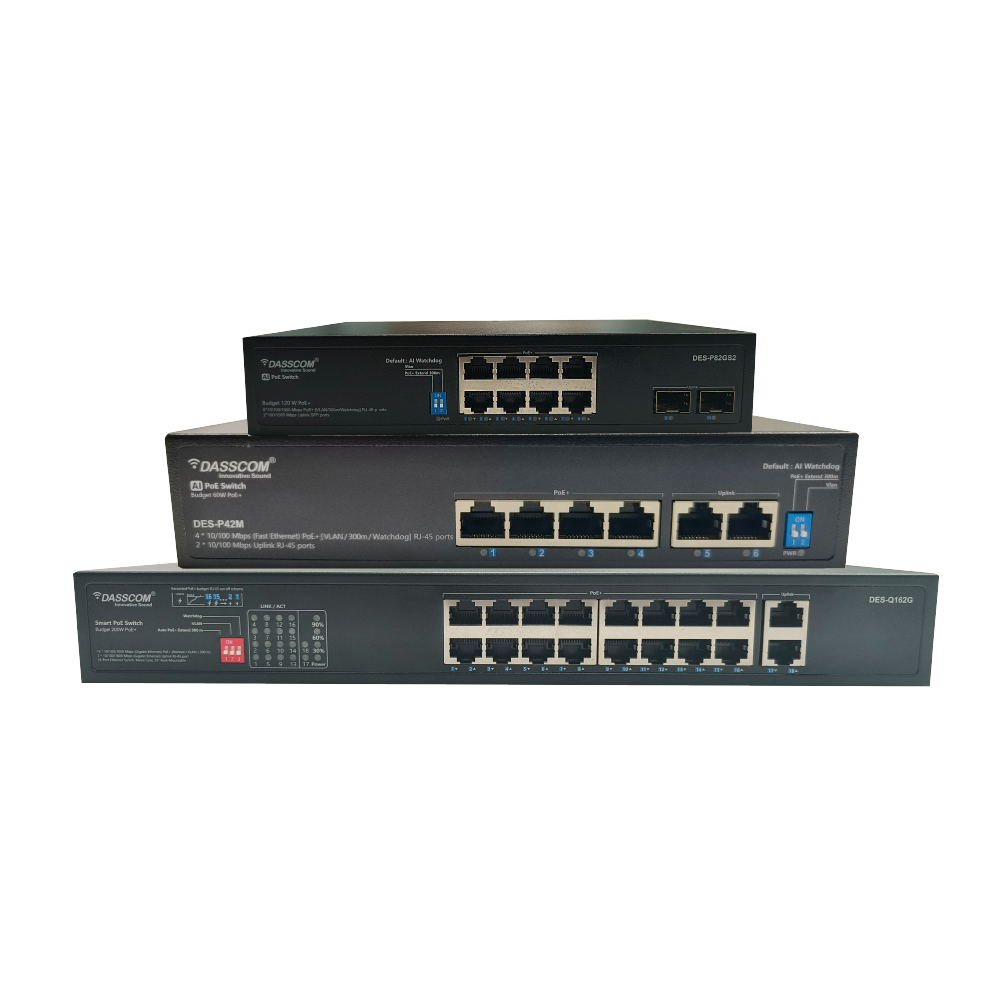
This article explores how next-generation switches—like the Dasscom DES-22S2MG-IND —are transforming office, industrial, and security deployments, while also helping professionals understand what features matter when evaluating 4 port network switch price, reliability, and performance.

Why 4-Port Switches Still Matter

While large-scale networks often rely on 24-port or 48-port switches, many deployments require only a compact yet capable solution. A 4 port internet switch has become essential for:

Despite the small physical footprint, performance expectations remain high. Today’s networks must support:

A basic unmanaged network switch may support plug-and-play scenarios, but organizations demanding control, security, and reliability increasingly look toward manageable network switch models.

Managed vs. Unmanaged: Why the Difference Matters

Not all switches are built alike. Before selecting hardware, it’s important to understand the differences.

FeatureUnmanaged Network SwitchManaged Network Switch
Configuration RequiredNoneYes
VLAN Support❌ No✔ Yes
PoE ManagementLimited/NoneFull control
Network Security Rules❌ Not supported✔ Supported
Advanced Routing❌ No✔ Yes
Monitoring & DiagnosticsBasic LEDsReal-time analytics
Best ForHomes & basic office useEnterprises, factories, CCTV, VoIP

manageable network switch ensures the network remains secure, optimized, and scalable—especially when handling VoIP traffic, IP cameras, or automation systems.

Highlight Product: Dasscom DES-22S2MG-IND

To demonstrate how small switches deliver industrial-grade capability, let’s look at the Dasscom model: DES-22S2MG-IND. This Managed Industrial 4-Port PoE+ Switch is engineered for harsh and demanding environments where uptime, safety, and high bandwidth are critical.

Key Technical Features:

With PoE+, the switch powers:

without requiring separate electrical wiring.

How PoE+ Improves Real-World Deployments

switch PoE 4 port design offers flexibility and simplicity:

This is especially important for surveillance systems and VoIP deployments—where uptime is critical and cabling flexibility enables expansion.

Understanding 4 Port Network Switch Price Factors

When evaluating a 4-port network switch price, consider more than just cost. Pricing varies based on:

SpecificationImpact on Price
PoE or PoE+ SupportHigh
Industrial-grade buildHigh
Fiber SFP portsMedium
Layer-2 or Layer-3 managementMedium to High
Security features (ACL, VLAN, STP)Medium
Working temperature and rugged enclosureHigh

Entry-level 4 port network switch price ranges fall lower when unmanaged, but managed industrial models—like DES-22S2MG-IND—offer a far better return on investment for long-term deployments.

types of call center

DS-15H

15 watt Horn speaker Support SIP IP 65 Rating Support BGM and announcement

DS-10C

10 watt Ceiling Speaker Support SIP PoE enabled Support BGM & announcement

DS-15W

15 watt wall-mount speaker Support SIP PoE enabled Support BGM and announcement

DXP-7200N

4 SIP Account PoE phone Colour Screen HD Voice

DS-30ECL

1.Built-in 30W amplifier, 2.Class D Amplifier

DW-100

DW-100

2 SIP accounts Wi-fi Support Cordless Phone

Who Should Choose a Managed 4-Port Switch?

Organizations that need:

should select a manageable network switch rather than an unmanaged one.

Ideal Use Cases for Dasscom DES-22S2MG-IND

IndustryUse Case
ManufacturingMachine controllers + PLC communication
RetailCCTV + POS + Wi-Fi access point
Smart CityOutdoor surveillance nodes
OfficeVoIP phones + AP + workstations
EducationClassroom networks + projectors
HospitalityCameras + VoIP + kiosk displays

Conclusion

4-port network switch may be compact, but with advanced features such as PoE+, VLAN, routing, and industrial-grade redundancy, it can unlock high-performance networking for small and medium deployments.

Quick summary

See how Nextiva transforms the sales and support team productivity.
Call Center Software FAQs

1. What makes a 4-port switch useful when larger switches exist?
It provides compact deployment, lower power consumption, and targeted connectivity for smaller but critical network segments.
A PoE switch powers devices like cameras and VoIP phones through the same cable, while non-PoE switches only handle data.
Yes—its industrial design supports demanding environments with redundancy and ring protection.
It eliminates separate power wiring and ensures scalable plug-and-play expansion.
For security, scalability, and control—yes. Managed switches offer VLAN, routing, and monitoring tools that unmanaged switches lack.
Yes—two SFP ports enable long-distance backbone connection.
PoE support, industrial certification, fiber ports, and management capabilities.
Absolutely—QoS, VLAN, and PoE+ make it ideal for both.

What Are the Best Features to Look For in a USB Noise-Cancelling Headset?

What Are the Best Features to Look For in a USB Noise-Cancelling Headset?

What Are the Best Features to Look For in a USB Noise-Cancelling Headset?

Choosing the right headset is no longer just a comfort decision—it’s a productivity decision. As businesses shift to hybrid work, virtual collaboration, cloud telephony, and VoIP platforms, high-quality noise headphones have become essential for maintaining professional communication.

fffs

Choosing the right headset is no longer just a comfort decision—it’s a productivity decision. As businesses shift to hybrid work, virtual collaboration, cloud telephony, and VoIP platforms, high-quality noise headphones have become essential for maintaining professional communication.

USB headsets, in particular, are now the go-to choice for call centers, offices, remote workers, and customer-facing professionals. But with so many models available—wired, wireless, USB-A, USB-C, on-ear, over-ear—how do you decide which one is right for you?

This guide breaks down the features that truly matter when selecting the best noise cancelling headset, along with insights into how noise-cancelling technology works, what USB connectivity offers, and why both comfort and durability directly impact work performance.

What Makes USB Noise-Cancelling Headsets So Popular?

USB headsets have a clear advantage: they provide digital audio processing, making voice transmission more stable and accurate compared to analog 3.5mm jacks. When paired with noise reduction headphones with mic technology, they significantly improve clarity in meetings, support queues, and customer conversations.

Modern users demand:

USB noise-cancelling headphones deliver all of these, making them one of the best noise reduction headset choices for modern workplaces.

Key Features to Look for in USB Noise-Cancelling Headsets

Below is a detailed breakdown of the features that actually matter and directly affect your communication quality.

1. Advanced Noise-Cancelling Microphone (Must-Have)

The microphone is the heart of any professional headset. If it captures too much background noise, your callers struggle—not you. A noise cancelling headset must have:

If your goal is clear customer communication, choose noise reduction headphones with mic, especially those designed for BPOs, customer support, telesales, and remote meetings.

2. Comfortable, Long-Wear Ergonomics

Hours of meetings or calls require a headset that’s comfortable enough for extended use. When selecting noise headphones with USB connectivity, check for:

Comfort affects posture, productivity, and call quality—so never compromise here.

3. USB Digital Connectivity (USB-A or USB-C)

USB connectivity ensures stable digital audio processing with no signal loss. USB headsets are available in two interface types:

USB-A

USB-C

Choosing usb noise cancelling headphones or noise cancelling usb c headphones depends entirely on your device ecosystem.

4. High-Definition Audio Output

Whether you’re listening to customers, attending team meetings, or reviewing recordings, audio clarity is everything. The best noise cancelling headset must offer:

High-definition sound ensures crisp communication, reducing misunderstandings and the need for repetition.

types of call center

DS-15H

15 watt Horn speaker Support SIP IP 65 Rating Support BGM and announcement

DS-10C

10 watt Ceiling Speaker Support SIP PoE enabled Support BGM & announcement

DS-15W

15 watt wall-mount speaker Support SIP PoE enabled Support BGM and announcement

DXP-7200N

4 SIP Account PoE phone Colour Screen HD Voice

DS-30ECL

1.Built-in 30W amplifier, 2.Class D Amplifier

DW-100

DW-100

2 SIP accounts Wi-fi Support Cordless Phone

5. Wired vs Wireless: Which Should You Choose?

While this guide focuses on USB, many modern headsets offer hybrid connectivity. Understanding the difference is important:

Wired USB Headsets

Wireless Noise Cancelling Head Phones

If mobility matters, wireless noise cancelling head phones are ideal. For call centers and long shift environments, wired USB headsets are more practical.

6. Build Quality and Durability

Professional usage demands strong construction. When selecting the best noise reduction headset, ensure that:

Cheap headsets break fast; durable ones save cost long-term.

7. Compatibility With UC & VoIP Platforms

Your headset must work seamlessly with:

USB ensures most plug-and-play compatibility, but enterprise environments benefit from headsets tested with UC platforms.

8. Inline Controls or Touch Controls

Essential controls include:

Inline controls help maintain workflow without switching windows.

9. Noise Isolation & Ear Cushion Design

Beyond microphone noise cancellation, the ear cushions themselves should reduce external distractions. Look for:

This helps users stay focused even in noisy environments.

10. Pricing, Warranty & Support

The best noise cancelling headset is a long-term tool—not a one-use gadget. Always check:

Organizations should consider reliability as much as audio quality.

Recommended USB Noise-Cancelling Headsets

Dasscom offers three professional-grade models suitable for different business needs:

Quick summary

See how Nextiva transforms the sales and support team productivity.
Call Center Software FAQs

1. What makes noise headphones better for office or call center use?
Noise headphones reduce ambient distractions, making conversations clearer and improving focus, especially in open workspaces.
The best models include advanced ENC microphones, USB connectivity, and long-wear comfort. Executive-grade options like Dasscom’s Divine Series provide excellent clarity.
A best noise reduction headset uses acoustic and digital filters to block background noise while delivering clearer voice capture.

They give clearer outbound audio, essential for customer calls, remote meetings, and technical support environments.

Yes—modern wireless models offer stable connectivity, but battery life must be considered for long shifts or call center use.
USB headsets are ideal for VoIP calls, webinars, customer support, BPO operations, and daily office meetings.
USB-C headsets offer improved digital handling and compatibility with newer devices, while USB-A remains universal for desktops.
Check comfort, microphone quality, build durability, device compatibility, and whether the features justify the price.

Intercom System: Use Cases and Benefits

Intercom System: Use Cases and Benefits

Intercom System: Use Cases and Benefits

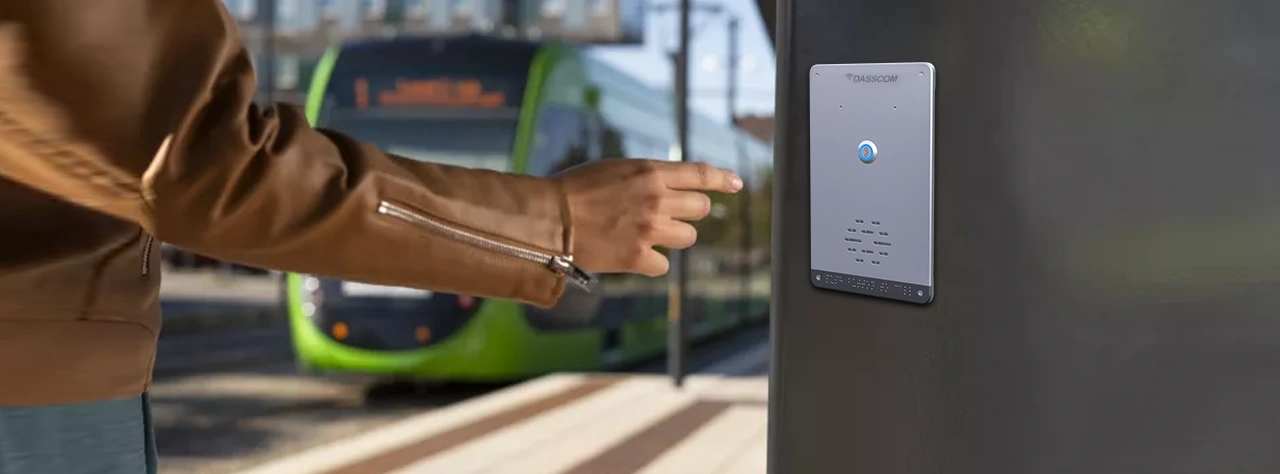
An effective intercom system has become a core component of modern communication infrastructure—whether in offices, commercial buildings, residential complexes, factories, hospitals, or public facilities. As organizations shift towards smart, secure, and connected environments, intercoms play a critical role in daily coordination, security management, emergency response, and workflow efficiency.

fffs

An effective intercom system has become a core component of modern communication infrastructure—whether in offices, commercial buildings, residential complexes, factories, hospitals, or public facilities. As organizations shift towards smart, secure, and connected environments, intercoms play a critical role in daily coordination, security management, emergency response, and workflow efficiency.

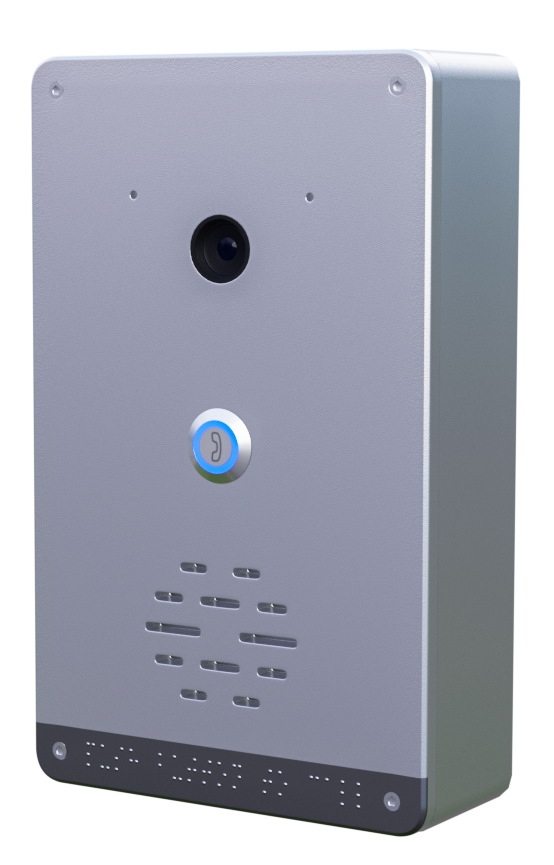
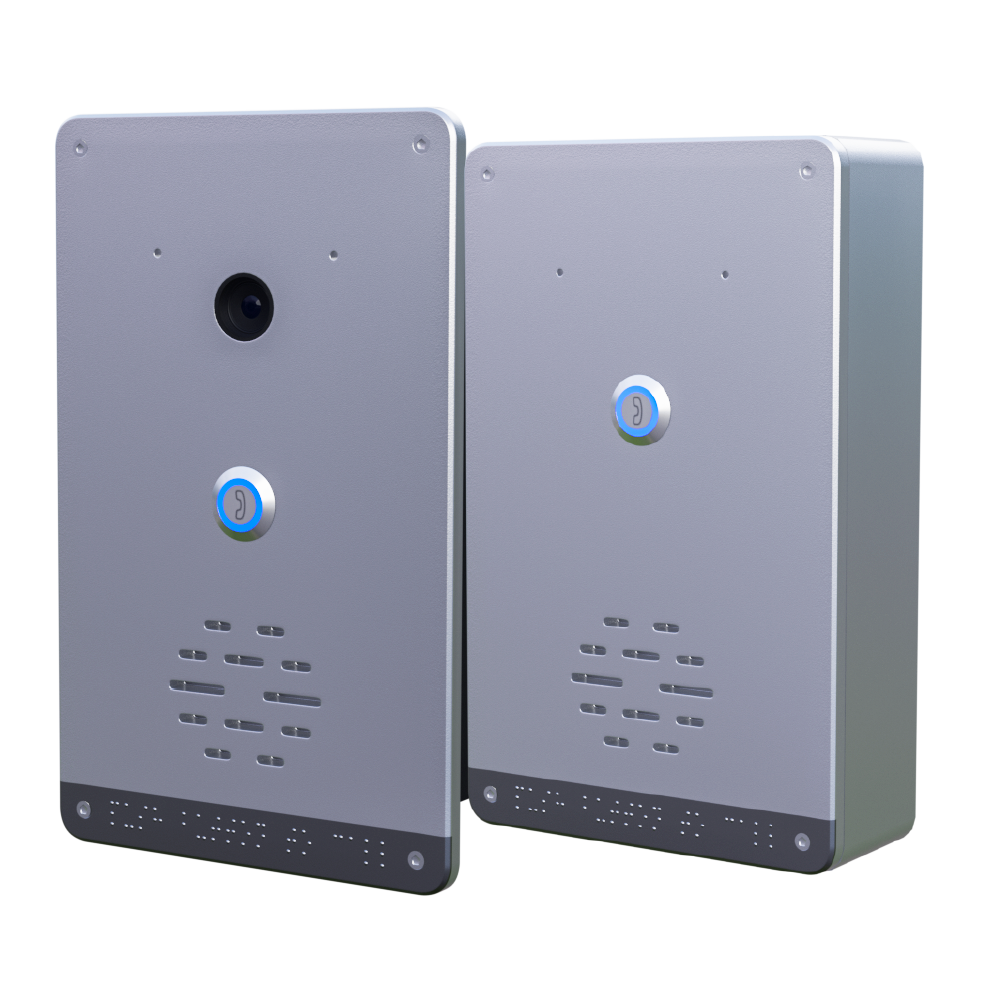
Today’s intercoms have evolved significantly. From simple audio communication panels, they have transformed into advanced IP-based platforms that support video intercomwireless intercom, mobile connectivity, and VoIP integration. This evolution has made intercom solutions more reliable, scalable, and easier to deploy across large or distributed spaces.

In this guide, we explore the major use cases, benefits, and business applications of modern intercom technology—particularly for enterprises looking to deploy an office intercom system or a commercial intercom system that meets operational, security, and communication needs.

What Is an Intercom System and How Does It Work?

An intercom system is a communication platform that allows two-way voice—or voice and video—interaction between designated points. It typically consists of call panels, indoor stations, speakers, microphones, and a communication controller (analog or IP-based).

Modern intercoms include:

These systems integrate into access control, CCTV, announcement systems, and workplace communication workflows, offering a centralized solution for both security and communication.

1. Office Intercom System: Enhancing Workplace Communication

An office intercom system improves real-time communication within teams, departments, and floors. It supports voice calling, paging announcements, emergency alerts, and secure entry management.

Where office intercoms are used:

Benefits for offices:

For modern workplaces adopting hybrid models, IP-based and wireless intercom solutions make deployment easier without heavy cabling.

2. Commercial Intercom System: Scalable for Large Facilities

commercial intercom system is critical for facilities like malls, hospitals, warehouses, corporate campuses, hotels, and large industrial buildings. These environments require structured communication to maintain both operations and security.

Key use cases:

Commercial benefits:

Because commercial spaces deal with high foot traffic and sensitive operations, choosing wired or wireless intercom system models depends on infrastructure layout.

3. Wireless Intercom Systems: Flexible & Fast Deployment

wireless intercom system is ideal for spaces where cabling is difficult or costly—such as heritage buildings, outdoor facilities, warehouses, schools, or large open areas.

Benefits of wireless intercom solutions:

The rise of Wi-Fi and IP-based communication has made wireless intercom options highly reliable, with low latency and secure encrypted channels.

4. Video Intercom Systems: Reinforcing Identity Verification

video intercom adds face-to-face verification before granting entry or responding to an alert. This significantly enhances security for residential and commercial buildings.

Where video intercom is used:

Key advantages:

For businesses, integrating a video intercom with access control and CCTV creates a unified security environment.

types of call center

DS-15H

15 watt Horn speaker Support SIP IP 65 Rating Support BGM and announcement

DS-10C

10 watt Ceiling Speaker Support SIP PoE enabled Support BGM & announcement

DS-15W

15 watt wall-mount speaker Support SIP PoE enabled Support BGM and announcement

DXP-7200N

4 SIP Account PoE phone Colour Screen HD Voice

DS-30ECL

1.Built-in 30W amplifier, 2.Class D Amplifier

DW-100

DW-100

2 SIP accounts Wi-fi Support Cordless Phone

5. VoIP Intercom Systems: Modern, Scalable & Network-Ready

voip intercom connects directly to the organization’s IP network. This allows it to communicate with IP phones, softphones, mobile devices, and PBX systems without separate wiring.

VoIP intercom benefits:

VoIP-based intercoms also enhance intercom system for business environments by supporting cloud-based communication and multi-location connectivity.

Use Cases Across Different Industries

Modern intercom systems serve a wide range of use cases across various business sectors. Below are real-world examples:

Healthcare

Education

Retail & Malls

Industrial Facilities

Residential & Hospitality

Top Benefits of Deploying an Intercom System for Business

A modern intercom system for business offers advantages that improve both security and operational efficiency.

Quick summary

See how Nextiva transforms the sales and support team productivity.
Call Center Software FAQs

1. What is the purpose of an intercom system?
An intercom system enables two-way voice or video communication across rooms, floors, or buildings, improving coordination, security, and emergency response.
An office intercom system helps manage visitor entry, internal communication, announcements, and safety alerts—making operations more efficient.
Yes, modern wireless intercom system models use Wi-Fi and encrypted IP networks, making them reliable for offices, warehouses, and multi-building layouts.
video intercom is ideal for secure entry points, visitor lobbies, gated boundaries, and locations requiring visual identity confirmation.
commercial intercom system supports communication across malls, hospitals, campuses, factories, and multi-floor corporate buildings.
Yes—voip intercom solutions connect directly to IP PBX systems, softphones, and mobile apps, enabling cross-platform communication.
An intercom system for business should support video, VoIP, wireless connectivity, and integration with access control or PA systems.
Yes. IP models allow easy expansion across floors and buildings without major rewiring.

TEC-Certified Dasscom VoIP Phones: Redefining Trust and Compliance in India

TEC-Certified Dasscom VoIP Phones: Redefining Trust and Compliance in India

TEC-Certified Dasscom VoIP Phones: Redefining Trust and Compliance in India

India’s telecom landscape is evolving rapidly, driven by digital transformation, cloud adoption, and the growing demand for secure, scalable communication. In this environment, compliance is no longer optional—it is critical. Dasscom’s VoIP Phone Series being officially TEC Certified marks a significant milestone, reinforcing trust, regulatory compliance, and long-term reliability for Indian enterprises and service providers.

fffs

India’s telecom landscape is evolving rapidly, driven by digital transformation, cloud adoption, and the growing demand for secure, scalable communication. In this environment, compliance is no longer optional—it is critical. Dasscom’s VoIP Phone Series being officially TEC Certified marks a significant milestone, reinforcing trust, regulatory compliance, and long-term reliability for Indian enterprises and service providers.

This certification is not just a badge—it is a strong assurance to customers that every certified ip phone from Dasscom meets stringent Indian telecom standards and is ready for mission-critical deployments.

What Is TEC Certification and Why It Matters

TEC (Telecommunication Engineering Centre) certification is issued under the Department of Telecommunications (DoT), Government of India. It validates that telecom products comply with national standards related to safety, security, performance, and interoperability.

For organizations deploying voip phones at scale, TEC certification ensures:

In short, TEC certification builds trust at every level of deployment.

Dasscom VoIP Phones: Now TEC Certified

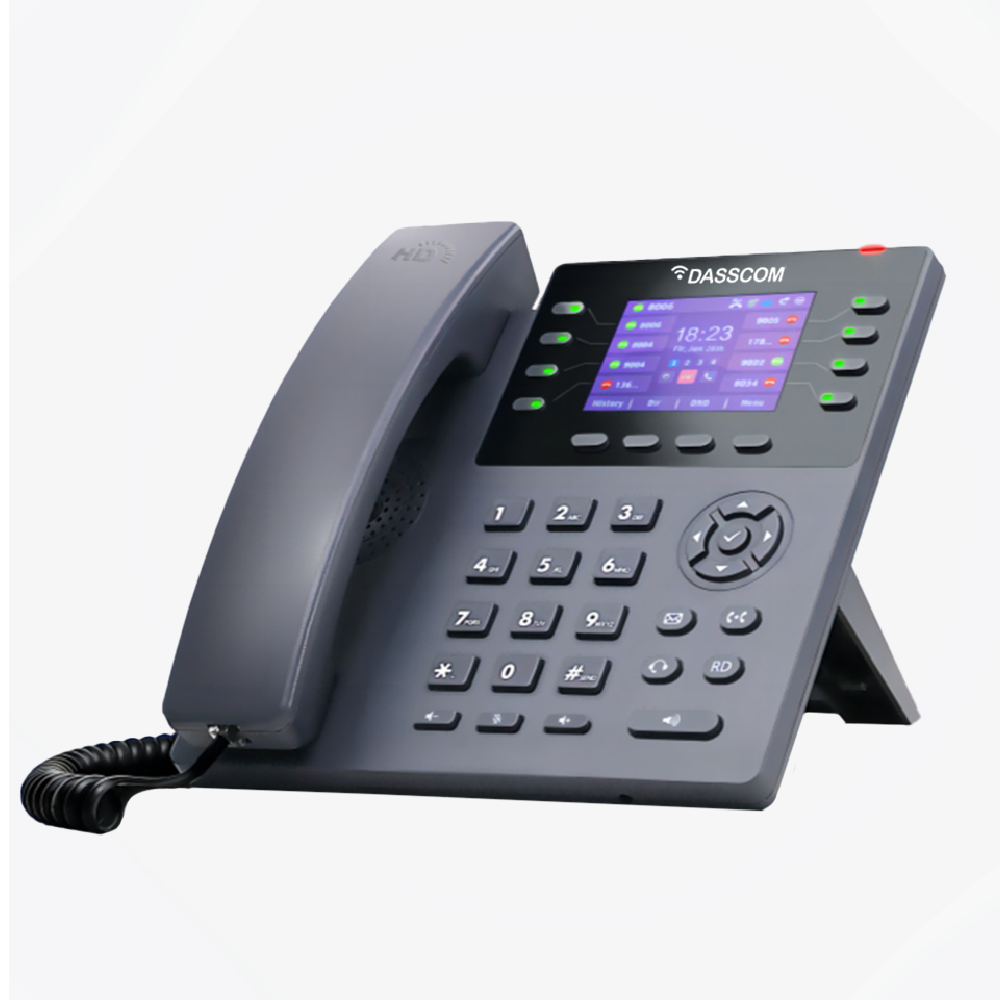
Dasscom’s range of VoIP desk phones has successfully achieved TEC certification, strengthening our commitment to quality and regulatory alignment. Each certified voip ip phone is tested to meet India-specific telecom requirements, making them suitable for both private enterprises and operator-led rollouts.

This achievement directly benefits:

Contact Sales

What TEC Certification Means for Customers

TEC-Certified Dasscom VoIP Phone Models

Dasscom’s certified portfolio includes popular desk phone models used across enterprises and service providers. These models are designed for different usage scenarios—from basic office extensions to advanced enterprise communication.

TEC-certified Dasscom VoIP phone models include:

These models deliver consistent performance, making them ideal ip phone choices for compliant deployments.

Find a Dealer

Why TEC Certification Is Critical for VoIP Deployments in India

India has unique regulatory and network requirements. Using non-certified equipment can lead to:

By choosing TEC-certified Dasscom voip phones, organizations avoid these challenges while aligning with national telecom policies.

Benefits for VoIP Service Providers and Enterprises

For VoIP Service Providers

For Enterprises

Buy Now

Supporting Make in India & Digital Transformation

Dasscom’s TEC certification aligns with India’s broader digital and telecom modernization goals. By offering Make-in-India ready voip solutions, we actively contribute to strengthening the nation’s communication backbone.

Our certified devices support:

This positions Dasscom as a trusted partner in India’s digital growth story.

Cost, Value, and Compliance

Organizations often weigh compliance against cost. With Dasscom, compliance does not mean higher complexity. Our certified models offer a competitive voip phone price, making it easier to adopt compliant communication without inflating budgets.

For businesses comparing value across vendors, Dasscom delivers:

Wireless and Desk-Based VoIP Ecosystems

While desk phones remain the backbone of enterprise voice, many deployments combine them with a wireless voip phone for mobility-focused roles. Dasscom’s certified desk phones integrate smoothly into such hybrid environments, supporting flexible and scalable voip system architectures.

Why Dasscom Stands Out

For organizations evaluating voip solutions, Dasscom offers a rare combination of compliance, reliability, and affordability.

Request a Demo

Conclusion

TEC certification marks a defining moment for Dasscom and a clear advantage for our customers. By choosing TEC-certified Dasscom voip ip phone models, businesses and service providers gain compliance assurance, network reliability, and long-term confidence.

In a market where trust and regulation matter as much as performance, Dasscom’s certified voip phones set a new benchmark for enterprise communication in India.

types of call center

DS-15H

15 watt Horn speaker Support SIP IP 65 Rating Support BGM and announcement

DS-10C

10 watt Ceiling Speaker Support SIP PoE enabled Support BGM & announcement

DS-15W

15 watt wall-mount speaker Support SIP PoE enabled Support BGM and announcement

DXP-7200N

4 SIP Account PoE phone Colour Screen HD Voice

DS-30ECL

1.Built-in 30W amplifier, 2.Class D Amplifier

DW-100

DW-100

2 SIP accounts Wi-fi Support Cordless Phone

Quick summary

See how Nextiva transforms the sales and support team productivity.

Call Center Software FAQs

1. What does TEC certification mean for an IP phone?
TEC certification confirms that an ip phone complies with Indian telecom standards for safety, security, and interoperability.

TEC-certified voip phones reduce deployment risk, ensure regulatory compliance, and work reliably with Indian telecom networks.

No. Selected desk phone models are certified. The DXV-3050 video phone is not TEC certified.
It enables voip service providers to deploy compliant endpoints confidently and qualify for regulated and enterprise projects.
No. Dasscom maintains a competitive voip phone price while meeting certification requirements.
Yes. They are ideal for large-scale voip phone system and voip system deployments.

Absolutely. They integrate seamlessly with modern voip solutions and hosted PBX platforms.


Look for best voip service providers that deploy TEC-certified endpoints like Dasscom phones to ensure compliance and reliability.