Managed vs. Unmanaged Switches: Key Differences Explained

Managed vs. Unmanaged Switches: Key Differences Explained

Managed vs. Unmanaged Switches: Key Differences Explained

Learn the major differences between managed and unmanaged switches, including features, scalability, security, performance, and ideal use cases to help you choose the right networking solution for your business.

fffs

Learn the major differences between managed and unmanaged switches, including features, scalability, security, performance, and ideal use cases to help you choose the right networking solution for your business.
Modern business networks depend on switches to connect devices, transfer data, and ensure reliable communication. Whether you are running a small office, enterprise infrastructure, surveillance setup, or smart building environment, choosing the right switch is critical for performance and scalability.
One of the most common networking decisions businesses face is choosing between managed switches and unmanaged switches. While both perform the essential task of connecting devices, their capabilities, control levels, and ideal applications differ significantly. This guide explains the core differences between managed and unmanaged switches, their advantages, use cases, and how to decide which solution best fits your business requirements in 2026.

What Are Network Switches?

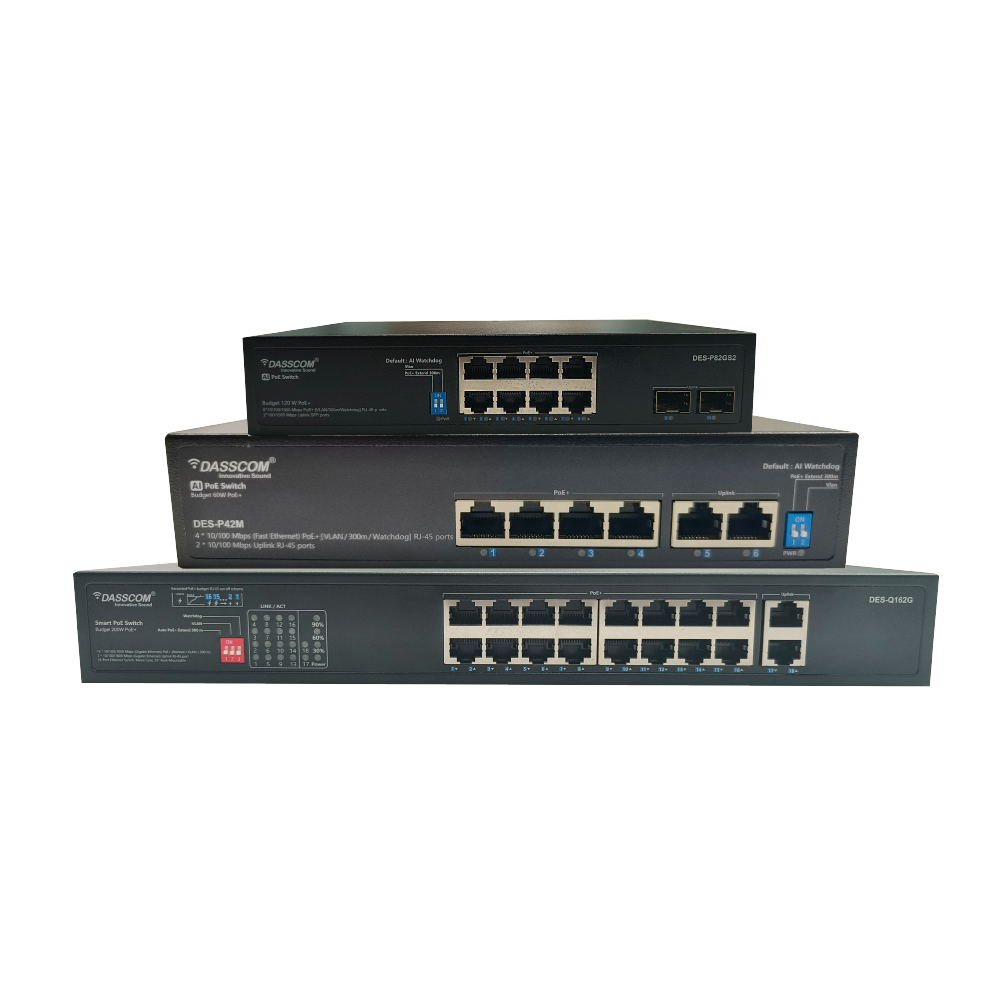
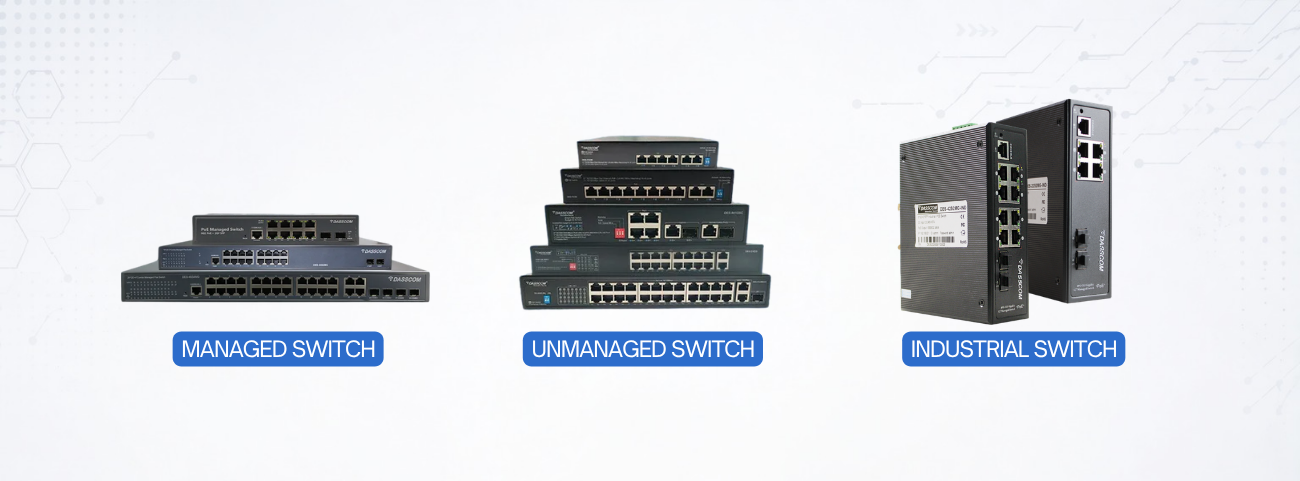
A network switch connects devices such as computers, IP phones, wireless access points, and surveillance cameras within a local network. It intelligently forwards data to the correct destination, improving network efficiency and communication speed. Modern switches are generally divided into two categories:
Understanding the difference between these two types is essential before designing or expanding your network infrastructure.

What Are Unmanaged Switches?

Unmanaged switches are plug-and-play networking devices that require no configuration. Once connected, they automatically begin forwarding traffic between connected devices. An unmanaged network switch is ideal for:
These switches are simple to install and require minimal technical expertise.

What Are Managed Switches?

Managed switches provide advanced control, monitoring, and optimization features. Administrators can configure network traffic, prioritize applications, create VLANs, and monitor performance through web interfaces or command-line tools. A professional managed network switch enables:
These capabilities make managed switches ideal for business-critical environments.
Contact Sales

Managed v Unmanaged Switch: Core Differences

The debate around managed v unmanaged switch solutions typically comes down to control versus simplicity.
FeatureManaged SwitchesUnmanaged Switches
ConfigurationAdvancedNone
MonitoringSupportedNot Available
Security FeaturesAdvancedBasic
VLAN SupportYesLimited/No
CostHigherLower
ScalabilityHighLimited
A managed v unmanaged switch comparison clearly shows that managed solutions offer greater flexibility and long-term scalability.

Performance & Traffic Management

One major difference in the managed v unmanaged switch discussion is traffic optimization. A managed network switch can prioritize critical traffic such as:
This ensures stable performance during heavy network usage. In contrast, an unmanaged network switch forwards traffic without prioritization, which may lead to congestion in busy environments

How to Choose the Right Switch

When comparing managed v unmanaged switch options, consider

If your network supports mission-critical operations, a managed network switch is usually the better choice.

24 Port Managed Switch: Why Businesses Prefer It

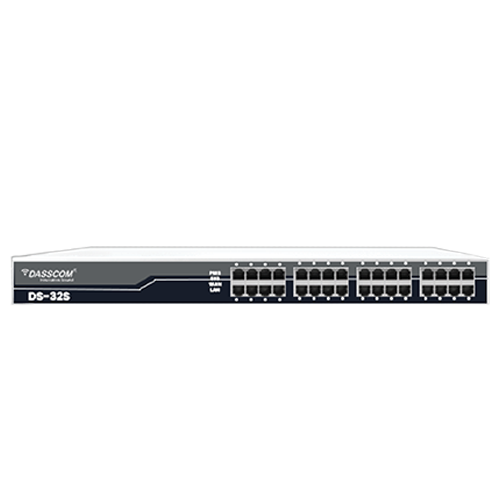
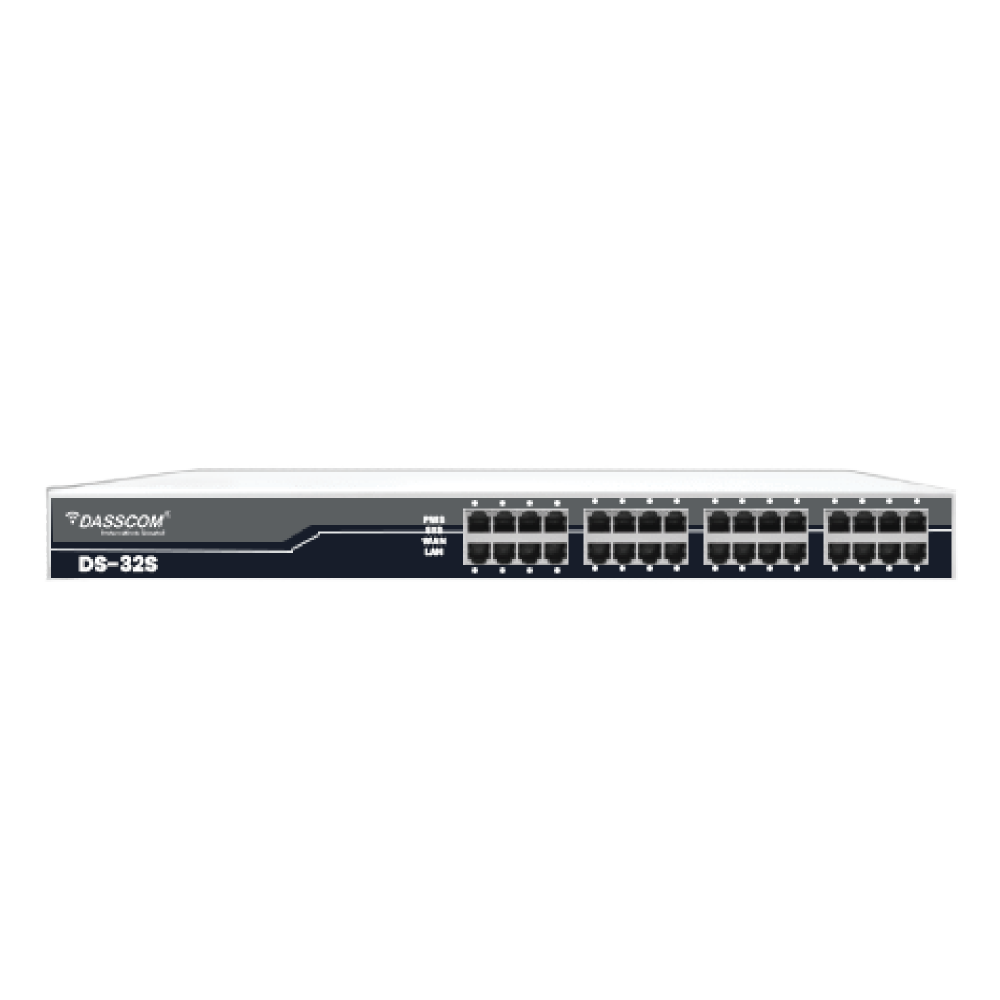
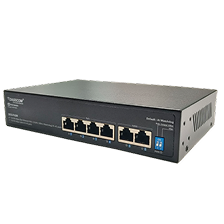
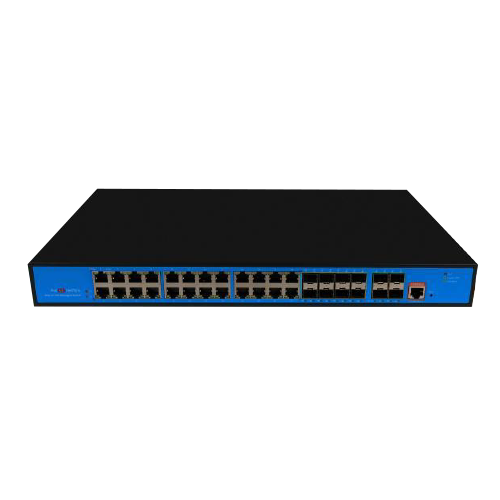
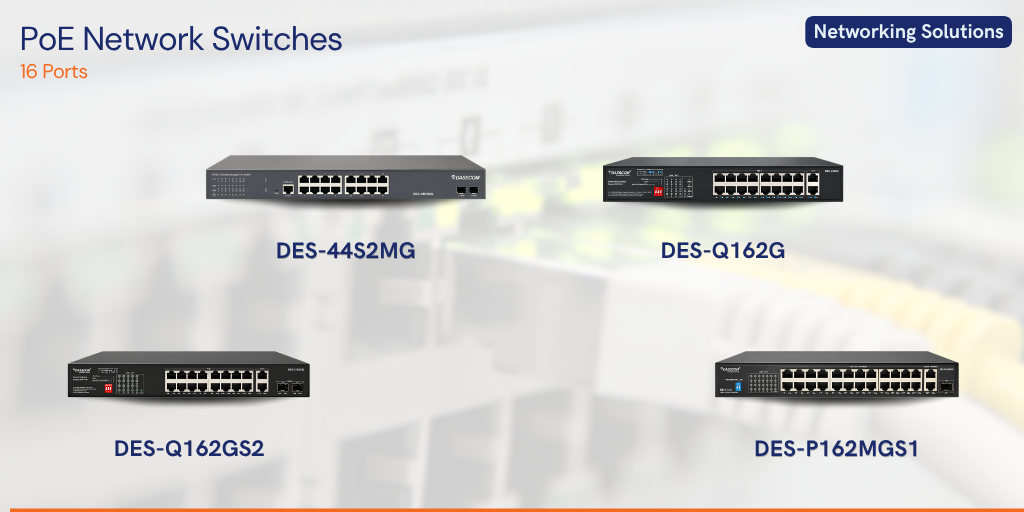
A 24 port managed switch is one of the most widely used solutions in enterprise networking because it balances scalability, performance, and cost efficiency.
Organizations use a 24 port managed switch

Modern enterprises increasingly deploy managed switches because centralized control improves operational efficiency and security.

Request a Demo

PoE Switching: Power & Data Together

Many businesses now use PoE switches to simplify installations by transmitting power and data over a single Ethernet cable.

24 Port PoE Switch

A 24 port poe switch is ideal for:
It supports high-density device connectivity while reducing infrastructure complexity.

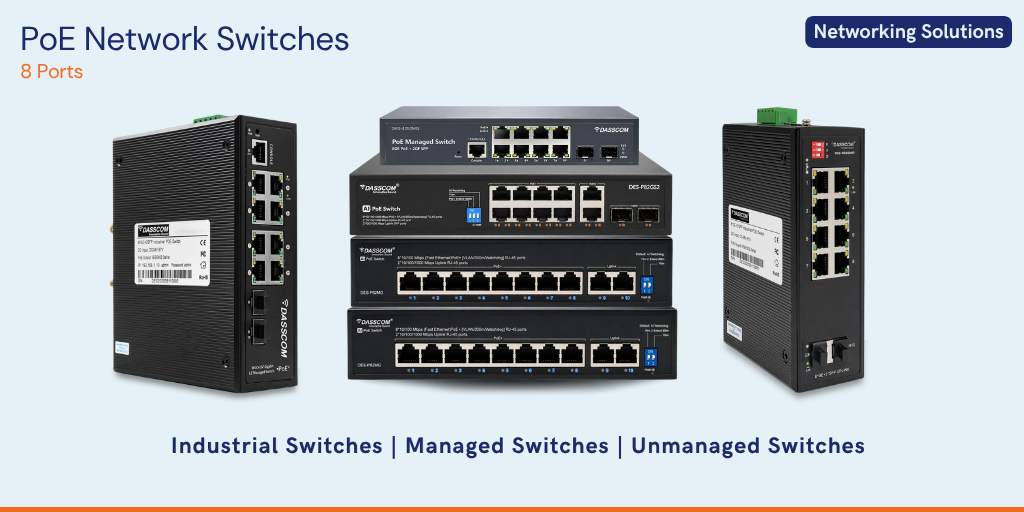
8 Port POE Switch

An 8 port POE switch is better suited for:
For growing businesses, an 8 port POE switch provides flexibility without excessive infrastructure investment.

Security Advantages of Managed Switches

Security is one of the strongest arguments in the managed v unmanaged switch comparison.
A managed network switch supports:
These features help businesses reduce unauthorized access and improve network visibility. An unmanaged network switch, while simpler, lacks advanced security controls.

Scalability & Future Expansion

As organizations grow, network complexity increases. A 24 port managed switch allows businesses to:
This scalability makes managed switches a preferred long-term investment. By comparison, unmanaged switches work best in static environments where growth and advanced management are not priorities.
Find a Dealer

Managed Switches in Enterprise Networks

Large organizations typically deploy managed switches because they provide:
A managed network switch is especially valuable in:

When to Choose Unmanaged Switches

Despite the advantages of managed solutions, unmanaged switchesstill have important use cases. Choose an unmanaged network switch if:
An unmanaged solution is often sufficient for basic connectivity requirements.

Real-World Deployment Examples

Enterprise Office

A 24 port managed switch powers IP phones, surveillance cameras, and access points while managing traffic through VLANs.

Retail Store

An 8 port POE switch supports POS systems, CCTV cameras, and Wi-Fi access points.

Small Branch Office

An unmanaged network switch provides basic connectivity for desktop systems and printers.

Campus Network

Multiple managed switches connect departments while ensuring network segmentation and security.

Future of Network Switching

Modern networking trends are driving greater adoption of managed switches due to:

As businesses continue digitizing operations, intelligent switching infrastructure will become even more important.

Final Thoughts

Choosing between managed and unmanaged switches depends on your network size, security needs, and scalability goals. While unmanaged switches offer simplicity and affordability, managed switches provide greater control, traffic optimization, and long-term flexibility. Businesses planning future growth or deploying IP devices should strongly consider managed switching solutions for improved reliability and network performance.

If you want your business to have an efficient communication system, you must invest in quality VoIP phones. Remember that the communication aspect of your business is very sensitive and equally important. The more you streamline it, the better results you will get. Dasscom’s VoIP phones are your way to achieve flawless operations.

types of call center

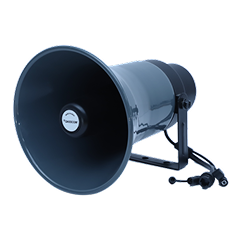
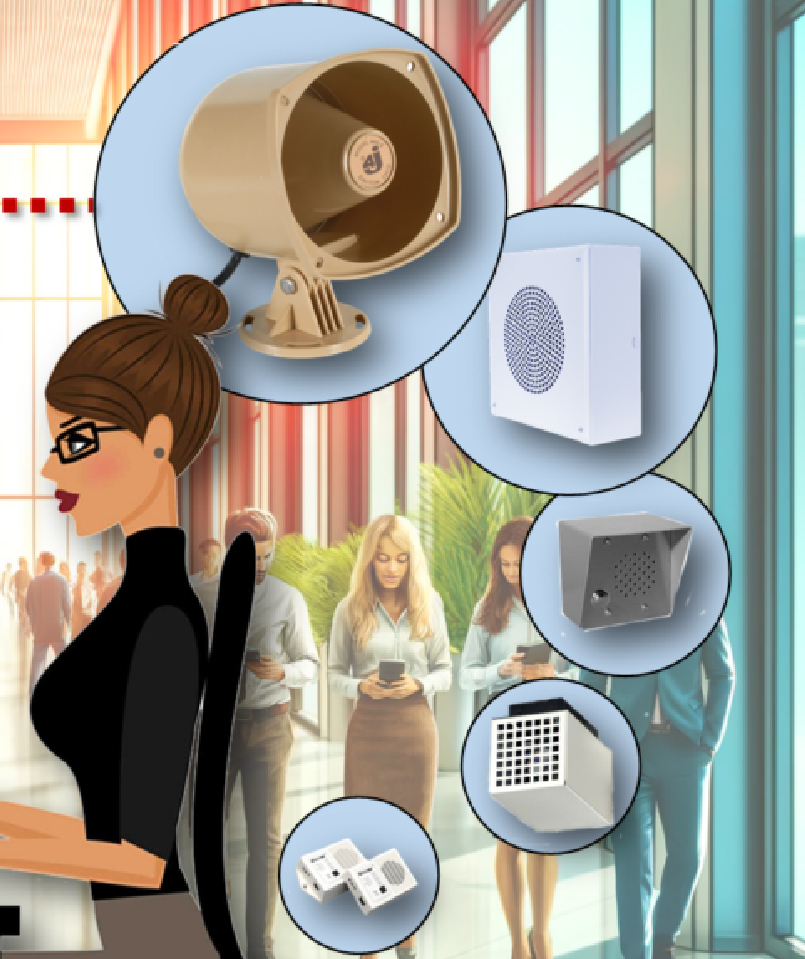
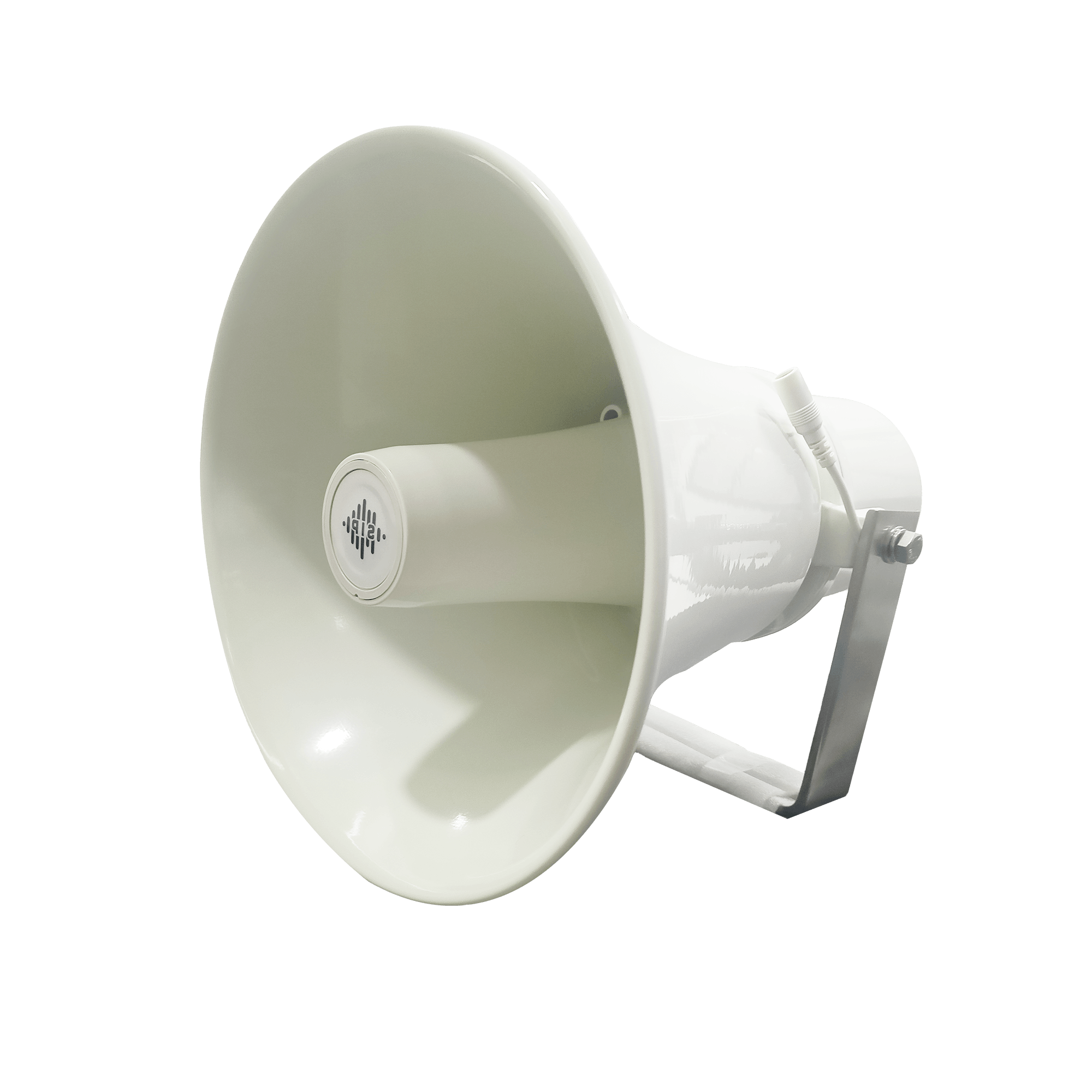
DS-15H

15 watt Horn speaker Support SIP IP 65 Rating Support BGM and announcement
DS-10C

10 watt Ceiling Speaker Support SIP PoE enabled Support BGM & announcement
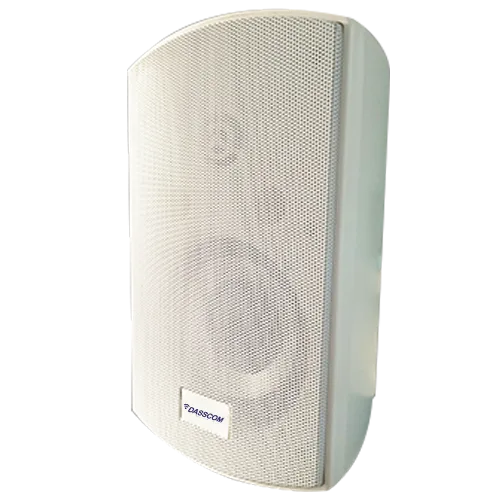
DS-15W

15 watt wall-mount speaker Support SIP PoE enabled Support BGM and announcement
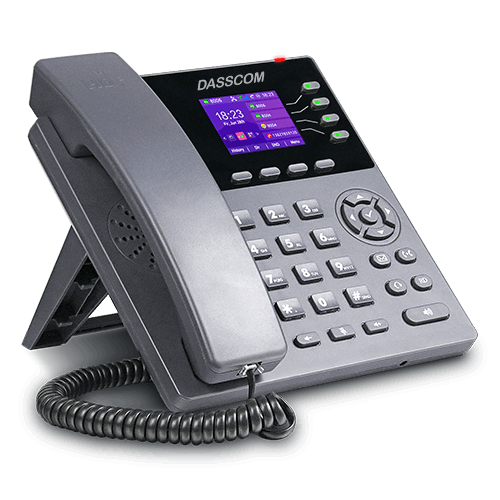
DXP-7200N

4 SIP Account PoE phone Colour Screen HD Voice
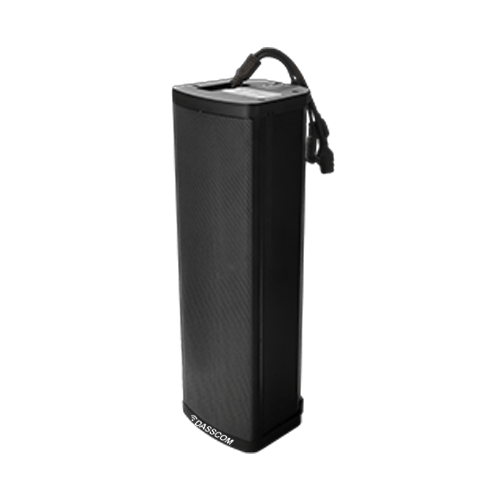
DS-30ECL

1.Built-in 30W amplifier, 2.Class D Amplifier
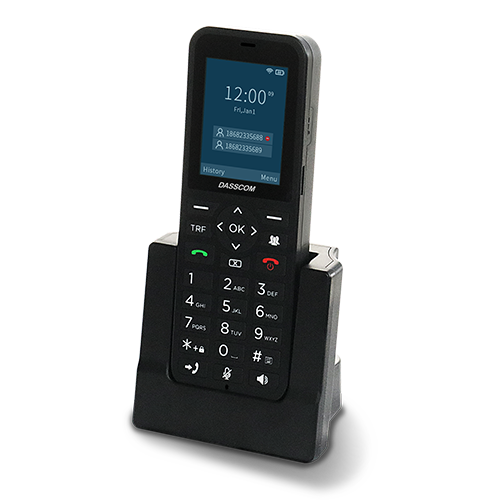
DW-100

DW-100

2 SIP accounts Wi-fi Support Cordless Phone

Quick summary

See how Nextiva transforms the sales and support team productivity.
Frequently Asked Questions (FAQs)

1.What is the difference between managed and unmanaged switches?
The main difference in a managed v unmanaged switch setup is that managed switches allow configuration and monitoring, while unmanaged switches are plug-and-play devices
A 24 port managed switch is ideal for growing businesses requiring scalability, VLANs, and advanced traffic management.
Yes, an unmanaged network switch works well for small offices with basic networking requirements.
A 24 port poe switch can power IP phones, surveillance cameras, wireless access points, and other PoE-enabled devices.
Yes, an 8 port POE switch is suitable for smaller deployments such as retail stores or branch offices.
Managed switches support VLANs, ACLs, and monitoring features that improve network security and control
Yes, unmanaged switches are generally more affordable because they lack advanced configuration features.
headsets

The Best USB Headsets with Microphones: A Complete Guide

The Best USB Headsets with Microphones: A Complete Guide

The Best USB Headsets with Microphones: A Complete Guide

Discover how to choose the best USB headsets with microphones for offices, call centers, and remote work. Learn about noise cancellation, comfort, connectivity, audio quality, and key buying considerations.

fffs

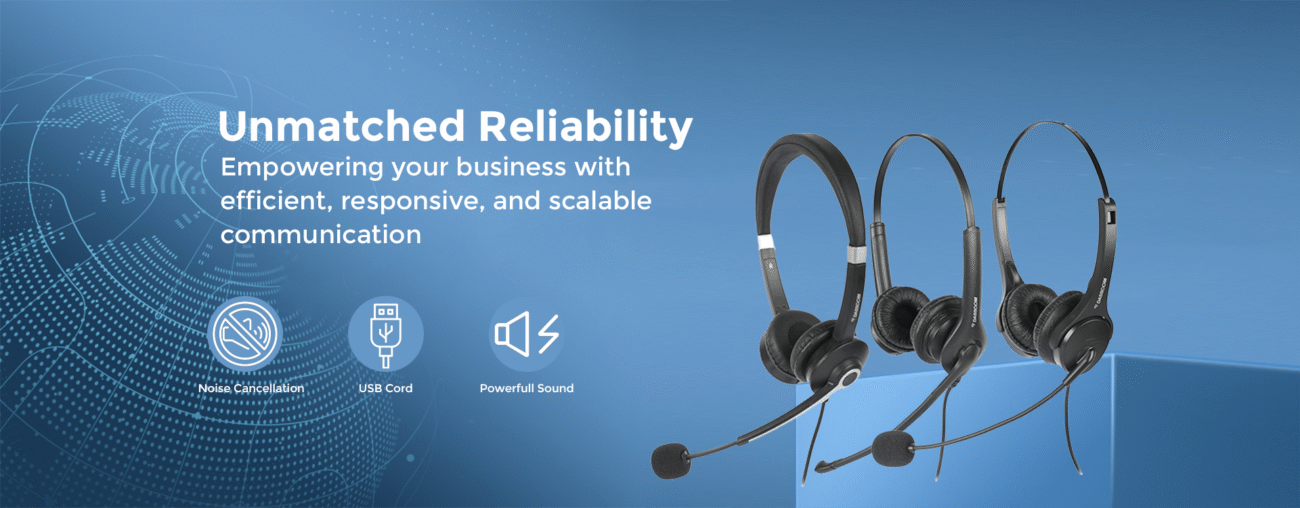
In today’s communication-driven work environment, clear audio is essential. Whether employees are handling customer calls, attending virtual meetings, or collaborating remotely, professional headsets have become a necessity rather than an accessory.
Modern businesses now rely heavily on USB headsets with microphones because they offer plug-and-play simplicity, superior voice clarity, and compatibility with communication platforms like Teams, Zoom, and VoIP systems. From customer support teams to hybrid professionals, choosing the right headset can directly impact productivity, communication quality, and user comfort.
This guide explains everything you need to know about USB headsets, including key features, headset types, buying considerations, and how to choose the best option for your work environment.

Why USB Headsets Are Essential for Modern Workspaces

Traditional audio devices often struggle with compatibility, sound quality, and noise isolation. In contrast, modern USB headphones with mic are designed specifically for professional communication
A quality headset helps:
This is especially important in contact centers and remote work environments where communication quality directly impacts business performance.

What Are USB Headsets with Microphones?

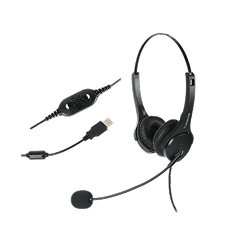
USB headsets with microphones are communication headsets that connect directly to computers, laptops, or compatible devices through USB-A or USB-C ports
Unlike analog audio devices, USB headsets include built-in digital audio processing that improves sound quality and voice transmission. Many modern headsets also feature:
Businesses increasingly prefer USB headphones with mic because they are easy to deploy and require minimal configuration.
Contact Sales

Key Features to Look For

1. Noise Cancellation

One of the most important features in modern headsets is noise cancellation. A professional USB headset with noise cancelling mic filters ambient sounds and focuses on the speaker’s voice.
This significantly improves communication in
A high-quality noise cancelling USB headset enhances both inbound and outbound call clarity.

2. Comfort for Long Usage

Employees often wear headsets for several hours daily. The best headsets include:
The best USB headphones with mic prioritize ergonomic comfort to reduce fatigue during extended use.

3.Audio Quality

Clear audio is critical for meetings and customer conversations. Professional-grade USB headsets with microphones provide:
This ensures smooth communication without distortion or interruptions.

This makes PoE technology one of the most efficient networking innovations for modern business environments.

Request a Demo

Noise Cancelling Technology Explained

A USB headset with noise cancelling mic typically uses directional microphones or digital signal processing to suppress surrounding sounds.
According to audio headset design principles, noise-cancelling microphones focus primarily on the speaker’s voice while minimizing external noise pickup.
Modern noise cancelling headphones with mic USB are especially useful in high-noise environments such as:

Wired vs Wireless USB Headsets

Wired USB Headsets
Wired USB headphones with mic offer:
These are commonly used as USB headphones with mic for call center operations because reliability is critical.

Wireless USB Headsets

A wireless USB headset with mic provides greater mobility and flexibility for users who move frequently during calls.
Modern wireless models now include:

Businesses increasingly adopt wireless USB headset with mic solutions for hybrid work environments. Industry reviews also highlight comfort, ANC, and multi-device support as important decision factors for office headsets.

USB Headsets for Call Centers

Communication quality is critical in customer service operations. Professional USB headphones with mic for call center environments are designed to

Dual-ear noise cancelling USB headset designs are particularly effective in crowded workplaces because they improve focus and listening accuracy.
Find a Dealer

What Makes the Best USB Headphones with Mic?

The best USB headphones with mic balance several factors:

Premium models often include AI-based voice enhancement and advanced ANC technologies. Recent professional headset reviews also emphasize adaptive noise cancellation and intelligent microphone processing for clearer communication.

Choosing the Right Headset for Your Needs

For Call Centers
Choose:
A professional USB headset with noise cancelling mic improves agent productivity and customer experience.
For Hybrid Work: A wireless USB headset with mic offers mobility and flexibility for remote meetings and multitasking.
For Office Environments: A balanced noise cancelling USB headset ensures clear communication without isolating users completely from their surroundings.
Find a Dealer

Why Noise Cancellation Matters

Modern USB headsets with microphones are evolving rapidly. Emerging trends include:

How to Maintain USB Headsets

To maximize headset lifespan:
Proper maintenance improves hygiene, comfort, and long-term audio performance.
Industrial facilities should prioritize ruggedized industrial ethernet switch solutions for reliable operation under harsh conditions.

Final Thoughts

Choosing the right USB headset is essential for clear communication, employee comfort, and productivity. Whether for call centers, offices, or hybrid workspaces, businesses should prioritize noise cancellation, audio clarity, durability, and ergonomic design. Investing in professional USB headsets with microphones ensures better collaboration, improved customer interactions, and long-term communication reliability.

If you want your business to have an efficient communication system, you must invest in quality VoIP phones. Remember that the communication aspect of your business is very sensitive and equally important. The more you streamline it, the better results you will get. Dasscom’s VoIP phones are your way to achieve flawless operations.

types of call center

DS-15H

15 watt Horn speaker Support SIP IP 65 Rating Support BGM and announcement

DS-10C

10 watt Ceiling Speaker Support SIP PoE enabled Support BGM & announcement

DS-15W

15 watt wall-mount speaker Support SIP PoE enabled Support BGM and announcement

DXP-7200N

4 SIP Account PoE phone Colour Screen HD Voice

DS-30ECL

1.Built-in 30W amplifier, 2.Class D Amplifier

DW-100

DW-100

2 SIP accounts Wi-fi Support Cordless Phone

Quick summary

See how Nextiva transforms the sales and support team productivity.
Frequently Asked Questions (FAQs)

1.What are USB headsets with microphones used for?
USB headsets with microphones are used for calls, meetings, customer support, and professional communication across offices and remote work environments.
A noise cancelling USB headset reduces background distractions and improves voice clarity during calls.
Yes, USB headphones with mic for call center environments are specifically designed for continuous communication and noise reduction.
A wireless USB headset with mic offers greater mobility, flexibility, and convenience for hybrid work setups.
The best USB headphones with mic should offer comfort, durability, clear audio, and effective noise cancellation.
Noise cancelling headphones with mic USB filter external sounds and ensure clearer voice transmission.
Yes, modern USB headphones with mic provide improved digital audio processing and easier compatibility with computers and communication platforms.

What Are IP Phones? Complete Beginner’s Guide (2026)

What Are IP Phones? Complete Beginner’s Guide (2026)

What Are IP Phones? Complete Beginner’s Guide (2026)

Learn how IP phones work, their key features, pricing, benefits, and why businesses are shifting toward modern VoIP communication systems for scalable, reliable, and cost-effective office connectivity.

fffs

Business communication has evolved rapidly over the last decade. Traditional landlines and legacy PBX systems are gradually being replaced by smarter, internet-based communication technologies. At the center of this transformation are ip phones—devices that use internet connectivity to deliver high-quality voice communication with advanced business features. In 2026, organizations of all sizes are adopting IP communication because it offers better flexibility, scalability, and operational efficiency. Whether you run a startup, enterprise, retail chain, or educational institution, understanding how IP phones work can help you make better communication decisions. This beginner’s guide explains everything you need to know about IP phones, including how they work, their advantages, pricing considerations, and how to choose the right solution for your business.

What Are IP Phones?

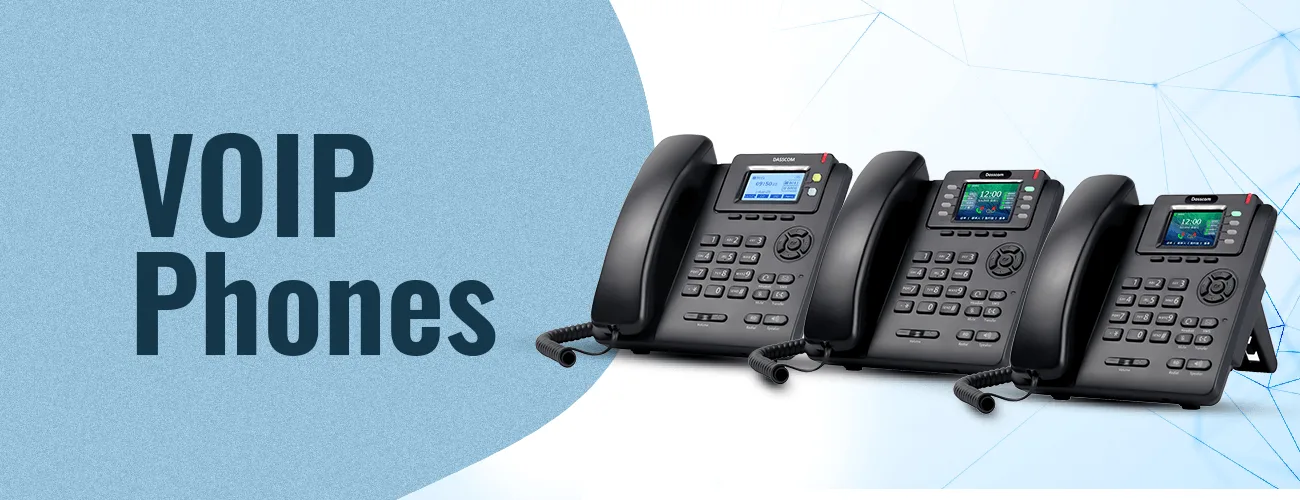
IP phones are communication devices that transmit voice calls over an IP network instead of traditional telephone lines. Unlike analog phones, they use internet protocols to send and receive voice data digitally.
An IP phone typically connects to:
Modern voice ip phone solutions offer features such as HD calling, conferencing, voicemail, call forwarding, and integration with business applications. .

How Do IP Phones Work?

An IP phone converts voice into digital data packets and transmits them through an IP network. Instead of relying on traditional PSTN infrastructure, the call travels over Ethernet or Wi-Fi.
A standard voip phone system for business usually includes:
When a user speaks into the handset, the audio is digitized, compressed, and transmitted over the network to the receiving endpoint. .
This is similar to how an ip pa system distributes voice communication across network infrastructure—except IP phones focus on two-way voice communication for business users.
Contact Sales

Types of IP Phones

Desk IP Phones

These are the most common office communication devices. Desk ip phones include physical buttons, displays, speakerphones, and programmable keys.

Wireless IP Phones

Wireless models use Wi-Fi for connectivity and provide greater mobility within offices and campuses.

Softphones

Softphones are software-based voice ip phone applications installed on laptops or mobile devices.

Conference IP Phones

Designed for meeting rooms, these phones support multi-party collaboration with superior audio pickup.

Key Features of Modern IP Phones

Modern ip phone systems offer far more than simple voice calling. Businesses now expect communication devices to integrate seamlessly into digital workflows. Common features include:
Advanced voice ip phone models also support CRM integration and cloud-based management.

This makes PoE technology one of the most efficient networking innovations for modern business environments.

Why Businesses Prefer IP Phone Systems

Companies are increasingly moving toward ip phone systems because they simplify communication while reducing operational costs.

Lower Communication Costs

Calls are transmitted over the internet, significantly reducing long-distance and international call expenses.

Easy Scalability

Adding new extensions or users is simple compared to traditional telephony systems.

Remote Work Enablement

Employees can access business communication from anywhere using desktop phones or softphones.

Centralized Management

IT teams can configure and monitor the entire voip phone system for business through centralized dashboards.
Request a Demo

IP Phone Price: What Affects Cost?

One of the most common questions businesses ask is about ip phone price. The cost of IP phones depends on several factors:
Entry-level models are affordable for small offices, while executive and enterprise-grade phones offer advanced functionality at a higher ip phone price. It’s important to evaluate long-term value instead of focusing only on upfront pricing.

Choosing the Right IP Phone Service

A reliable ip phone service is just as important as the hardware itself. The service provider manages call routing, SIP connectivity, and system availability.
When selecting an ip phone service, businesses should consider:
A dependable provider ensures smooth communication and business continuity.

Role of IP Phone Manufacturers

A trusted ip phone manufacturer plays a major role in communication reliability. High-quality manufacturers focus on:
Choosing the right ip phone manufacture ensures better compatibility with enterprise networks and future scalability.
Find a Dealer

How IP Phones Compare to Traditional Phones

FeatureTraditional PhonesIP Phones
ConnectivityPSTN LinesIP Network
ScalabilityLimitedHighly Scalable
FeaturesBasic CallingAdvanced Collaboration
Remote AccessLimitedSupported
Cost EfficiencyLower FlexibilityBetter Long-Term Value
Modern ip phone systems provide significantly more flexibility and integration compared to traditional communication systems.

IP Phones & IP PA Systems

Interestingly, many organizations integrate ip phones with an ip pa system to create a unified communication environment.
For example:
This convergence improves operational communication across campuses, factories, and enterprise facilities.

Future of IP Phones in 2026

The future of voice ip phone technology is driven by:
Businesses adopting modern voip phone system for business solutions are better positioned for hybrid work and digital transformation.

How to Choose the Right IP Phone

When selecting ip phones, consider:
Organizations should also ensure compatibility between the hardware and their chosen ip phone service provider.

Final Thoughts

EIP phones have become essential for businesses seeking scalable, cost-effective, and future-ready communication. From improved call quality to seamless integration with collaboration tools and IP PA systems, they deliver far greater flexibility than traditional telephony. Choosing the right IP phone system, service provider, and manufacturer ensures long-term communication reliability and operational efficiency.

If you want your business to have an efficient communication system, you must invest in quality VoIP phones. Remember that the communication aspect of your business is very sensitive and equally important. The more you streamline it, the better results you will get. Dasscom’s VoIP phones are your way to achieve flawless operations.

types of call center

DS-15H

15 watt Horn speaker Support SIP IP 65 Rating Support BGM and announcement

DS-10C

10 watt Ceiling Speaker Support SIP PoE enabled Support BGM & announcement

DS-15W

15 watt wall-mount speaker Support SIP PoE enabled Support BGM and announcement

DXP-7200N

4 SIP Account PoE phone Colour Screen HD Voice

DS-30ECL

1.Built-in 30W amplifier, 2.Class D Amplifier

DW-100

DW-100

2 SIP accounts Wi-fi Support Cordless Phone

Quick summary

See how Nextiva transforms the sales and support team productivity.
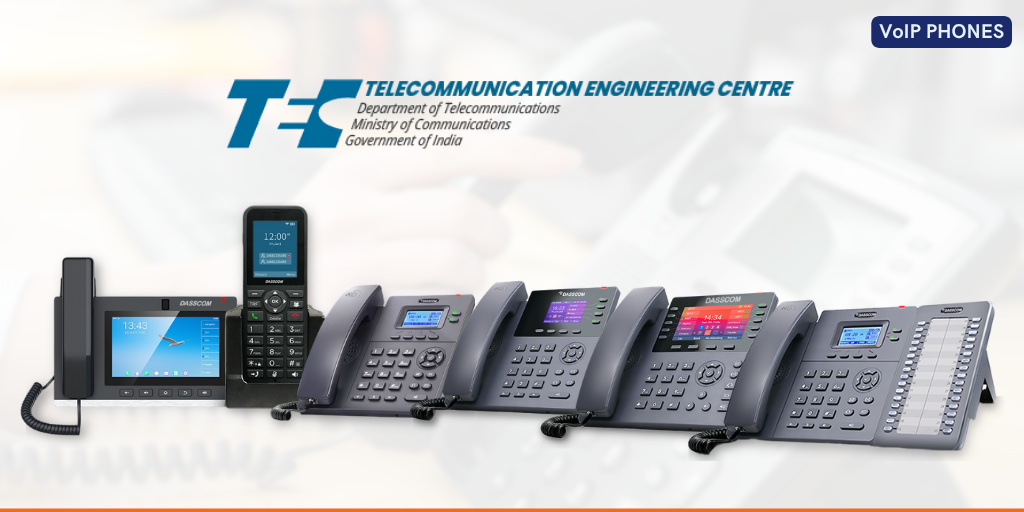
Frequently Asked Questions (FAQs)

What are IP phones used for?
IP phones are used for voice communication over internet networks instead of traditional telephone lines.
A voice ip phone converts voice into digital packets and transmits them over an IP network.
The ip phone price depends on features, SIP accounts, display type, wireless support, and conferencing capabilities.
Yes, modern ip phone systems are scalable and cost-effective for businesses of all sizes.
Traditional phones use PSTN lines, while ip phones operate over internet-based IP networks.
Yes, many organizations integrate IP phones with an ip pa system for unified communication and paging.
A trusted ip phone manufacturer ensures reliable hardware quality, compatibility, and long-term support.
A good ip phone service should provide reliability, security, scalability, and excellent call quality.

What is an Ethernet Network Switch?

What is an Ethernet Network Switch?

What is an Ethernet Network Switch?

Learn how Ethernet network switches work, their types, benefits, PoE functionality, industrial applications, and how businesses choose the right switch for reliable and scalable network connectivity.

fffs

Modern networks rely on seamless connectivity to keep businesses running efficiently. Whether it’s a small office, a large enterprise, a factory, or a surveillance setup, connected devices need a reliable way to communicate with each other. This is where the ethernet switch becomes one of the most important components of any network infrastructure.
From powering IP cameras to supporting high-speed office communication, Ethernet switches help businesses manage and distribute data traffic effectively. In 2026, the demand for smart and scalable switching infrastructure continues to rise as organizations adopt cloud platforms, IoT devices, and IP-based communication systems.
This guide explains what an Ethernet network switch is, how it works, its different types, and how businesses can choose the right solution for their networking requirements.

What is an Ethernet Switch?

An ethernet switch is a networking device that connects multiple devices within a local area network (LAN). It receives data from one connected device and forwards it intelligently to the correct destination device.
Unlike older hubs that broadcast data to every connected device, modern switches improve efficiency by sending data only where it is needed. This reduces network congestion and improves overall performance.
Today’s networks depend heavily on Ethernet switching technology to support:
A properly designed switching infrastructure ensures stable communication and reliable business operations.

How Does an Ethernet Switch Work?

An ethernet switch identifies devices using MAC addresses. When data enters the switch, it determines the destination device and forwards traffic through the correct port. This process happens in milliseconds and allows businesses to maintain fast, uninterrupted communication across connected systems.

Modern switches also support:

Advanced switching technologies help businesses handle increasing amounts of network traffic efficiently.
Contact Sales

Understanding Ethernet Switch Types

There are several important ethernet switch types available depending on deployment needs and network complexity.

Unmanaged Switches

These are plug-and-play devices requiring no configuration. They are ideal for small offices and simple connectivity requirements.

Managed Switches

Managed switches provide advanced configuration features such as VLANs, QoS, monitoring, and security management.

PoE Switches

A poe ethernet switch delivers both data and electrical power through Ethernet cables, eliminating the need for separate power supplies.

Industrial Switches

An industrial ethernet switch is designed for harsh environments such as factories, warehouses, and outdoor installations. .
Understanding different ethernet switch types helps businesses choose the right infrastructure for current and future needs.

What is a PoE Ethernet Switch?

A poe ethernet switch combines data transmission and power delivery through a single Ethernet cable. This significantly simplifies installations and reduces infrastructure costs.
PoE switches are commonly used to power:
Instead of requiring separate electrical wiring, devices receive power directly from the network switch.

This makes PoE technology one of the most efficient networking innovations for modern business environments.

PoE Ethernet Switch 4 Port Solutions

Small businesses and compact installations often use a poe ethernet switch 4 port because it provides sufficient connectivity without excessive hardware.

A poe ethernet switch 4 port is ideal for:

These compact switches offer affordability and simplified deployment while still supporting essential PoE functionality.
Request a Demo

Why Businesses Use an 8 Port Ethernet Switch

An 8 port ethernet switch is one of the most commonly deployed networking devices in SMB environments.
Businesses prefer an 8 port ethernet switch because it balances:
These switches are widely used in:
Many organizations also choose PoE-enabled versions to support IP devices efficiently.

Benefits of a 24 Port Ethernet Switch

Larger businesses often require higher-density switching solutions such as a 24 port ethernet switch.
A 24 port ethernet switch is ideal for:
These switches support large numbers of connected devices while improving scalability and centralized network management.
Organizations deploying multiple access points, IP phones, and cameras frequently rely on a 24 port ethernet switch to support growing infrastructure requirements.

Industrial Ethernet Switch Applications

An industrial ethernet switch is designed specifically for rugged and demanding environments.
Unlike conventional office switches, industrial switches are built to withstand:
Industries that commonly deploy an industrial ethernet switch include:
Find a Dealer

Security Advantages of Managed Switching

Cybersecurity remains a growing concern for businesses of all sizes. One of the strongest reasons organizations choose managed network switches is their advanced security capabilities.
Managed switches support:
These switches ensure uninterrupted communication in mission-critical environments.
Find a Dealer

Ethernet Switch Price: What Affects Cost?

One of the most common questions businesses ask is about ethernet switch price. The cost of a switch depends on several factors:
For example, an unmanaged 8 port ethernet switch is typically more affordable than an enterprise-grade 24 port ethernet switch with advanced management features.
Similarly, an industrial ethernet switch may cost more due to its rugged construction and extended durability.
When evaluating ethernet switch price, businesses should focus on long-term value, scalability, and operational reliability rather than only upfront cost.

How to Choose the Right Ethernet Switch

Choosing the right ethernet switch depends on:
Small businesses may benefit from a compact poe ethernet switch 4 port, while enterprises often require a larger 24 port ethernet switch with advanced management features.
Industrial facilities should prioritize ruggedized industrial ethernet switch solutions for reliable operation under harsh conditions.

Future of Ethernet Switching

The future of Ethernet networking is becoming smarter and faster. Emerging trends include:
As businesses continue digitizing operations, advanced ethernet switch types will play a critical role in supporting secure and scalable communication infrastructure.

Final Thoughts

Ethernet switches are the foundation of modern network infrastructure, enabling reliable communication between connected devices. Whether deploying a compact PoE switch, an industrial-grade switch, or a large enterprise network solution, choosing the right switch improves scalability, performance, and operational efficiency. Businesses investing in future-ready switching infrastructure gain stronger connectivity, better reliability, and long-term networking flexibility.

If you want your business to have an efficient communication system, you must invest in quality VoIP phones. Remember that the communication aspect of your business is very sensitive and equally important. The more you streamline it, the better results you will get. Dasscom’s VoIP phones are your way to achieve flawless operations.

types of call center

DS-15H

15 watt Horn speaker Support SIP IP 65 Rating Support BGM and announcement

DS-10C

10 watt Ceiling Speaker Support SIP PoE enabled Support BGM & announcement

DS-15W

15 watt wall-mount speaker Support SIP PoE enabled Support BGM and announcement

DXP-7200N

4 SIP Account PoE phone Colour Screen HD Voice

DS-30ECL

1.Built-in 30W amplifier, 2.Class D Amplifier

DW-100

DW-100

2 SIP accounts Wi-fi Support Cordless Phone

Quick summary

See how Nextiva transforms the sales and support team productivity.
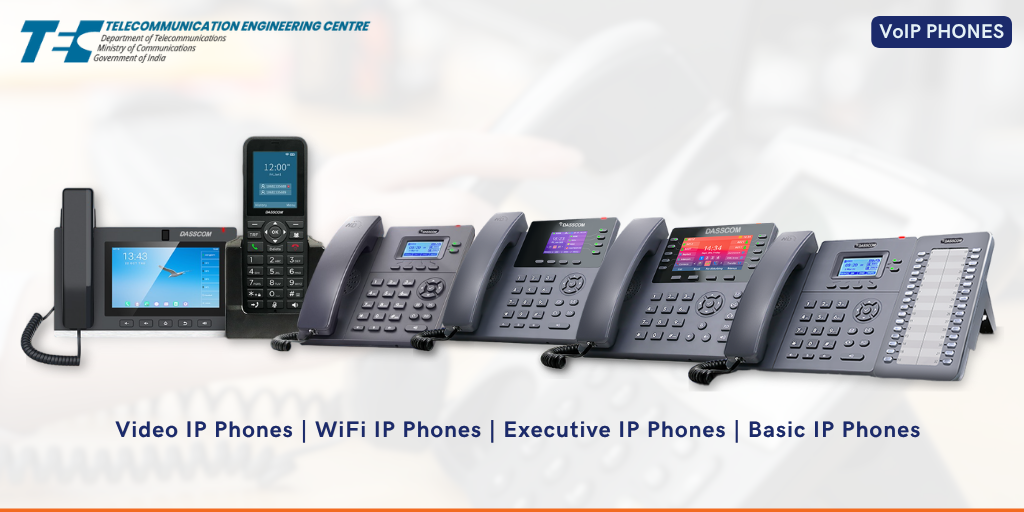
Frequently Asked Questions (FAQs)

1.What does an ethernet switch do?
An ethernet switch connects devices within a network and intelligently forwards data to the correct destination.
A poe ethernet switch supplies both power and data through Ethernet cables, while non-PoE switches transmit only data
An industrial ethernet switch is used in factories, warehouses, transportation systems, and other harsh environments.
Yes, an 8 port ethernet switch is ideal for SMBs and compact network deployments.
A 24 port ethernet switch supports larger networks with multiple IP devices and scalable infrastructure needs.
The ethernet switch price depends on port count, PoE support, management features, and industrial-grade capabilities.
The most common ethernet switch types include unmanaged, managed, PoE, and industrial switches.

Managed Network Switches: Features, Benefits, and Business Advantages

Managed Network Switches: Features, Benefits, and Business Advantages

Managed Network Switches: Features, Benefits, and Business Advantages

Discover how managed network switches improve business connectivity, security, scalability, and performance. Learn about key features, enterprise applications, PoE capabilities, and why businesses are upgrading to intelligent switching infrastructure.

fffs

Modern businesses rely heavily on uninterrupted connectivity. From IP phones and surveillance systems to cloud applications and wireless access points, every connected device depends on a stable and intelligent network infrastructure. At the center of this infrastructure lies the managed network switch—a critical component that enables organizations to control, monitor, and optimize network traffic efficiently.
As digital transformation accelerates in 2026, businesses are increasingly shifting toward advanced switching solutions that provide better scalability, security, and operational control. Unlike basic plug-and-play devices, managed network switches offer intelligent configuration capabilities that help organizations build faster, safer, and more reliable networks.
This guide explores the major features, benefits, and business advantages of managed switching technology and explains why enterprises continue investing in smarter networking infrastructure.

What Is a Managed Network Switch?

A managed network switch is an advanced networking device that allows administrators to configure, monitor, and optimize data traffic across connected devices. Unlike unmanaged switches that operate automatically without user control, managed switches provide visibility into network performance and enable precise traffic management.
Modern businesses deploy managed network switches to support high-bandwidth applications, improve cybersecurity, and maintain stable communication across offices, campuses, warehouses, and industrial environments.
These switches form the backbone of enterprise communication systems by ensuring that voice, video, and data traffic move efficiently throughout the network.

Why Businesses Prefer Managed Network Switches

As organizations adopt cloud platforms, hybrid work environments, and IoT devices, network complexity continues to grow. This is one of the biggest reasons businesses are replacing conventional networking hardware with intelligent managed ethernet switches.
A managed switch gives IT teams greater control over how traffic flows through the network. Critical applications such as VoIP calls, surveillance feeds, and video conferencing can be prioritized to ensure stable performance during peak usage periods

For businesses that rely on uninterrupted connectivity, modern business network switches provide operational flexibility that unmanaged devices simply cannot match.

Contact Sales

Key Features of Managed Ethernet Switches

One of the biggest advantages of managed ethernet switches is their ability to provide advanced traffic control and monitoring capabilities. Features commonly found in enterprise-grade switches include VLAN segmentation, Quality of Service (QoS), port mirroring, SNMP monitoring, link aggregation, and access control policies. These capabilities allow organizations to optimize bandwidth allocation while improving overall network reliability.
One of the biggest advantages of A modern managed switch also supports remote management, enabling IT administrators to configure and troubleshoot devices from centralized dashboards instead of physically accessing the hardware.
Another important feature is traffic prioritization. For example, voice communication systems and surveillance networks require low latency and uninterrupted connectivity. Managed switching infrastructure ensures these critical services receive network priority.

The Growing Demand for 24 Port PoE Network Switch Solutions

Businesses today are deploying more IP-based devices than ever before. This has significantly increased the demand for the 24 port poe network switch, which combines high-density connectivity with Power over Ethernet functionality.

A 24 port poe network switch allows organizations to connect and power multiple devices such as:

By transmitting both power and data over a single Ethernet cable, these switches reduce infrastructure complexity and installation costs.
Large offices, campuses, hotels, and surveillance environments commonly deploy 24 port poe network switch solutions because they simplify cabling while improving scalability.
Request a Demo

Enterprise Managed Switches and Network Scalability

As organizations expand, scalability becomes a major consideration. Enterprise managed switches are specifically designed to support growing infrastructures while maintaining performance and reliability.
A well-designed switching architecture allows businesses to

Modern enterprise managed switches also support fiber uplinks, redundancy protocols, and advanced security frameworks that help businesses maintain long-term operational stability.

For enterprises running multiple departments or branch offices, managed switching infrastructure becomes essential for maintaining centralized control.

Managed Switch Benefits for Business Operations

There are several important managed switch benefits that directly impact business efficiency and communication reliability. One of the most significant advantages is network visibility. Administrators can monitor bandwidth usage, detect bottlenecks, and identify suspicious activity before it impacts operations.
Another major advantage is improved security. A managed network switch allows businesses to isolate departments using VLANs and restrict unauthorized access using port security and ACL policies.
Additionally, managed switching improves uptime. By prioritizing essential traffic and optimizing network paths, organizations experience fewer interruptions and better overall performance
For businesses relying on real-time communication, the managed switch benefits extend to improved VoIP call quality, smoother video conferencing, and uninterrupted surveillance streaming.

Managed Switches in Smart Business Environments

Modern smart offices and intelligent facilities depend heavily on connected infrastructure. This is where business network switches play a vital role.
Today’s business environments integrate:

A high-performance managed switch ensures all these systems operate efficiently without network congestion.
Many organizations now deploy managed ethernet switches as part of their broader digital transformation strategy because they provide better control over increasingly complex networks.

Find a Dealer

Security Advantages of Managed Switching

Cybersecurity remains a growing concern for businesses of all sizes. One of the strongest reasons organizations choose managed network switches is their advanced security capabilities.
Managed switches support:
These features help reduce unauthorized access and improve overall network protection. Compared to unmanaged devices, enterprise managed switches provide significantly stronger security and visibility across connected environments

Why PoE Switching Matters in Modern Networks

The rise of IP-enabled devices has made PoE technology increasingly important. A 24 port poe network switch enables businesses to deploy devices in locations where electrical outlets may not be available. This flexibility simplifies installations and reduces deployment costs while supporting scalable infrastructure growth.
Organizations commonly use PoE-enabled managed ethernet switches for:
As more devices become network-powered, PoE switching will continue to grow in importance.

Choosing the Right Managed Switch

Selecting the right managed network switch depends on several factors, including:
Smaller offices may deploy compact business network switches, while enterprises often require large-scale enterprise managed switches with advanced redundancy and monitoring capabilities. A reliable switching infrastructure should support both current operations and future growth.

Future Trends in Managed Networking

The future of networking is increasingly intelligent and automated. Emerging technologies are transforming how managed network switches operate.
Key trends include:
As digital transformation accelerates, the demand for advanced managed ethernet switches will continue growing across industries.

Final Thoughts

Managed network switches have become essential for businesses seeking secure, scalable, and high-performance connectivity. From improving traffic control and cybersecurity to supporting PoE-powered devices and enterprise expansion, managed switching infrastructure delivers significant operational advantages. Organizations investing in intelligent networking solutions today will be better prepared for future communication, automation, and digital transformation demands.

If you want your business to have an efficient communication system, you must invest in quality VoIP phones. Remember that the communication aspect of your business is very sensitive and equally important. The more you streamline it, the better results you will get. Dasscom’s VoIP phones are your way to achieve flawless operations.

types of call center

DS-15H

15 watt Horn speaker Support SIP IP 65 Rating Support BGM and announcement

DS-10C

10 watt Ceiling Speaker Support SIP PoE enabled Support BGM & announcement

DS-15W

15 watt wall-mount speaker Support SIP PoE enabled Support BGM and announcement

DXP-7200N

4 SIP Account PoE phone Colour Screen HD Voice

DS-30ECL

1.Built-in 30W amplifier, 2.Class D Amplifier

DW-100

DW-100

2 SIP accounts Wi-fi Support Cordless Phone

Quick summary

See how Nextiva transforms the sales and support team productivity.
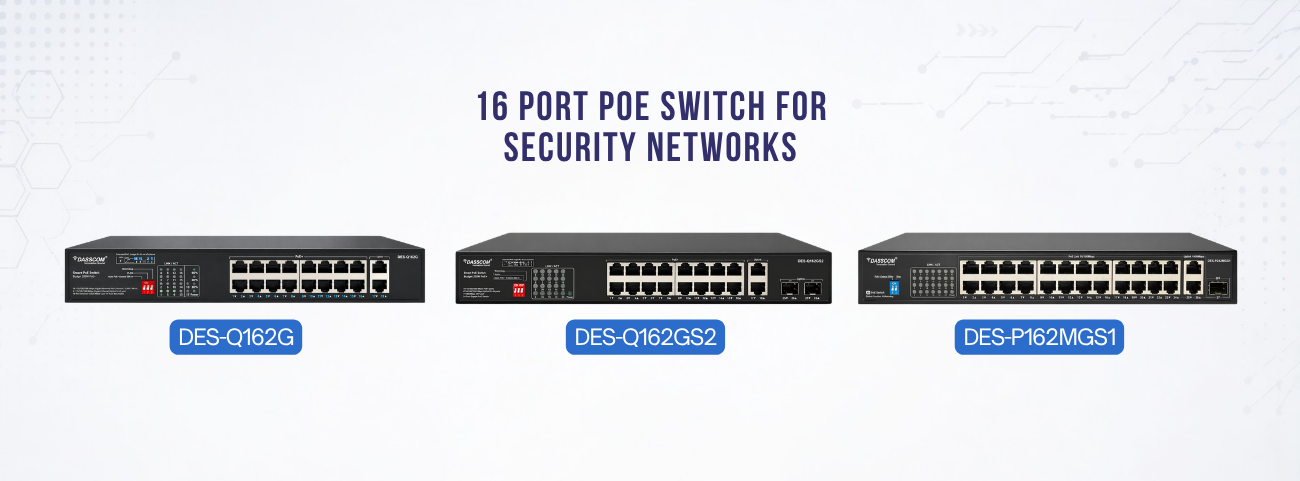
Frequently Asked Questions (FAQs)

1. What is a managed network switch?
A managed network switch is an advanced switch that allows administrators to configure, monitor, and optimize network traffic.
Managed network switches improve security, traffic management, scalability, and overall network reliability.
Important managed switch benefits include traffic prioritization, VLAN support, improved security, and better network visibility.
A 24 port poe network switch supports multiple IP devices while simplifying installation through Power over Ethernet technology.
A managed switch offers configuration and monitoring capabilities, while unmanaged switches operate automatically without user control.
Yes, managed ethernet switches are widely used in enterprise networks because they provide advanced scalability and security.
Enterprise managed switches are used in large-scale networks requiring centralized control, high performance, and advanced traffic management.

Why do businesses prefer VoIP phones?

Why do businesses prefer VoIP phones?

Why do businesses prefer VoIP phones?

IP phone technology has revolutionized the way businesses communicate. The internet-based telephony system boosts efficiency and productivity at work as it accelerates communication between internal and external resources. The technology sends voice over the internet, in the form of small packets, just like emails lowering the overall cost of the communication function while adding to productivity. The tech further facilitates remote working and offers reliability and accessibility, making VoIP phones a preferred choice of businesses all over the world.

fffs

IP phone technology has revolutionized the way businesses communicate. The internet-based telephony system boosts efficiency and productivity at work as it accelerates communication between internal and external resources. The technology sends voice over the internet, in the form of small packets, just like emails lowering the overall cost of the communication function while adding to productivity. The tech further facilitates remote working and offers reliability and accessibility, making VoIP phones a preferred choice of businesses all over the world.

Advantages of IP phones:

Flexibility & Scalability

IP Phones eliminate the need for extensions and physical wires/lines saving a lot of expenses. The technology offers great flexibility and scalability as it works on the internet and can easily facilitate several numbers and extensions over one single computer.

Cost-effectiveness

Another reason why IP phones are a popular choice among businesses is their cost-effectiveness. Because the calls are transmitted over the internet, placing calls locally or globally is cheaper than analog phones. Whether you are into active sales or after-sales service, expenditure on calling is a significant consideration for every business.

Improved audio quality

Audio quality is of great importance as it defines the clarity of the message sent over the call. If the receiver is not able to receive the message, the essence of the communication is lost. With IP phones the data is transmitted over the internet in the form of small packets which is a safe, quick, and reliable process. The data packets are then again converted into audio at the receiver’s end. The audio quality is maintained and brings in the benefits of clear and smooth communication.

Wireless configuration

IP phones are connected to the internet and hence the need for separate wiring like in the analog phone is eliminated. The benefit of a wireless telephony system is that it offers more mobility to the users.

Application Integration

VoIP phone extends great application integration features. Business owners can integrate several tools and software including directory, presence sharing, softphones, instant messaging, video calling, call forwarding/recording, and more.

Easy to upgrade

IP phones are connected to the interna

IP technology is very easy to upgrade and use with any advancement. The system operates on an IP platform and the upgrades are easily provided by the supplier or easily available on the internet, free of cost.

et and hence the need for separate wiring like in the analog phone is eliminated. The benefit of a wireless telephony system is that it offers more mobility to the users.

Enhanced customer service and productivity

IP Phones have become one of the leading contributors to business productivity and enhanced customer service. This is because it has significantly improved the call quality, minimized call placing duration, and connected the internal and external stakeholders of a business seamlessly. The communication process has become extremely smooth and valuable.

If you want your business to have an efficient communication system, you must invest in quality VoIP phones. Remember that the communication aspect of your business is very sensitive and equally important. The more you streamline it, the better results you will get. Dasscom’s VoIP phones are your way to achieve flawless operations.

types of call center

DS-15H

15 watt Horn speaker Support SIP IP 65 Rating Support BGM and announcement

DS-10C

10 watt Ceiling Speaker Support SIP PoE enabled Support BGM & announcement

DS-15W

15 watt wall-mount speaker Support SIP PoE enabled Support BGM and announcement

DXP-7200N

4 SIP Account PoE phone Colour Screen HD Voice

DS-30ECL

1.Built-in 30W amplifier, 2.Class D Amplifier

DW-100

DW-100

2 SIP accounts Wi-fi Support Cordless Phone

Quick summary

See how Nextiva transforms the sales and support team productivity.
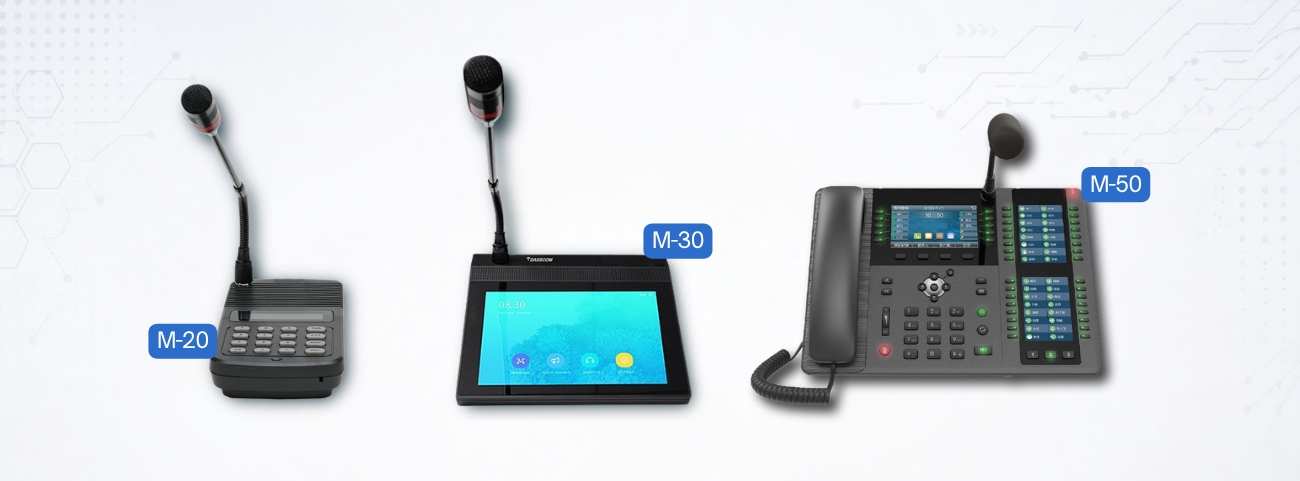
Call Center Software FAQs

1. Why are VoIP phones becoming more popular than traditional phone systems for businesses?
VoIP phones are gaining popularity because they offer greater flexibility, scalability, and cost efficiency compared to traditional PBX systems. Businesses can make and receive calls over the internet without expensive physical infrastructure, while also enabling features like remote access, multi-location connectivity, and easy system expansion. VoIP also integrates seamlessly with modern business tools, making it a future-ready communication solution.
Businesses typically save 30–60% on communication costs after switching to VoIP phones. Savings come from lower call charges (especially long-distance and international), reduced hardware and maintenance costs, and the elimination of separate voice and data networks. Cloud-based VoIP models also reduce upfront investments, making them ideal for growing organizations.
VoIP phones support features such as call forwarding, softphone apps, voicemail-to-email, video calling, and multi-device access. These capabilities allow employees to stay connected from anywhere, ensuring seamless collaboration for remote and hybrid teams. Centralized management and real-time call analytics further help businesses monitor performance and optimize workflows.
Modern VoIP systems use HD voice codecs, intelligent traffic prioritization (QoS), and redundancy mechanisms to deliver clear and stable calls. Unlike legacy systems, VoIP can dynamically adapt to network conditions, ensuring minimal call drops and improved reliability. With the right network setup, businesses experience consistently high-quality communication.
VoIP adoption is accelerating due to AI-driven features like call analytics, voice assistants, automated call routing, and real-time transcription. Integration with CRM platforms enables businesses to track customer interactions, improve response times, and personalize communication. These innovations are transforming VoIP into a strategic business tool rather than just a calling system.

Key considerations when buying an IP Phone in Delhi

Key considerations when buying an IP Phone in Delhi

Key considerations when buying an IP Phone in Delhi

IP Phones are an asset to businesses that contribute largely to their productivity. Making communication flawless, these devices connect remote teams and eliminate any chance of slow or missed communication. Moreover, the scalability, flexibility, portability, and cost-effectiveness that IP phone offers, leapfrog traditional mobile phones in several ways.

fffs

IP Phones are an asset to businesses that contribute largely to their productivity. Making communication flawless, these devices connect remote teams and eliminate any chance of slow or missed communication. Moreover, the scalability, flexibility, portability, and cost-effectiveness that IP phone offers, leapfrog traditional mobile phones in several ways.

Choosing the right IP phone is the key to making the best of this modern device. Because Delhi is the manufacturer’s capital, the best IP Phones providers can be found here. But, what should you look for when buying an IP phone in Delhi for your business?

Audio quality:

Noise cancellation is crucial for effective business communication in all environments. The IP Phone must offer premium audio quality ensuring the message is sent clearly to the recipient. Acoustic echo and background noise cancellation must be a core feature of the IP Phone to bring finesse to your communication.

Lines requirements:

A basic feature of IP phones that you must check is available lines which indicate how many calls the user of the phone will be able to handle at one time. This number depends on the job profile of the users. For example, a regular employee would need a maximum of 2 or 3 lines whereas a receptionist or a BPO rep would need more than 5 lines.

Product configuration:

A variety of products are available in Delhi and one must choose according to the need and features offered. Wireless, LED screens, various function screens, and compatibility with open application platforms, are a few key configurations that will help you select the most suitable IP phone for your offices in Delhi.

Quality:

You must focus on the quality of components and build. The hardware finesse and the quality of the internal parts of the machine directly indicate the longevity of the IP phone. It must be able to withstand different environmental conditions as well as offer high-use portability.

Price:

Price is an important consideration. Factor the cost of repairs and maintenance when fixing a budget. Also, check and compare different IP phones to buy the best product at the right price.

After-sales service:

The last but very important consideration is the after-sales service offered by the manufacturer or distributor. The manufacturer’s commitment to after-sales support is essential to ensure the best returns from your investment.

Your quest for the best IP phone in Delhi would bring you the best results when you consider the above-mentioned points when making the purchase. VoIP technology is the best way to hold secure, uninterrupted, and swift business communication. With the right IP phone, you can seamlessly establish your communication network and connect with your internal and external stakeholders anytime, anywhere.

types of call center

DS-15H

15 watt Horn speaker Support SIP IP 65 Rating Support BGM and announcement

DS-10C

10 watt Ceiling Speaker Support SIP PoE enabled Support BGM & announcement

DS-15W

15 watt wall-mount speaker Support SIP PoE enabled Support BGM and announcement

DXP-7200N

4 SIP Account PoE phone Colour Screen HD Voice

DS-30ECL

1.Built-in 30W amplifier, 2.Class D Amplifier

DW-100

DW-100

2 SIP accounts Wi-fi Support Cordless Phone

Quick summary

See how Nextiva transforms the sales and support team productivity.
Call Center Software FAQs

1. What are the most important features to look for in an IP phone for office use?
When choosing an IP phone for office use, prioritize features that enhance productivity and user experience. Essential features include multiple SIP account support, HD voice quality, intuitive color or monochrome displays, programmable keys for quick access, PoE support for simplified cabling, and strong compatibility with your existing phone system. Additional benefits like Bluetooth or headset support and secure communication protocols further improve usability.
Compatibility is crucial because it determines how well your new IP phones integrate with your current network and communication setup. Ensure the IP phone works seamlessly with your IP PBX system, VoIP service provider, and unified communication platforms. Phones that support standard SIP protocols and broad interoperability help avoid additional configuration costs and deployment delays.
The choice between wired and wireless IP phones depends on your office environment and usage patterns. Wired IP phones offer reliable, uninterrupted connectivity—ideal for desk-centric roles and high-call-volume teams. Wireless IP phones add mobility and flexibility for staff who move around frequently or work in dynamic spaces. Many offices implement a mix of both to balance stability and flexibility.
Audio quality directly impacts clarity, understanding, and professionalism in communication. High-definition audio reduces miscommunication, supports smoother conference calls, and enhances customer interactions. Choosing IP phones with HD speakers and noise-cancelling microphones ensures that both internal conversations and client calls are clear and productive.
When purchasing IP phones in Delhi, look for robust warranty and support services. Essential options include manufacturer warranty coverage, local service and replacement support, firmware updates, and responsive technical assistance. These services protect your investment, minimize downtime, and ensure long-term reliability—especially for mission-critical business communication systems.

Why you should choose PRI Gateway for your business?

Why you should choose PRI Gateway for your business?

Why you should choose PRI Gateway for your business?

To create the ideal communication system for your organization, selecting a phone system is essential. Thanks to technological improvements, organizations can pick from a wide variety of the latest, cost-effective and efficient IP-based solutions. But most of the existing systems are analog. This issue can be resolved with the help of the PRI Gateway which converts an analog signal to an IP signal.

fffs

To create the ideal communication system for your organization, selecting a phone system is essential. Thanks to technological improvements, organizations can pick from a wide variety of the latest, cost-effective and efficient IP-based solutions. But most of the existing systems are analog. This issue can be resolved with the help of the PRI Gateway which converts an analog signal to an IP signal.

A lot of small, medium, and large enterprises with existing systems have PRI lines. As a business owner if you wish to move to IP based communication then revamping the whole system is not required. With the help of PRI Gateways, you can easily adapt to IP systems.

Characteristics of the PRI network

It is essential to be familiar with these communication systems’ features before trying to comprehend how they operate. A PRI system’s salient characteristics are:

  • To bridge the provider and the user, lines are comprised of two pairs of copper wires.
  • With one telephone line, 32 B channels are possible. And doing so makes it possible for enterprises to use many telephone numbers and extensions over a single connection.
  • 64 kbps of data can be transmitted across each channel.
  • It may operate with an IP PBX system as well as connect two PBX systems, or private branch exchange arrangements.

Benefits of using PRI

A PRI Gateway has several advantages for enterprises. The goals you have for your corporate communication system will determine whether or not you require this system. Let’s examine how PRI systems improve commercial communication:

Extensions and DID numbers

Direct internal dialing (DID) or direct numbers implies that callers from outside the area code can use this number to speak with a contact directly. Similar to numbers, extensions allow callers to directly reach a certain person or department by adding a second code to the number.

You do not require additional lines for every number or extension when using PRI, SIP trunking, or virtual phone systems. Almost 32 conversations can be carried out concurrently on a single line with PRI. This means that the system can support up to 32 users at the same time.

types of call center

DS-15H

15 watt Horn speaker Support SIP IP 65 Rating Support BGM and announcement

DS-10C

10 watt Ceiling Speaker Support SIP PoE enabled Support BGM & announcement

DS-15W

15 watt wall-mount speaker Support SIP PoE enabled Support BGM and announcement

DXP-7200N

4 SIP Account PoE phone Colour Screen HD Voice

DS-30ECL

1.Built-in 30W amplifier, 2.Class D Amplifier

DW-100

DW-100

2 SIP accounts Wi-fi Support Cordless Phone

Quick summary

See how Nextiva transforms the sales and support team productivity.
Call Center Software FAQs

1. What is a PRI Gateway and how does it differ from standard VoIP gateways?
A PRI (Primary Rate Interface) Gateway bridges traditional telecom networks with digital voice systems by converting PRI T1/E1 lines into VoIP traffic. Unlike standard VoIP gateways that primarily handle analog or SIP-based lines, a PRI Gateway specifically supports digital PRI interfaces, enabling businesses to leverage existing telecom infrastructure while transitioning to IP-based communication. This makes it ideal for enterprises with high call volumes or legacy telephony requirements.
A PRI Gateway enhances efficiency by consolidating voice traffic onto a unified network and reducing reliance on separate legacy telephony systems. It enables faster call setup, better call quality, and centralized management. With intelligent routing, failover capabilities, and seamless integration with IP PBX systems, businesses experience fewer dropped calls, streamlined workflows, and more reliable communications across departments.
PRI Gateways are inherently scalable because they support multiple PRI channels and can integrate with IP-based systems that scale easily. As business call traffic grows, organizations can add channels or integrate additional voice resources without overhauling the entire infrastructure. This modular scalability supports higher capacity, simplified expansion, and future-ready communication architecture.
By consolidating legacy circuits with VoIP infrastructure, a PRI Gateway reduces long-term telecom costs, lowers monthly trunking fees, and decreases hardware complexity. Maintenance becomes simpler because IT teams manage fewer disparate systems. Additionally, companies can avoid expensive hardware replacements by reusing existing PRI resources alongside modern VoIP deployments.
PRI Gateway integration enhances call routing by enabling intelligent routing policies, least-cost path selection, and redundancy mechanisms. Calls can be directed through the most efficient path—whether via legacy PRI trunks or VoIP—improving performance and reducing latency. This results in faster call handling, better voice quality, and consistent network performance even during peak usage.

How to take care of call center headphones?

How to take care of call center headphones?

How to take care of call center headphones?

Wired or wireless headsets are considerably delicate pieces of the device that can crack easily as they are being utilized on a regular basis. Thus when you are considering buying call center headphones in Hyderabad or any other place, you need to be aware of the procedure for taking care of the headsets.

fffs

Wired or wireless headsets are considerably delicate pieces of the device that can crack easily as they are being utilized on a regular basis. Thus when you are considering buying call center headphones in Hyderabad or any other place, you need to be aware of the procedure for taking care of the headsets.

Below are certain suggestions to avoid extreme damage to the headsets:

  1. Clean your headsets daily. Headsets generally get very soiled, so you need to tenderly clean the sweat, and grime off your headphones regularly. If that grime goes through the outer casing of the product, it can hamper the activity of the headset. You can sterilize them only with a damp cloth or wipes without alcohol.
  2. If you are using wired headsets, then you need to take care of the wires. The cord should not be pulled to remove it from the device. You should only remove the equipment precisely from the adapter, otherwise, the wire might get detached from the adapter and the interior cords will wear away. While using the wire must not be bent, which is sometimes done unintentionally and habitually. You must refrain from surrounding wires around the headset while storing it as it will impair the wire and can make the plastic covering around the cords degrade with time.
  3. A cordless headset must not be dropped from a desk. Most of the headsets have delicate and tiny interior contents that can break out, destroying the whole product.
  4. You need to change components every 5 to 6 months. The plastic voice tubes, ear cushions, ear gels, and foam mic screens should be replaced regularly. This will prevent the transmission of germs. If your foam is dry, soiled, or crumbled, then it has to be changed. With time, voice tubes can get ruined, so it is recommended to change them every 8 to 12 months. These tubes can also get blocked, which causes harm to the communication volume.
  5. It is advisable not to use headsets in excessive temperatures. The structure of the headsets will get modified if it gets direct sunlight and stays at +100 degrees F. Again the battery life will get curtailed in excessively cold temperatures. Thus both extremities will have a negative impact on the function of the headsets. You need to keep the headphones away from moisture. If your headphones get exposed to sweat, they may short out some of the electrical elements of the headphones. Cordless headsets are specifically susceptible to this issue.
  6. It is better to keep your headphone on a hook, or in a drawer. You must store your headphone in the same location and keep the wire-free of interference to abate wear and tear.

While using call center headphones in Hyderabad offices or anywhere else, you must abide by the stated measures to take care of your headphones. Your headphones should operate properly as they accelerate the communication procedures of the agents.

types of call center

DS-15H

15 watt Horn speaker Support SIP IP 65 Rating Support BGM and announcement

DS-10C

10 watt Ceiling Speaker Support SIP PoE enabled Support BGM & announcement

DS-15W

15 watt wall-mount speaker Support SIP PoE enabled Support BGM and announcement

DXP-7200N

4 SIP Account PoE phone Colour Screen HD Voice

DS-30ECL

1.Built-in 30W amplifier, 2.Class D Amplifier

DW-100

DW-100

2 SIP accounts Wi-fi Support Cordless Phone

Quick summary

See how Nextiva transforms the sales and support team productivity.
Call Center Software FAQs

1. What are the best practices for cleaning and maintaining call-center headphones?
India is one of the fastest-growing markets for IT services, customer support, and global outsourcing. As businesses scale and serve international clients, clear and efficient conversations become essential for maintaining service quality. Noise-canceling headsets help achieve this by ensuring that every word is heard without distraction, leading to smoother interactions and higher customer satisfaction. For offices looking to grow alongside India’s economic momentum, investing in reliable noise-canceling headsets is no longer a luxury—it’s a necessity for efficiency, professionalism, and long-term success.
  • Passive Noise Cancellation uses physical materials (ear cushions, seals, padding) to block or muffle external noise. It doesn’t rely on electronic components, so no power is needed. Good passive designs effectively reduce mid- to high-frequency noise. 
  • Active Noise Cancellation (ANC), by contrast, uses built-in microphones to capture ambient sounds, then generates anti-phase sound waves to cancel those noises. This is particularly effective against constant low-frequency hums (like air conditioning or traffic rumble).

Many premium headsets combine both: passive isolation plus active cancellation, for more comprehensive noise control.

Yes. Noise-canceling headsets lead to significant improvements in agent performance by:

  • Reducing errors due to misheard conversations.
  • Decreasing time spent asking customers to repeat themselves.
  • Lowering stress, since noise causes strain and fatigue.
  • Enhancing concentration, enabling shorter reaction times and better customer service.

In India, where businesses are growing rapidly and efficient conversations drive success, having a headset with strong noise reduction ensures higher productivity and greater agent satisfaction.

They vary in price, depending on build quality, features, and brand. Basic models with passive noise reduction or entry ANC may be modestly priced, while higher-end models with premium ANC, better materials, and multiple interface options cost more. For Indian markets, noise cancelling headphones with good features (battery life, comfort, brand support) often start from mid-range prices. Investing in a quality headset tends to pay off over time through durability and lower replacement costs.
Noise-canceling headsets can help protect hearing by reducing the perception of background noise. Because ambient noise is lowered (especially by ANC), agents often don’t need to increase the volume as much, which reduces risk of hearing strain. However, they are not a substitute for hearing protection in loud environments. Proper volume management and breaks during long shifts are still essential.

Why you should switch over to IP Phone in your Hyderabad offices?

Why you should switch over to IP Phone in your Hyderabad offices?

Why you should switch over to IP Phone in your Hyderabad offices?

Telephone communication has evolved constantly. Remote offices and need for smooth communication has led to evolution of IP phones. After Bangalore, Hyderabad is also witnessing growth of IT offices and very much in need of IP Phones. If you are looking to switch from analog telephony to IP phone in your Hyderabad offices, you must be aware of the following:

fffs

Telephone communication has evolved constantly. Remote offices and need for smooth communication has led to evolution of IP phones. After Bangalore, Hyderabad is also witnessing growth of IT offices and very much in need of IP Phones. If you are looking to switch from analog telephony to IP phone in your Hyderabad offices, you must be aware of the following:

Economical:

One of the chief reasons for utilizing an IP phone is that it is considerably economical. As the process performs on the internet, the call costs get abated. STD and ISD calls can be done at minimum rates, permitting organizations to cut down on the costs incurred. With businesses, this matters, as thousands of calls are made on the daily basis.

Refined Call Quality:

Information, over the web, is transmitted in the mode of data packets. Likewise, in the case of IP phones, the voice of a caller is conveyed into voice packets and channeled over the web via servers to the called persons. This method intends to enrich the quality of the call, providing users with the advantages of accuracy and uninterrupted communication.

Wireless:

All web services are offered through Ethernet cables which are then linked to a router for furnishing a wireless network. As IP phones operate on the internet protocol, they do not require supplementary cabling like conventional phones. And as it is wireless, it also provides extra conveniences of mobility.

As these kinds of phones are portable, more employers are witnessing the advantages of appointing workers who can perform remotely. In the case of businesses, having workers working from home saves extra costs, allows it to have small office spaces, and makes the workers more constructive.

Application assimilation:

Business owners can connect multiple productivity devices involving softphones, directories, instant messaging, presence sharing, and many more with their IP phones. This again provides the extra benefit of portability to the users. Moreover, synthesizing such devices with a desk phone also permits users to stay in touch with both the outside world and also their office peers through their smartphones every time, everywhere. Furthermore, it streamlines the problems included in multi-location networks through web connectivity.

Adaptable features:

IP phones have various features which make them more intriguing, competent, and productive. Voicemails can be transferred to other three individuals with a single click. These phones also have an interesting aspect where an individual is systematically called on definite numbers unless the phone is attended to or the transfers to voicemail.

Excellent conferences:

Conferencing capacity is typified by the rate of IP phone service. In the case of conventional landline phones, conferencing is sometimes an extra service that demands additional payment. IP phones provide video conferencing and offer crystal clear pictures in comparison to conventional video conferencing procedures.

Technology is evolving rapidly and businesses are expected to run with the same pace. It is necessary for smooth communication between employees and with customers for growth and profit. If you are looking for IP Phones for your Hyderabad offices, then invest in the right brand and company offering maintenance services beyond the sales point.

types of call center

DS-15H

15 watt Horn speaker Support SIP IP 65 Rating Support BGM and announcement

DS-10C

10 watt Ceiling Speaker Support SIP PoE enabled Support BGM & announcement

DS-15W

15 watt wall-mount speaker Support SIP PoE enabled Support BGM and announcement

DXP-7200N

4 SIP Account PoE phone Colour Screen HD Voice

DS-30ECL

1.Built-in 30W amplifier, 2.Class D Amplifier

DW-100

DW-100

2 SIP accounts Wi-fi Support Cordless Phone

Quick summary

See how Nextiva transforms the sales and support team productivity.