Managed vs. Unmanaged Switches: Key Differences Explained

Managed vs. Unmanaged Switches: Key Differences Explained

Managed vs. Unmanaged Switches: Key Differences Explained

Learn the major differences between managed and unmanaged switches, including features, scalability, security, performance, and ideal use cases to help you choose the right networking solution for your business.

fffs

Learn the major differences between managed and unmanaged switches, including features, scalability, security, performance, and ideal use cases to help you choose the right networking solution for your business.
Modern business networks depend on switches to connect devices, transfer data, and ensure reliable communication. Whether you are running a small office, enterprise infrastructure, surveillance setup, or smart building environment, choosing the right switch is critical for performance and scalability.
One of the most common networking decisions businesses face is choosing between managed switches and unmanaged switches. While both perform the essential task of connecting devices, their capabilities, control levels, and ideal applications differ significantly. This guide explains the core differences between managed and unmanaged switches, their advantages, use cases, and how to decide which solution best fits your business requirements in 2026.

What Are Network Switches?

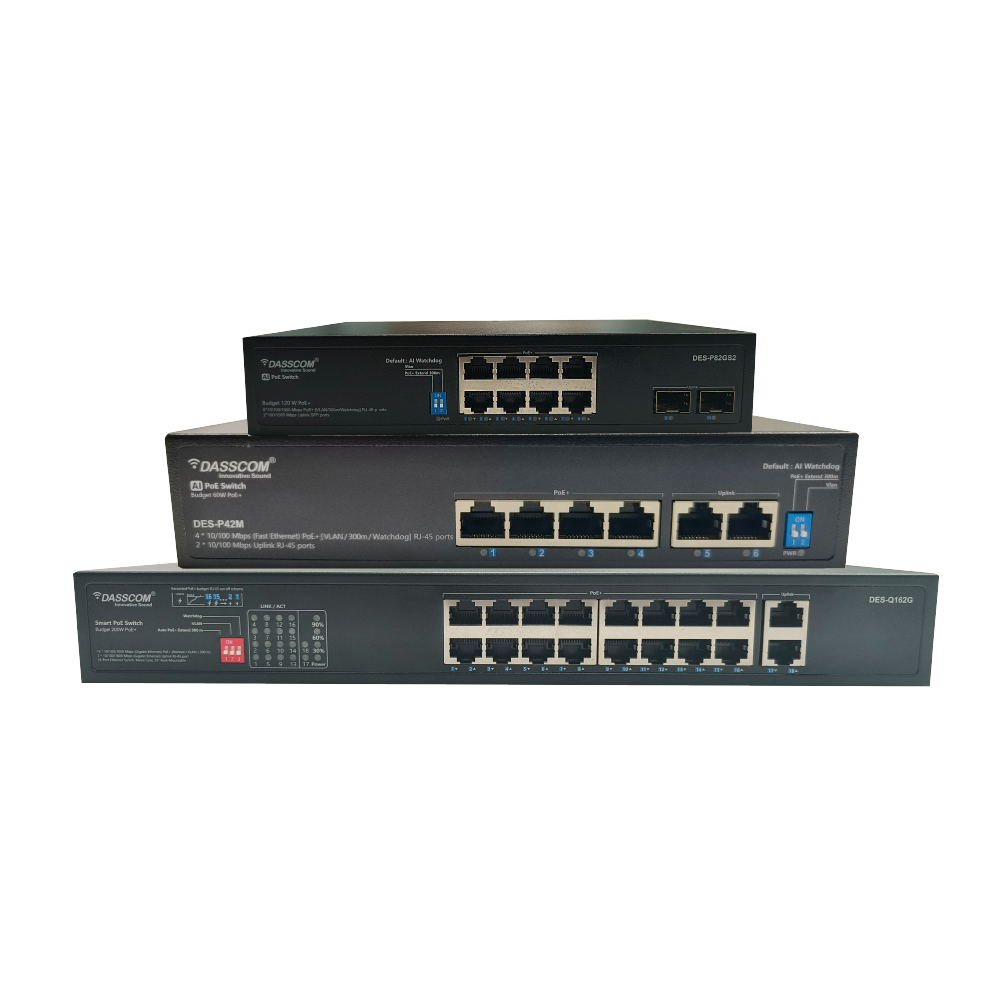
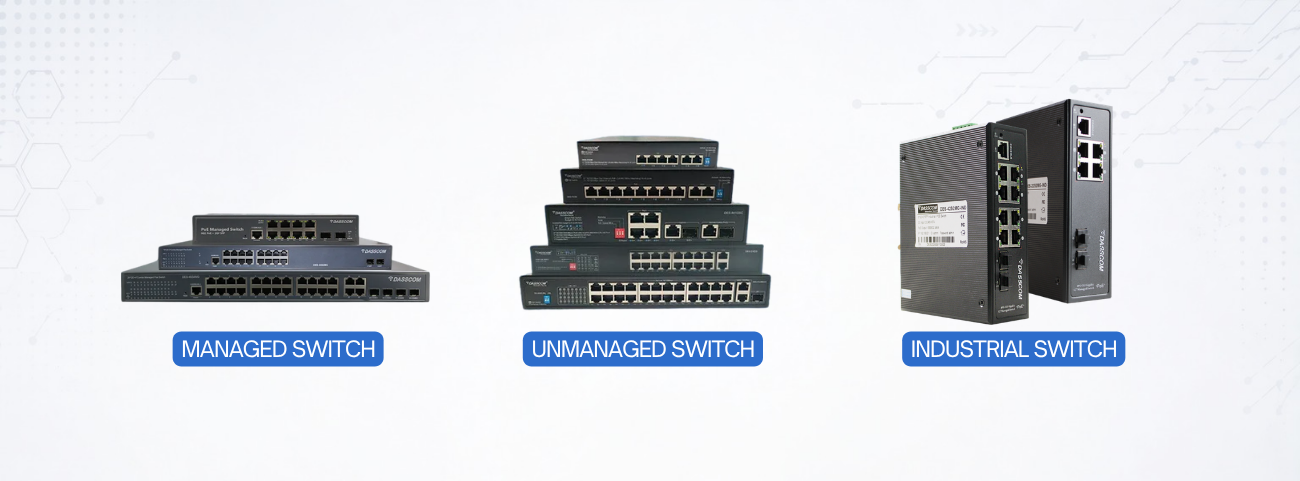
A network switch connects devices such as computers, IP phones, wireless access points, and surveillance cameras within a local network. It intelligently forwards data to the correct destination, improving network efficiency and communication speed. Modern switches are generally divided into two categories:
Understanding the difference between these two types is essential before designing or expanding your network infrastructure.

What Are Unmanaged Switches?

Unmanaged switches are plug-and-play networking devices that require no configuration. Once connected, they automatically begin forwarding traffic between connected devices. An unmanaged network switch is ideal for:
These switches are simple to install and require minimal technical expertise.

What Are Managed Switches?

Managed switches provide advanced control, monitoring, and optimization features. Administrators can configure network traffic, prioritize applications, create VLANs, and monitor performance through web interfaces or command-line tools. A professional managed network switch enables:
These capabilities make managed switches ideal for business-critical environments.
Contact Sales

Managed v Unmanaged Switch: Core Differences

The debate around managed v unmanaged switch solutions typically comes down to control versus simplicity.
FeatureManaged SwitchesUnmanaged Switches
ConfigurationAdvancedNone
MonitoringSupportedNot Available
Security FeaturesAdvancedBasic
VLAN SupportYesLimited/No
CostHigherLower
ScalabilityHighLimited
A managed v unmanaged switch comparison clearly shows that managed solutions offer greater flexibility and long-term scalability.

Performance & Traffic Management

One major difference in the managed v unmanaged switch discussion is traffic optimization. A managed network switch can prioritize critical traffic such as:
This ensures stable performance during heavy network usage. In contrast, an unmanaged network switch forwards traffic without prioritization, which may lead to congestion in busy environments

How to Choose the Right Switch

When comparing managed v unmanaged switch options, consider

If your network supports mission-critical operations, a managed network switch is usually the better choice.

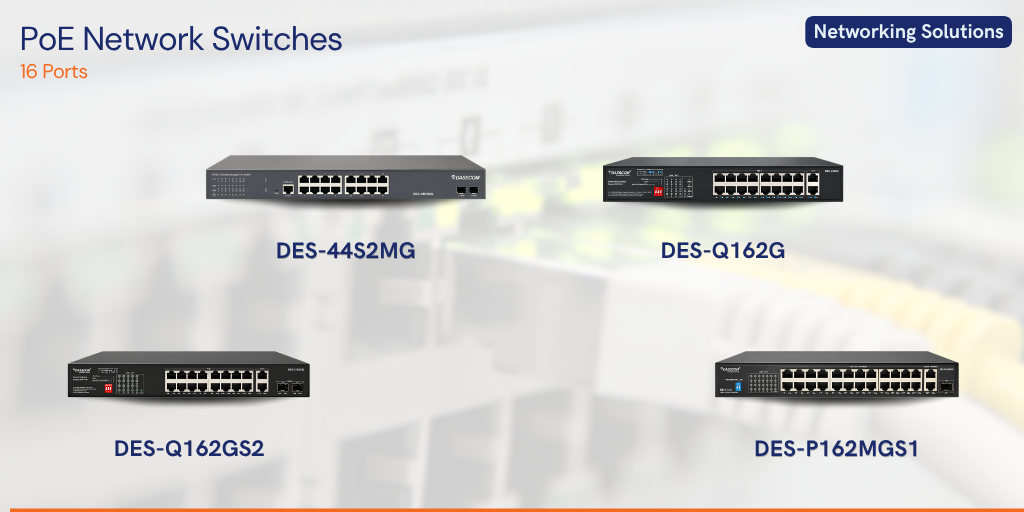
24 Port Managed Switch: Why Businesses Prefer It

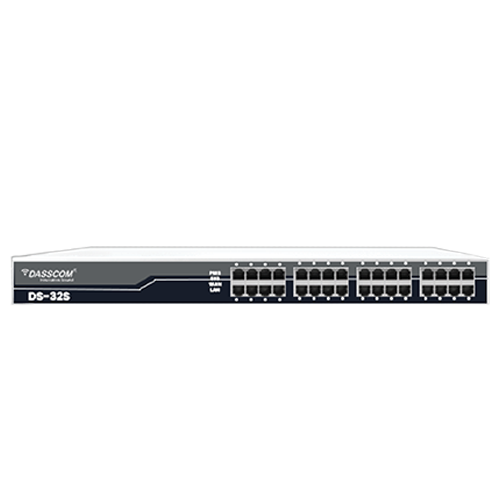
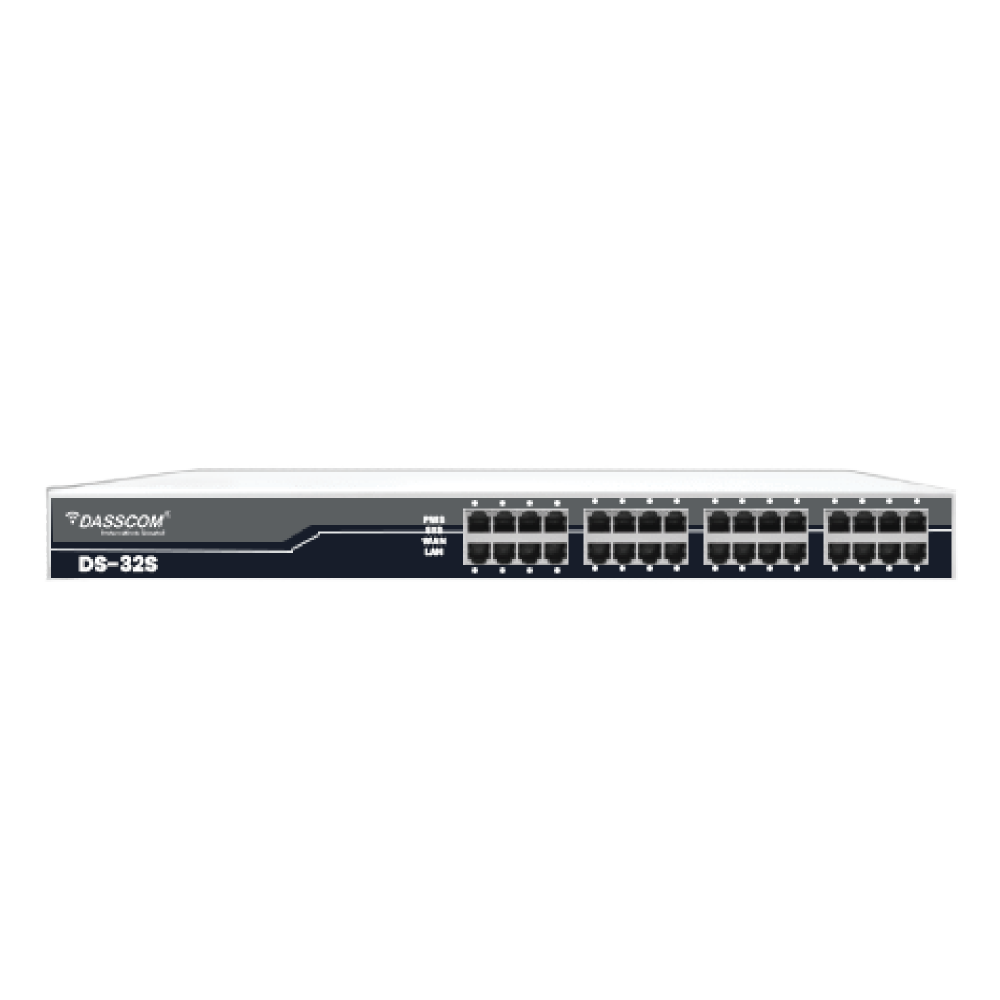
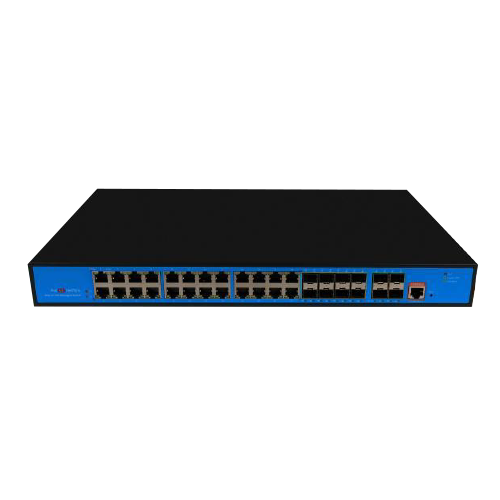
A 24 port managed switch is one of the most widely used solutions in enterprise networking because it balances scalability, performance, and cost efficiency.
Organizations use a 24 port managed switch

Modern enterprises increasingly deploy managed switches because centralized control improves operational efficiency and security.

Request a Demo

PoE Switching: Power & Data Together

Many businesses now use PoE switches to simplify installations by transmitting power and data over a single Ethernet cable.

24 Port PoE Switch

A 24 port poe switch is ideal for:
It supports high-density device connectivity while reducing infrastructure complexity.

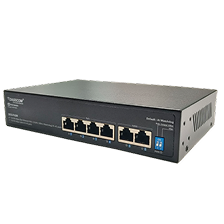
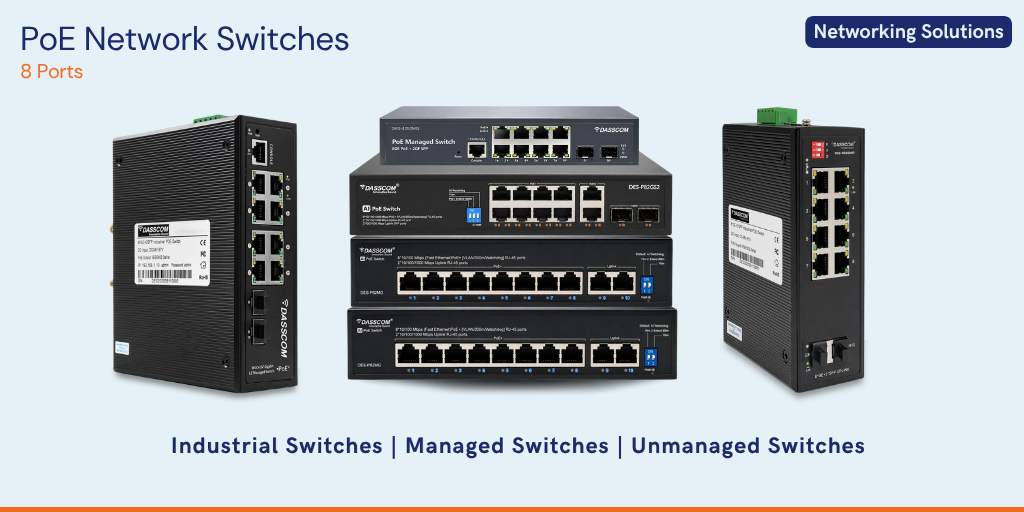
8 Port POE Switch

An 8 port POE switch is better suited for:
For growing businesses, an 8 port POE switch provides flexibility without excessive infrastructure investment.

Security Advantages of Managed Switches

Security is one of the strongest arguments in the managed v unmanaged switch comparison.
A managed network switch supports:
These features help businesses reduce unauthorized access and improve network visibility. An unmanaged network switch, while simpler, lacks advanced security controls.

Scalability & Future Expansion

As organizations grow, network complexity increases. A 24 port managed switch allows businesses to:
This scalability makes managed switches a preferred long-term investment. By comparison, unmanaged switches work best in static environments where growth and advanced management are not priorities.
Find a Dealer

Managed Switches in Enterprise Networks

Large organizations typically deploy managed switches because they provide:
A managed network switch is especially valuable in:

When to Choose Unmanaged Switches

Despite the advantages of managed solutions, unmanaged switchesstill have important use cases. Choose an unmanaged network switch if:
An unmanaged solution is often sufficient for basic connectivity requirements.

Real-World Deployment Examples

Enterprise Office

A 24 port managed switch powers IP phones, surveillance cameras, and access points while managing traffic through VLANs.

Retail Store

An 8 port POE switch supports POS systems, CCTV cameras, and Wi-Fi access points.

Small Branch Office

An unmanaged network switch provides basic connectivity for desktop systems and printers.

Campus Network

Multiple managed switches connect departments while ensuring network segmentation and security.

Future of Network Switching

Modern networking trends are driving greater adoption of managed switches due to:

As businesses continue digitizing operations, intelligent switching infrastructure will become even more important.

Final Thoughts

Choosing between managed and unmanaged switches depends on your network size, security needs, and scalability goals. While unmanaged switches offer simplicity and affordability, managed switches provide greater control, traffic optimization, and long-term flexibility. Businesses planning future growth or deploying IP devices should strongly consider managed switching solutions for improved reliability and network performance.

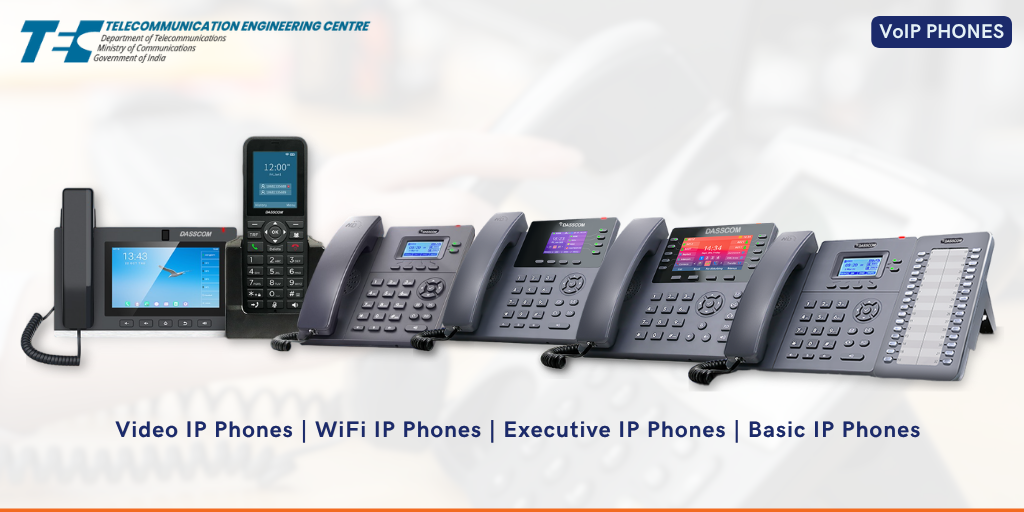
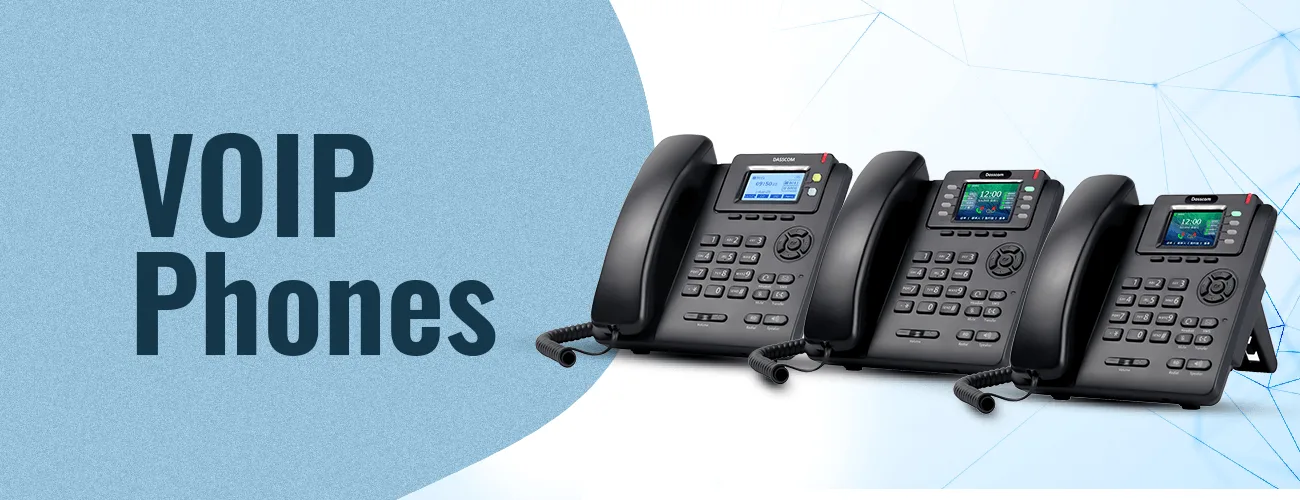
If you want your business to have an efficient communication system, you must invest in quality VoIP phones. Remember that the communication aspect of your business is very sensitive and equally important. The more you streamline it, the better results you will get. Dasscom’s VoIP phones are your way to achieve flawless operations.

types of call center

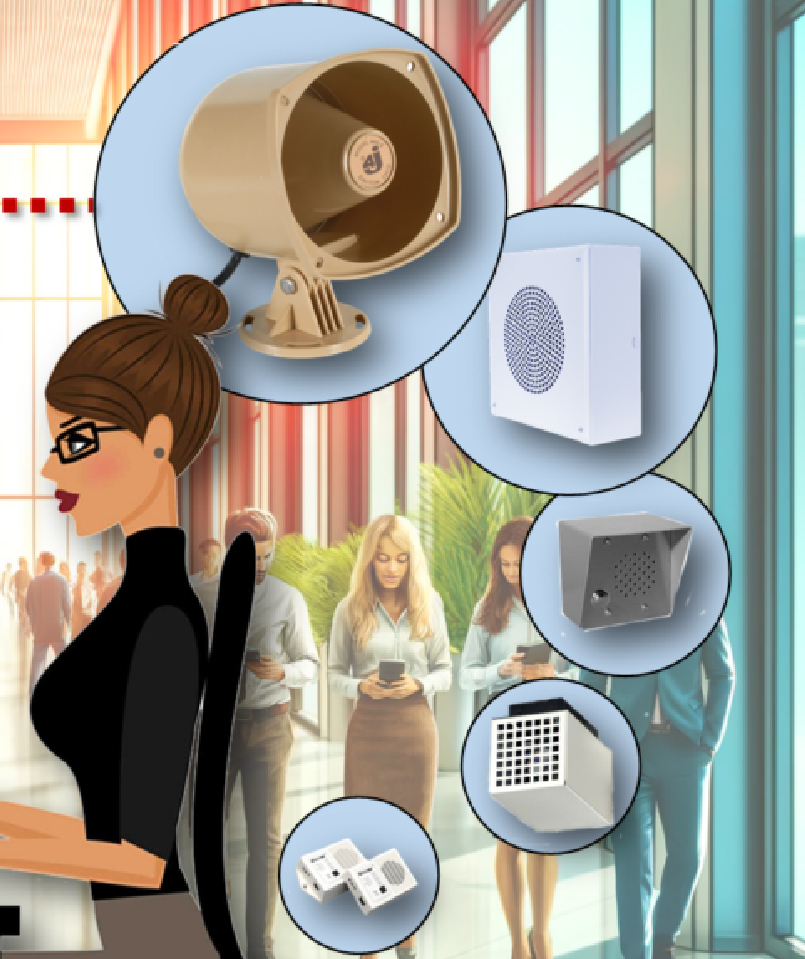
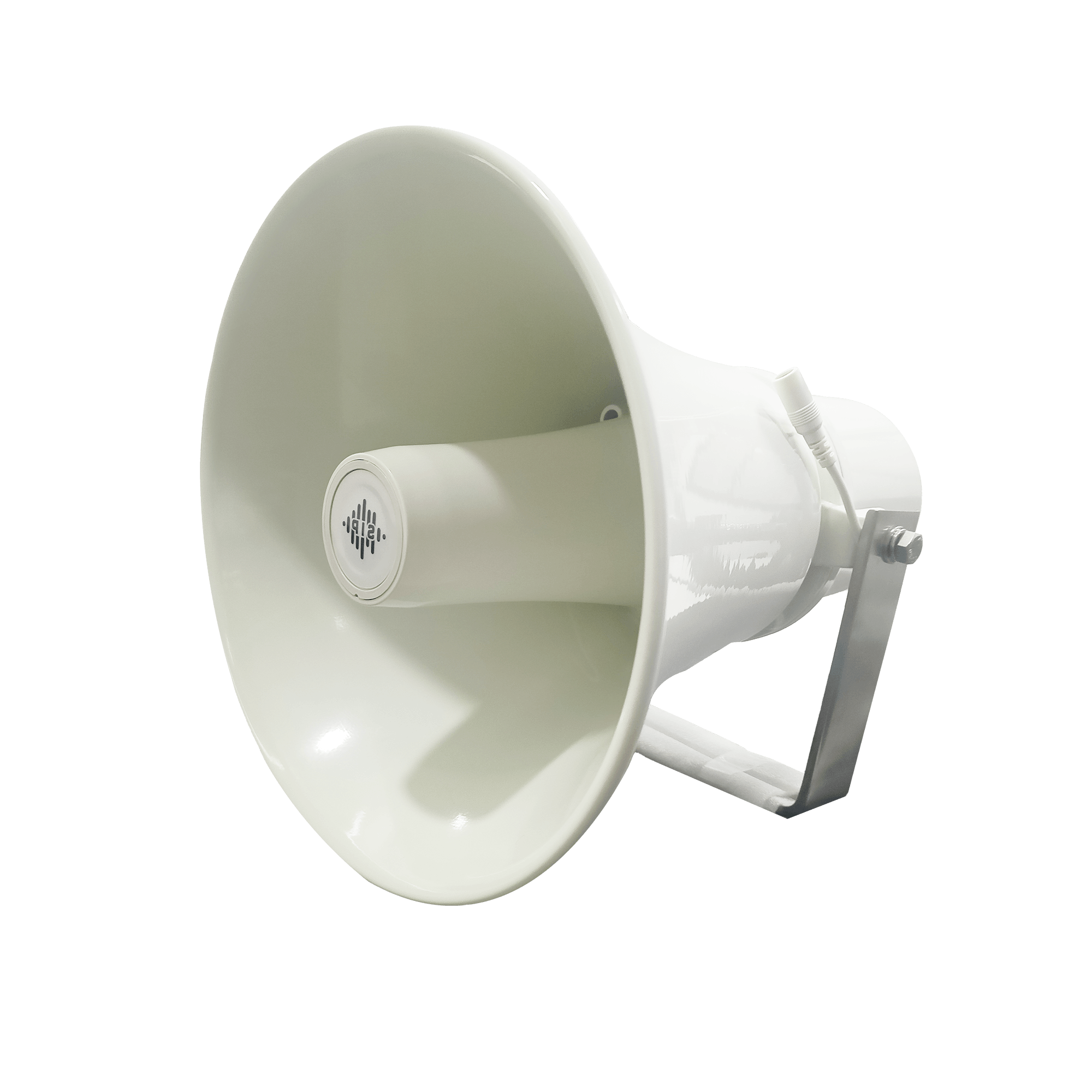
DS-15H

15 watt Horn speaker Support SIP IP 65 Rating Support BGM and announcement
DS-10C

10 watt Ceiling Speaker Support SIP PoE enabled Support BGM & announcement
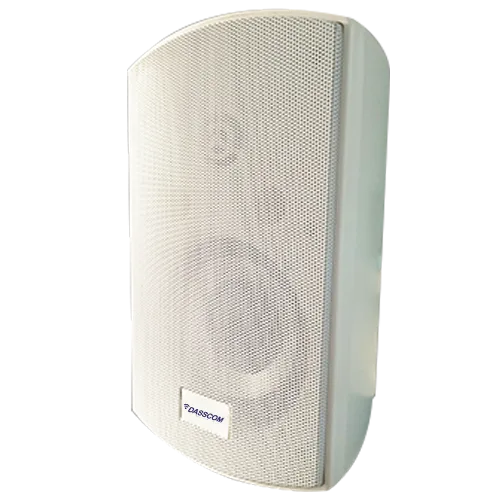
DS-15W

15 watt wall-mount speaker Support SIP PoE enabled Support BGM and announcement
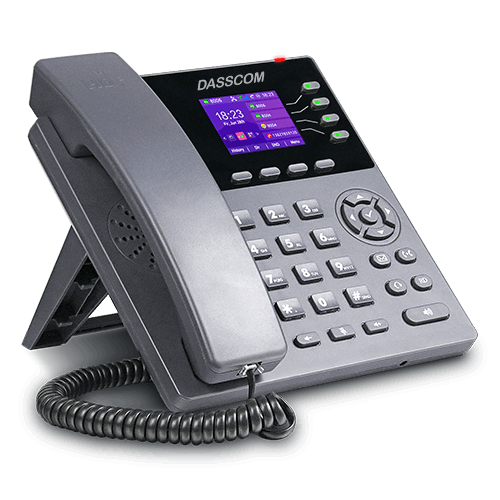
DXP-7200N

4 SIP Account PoE phone Colour Screen HD Voice
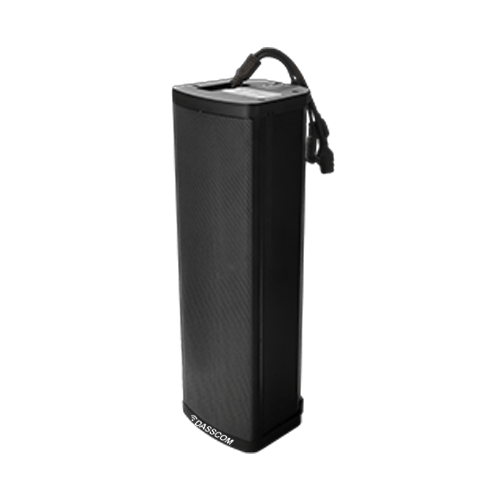
DS-30ECL

1.Built-in 30W amplifier, 2.Class D Amplifier
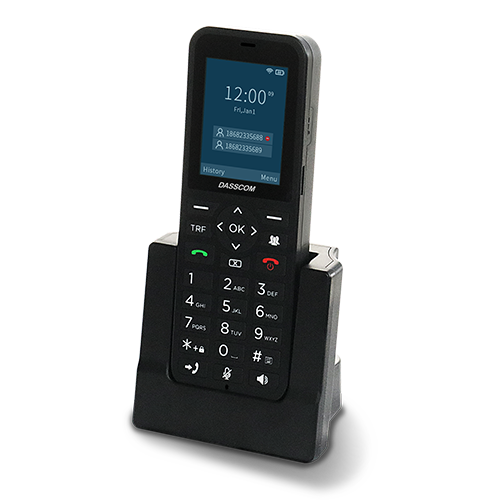
DW-100

DW-100

2 SIP accounts Wi-fi Support Cordless Phone

Quick summary

See how Nextiva transforms the sales and support team productivity.
Frequently Asked Questions (FAQs)

1.What is the difference between managed and unmanaged switches?
The main difference in a managed v unmanaged switch setup is that managed switches allow configuration and monitoring, while unmanaged switches are plug-and-play devices
A 24 port managed switch is ideal for growing businesses requiring scalability, VLANs, and advanced traffic management.
Yes, an unmanaged network switch works well for small offices with basic networking requirements.
A 24 port poe switch can power IP phones, surveillance cameras, wireless access points, and other PoE-enabled devices.
Yes, an 8 port POE switch is suitable for smaller deployments such as retail stores or branch offices.
Managed switches support VLANs, ACLs, and monitoring features that improve network security and control
Yes, unmanaged switches are generally more affordable because they lack advanced configuration features.
headsets

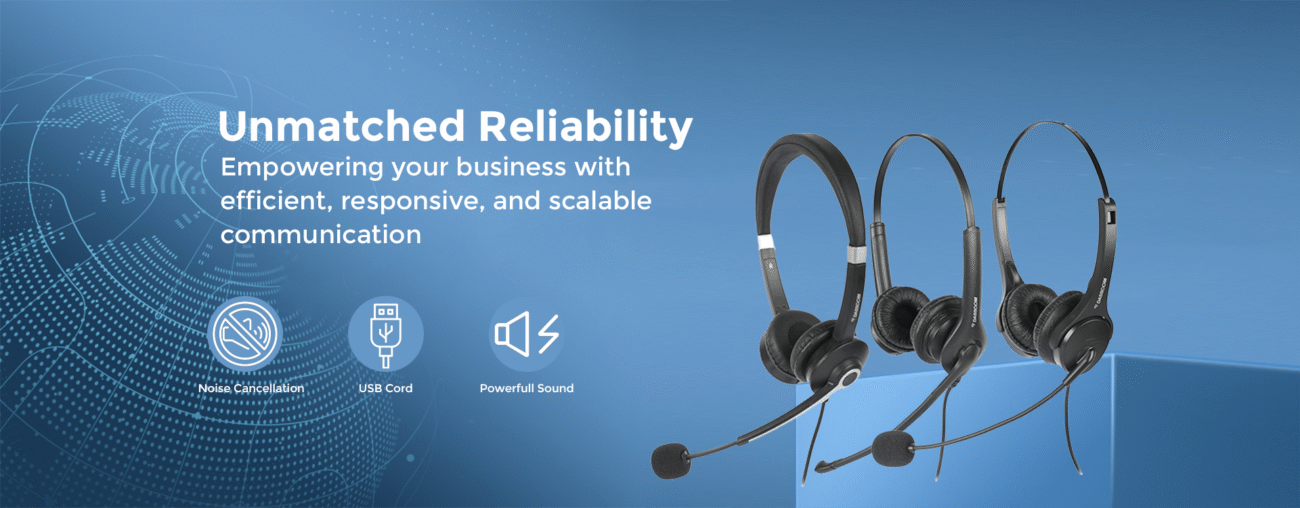
The Best USB Headsets with Microphones: A Complete Guide

The Best USB Headsets with Microphones: A Complete Guide

The Best USB Headsets with Microphones: A Complete Guide

Discover how to choose the best USB headsets with microphones for offices, call centers, and remote work. Learn about noise cancellation, comfort, connectivity, audio quality, and key buying considerations.

fffs

In today’s communication-driven work environment, clear audio is essential. Whether employees are handling customer calls, attending virtual meetings, or collaborating remotely, professional headsets have become a necessity rather than an accessory.
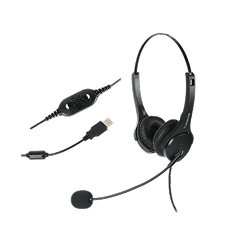
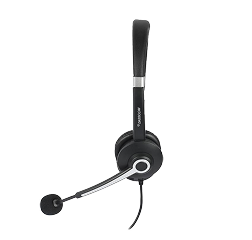
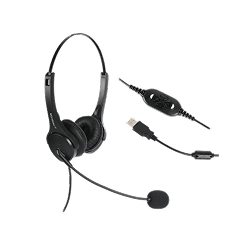
Modern businesses now rely heavily on USB headsets with microphones because they offer plug-and-play simplicity, superior voice clarity, and compatibility with communication platforms like Teams, Zoom, and VoIP systems. From customer support teams to hybrid professionals, choosing the right headset can directly impact productivity, communication quality, and user comfort.
This guide explains everything you need to know about USB headsets, including key features, headset types, buying considerations, and how to choose the best option for your work environment.

Why USB Headsets Are Essential for Modern Workspaces

Traditional audio devices often struggle with compatibility, sound quality, and noise isolation. In contrast, modern USB headphones with mic are designed specifically for professional communication
A quality headset helps:
This is especially important in contact centers and remote work environments where communication quality directly impacts business performance.

What Are USB Headsets with Microphones?

USB headsets with microphones are communication headsets that connect directly to computers, laptops, or compatible devices through USB-A or USB-C ports
Unlike analog audio devices, USB headsets include built-in digital audio processing that improves sound quality and voice transmission. Many modern headsets also feature:
Businesses increasingly prefer USB headphones with mic because they are easy to deploy and require minimal configuration.
Contact Sales

Key Features to Look For

1. Noise Cancellation

One of the most important features in modern headsets is noise cancellation. A professional USB headset with noise cancelling mic filters ambient sounds and focuses on the speaker’s voice.
This significantly improves communication in
A high-quality noise cancelling USB headset enhances both inbound and outbound call clarity.

2. Comfort for Long Usage

Employees often wear headsets for several hours daily. The best headsets include:
The best USB headphones with mic prioritize ergonomic comfort to reduce fatigue during extended use.

3.Audio Quality

Clear audio is critical for meetings and customer conversations. Professional-grade USB headsets with microphones provide:
This ensures smooth communication without distortion or interruptions.

This makes PoE technology one of the most efficient networking innovations for modern business environments.

Request a Demo

Noise Cancelling Technology Explained

A USB headset with noise cancelling mic typically uses directional microphones or digital signal processing to suppress surrounding sounds.
According to audio headset design principles, noise-cancelling microphones focus primarily on the speaker’s voice while minimizing external noise pickup.
Modern noise cancelling headphones with mic USB are especially useful in high-noise environments such as:

Wired vs Wireless USB Headsets

Wired USB Headsets
Wired USB headphones with mic offer:
These are commonly used as USB headphones with mic for call center operations because reliability is critical.

Wireless USB Headsets

A wireless USB headset with mic provides greater mobility and flexibility for users who move frequently during calls.
Modern wireless models now include:

Businesses increasingly adopt wireless USB headset with mic solutions for hybrid work environments. Industry reviews also highlight comfort, ANC, and multi-device support as important decision factors for office headsets.

USB Headsets for Call Centers

Communication quality is critical in customer service operations. Professional USB headphones with mic for call center environments are designed to

Dual-ear noise cancelling USB headset designs are particularly effective in crowded workplaces because they improve focus and listening accuracy.
Find a Dealer

What Makes the Best USB Headphones with Mic?

The best USB headphones with mic balance several factors:

Premium models often include AI-based voice enhancement and advanced ANC technologies. Recent professional headset reviews also emphasize adaptive noise cancellation and intelligent microphone processing for clearer communication.

Choosing the Right Headset for Your Needs

For Call Centers
Choose:
A professional USB headset with noise cancelling mic improves agent productivity and customer experience.
For Hybrid Work: A wireless USB headset with mic offers mobility and flexibility for remote meetings and multitasking.
For Office Environments: A balanced noise cancelling USB headset ensures clear communication without isolating users completely from their surroundings.
Find a Dealer

Why Noise Cancellation Matters

Modern USB headsets with microphones are evolving rapidly. Emerging trends include:

How to Maintain USB Headsets

To maximize headset lifespan:
Proper maintenance improves hygiene, comfort, and long-term audio performance.
Industrial facilities should prioritize ruggedized industrial ethernet switch solutions for reliable operation under harsh conditions.

Final Thoughts

Choosing the right USB headset is essential for clear communication, employee comfort, and productivity. Whether for call centers, offices, or hybrid workspaces, businesses should prioritize noise cancellation, audio clarity, durability, and ergonomic design. Investing in professional USB headsets with microphones ensures better collaboration, improved customer interactions, and long-term communication reliability.

If you want your business to have an efficient communication system, you must invest in quality VoIP phones. Remember that the communication aspect of your business is very sensitive and equally important. The more you streamline it, the better results you will get. Dasscom’s VoIP phones are your way to achieve flawless operations.

types of call center

DS-15H

15 watt Horn speaker Support SIP IP 65 Rating Support BGM and announcement

DS-10C

10 watt Ceiling Speaker Support SIP PoE enabled Support BGM & announcement

DS-15W

15 watt wall-mount speaker Support SIP PoE enabled Support BGM and announcement

DXP-7200N

4 SIP Account PoE phone Colour Screen HD Voice

DS-30ECL

1.Built-in 30W amplifier, 2.Class D Amplifier

DW-100

DW-100

2 SIP accounts Wi-fi Support Cordless Phone

Quick summary

See how Nextiva transforms the sales and support team productivity.
Frequently Asked Questions (FAQs)

1.What are USB headsets with microphones used for?
USB headsets with microphones are used for calls, meetings, customer support, and professional communication across offices and remote work environments.
A noise cancelling USB headset reduces background distractions and improves voice clarity during calls.
Yes, USB headphones with mic for call center environments are specifically designed for continuous communication and noise reduction.
A wireless USB headset with mic offers greater mobility, flexibility, and convenience for hybrid work setups.
The best USB headphones with mic should offer comfort, durability, clear audio, and effective noise cancellation.
Noise cancelling headphones with mic USB filter external sounds and ensure clearer voice transmission.
Yes, modern USB headphones with mic provide improved digital audio processing and easier compatibility with computers and communication platforms.

What Are IP Phones? Complete Beginner’s Guide (2026)

What Are IP Phones? Complete Beginner’s Guide (2026)

What Are IP Phones? Complete Beginner’s Guide (2026)

Learn how IP phones work, their key features, pricing, benefits, and why businesses are shifting toward modern VoIP communication systems for scalable, reliable, and cost-effective office connectivity.

fffs

Business communication has evolved rapidly over the last decade. Traditional landlines and legacy PBX systems are gradually being replaced by smarter, internet-based communication technologies. At the center of this transformation are ip phones—devices that use internet connectivity to deliver high-quality voice communication with advanced business features. In 2026, organizations of all sizes are adopting IP communication because it offers better flexibility, scalability, and operational efficiency. Whether you run a startup, enterprise, retail chain, or educational institution, understanding how IP phones work can help you make better communication decisions. This beginner’s guide explains everything you need to know about IP phones, including how they work, their advantages, pricing considerations, and how to choose the right solution for your business.

What Are IP Phones?

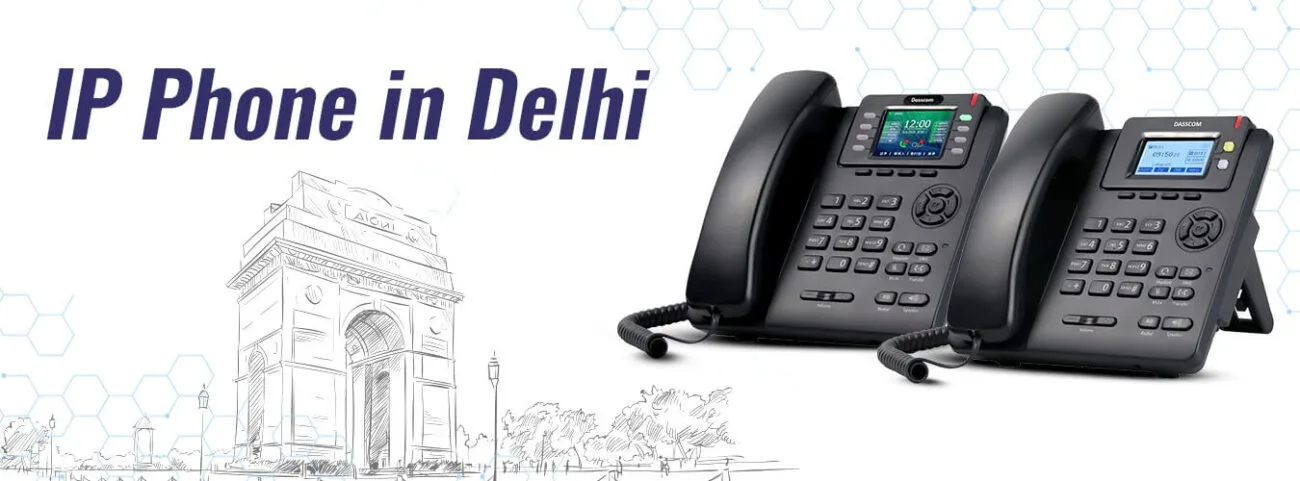
IP phones are communication devices that transmit voice calls over an IP network instead of traditional telephone lines. Unlike analog phones, they use internet protocols to send and receive voice data digitally.
An IP phone typically connects to:
Modern voice ip phone solutions offer features such as HD calling, conferencing, voicemail, call forwarding, and integration with business applications. .

How Do IP Phones Work?

An IP phone converts voice into digital data packets and transmits them through an IP network. Instead of relying on traditional PSTN infrastructure, the call travels over Ethernet or Wi-Fi.
A standard voip phone system for business usually includes:
When a user speaks into the handset, the audio is digitized, compressed, and transmitted over the network to the receiving endpoint. .
This is similar to how an ip pa system distributes voice communication across network infrastructure—except IP phones focus on two-way voice communication for business users.
Contact Sales

Types of IP Phones

Desk IP Phones

These are the most common office communication devices. Desk ip phones include physical buttons, displays, speakerphones, and programmable keys.

Wireless IP Phones

Wireless models use Wi-Fi for connectivity and provide greater mobility within offices and campuses.

Softphones

Softphones are software-based voice ip phone applications installed on laptops or mobile devices.

Conference IP Phones

Designed for meeting rooms, these phones support multi-party collaboration with superior audio pickup.

Key Features of Modern IP Phones

Modern ip phone systems offer far more than simple voice calling. Businesses now expect communication devices to integrate seamlessly into digital workflows. Common features include:
Advanced voice ip phone models also support CRM integration and cloud-based management.

This makes PoE technology one of the most efficient networking innovations for modern business environments.

Why Businesses Prefer IP Phone Systems

Companies are increasingly moving toward ip phone systems because they simplify communication while reducing operational costs.

Lower Communication Costs

Calls are transmitted over the internet, significantly reducing long-distance and international call expenses.

Easy Scalability

Adding new extensions or users is simple compared to traditional telephony systems.

Remote Work Enablement

Employees can access business communication from anywhere using desktop phones or softphones.

Centralized Management

IT teams can configure and monitor the entire voip phone system for business through centralized dashboards.
Request a Demo

IP Phone Price: What Affects Cost?

One of the most common questions businesses ask is about ip phone price. The cost of IP phones depends on several factors:
Entry-level models are affordable for small offices, while executive and enterprise-grade phones offer advanced functionality at a higher ip phone price. It’s important to evaluate long-term value instead of focusing only on upfront pricing.

Choosing the Right IP Phone Service

A reliable ip phone service is just as important as the hardware itself. The service provider manages call routing, SIP connectivity, and system availability.
When selecting an ip phone service, businesses should consider:
A dependable provider ensures smooth communication and business continuity.

Role of IP Phone Manufacturers

A trusted ip phone manufacturer plays a major role in communication reliability. High-quality manufacturers focus on:
Choosing the right ip phone manufacture ensures better compatibility with enterprise networks and future scalability.
Find a Dealer

How IP Phones Compare to Traditional Phones

FeatureTraditional PhonesIP Phones
ConnectivityPSTN LinesIP Network
ScalabilityLimitedHighly Scalable
FeaturesBasic CallingAdvanced Collaboration
Remote AccessLimitedSupported
Cost EfficiencyLower FlexibilityBetter Long-Term Value
Modern ip phone systems provide significantly more flexibility and integration compared to traditional communication systems.

IP Phones & IP PA Systems

Interestingly, many organizations integrate ip phones with an ip pa system to create a unified communication environment.
For example:
This convergence improves operational communication across campuses, factories, and enterprise facilities.

Future of IP Phones in 2026

The future of voice ip phone technology is driven by:
Businesses adopting modern voip phone system for business solutions are better positioned for hybrid work and digital transformation.

How to Choose the Right IP Phone

When selecting ip phones, consider:
Organizations should also ensure compatibility between the hardware and their chosen ip phone service provider.

Final Thoughts

EIP phones have become essential for businesses seeking scalable, cost-effective, and future-ready communication. From improved call quality to seamless integration with collaboration tools and IP PA systems, they deliver far greater flexibility than traditional telephony. Choosing the right IP phone system, service provider, and manufacturer ensures long-term communication reliability and operational efficiency.

If you want your business to have an efficient communication system, you must invest in quality VoIP phones. Remember that the communication aspect of your business is very sensitive and equally important. The more you streamline it, the better results you will get. Dasscom’s VoIP phones are your way to achieve flawless operations.

types of call center

DS-15H

15 watt Horn speaker Support SIP IP 65 Rating Support BGM and announcement

DS-10C

10 watt Ceiling Speaker Support SIP PoE enabled Support BGM & announcement

DS-15W

15 watt wall-mount speaker Support SIP PoE enabled Support BGM and announcement

DXP-7200N

4 SIP Account PoE phone Colour Screen HD Voice

DS-30ECL

1.Built-in 30W amplifier, 2.Class D Amplifier

DW-100

DW-100

2 SIP accounts Wi-fi Support Cordless Phone

Quick summary

See how Nextiva transforms the sales and support team productivity.
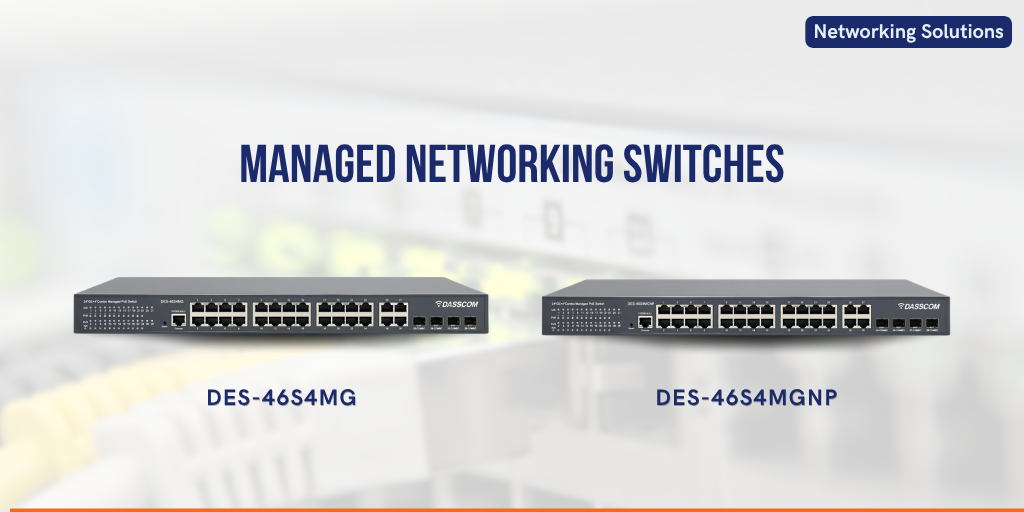
Frequently Asked Questions (FAQs)

What are IP phones used for?
IP phones are used for voice communication over internet networks instead of traditional telephone lines.
A voice ip phone converts voice into digital packets and transmits them over an IP network.
The ip phone price depends on features, SIP accounts, display type, wireless support, and conferencing capabilities.
Yes, modern ip phone systems are scalable and cost-effective for businesses of all sizes.
Traditional phones use PSTN lines, while ip phones operate over internet-based IP networks.
Yes, many organizations integrate IP phones with an ip pa system for unified communication and paging.
A trusted ip phone manufacturer ensures reliable hardware quality, compatibility, and long-term support.
A good ip phone service should provide reliability, security, scalability, and excellent call quality.

What is an Ethernet Network Switch?

What is an Ethernet Network Switch?

What is an Ethernet Network Switch?

Learn how Ethernet network switches work, their types, benefits, PoE functionality, industrial applications, and how businesses choose the right switch for reliable and scalable network connectivity.

fffs

Modern networks rely on seamless connectivity to keep businesses running efficiently. Whether it’s a small office, a large enterprise, a factory, or a surveillance setup, connected devices need a reliable way to communicate with each other. This is where the ethernet switch becomes one of the most important components of any network infrastructure.
From powering IP cameras to supporting high-speed office communication, Ethernet switches help businesses manage and distribute data traffic effectively. In 2026, the demand for smart and scalable switching infrastructure continues to rise as organizations adopt cloud platforms, IoT devices, and IP-based communication systems.
This guide explains what an Ethernet network switch is, how it works, its different types, and how businesses can choose the right solution for their networking requirements.

What is an Ethernet Switch?

An ethernet switch is a networking device that connects multiple devices within a local area network (LAN). It receives data from one connected device and forwards it intelligently to the correct destination device.
Unlike older hubs that broadcast data to every connected device, modern switches improve efficiency by sending data only where it is needed. This reduces network congestion and improves overall performance.
Today’s networks depend heavily on Ethernet switching technology to support:
A properly designed switching infrastructure ensures stable communication and reliable business operations.

How Does an Ethernet Switch Work?

An ethernet switch identifies devices using MAC addresses. When data enters the switch, it determines the destination device and forwards traffic through the correct port. This process happens in milliseconds and allows businesses to maintain fast, uninterrupted communication across connected systems.

Modern switches also support:

Advanced switching technologies help businesses handle increasing amounts of network traffic efficiently.
Contact Sales

Understanding Ethernet Switch Types

There are several important ethernet switch types available depending on deployment needs and network complexity.

Unmanaged Switches

These are plug-and-play devices requiring no configuration. They are ideal for small offices and simple connectivity requirements.

Managed Switches

Managed switches provide advanced configuration features such as VLANs, QoS, monitoring, and security management.

PoE Switches

A poe ethernet switch delivers both data and electrical power through Ethernet cables, eliminating the need for separate power supplies.

Industrial Switches

An industrial ethernet switch is designed for harsh environments such as factories, warehouses, and outdoor installations. .
Understanding different ethernet switch types helps businesses choose the right infrastructure for current and future needs.

What is a PoE Ethernet Switch?

A poe ethernet switch combines data transmission and power delivery through a single Ethernet cable. This significantly simplifies installations and reduces infrastructure costs.
PoE switches are commonly used to power:
Instead of requiring separate electrical wiring, devices receive power directly from the network switch.

This makes PoE technology one of the most efficient networking innovations for modern business environments.

PoE Ethernet Switch 4 Port Solutions

Small businesses and compact installations often use a poe ethernet switch 4 port because it provides sufficient connectivity without excessive hardware.

A poe ethernet switch 4 port is ideal for:

These compact switches offer affordability and simplified deployment while still supporting essential PoE functionality.
Request a Demo

Why Businesses Use an 8 Port Ethernet Switch

An 8 port ethernet switch is one of the most commonly deployed networking devices in SMB environments.
Businesses prefer an 8 port ethernet switch because it balances:
These switches are widely used in:
Many organizations also choose PoE-enabled versions to support IP devices efficiently.

Benefits of a 24 Port Ethernet Switch

Larger businesses often require higher-density switching solutions such as a 24 port ethernet switch.
A 24 port ethernet switch is ideal for:
These switches support large numbers of connected devices while improving scalability and centralized network management.
Organizations deploying multiple access points, IP phones, and cameras frequently rely on a 24 port ethernet switch to support growing infrastructure requirements.

Industrial Ethernet Switch Applications

An industrial ethernet switch is designed specifically for rugged and demanding environments.
Unlike conventional office switches, industrial switches are built to withstand:
Industries that commonly deploy an industrial ethernet switch include:
Find a Dealer

Security Advantages of Managed Switching

Cybersecurity remains a growing concern for businesses of all sizes. One of the strongest reasons organizations choose managed network switches is their advanced security capabilities.
Managed switches support:
These switches ensure uninterrupted communication in mission-critical environments.
Find a Dealer

Ethernet Switch Price: What Affects Cost?

One of the most common questions businesses ask is about ethernet switch price. The cost of a switch depends on several factors:
For example, an unmanaged 8 port ethernet switch is typically more affordable than an enterprise-grade 24 port ethernet switch with advanced management features.
Similarly, an industrial ethernet switch may cost more due to its rugged construction and extended durability.
When evaluating ethernet switch price, businesses should focus on long-term value, scalability, and operational reliability rather than only upfront cost.

How to Choose the Right Ethernet Switch

Choosing the right ethernet switch depends on:
Small businesses may benefit from a compact poe ethernet switch 4 port, while enterprises often require a larger 24 port ethernet switch with advanced management features.
Industrial facilities should prioritize ruggedized industrial ethernet switch solutions for reliable operation under harsh conditions.

Future of Ethernet Switching

The future of Ethernet networking is becoming smarter and faster. Emerging trends include:
As businesses continue digitizing operations, advanced ethernet switch types will play a critical role in supporting secure and scalable communication infrastructure.

Final Thoughts

Ethernet switches are the foundation of modern network infrastructure, enabling reliable communication between connected devices. Whether deploying a compact PoE switch, an industrial-grade switch, or a large enterprise network solution, choosing the right switch improves scalability, performance, and operational efficiency. Businesses investing in future-ready switching infrastructure gain stronger connectivity, better reliability, and long-term networking flexibility.

If you want your business to have an efficient communication system, you must invest in quality VoIP phones. Remember that the communication aspect of your business is very sensitive and equally important. The more you streamline it, the better results you will get. Dasscom’s VoIP phones are your way to achieve flawless operations.

types of call center

DS-15H

15 watt Horn speaker Support SIP IP 65 Rating Support BGM and announcement

DS-10C

10 watt Ceiling Speaker Support SIP PoE enabled Support BGM & announcement

DS-15W

15 watt wall-mount speaker Support SIP PoE enabled Support BGM and announcement

DXP-7200N

4 SIP Account PoE phone Colour Screen HD Voice

DS-30ECL

1.Built-in 30W amplifier, 2.Class D Amplifier

DW-100

DW-100

2 SIP accounts Wi-fi Support Cordless Phone

Quick summary

See how Nextiva transforms the sales and support team productivity.
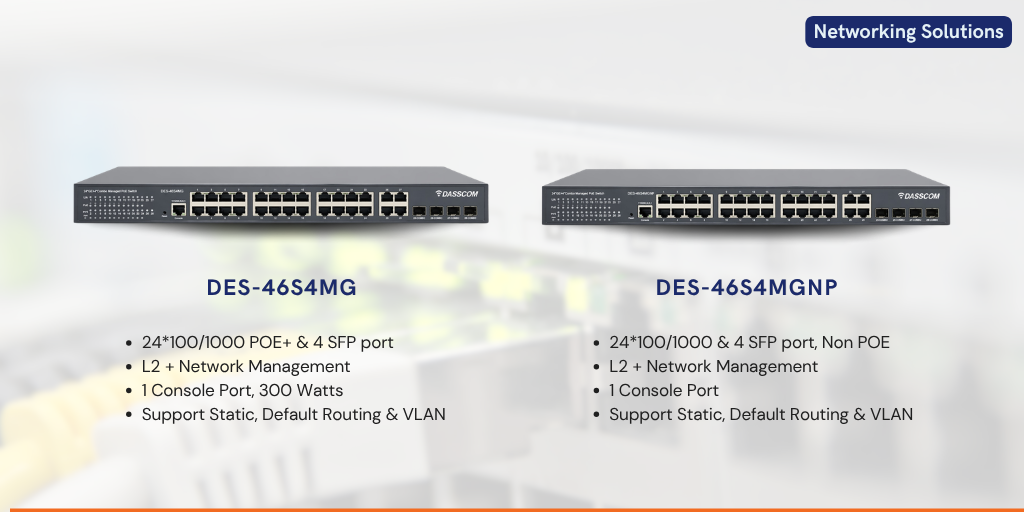
Frequently Asked Questions (FAQs)

1.What does an ethernet switch do?
An ethernet switch connects devices within a network and intelligently forwards data to the correct destination.
A poe ethernet switch supplies both power and data through Ethernet cables, while non-PoE switches transmit only data
An industrial ethernet switch is used in factories, warehouses, transportation systems, and other harsh environments.
Yes, an 8 port ethernet switch is ideal for SMBs and compact network deployments.
A 24 port ethernet switch supports larger networks with multiple IP devices and scalable infrastructure needs.
The ethernet switch price depends on port count, PoE support, management features, and industrial-grade capabilities.
The most common ethernet switch types include unmanaged, managed, PoE, and industrial switches.

Managed Network Switches: Features, Benefits, and Business Advantages

Managed Network Switches: Features, Benefits, and Business Advantages

Managed Network Switches: Features, Benefits, and Business Advantages

Discover how managed network switches improve business connectivity, security, scalability, and performance. Learn about key features, enterprise applications, PoE capabilities, and why businesses are upgrading to intelligent switching infrastructure.

fffs

Modern businesses rely heavily on uninterrupted connectivity. From IP phones and surveillance systems to cloud applications and wireless access points, every connected device depends on a stable and intelligent network infrastructure. At the center of this infrastructure lies the managed network switch—a critical component that enables organizations to control, monitor, and optimize network traffic efficiently.
As digital transformation accelerates in 2026, businesses are increasingly shifting toward advanced switching solutions that provide better scalability, security, and operational control. Unlike basic plug-and-play devices, managed network switches offer intelligent configuration capabilities that help organizations build faster, safer, and more reliable networks.
This guide explores the major features, benefits, and business advantages of managed switching technology and explains why enterprises continue investing in smarter networking infrastructure.

What Is a Managed Network Switch?

A managed network switch is an advanced networking device that allows administrators to configure, monitor, and optimize data traffic across connected devices. Unlike unmanaged switches that operate automatically without user control, managed switches provide visibility into network performance and enable precise traffic management.
Modern businesses deploy managed network switches to support high-bandwidth applications, improve cybersecurity, and maintain stable communication across offices, campuses, warehouses, and industrial environments.
These switches form the backbone of enterprise communication systems by ensuring that voice, video, and data traffic move efficiently throughout the network.

Why Businesses Prefer Managed Network Switches

As organizations adopt cloud platforms, hybrid work environments, and IoT devices, network complexity continues to grow. This is one of the biggest reasons businesses are replacing conventional networking hardware with intelligent managed ethernet switches.
A managed switch gives IT teams greater control over how traffic flows through the network. Critical applications such as VoIP calls, surveillance feeds, and video conferencing can be prioritized to ensure stable performance during peak usage periods

For businesses that rely on uninterrupted connectivity, modern business network switches provide operational flexibility that unmanaged devices simply cannot match.

Contact Sales

Key Features of Managed Ethernet Switches

One of the biggest advantages of managed ethernet switches is their ability to provide advanced traffic control and monitoring capabilities. Features commonly found in enterprise-grade switches include VLAN segmentation, Quality of Service (QoS), port mirroring, SNMP monitoring, link aggregation, and access control policies. These capabilities allow organizations to optimize bandwidth allocation while improving overall network reliability.
One of the biggest advantages of A modern managed switch also supports remote management, enabling IT administrators to configure and troubleshoot devices from centralized dashboards instead of physically accessing the hardware.
Another important feature is traffic prioritization. For example, voice communication systems and surveillance networks require low latency and uninterrupted connectivity. Managed switching infrastructure ensures these critical services receive network priority.

The Growing Demand for 24 Port PoE Network Switch Solutions

Businesses today are deploying more IP-based devices than ever before. This has significantly increased the demand for the 24 port poe network switch, which combines high-density connectivity with Power over Ethernet functionality.

A 24 port poe network switch allows organizations to connect and power multiple devices such as:

By transmitting both power and data over a single Ethernet cable, these switches reduce infrastructure complexity and installation costs.
Large offices, campuses, hotels, and surveillance environments commonly deploy 24 port poe network switch solutions because they simplify cabling while improving scalability.
Request a Demo

Enterprise Managed Switches and Network Scalability

As organizations expand, scalability becomes a major consideration. Enterprise managed switches are specifically designed to support growing infrastructures while maintaining performance and reliability.
A well-designed switching architecture allows businesses to

Modern enterprise managed switches also support fiber uplinks, redundancy protocols, and advanced security frameworks that help businesses maintain long-term operational stability.

For enterprises running multiple departments or branch offices, managed switching infrastructure becomes essential for maintaining centralized control.

Managed Switch Benefits for Business Operations

There are several important managed switch benefits that directly impact business efficiency and communication reliability. One of the most significant advantages is network visibility. Administrators can monitor bandwidth usage, detect bottlenecks, and identify suspicious activity before it impacts operations.
Another major advantage is improved security. A managed network switch allows businesses to isolate departments using VLANs and restrict unauthorized access using port security and ACL policies.
Additionally, managed switching improves uptime. By prioritizing essential traffic and optimizing network paths, organizations experience fewer interruptions and better overall performance
For businesses relying on real-time communication, the managed switch benefits extend to improved VoIP call quality, smoother video conferencing, and uninterrupted surveillance streaming.

Managed Switches in Smart Business Environments

Modern smart offices and intelligent facilities depend heavily on connected infrastructure. This is where business network switches play a vital role.
Today’s business environments integrate:

A high-performance managed switch ensures all these systems operate efficiently without network congestion.
Many organizations now deploy managed ethernet switches as part of their broader digital transformation strategy because they provide better control over increasingly complex networks.

Find a Dealer

Security Advantages of Managed Switching

Cybersecurity remains a growing concern for businesses of all sizes. One of the strongest reasons organizations choose managed network switches is their advanced security capabilities.
Managed switches support:
These features help reduce unauthorized access and improve overall network protection. Compared to unmanaged devices, enterprise managed switches provide significantly stronger security and visibility across connected environments

Why PoE Switching Matters in Modern Networks

The rise of IP-enabled devices has made PoE technology increasingly important. A 24 port poe network switch enables businesses to deploy devices in locations where electrical outlets may not be available. This flexibility simplifies installations and reduces deployment costs while supporting scalable infrastructure growth.
Organizations commonly use PoE-enabled managed ethernet switches for:
As more devices become network-powered, PoE switching will continue to grow in importance.

Choosing the Right Managed Switch

Selecting the right managed network switch depends on several factors, including:
Smaller offices may deploy compact business network switches, while enterprises often require large-scale enterprise managed switches with advanced redundancy and monitoring capabilities. A reliable switching infrastructure should support both current operations and future growth.

Future Trends in Managed Networking

The future of networking is increasingly intelligent and automated. Emerging technologies are transforming how managed network switches operate.
Key trends include:
As digital transformation accelerates, the demand for advanced managed ethernet switches will continue growing across industries.

Final Thoughts

Managed network switches have become essential for businesses seeking secure, scalable, and high-performance connectivity. From improving traffic control and cybersecurity to supporting PoE-powered devices and enterprise expansion, managed switching infrastructure delivers significant operational advantages. Organizations investing in intelligent networking solutions today will be better prepared for future communication, automation, and digital transformation demands.

If you want your business to have an efficient communication system, you must invest in quality VoIP phones. Remember that the communication aspect of your business is very sensitive and equally important. The more you streamline it, the better results you will get. Dasscom’s VoIP phones are your way to achieve flawless operations.

types of call center

DS-15H

15 watt Horn speaker Support SIP IP 65 Rating Support BGM and announcement

DS-10C

10 watt Ceiling Speaker Support SIP PoE enabled Support BGM & announcement

DS-15W

15 watt wall-mount speaker Support SIP PoE enabled Support BGM and announcement

DXP-7200N

4 SIP Account PoE phone Colour Screen HD Voice

DS-30ECL

1.Built-in 30W amplifier, 2.Class D Amplifier

DW-100

DW-100

2 SIP accounts Wi-fi Support Cordless Phone

Quick summary

See how Nextiva transforms the sales and support team productivity.
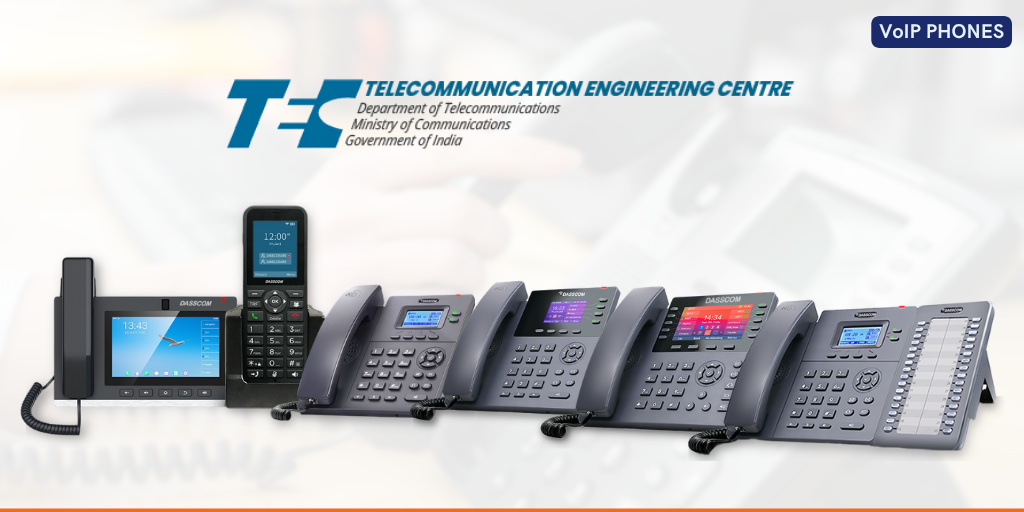
Frequently Asked Questions (FAQs)

1. What is a managed network switch?
A managed network switch is an advanced switch that allows administrators to configure, monitor, and optimize network traffic.
Managed network switches improve security, traffic management, scalability, and overall network reliability.
Important managed switch benefits include traffic prioritization, VLAN support, improved security, and better network visibility.
A 24 port poe network switch supports multiple IP devices while simplifying installation through Power over Ethernet technology.
A managed switch offers configuration and monitoring capabilities, while unmanaged switches operate automatically without user control.
Yes, managed ethernet switches are widely used in enterprise networks because they provide advanced scalability and security.
Enterprise managed switches are used in large-scale networks requiring centralized control, high performance, and advanced traffic management.